
Many adults live with the day-to-day pressure of chronic kidney disease (CKD), where even familiar foods can contribute to mineral buildup—especially potassium and phosphorus. Over time, that excess can show up as fatigue, swelling, or a lingering “heavy” feeling that makes the whole day harder. You may sit down with a warm bowl of rice expecting comfort, yet still wonder: Is this helping my body—or adding extra work for my kidneys?
Before you read on, do a quick check-in: on a scale of 1–10, how “light” and energized do you feel after meals? Keep that number in mind. Choosing the right type of rice—and preparing it well—can be a simple change that many people with kidney concerns use to move toward better daily comfort.

If you’ve watched someone over 40 deal with subtle signs of kidney strain—persistent tiredness, mild puffiness, or ongoing concern about mineral balance—you already know how confusing food decisions can get. Rice is a global staple because it provides reliable energy and is generally easy to digest, but not every rice variety fits kidney-friendly goals equally. Trusted organizations such as the National Kidney Foundation and DaVita often highlight lower-mineral rice choices as practical options for many renal diets.
Why Rice Can Be a Kidney-Friendly Staple
When kidneys have trouble managing minerals, it’s frustrating to feel bloated or drained even when you’re trying to eat “clean.” Rice mainly provides carbohydrates for energy, while its mineral content varies by type and processing.
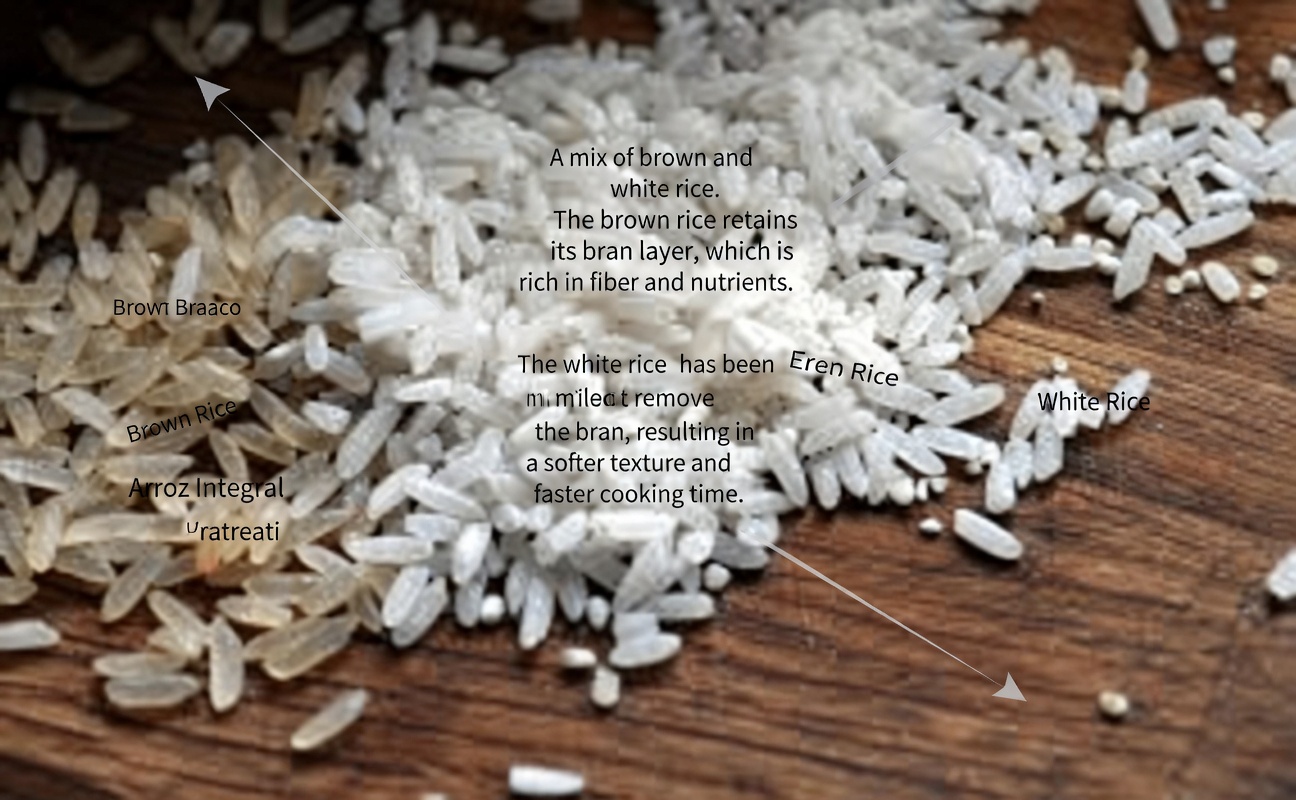
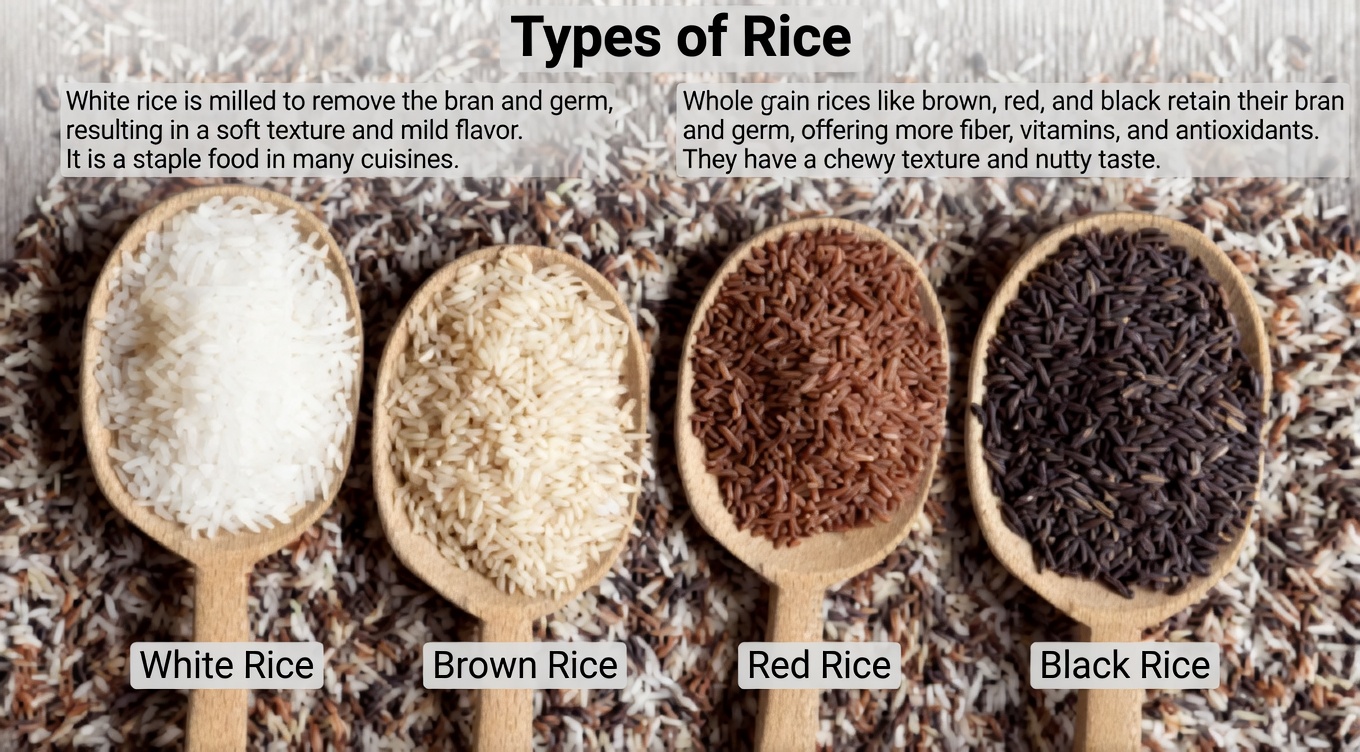
A key reason rice can be supportive in CKD-friendly eating is that white rice is milled, meaning the bran and outer layers are removed. Those layers are where more minerals tend to concentrate. As noted by kidney-focused nutrition guidance from sources like DaVita and the National Kidney Foundation, this processing often makes white rice a go-to choice when someone needs to limit potassium and phosphorus—especially when portions and preparation are handled carefully.
Preparation matters as much as the grain itself. Rinsing and cooking method can reduce surface starch and small amounts of leachable components, which many people find helps meals feel “lighter.” For anyone tired of constantly worrying about mineral buildup, these small kitchen habits can offer real peace of mind.
The Top 3 Rice Types Many People Choose for Kidney Support
1) White Rice: A Gentle, Lower-Mineral Base
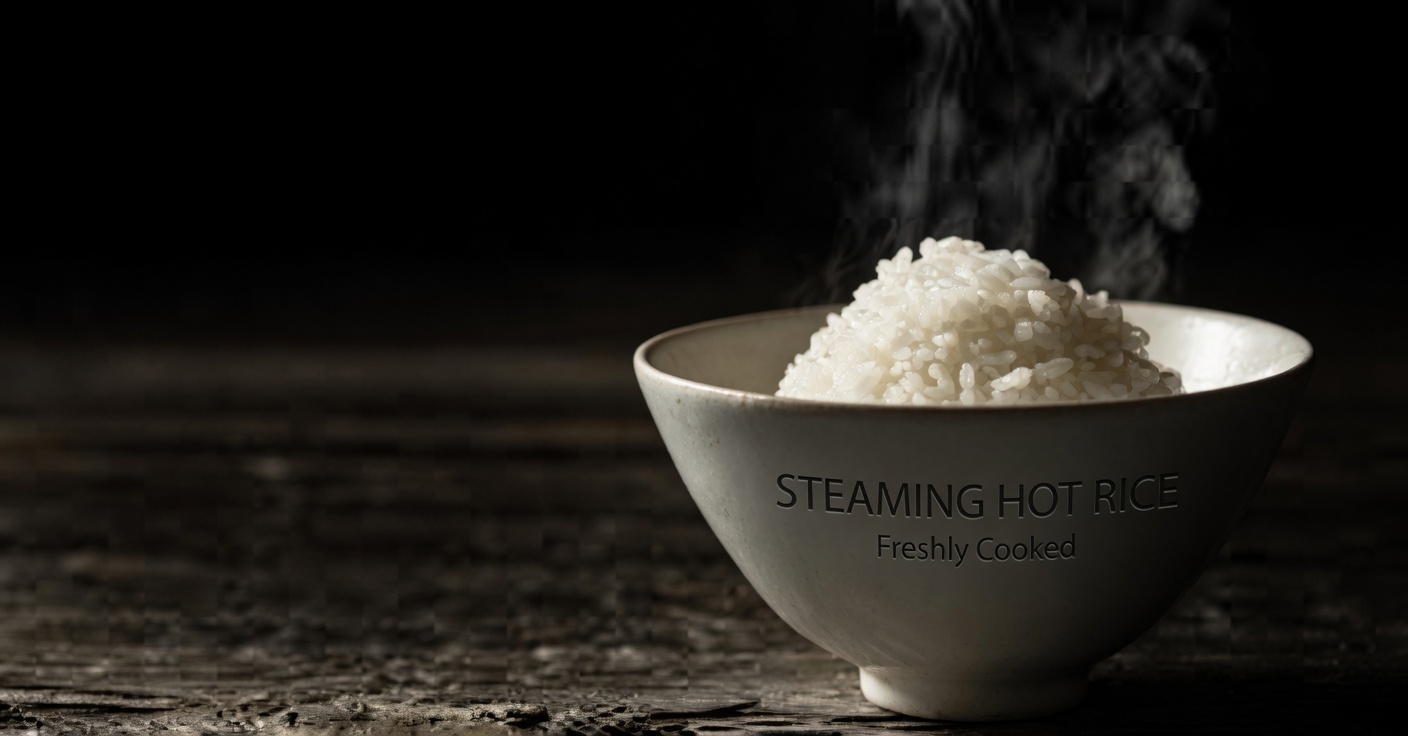
That post-meal heaviness can make daily life feel like a grind—especially when mineral intake is a constant concern. Regular white rice is widely used in kidney-friendly meal plans because it’s typically lower in potassium and phosphorus than whole-grain options.
Approximate values per 1 cup cooked:
- Potassium: ~50–55 mg
- Phosphorus: ~60–70 mg
Because the bran is removed during milling, white rice usually places less mineral load on the kidneys compared with brown rice. Many people find that keeping portions consistent supports steadier energy and less “weighed down” feeling after meals.
How it helps:
- Provides dependable energy (carbs) without a high mineral burden
- Works well as a neutral base with kidney-friendly sides
Re-check your number: after a rice-based meal, where are you on that 1–10 comfort scale?
2) White Basmati Rice: Steadier Energy and Better Daily Rhythm
Kidney stress often overlaps with blood-sugar fluctuations, and that combination can intensify fatigue—especially later in the day. White basmati rice usually remains similar to standard white rice in mineral profile, while offering a moderate glycemic index (commonly cited around 50–58). That can mean a slower rise and fall in energy for some people.
Why it’s valued:
- Similar kidney-friendly mineral levels to other white rice types
- Often supports more even energy for busy days
Quick self-check: on a 1–5 scale, how often do energy dips disrupt your afternoon?
3) White Jasmine Rice: Comforting Texture and Easy Digestion
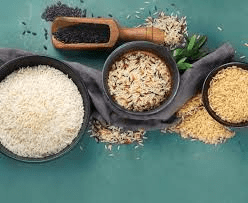
When digestion feels sensitive—bloating, discomfort, or an uneasy stomach—meals can become stressful instead of restorative. White jasmine rice is known for its soft, slightly sticky texture and tends to be easy to eat and digest for many people. Like other white rice varieties, it typically stays relatively low in potassium and phosphorus compared with whole grains.
Why people like it:
- Comforting texture that encourages satisfying, mindful meals
- Often feels gentle on digestion when paired with kidney-friendly foods
Self-assessment: rate your digestive ease after meals from 1–10.
Quick Comparison: Kidney-Friendly Snapshot
-
White Rice
- Potassium (per cup cooked, approx.): 50–55 mg
- Phosphorus (per cup cooked, approx.): 60–70 mg
- Glycemic index: Medium–High
- Best for: Low-mineral everyday base
-
White Basmati Rice
- Potassium: Similar to white rice
- Phosphorus: Similar to white rice
- Glycemic index: ~50–58
- Best for: More stable energy
-
White Jasmine Rice
- Potassium: Similar to white rice
- Phosphorus: Similar to white rice
- Glycemic index: Medium
- Best for: Comfort and gentle digestion
Practical Tips to Make These Rice Options Work for You
Kidney-friendly eating becomes far less overwhelming when you rely on repeatable habits instead of constant guesswork. If you choose white rice varieties, these steps can help you get the most benefit:
- Rinse the rice 3–5 times before cooking to wash away excess starch and some leachable components. Many people find this improves texture and makes meals feel less heavy.
- Cook in plenty of water, then drain if desired. This method can create a lighter result and may reduce what remains in the cooking water.
- Watch portions: aim for ½ to 1 cup cooked per meal, depending on your nutrition plan.
- Pair smartly with lower-potassium vegetables such as cabbage or bell peppers for better balance.
- Consider enriched white rice (check the label). Enrichment may add back certain B vitamins without significantly increasing potassium or phosphorus—helpful for people who need energy support.
A Simple 30-Day Integration Plan
-
Weeks 1–2
- Serve ½–⅔ cup cooked
- Rinse thoroughly, keep seasoning simple
- Goal: notice less post-meal heaviness and steadier digestion
-
Weeks 3–4
- Increase to ⅔–1 cup cooked if appropriate
- Add low-potassium sides for balance
- Goal: smoother daily energy and more predictable meals
-
Week 5 and beyond
- Keep portions consistent
- Rotate between white, basmati, and jasmine
- Goal: sustainable routine and a “lighter” day-to-day feel
Sticking with higher-mineral choices can mean ongoing discomfort and constant second-guessing. Swapping to lower-mineral white rice varieties—along with careful prep and portions—often feels like a realistic, sustainable win.
Final Thoughts: Choosing Rice for Kidney Wellness
Switching to white rice, white basmati, or white jasmine can be a practical way to support kidney-friendly goals by keeping potassium and phosphorus intake lower while maintaining steady energy. When you combine the right rice choice with consistent rinsing, cooking, and portion control, this everyday staple can become a dependable part of feeling more balanced.
FAQ
What makes white rice more kidney-friendly than brown rice?
White rice is milled, removing bran layers that typically contain more potassium and phosphorus. That lower mineral load can reduce strain for people who need to limit these minerals.
How often can I eat these rice types if I have CKD?
Many people do well with ½–1 cup cooked per meal, even daily, but your ideal amount depends on CKD stage, medications, and lab results. Follow guidance from your clinician or renal dietitian.
Does rinsing rice actually reduce mineral content?
Thorough rinsing removes excess starch and may reduce some leachable components. It’s a simple step that many people use to make rice meals feel lighter and easier to tolerate.
Medical disclaimer: This article is for informational purposes only and is not medical advice. Nutritional needs vary by CKD stage, medications, and lab values. Consult your healthcare provider or a registered dietitian before making dietary changes.