
Many adults live with ongoing tiredness, “brain fog,” or recurring seasonal discomfort even when the rest of their health seems stable. When energy dips and recovery feels slow, it’s natural to look for gentle, natural tools that support day-to-day resilience. One surprisingly useful option is thyme—a common kitchen herb that research increasingly links to multiple wellness benefits.
Curious how adding thyme to your routine could help? Below are eight research-supported potential benefits, along with practical, beginner-friendly ways to use it.

Why Thyme Is Worth Considering for Everyday Wellness
If you regularly hit an afternoon energy crash or feel “off” despite decent sleep and habits, you’re not alone. Thyme contains active compounds such as thymol and carvacrol, which studies suggest may help the body handle common, everyday stressors.
Thyme also has a long history in traditional wellness practices. What makes it especially appealing is how simple it is to use consistently—often the key to seeing meaningful, gradual improvements alongside a balanced lifestyle.
Potential Benefit 1: Supporting a Healthy Immune Response
Seasonal challenges can leave you feeling worn down and less able to keep up with daily plans. In laboratory research, thyme’s essential oils demonstrate antimicrobial activity, suggesting it may help support healthy microbial balance.
Thymol—one of thyme’s best-known components—has been studied for its role in supporting the body’s natural defense mechanisms. Many people choose to use thyme more regularly during times of higher seasonal pressure.
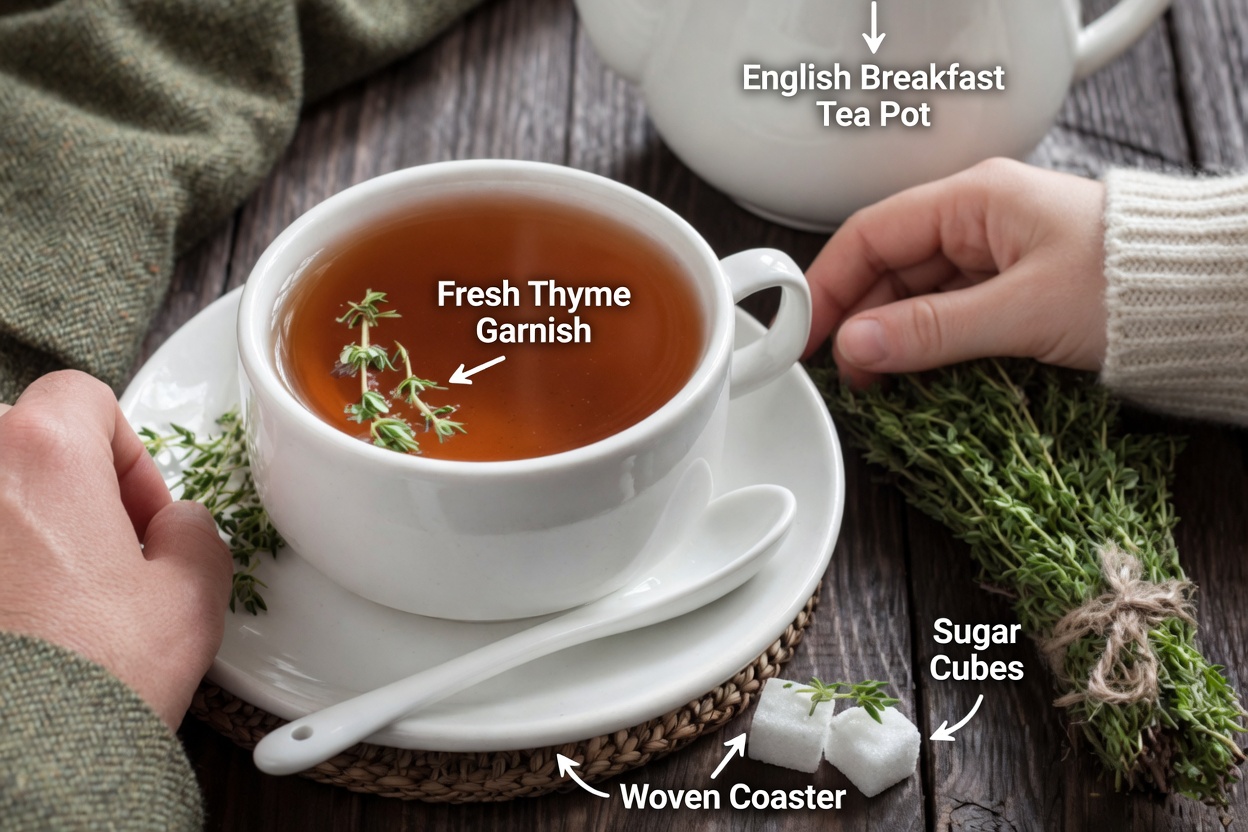
- Quick idea: Brew thyme tea (fresh or dried) for a warm, soothing option when you want extra support.

Potential Benefit 2: Promoting Mental Clarity and Focus
Difficulty concentrating or persistent mental haze can make even small tasks feel exhausting. Thyme contains antioxidants that may support cognitive health, and early research (including animal studies and preliminary human findings) suggests potential effects related to memory and alertness.
While more robust human research is still needed, many people report feeling more clear-headed when thyme becomes part of their regular routine.
Potential Benefit 3: Helping Manage Everyday Inflammation
Low-grade inflammation is often associated with general discomfort and the kind of fatigue that builds gradually over time. Thyme has shown anti-inflammatory potential in research, indicating it may help the body maintain a balanced inflammatory response.
Some reviews examining multiple studies highlight thyme’s supportive role in natural inflammation management.
- Practical tip: Infuse olive oil with thyme for a gentle topical option on areas that feel sore or tense.
Potential Benefit 4: Supporting Balanced Blood Sugar Levels
Energy swings after meals often track with blood sugar fluctuations. Some studies suggest thyme may influence enzymes involved in digestion and absorption, potentially helping support more stable post-meal glucose responses.
Although evidence is still emerging and study sizes may be small, the results are promising enough to make thyme an interesting addition for those prioritizing steadier daily energy.
- Easy habit: Consider thyme tea before meals if supporting stable energy is a goal.
Potential Benefit 5: Supporting Respiratory Comfort
Congestion and airway irritation can interrupt sleep and reduce daily comfort. Traditionally, thyme has been used as an expectorant, and research also supports its potential role in helping soothe the airways.
Clinical reviews have noted thyme’s value for supporting clearer breathing during seasonal discomfort.
- Try this: Add thyme to a bowl of hot water and use steam inhalation for quick comfort.
Potential Benefit 6: Contributing to Heart Health Support
As routines and stress levels change, many adults become more attentive to circulation and blood pressure. Preliminary research suggests thyme’s antioxidant properties may help support healthy cardiovascular function, including maintaining normal blood pressure within a healthy lifestyle context.
Potential Benefit 7: Aiding Digestive Comfort
Bloating or digestive heaviness after meals can affect both mood and energy. Thyme has long been used to support digestion, and research supports its carminative properties—meaning it may help reduce gas and promote digestive ease.
Many people notice smoother digestion when thyme is added to meals regularly.
Potential Benefit 8: Promoting Relaxation and Better Sleep
Stress and restless nights often reinforce a cycle of fatigue. Traditional use and emerging research suggest thyme may have calming properties that support relaxation—especially when used in a simple evening ritual.
A warm cup of thyme tea is a common choice for winding down naturally.

Simple Ways to Add Thyme to Your Routine
Here are practical, everyday options to get started:
- Thyme tea: Steep 1 tsp fresh thyme (or ½ tsp dried) in hot water for 10 minutes.
- Cooking: Sprinkle thyme onto roasted vegetables, soups, beans, fish, or poultry.
- Steam inhalation: Add thyme to hot water, cover your head with a towel, and breathe gently.
- Infused oil: Warm olive oil with thyme sprigs and use for massage (patch test first).
Consistency matters. Many people notice subtle changes over a few weeks when thyme is used regularly.
Comparison: Different Ways to Use Thyme
| Method | Best For | Ease of Use | Research Notes |
|---|---|---|---|
| Thyme tea | Immune + respiratory support | Very easy | Strong traditional use; supported by studies |
| Fresh/dried in cooking | Digestion + daily antioxidants | Easy | Helps integrate benefits into meals |
| Essential oil (diluted) | Topical or aromatic use | Moderate | Very concentrated—use cautiously |
| Steam inhalation | Fast respiratory comfort | Simple | Often used for congestion support |
A Simple Path Toward More Daily Energy
Small, sustainable additions—like thyme—can complement healthy habits and help you feel more resilient day to day. Over time, you may notice steadier energy, clearer focus, and improved comfort during challenging seasons.
Choose one approach today, keep it consistent, and track how you feel over the next few weeks.
Frequently Asked Questions
How much thyme is safe to use daily?
Many adults tolerate culinary amounts well, and often do fine with 1–2 cups of thyme tea per day. Start with a smaller amount to assess your personal tolerance.
Can I use thyme if I take medications?
Ask your healthcare professional first. Herbs can interact with certain medications, and individual circumstances vary.
What’s the best form of thyme for beginners?
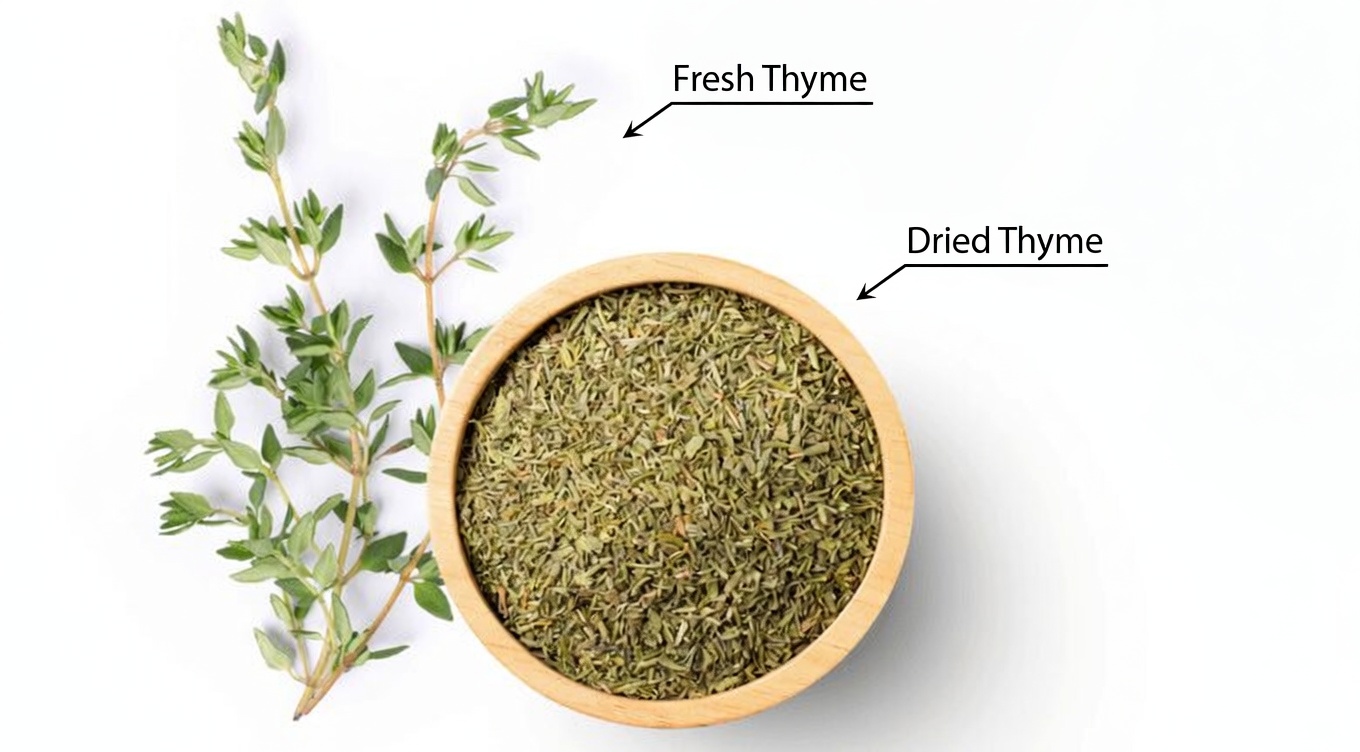
Fresh or dried thyme leaves are the most accessible and gentle starting point, especially for tea and everyday cooking.
Medical Disclaimer
This article is for informational purposes only and is not intended to diagnose, treat, cure, or prevent any condition. Consult your healthcare provider before changing your diet or routine, especially if you have medical conditions or take medications.