

7 Everyday Foods That Can Help Support Muscle Health After 70
After age 70, many people begin to feel the effects of gradual muscle loss in everyday life. Climbing stairs, getting up from a chair, or carrying groceries may take more effort than before. These changes can affect both independence and overall quality of life, making routine activities feel more draining.
The encouraging part is that nutrition can play a meaningful role in supporting muscle health. Choosing the right foods can help your body maintain strength more effectively. And among these options, one especially simple food may surprise you with how easily it fits into a daily routine. Alongside six other excellent choices, it could become a practical part of your long-term eating plan.
Studies suggest that older adults often need more of certain nutrients than younger adults to help preserve muscle function. High-quality protein is especially important, along with amino acids such as leucine, which helps stimulate muscle protein synthesis. After 70, natural shifts in metabolism and lower activity levels can make muscle maintenance more challenging. Fortunately, helpful foods do not have to be expensive or complicated. Most are easy to find at any grocery store.
The best approach is to focus on protein-rich foods that also bring added benefits, including calcium, vitamin D, and omega-3 fatty acids. These foods pair especially well with light physical activity like walking or gentle resistance exercise, but your daily meals are something you can control consistently. Below are seven standout foods often recommended for supporting muscle health in later life.
Why Muscle Health Becomes More Important After 70
As the body ages, it naturally becomes less efficient at building and preserving muscle tissue. This is a normal part of aging, but diet and lifestyle can strongly influence how noticeable the effects are. Many older adults say they feel steadier, stronger, and more energized when they make protein a priority at each meal.
General guidance from health organizations often suggests aiming for around 25 to 30 grams of protein per meal. This amount may help the body respond better to daily movement and support muscle maintenance more effectively.
The link between nutrition and muscle performance is supported by years of research. Observational studies have found that older adults who eat more leucine-rich protein tend to maintain muscle better over time. At the same time, nutrients such as omega-3 fats from fish may help support mobility by contributing to a healthier inflammatory balance. The most important factor is consistency. Small changes repeated daily can lead to noticeable results over time.
The Role of Protein in Muscle Support Later in Life
Protein provides the building material muscles depend on, and older adults generally need more of it to get the same benefit younger people do. One key amino acid, leucine, acts as a trigger that signals the body to begin the muscle-building process. Research shows that spreading protein across breakfast, lunch, and dinner may be more effective than eating most of it in one meal.
Protein is only part of the picture. Calcium helps support bones, which work together with muscles for balance and movement. Vitamin D is important for both muscle and bone function, while omega-3 fatty acids may support muscle quality. One advantage of food-first strategies is that whole foods deliver these nutrients together in forms the body can use naturally.
The good news is that you do not need to redesign your entire diet. Adding a few specific foods regularly can make a real difference.
7 Foods That May Help Support Muscle Health After 70
These foods are practical, affordable, and easy to include in everyday meals.
- Cottage cheese – Rich in slow-digesting protein and naturally high in leucine
- Greek yogurt – Thick, satisfying, and offers about 20 grams of protein per cup
- Eggs – A complete protein source with choline and vitamin D
- Salmon – Provides quality protein plus omega-3 fatty acids
- Chicken breast – Lean, reliable protein that works in many meals
- Tofu – A complete plant protein ideal for variety or meat-free days
- Lentils – Plant-based protein with fiber, iron, and folate
Let’s look at why each one deserves a place on the list.

Cottage Cheese: A Simple Daily Habit With Lasting Benefits
Cottage cheese has long been a smart choice for older adults, and for good reason. A half-cup serving can offer roughly 14 grams of protein, much of it in the form of casein, a slow-digesting dairy protein. Because it breaks down gradually, amino acids remain available to the body for longer periods. That makes it especially useful as an afternoon snack or even an evening option for overnight muscle support.
Research suggests that dairy proteins rich in leucine may help older adults better maintain muscle function when eaten consistently. Cottage cheese is also easy to digest for many people and requires no preparation at all. You can eat it plain, mix it with fruit, add herbs, or drizzle a small amount of honey on top.
For many people, this is the surprising standout food because it is inexpensive, simple, and easy to enjoy every day without much effort.
Greek Yogurt: High Protein in a Small Serving
Greek yogurt is another excellent option because of its concentrated protein content. One cup can provide up to 20 grams of protein while usually containing less sugar than regular yogurt. Since the straining process removes more liquid, the result is a thicker texture and a higher nutrient density.
Leucine-rich dairy protein is especially valuable for adults over 70, and Greek yogurt offers an easy way to include it in breakfast or snacks. It also contains probiotics, which may help support digestion, something that becomes increasingly important with age.
Try it with berries, chopped nuts, or seeds for added texture and nutrition. It also works well as a base for smoothies or savory sauces.
Eggs: Affordable, Complete, and Easy to Prepare
Eggs are one of the most practical protein sources available. One large egg contains about 6 grams of high-quality protein and includes all essential amino acids. They are affordable, fast to cook, and suitable for many different meals.
Research suggests that the leucine found in eggs can help activate the body’s muscle-support process. The yolk also contains vitamin D, which plays a role in both muscle and bone health. For older adults who prefer soft foods, eggs are especially useful because they can be scrambled, poached, or boiled to a comfortable texture.
Having two eggs at breakfast can provide a strong start toward your daily protein target.
Salmon: Protein Plus Omega-3 Support
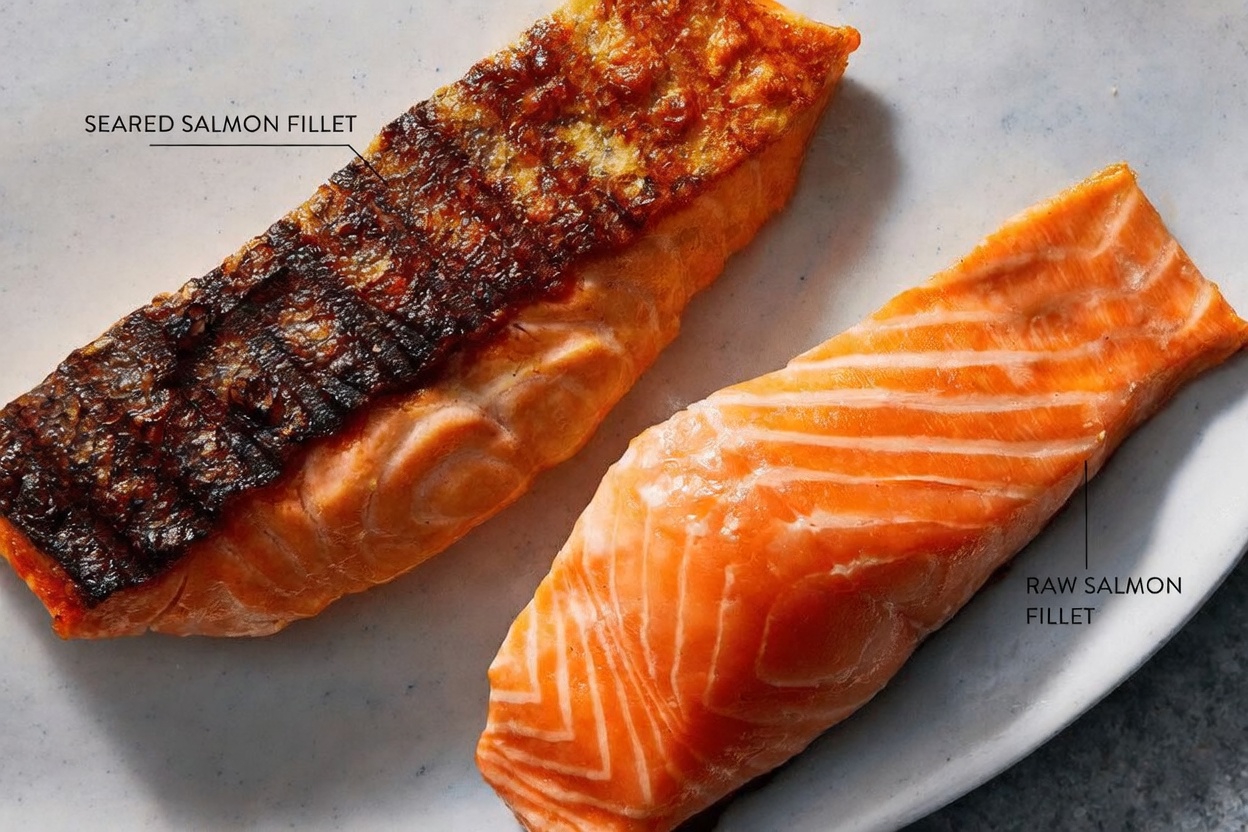
A 3-ounce serving of salmon supplies about 22 grams of protein along with omega-3 fatty acids. These healthy fats have been studied for their potential role in supporting muscle function and helping reduce everyday discomfort that may interfere with activity.
Fresh salmon is excellent, but canned salmon can be just as convenient and budget-friendly. You can bake it with herbs and lemon, mix it into salads, or serve it with vegetables for a simple meal.
What makes salmon stand out is that it offers more than protein alone. Its omega-3 content adds another layer of support for healthy aging and mobility.
Chicken Breast: Lean Protein for Everyday Meals
Skinless chicken breast is a dependable source of lean protein. A cooked 3-ounce serving delivers around 26 grams of protein with relatively little fat. It has a mild taste, cooks easily in batches, and fits into a wide variety of meals.
Chicken protein is highly bioavailable, meaning the body can use it efficiently. This makes it especially helpful for muscle maintenance. It can be grilled, baked, shredded into soups, or added to salads and wraps.
Pairing chicken with vegetables, beans, or whole grains can create balanced meals that are both filling and supportive of overall health.
Tofu: A Flexible Plant-Based Protein
Tofu is an excellent choice for people who want more variety or prefer plant-based meals. Unlike many other plant proteins, tofu is considered a complete protein because it provides all essential amino acids. It is also soft, easy to chew, and adaptable to many cooking styles.
Tofu absorbs flavors well, so it can be added to stir-fries, soups, grain bowls, or even blended into creamy dishes. For older adults who want to reduce meat intake without sacrificing protein quality, tofu is a practical and nutritious option.
It can also help diversify protein intake across the week, which makes meals more interesting and sustainable.
Lentils: Plant Protein With Extra Nutrients
Lentils are a strong addition to any meal plan because they offer protein along with fiber, iron, and folate. While they do not provide as much protein per serving as animal foods, they still make a valuable contribution, especially when paired with other protein sources throughout the day.
Their fiber content may support digestive health and help with fullness, while iron and folate add additional nutritional value. Lentils work well in soups, stews, salads, and side dishes, and they are generally affordable and easy to store.
For those looking for more plant-based options, lentils are one of the most accessible foods to include regularly.
How to Make These Foods Work in Daily Life
The easiest way to benefit from these foods is to spread them across the day rather than relying on one high-protein meal. For example:
- Breakfast: Greek yogurt or eggs
- Lunch: Chicken breast or lentil soup
- Snack: Cottage cheese
- Dinner: Salmon or tofu with vegetables
This kind of meal pattern may help the body use protein more effectively. It also keeps meals manageable and realistic.
A Practical Takeaway
Supporting muscle health after 70 does not require complicated diets, costly supplements, or extreme eating habits. In many cases, simple grocery-store foods can provide exactly what the body needs. Protein remains the foundation, but foods that also supply leucine, calcium, vitamin D, and omega-3s may offer even more support.
Among the seven choices, cottage cheese stands out as one of the easiest foods to turn into a daily habit. It is convenient, high in protein, rich in leucine, and requires no cooking. Combined with the other six foods on this list, it can become part of a practical routine that supports strength, mobility, and independence over time.
Small choices repeated consistently can matter more than dramatic changes. And when it comes to aging well, that daily consistency may be one of the smartest strategies of all.