Brain-Boosting Foods That May Support Blood Flow, Focus, and Memory as You Age
It’s normal for many adults to notice occasional forgetfulness, mid-afternoon mental haze, or trouble concentrating over time. These moments can be frustrating—especially when they affect everyday productivity or make you question your mental edge. The good news is that research and clinical experience increasingly suggest that dietary habits—especially choosing the right foods for brain health—can support circulation and overall brain function.
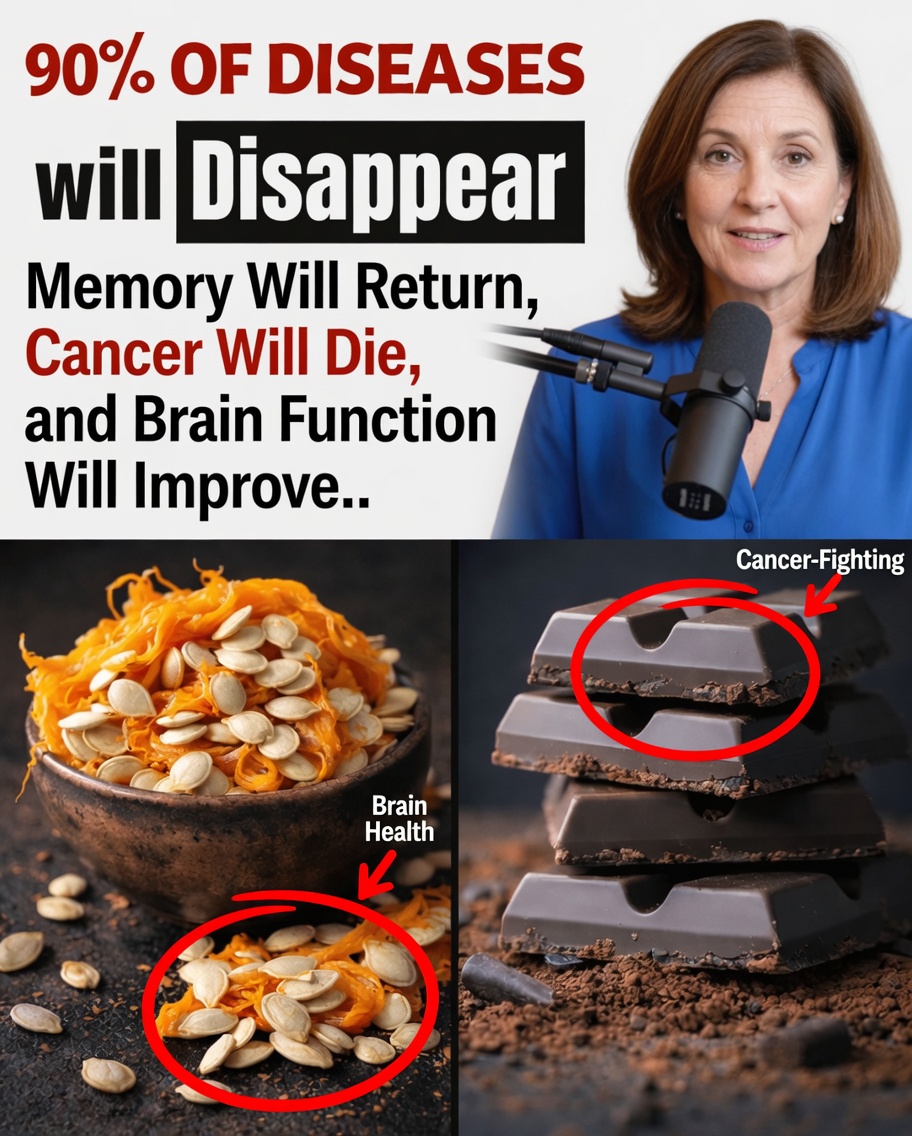
Even more encouraging: insights aligned with one of the world’s largest collections of brain imaging observations point to practical, enjoyable options you can actually stick with. There’s also a simple “when to eat it” strategy that may amplify results—keep reading to learn the timing tip.
Dark Chocolate (85%+ Cacao): A Tasty Way to Support Brain Circulation
Many people feel mentally drained late in the day and start looking for reliable foods for brain health. High-cacao dark chocolate contains flavonoids, naturally occurring plant compounds that research links to healthier blood flow, including circulation that supports the brain.

Dr. Daniel Amen—known for reviewing a vast number of brain scans—often emphasizes that strong blood flow is associated with healthier brain activity patterns. Choosing dark chocolate that’s 85% cacao or higher typically reduces added sugar while keeping the flavonoid content high.
A small piece in the evening can also become a satisfying routine—often without the “sugar crash” that comes with sweeter desserts.
Pumpkin Seeds: An Easy Mineral-Rich Snack for Calm Focus
Low drive, distractibility, or difficulty staying on task can make the day feel harder than it should. This is where pumpkin seeds can be a smart addition to your list of foods for brain health.
These seeds provide magnesium, zinc, and other nutrients involved in nerve communication and mood balance. Evidence suggests:
- Magnesium may help regulate overactive stress-related brain signaling
- Zinc supports neurotransmitter activity and brain communication pathways
In Dr. Amen’s imaging-based observations, nutrient-dense, mineral-forward food choices frequently align with more balanced patterns of brain activity. Practically, pumpkin seeds are easy: a small handful in the evening is enough to make them a consistent habit.
Many people also report feeling more stable and “even” the next day after adding them regularly.
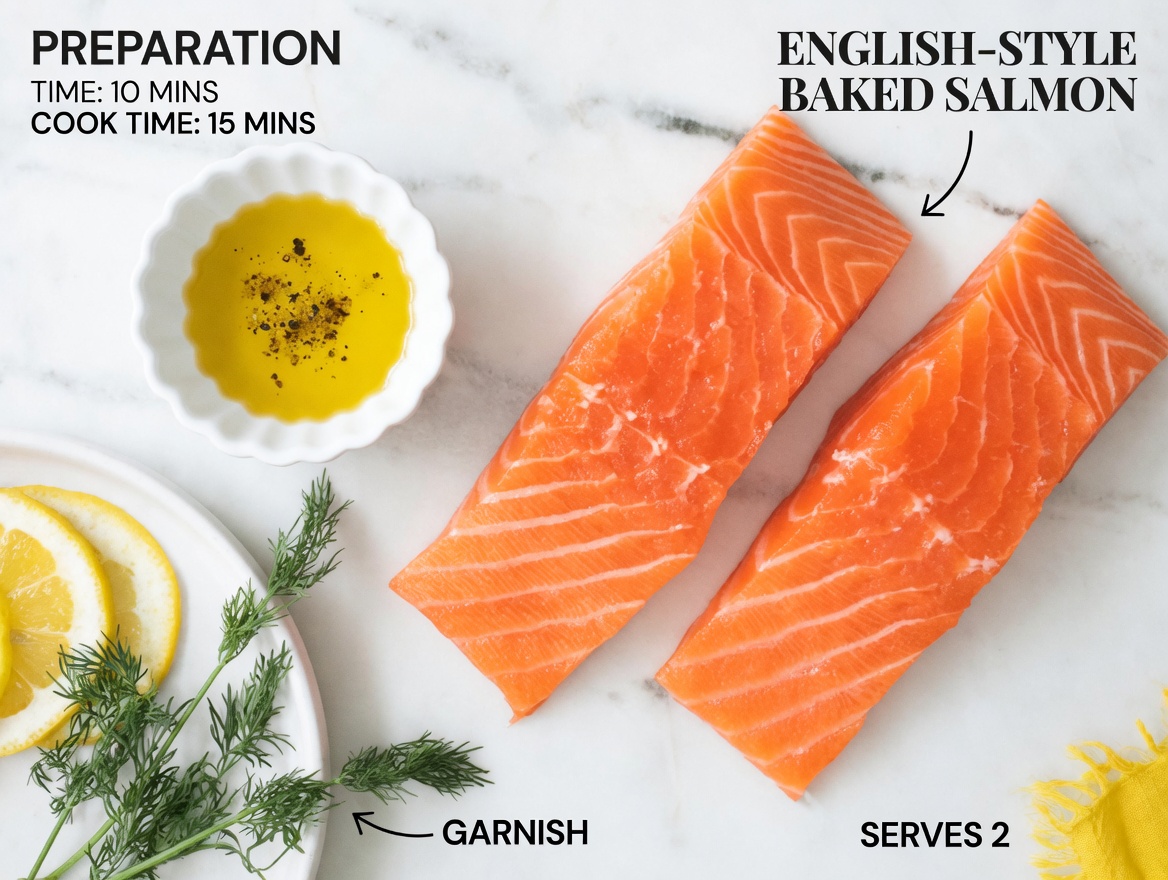
Wild-Caught Fatty Fish: Omega-3s That Support Brain Structure
Afternoon energy dips and mood variability are common reasons people search for dependable foods for brain health. Fatty fish—such as salmon, sardines, and mackerel—are among the best whole-food sources of omega-3 fatty acids, especially DHA and EPA.

Scientific reviews associate omega-3 intake with:
- Supporting normal inflammatory balance
- Helping maintain the structure and flexibility of brain cell membranes
In brain imaging observations, Dr. Amen often notes that people who regularly consume omega-3s tend to show stronger activity patterns in key brain regions. For most adults, a helpful target is 2–3 servings per week. Baking or grilling keeps it simple and flavorful.
A key point: benefits are typically cumulative, building with consistent intake over time.
Organic Blueberries: Antioxidant Support for Memory and Brain Protection
For many adults, one of the most discouraging changes is struggling to remember names, details, or why you walked into a room. Blueberries stand out among foods for brain health because they’re rich in antioxidants—especially anthocyanins, the pigments linked to cellular protection.
Studies (including research involving older adults) suggest that frequent berry intake may:
- Support memory performance
- Help protect brain cells from oxidative stress
Dr. Amen often highlights blueberries because many patients who eat them consistently show encouraging brain-scan patterns. A practical habit is about ½ cup per day, fresh or frozen, added to breakfast, yogurt, or snacks.
Extra Brain-Healthy Additions (If You Want to Go Further)
Once the core habits are in place, these bonus options can round out your routine of foods for brain health:
- Green tea or matcha: Provides L-theanine plus gentle caffeine for calmer alertness and steadier attention
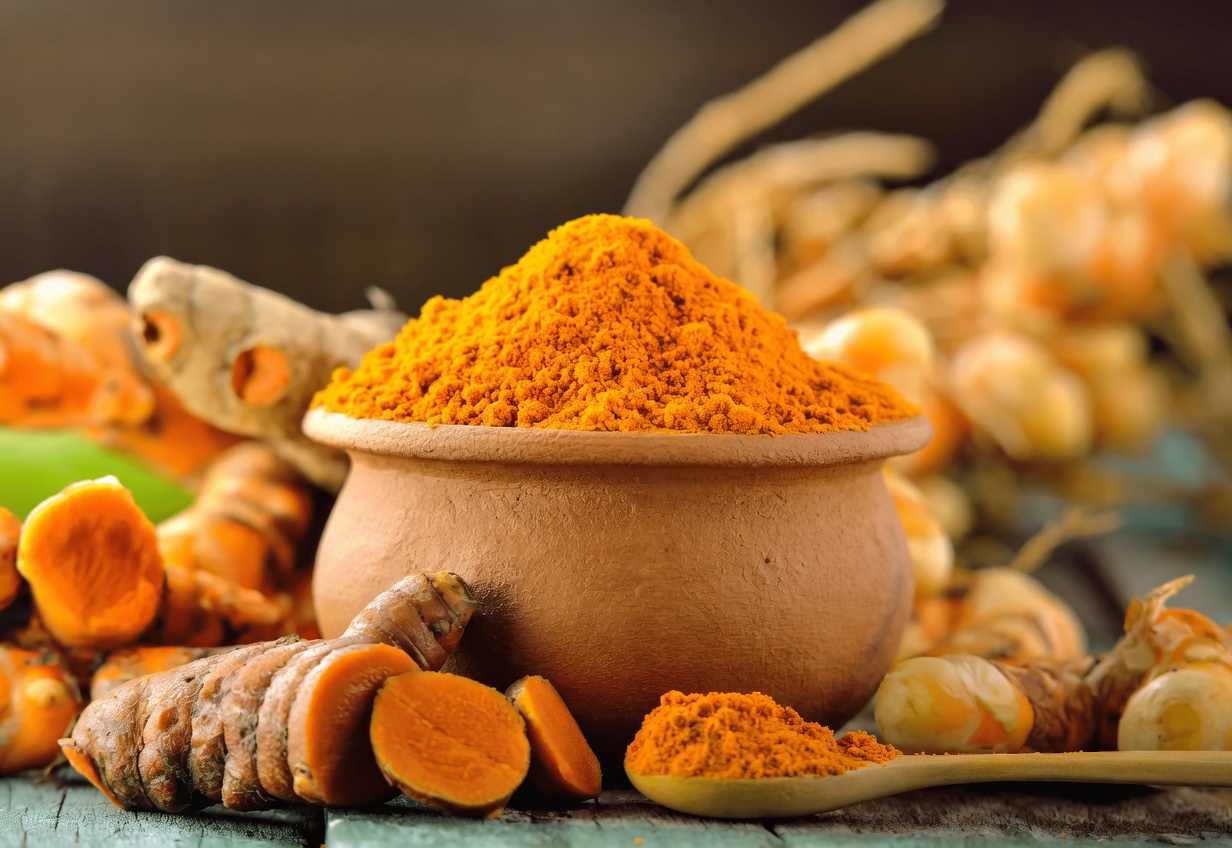
- Turmeric (with black pepper): Curcumin is widely studied for anti-inflammatory potential; black pepper can improve absorption
- Walnuts: A plant-based source of healthy fats plus polyphenols that support vascular health
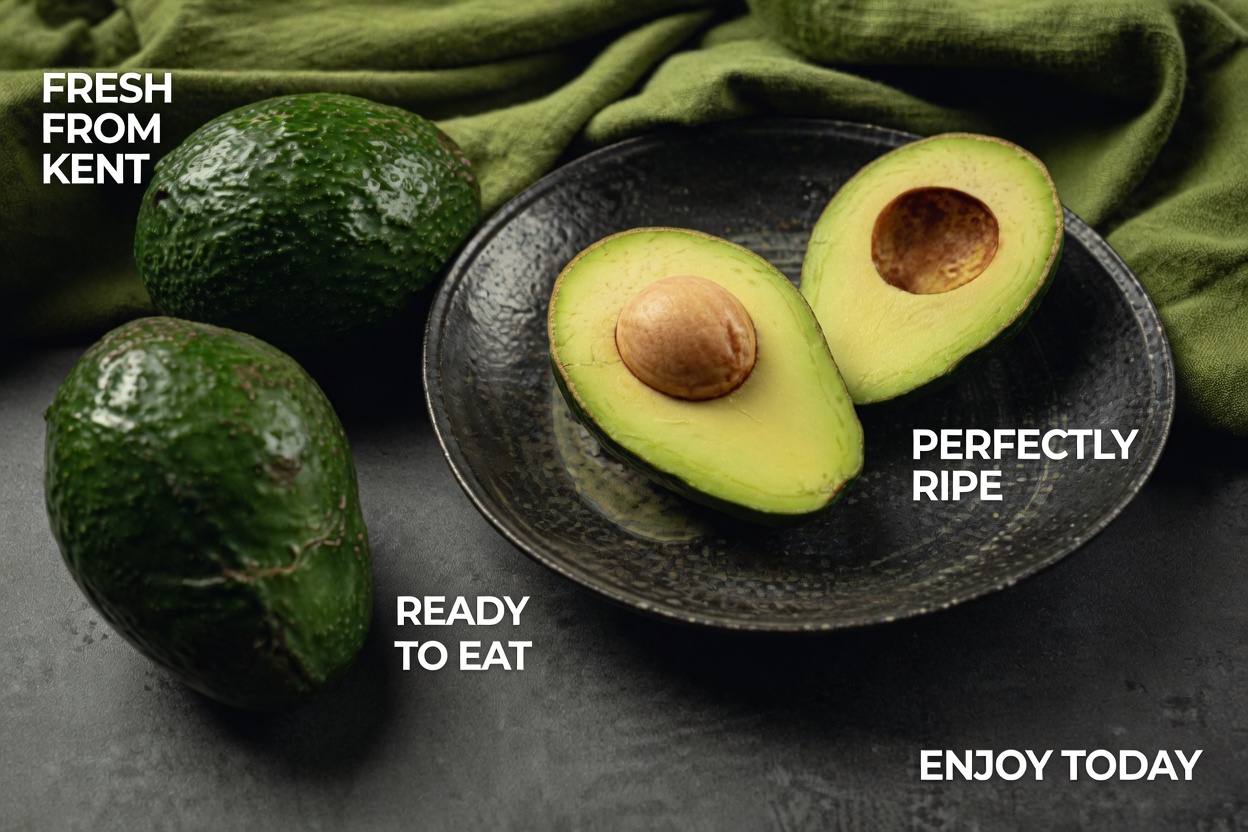
- Avocado: Rich in monounsaturated fats that help support flexible cell membranes and steady energy
A Simple 60-Day Plan to Add Foods for Brain Health
-
Weeks 1–2 (Evening habit)
- Focus foods: Dark chocolate + pumpkin seeds
- Daily goal: 20–30 g dark chocolate + one handful of seeds
- Track: energy level, evening clarity
-
Weeks 3–4 (Build the foundation)
- Add: Blueberries + fatty fish 2–3×/week
- Daily/weekly goal: ½ cup berries daily + 4–6 oz fish per serving
- Track: memory recall, mood steadiness
-
Weeks 5–8 (Sharpen and stabilize)
- Add: Green tea + walnuts daily
- Daily goal: 1–2 cups tea + ~1 oz walnuts
- Track: overall focus and mental sharpness
Common Brain Complaints vs. Food-Based Support
-
Afternoon fog
- Typical move: more coffee
- Food advantage: steadier nutrients from seeds + omega-3s
-
Occasional forgetfulness
- Typical move: memory apps only
- Food advantage: antioxidant support that helps protect brain cells (e.g., blueberries)
-
Mood ups and downs
- Typical move: skipping meals or inconsistent eating
- Food advantage: minerals and healthy fats that support balance (e.g., pumpkin seeds, avocado, fish)
-
Low evening motivation
- Typical move: sugary snacks
- Food advantage: flavonoids and calming nutrients that don’t spike sugar (e.g., high-cacao dark chocolate)
Why These Foods Are Highlighted So Often
Research continues to clarify how nutrition affects circulation, inflammation, and brain signaling. Dr. Amen’s large-scale review of brain scans suggests that people who consistently choose nutrient-dense foods often show healthier activity patterns than those who rely on ultra-processed diets.
The biggest “secret” is not perfection—it’s consistency, plus choosing foods you genuinely enjoy so the habit lasts.
Quick Check-In
- Which challenge feels most relevant right now: brain fog, focus, memory, or mood?
- Are any of these foods already part of your routine?
- Ready for the timing strategy that connects everything?
Final Thoughts: Small Food Choices, Real Momentum
Picture starting the day with clearer thinking, more stable energy, and greater confidence in your mental performance. Adding enjoyable foods for brain health can be a realistic, evidence-aligned approach that many people find sustainable.
Start tonight: try a small square of high-cacao dark chocolate or a handful of pumpkin seeds. Pay attention to how you feel over the next few weeks—small steps can compound into meaningful change.
Frequently Asked Questions
-
How quickly will I notice results from foods for brain health?
It varies, but many people notice subtle improvements in clarity, mood, or energy within a few weeks when they’re consistent. -
Can I use these foods if I have dietary restrictions?
Many options are naturally gluten-free and flexible. If you have allergies, medical conditions, or specific restrictions, choose alternatives that fit your needs and check with your clinician. -
Do I need supplements instead of whole foods?
Whole foods provide multiple nutrients that work together. Many experts—including Dr. Amen—encourage a food-first approach whenever possible.
Disclaimer: This content is for informational purposes only and does not provide medical advice. Consult a qualified healthcare professional before making major dietary changes, especially if you have medical conditions or take medications. Individual results vary.