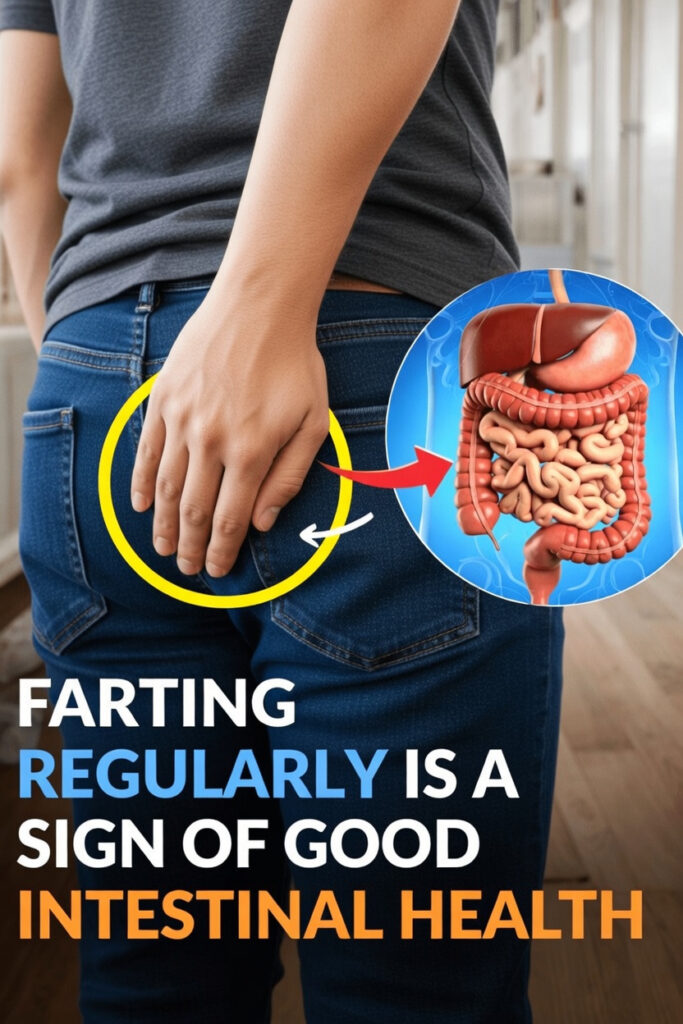
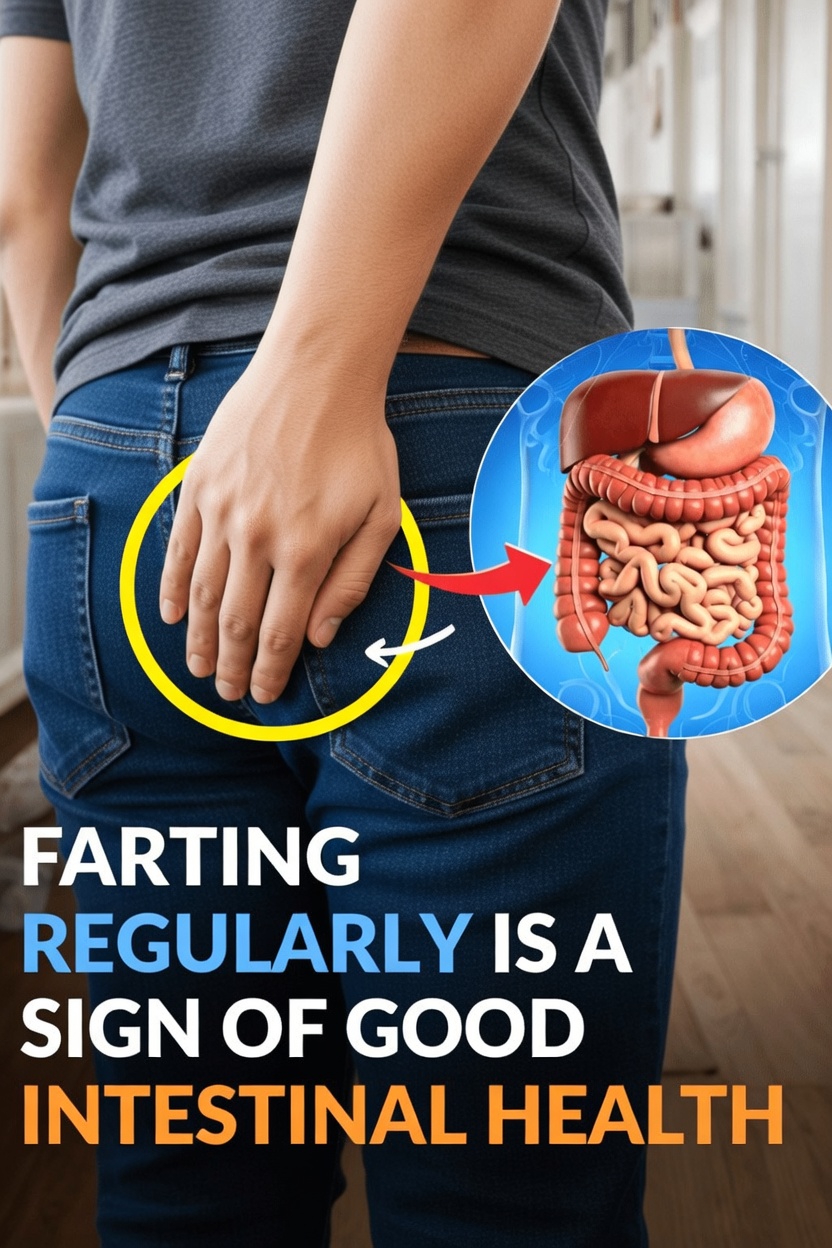
Why Passing Gas Is More Important Than You Think
Everyone does it, but many people still feel awkward about it. The urge to pass gas often seems to appear at the worst possible moment, which is why so many try to suppress it. While that may feel more socially acceptable, holding gas in can leave you feeling swollen, uncomfortable, and sometimes even in real abdominal pain.
The reassuring part is this: passing gas is a normal biological function and a healthy part of digestion. In fact, it can benefit your gut and reveal useful clues about your overall health. Even more surprisingly, one component of intestinal gas may offer insight into how the body helps protect cells. More on that shortly.
Passing Gas Means Your Digestive System Is Doing Its Job
Gas is produced when bacteria in the large intestine break down food that was not fully digested in the stomach or small intestine. This fermentation process naturally creates gas.
Medical professionals, including doctors such as Dr. Partha Nandi, have noted that regular gas passage is often a sign that the digestive tract is functioning as expected.
There is another side to this as well. If you rarely or never pass gas, it may suggest that your diet is low in fiber and complex carbohydrates, which are essential for healthy digestion. In many cases, a reasonable amount of gas is actually a sign that beneficial digestive activity is taking place.
What Gas Can Tell You About Your Diet
Passing gas can be a useful indicator of what you are eating. Diets rich in fruits, vegetables, legumes, and whole grains tend to generate more gas because these foods contain complex carbohydrates that are not completely broken down before reaching the colon.
Once there, gut bacteria ferment them, producing gas in the process.
Foods that commonly lead to more gas include:
- Beans and lentils
- Broccoli, cabbage, and other cruciferous vegetables
- Onions and garlic
- Whole grains such as oats and wheat
- Dairy products for people who digest them well
- Fruits like apples and pears
If you notice increased gas after eating these nutrient-dense foods, that is often a positive sign. It usually means your body is receiving the fiber needed to support regular bowel movements and a healthy gut microbiome. By contrast, refined or simple carbohydrates often create less gas but generally provide fewer digestive benefits.

Fast Relief From Bloating and Abdominal Pressure
That tight, overly full feeling after eating is often caused by gas becoming trapped in the intestines. As the pressure builds, bloating and cramping can follow.
Passing gas helps release that pressure.
When gas leaves the body naturally, bloating often decreases quickly and discomfort improves. Clinical experience and research both suggest that keeping gas trapped inside can make symptoms worse and may even cause visible abdominal swelling.
That sense of relief after passing gas is not your imagination. It is simply your body restoring balance.
Why Holding It In Is Not Ideal for Your Colon
Many people try to hold gas in during work meetings, social events, or dates. While understandable, doing this repeatedly or for long periods is not the best choice for digestive comfort.
Gas that stays trapped can irritate the intestines and may worsen issues such as hemorrhoids. Letting it pass when possible reduces pressure in the lower digestive tract and helps your colon function more comfortably.
In short, your body is usually better off when you do not force it to keep gas inside.
Excessive or Strong-Smelling Gas Can Send Useful Signals
Gas can also serve as feedback from your body. If you often experience excessive gas after eating certain foods, it may point to a food sensitivity or intolerance.
Common examples include:
- Lactose intolerance
- Difficulty digesting fructose
- Reactions to certain high-fiber or fermentable foods
These situations may also come with bloating, loose stools, or stomach discomfort.
Tracking when symptoms occur can be helpful. If the same foods repeatedly trigger problems, speaking with a doctor may be worthwhile. A food diary or elimination plan may help identify the cause more clearly.
Understanding these patterns can make it easier to adjust your diet with more confidence.
Gas and the Health of Your Gut Microbiome
One of the most overlooked benefits of passing gas is what it may suggest about your gut bacteria.
A diverse, active microbiome often produces more gas because beneficial bacteria are busy fermenting fiber and generating compounds that support health. That may not always feel convenient, but it frequently means your gut ecosystem is active and well nourished.
Research shows that prebiotic-rich foods can support healthier digestion and a stronger microbiome, even if they also increase gas. In return, these microbes contribute to:
- Immune system support
- Vitamin production
- Better regulation of inflammation
- Improved digestive balance
So while more gas may sometimes feel annoying, it can also reflect positive activity happening in your digestive system.

The Surprising Link Between Fart Odor and Cellular Protection
Now for the unexpected part.
Some of the smell associated with gas comes from hydrogen sulfide, the compound often responsible for the familiar rotten-egg odor. In large amounts, hydrogen sulfide is toxic. However, animal research has explored whether tiny amounts may actually play a protective role in the body.
Early findings suggest that small doses could help support mitochondria, the structures that produce energy in cells, and may have antioxidant-like properties. Human evidence is still limited, and more research is needed, but it offers an intriguing perspective on why the body creates these gases in the first place.
That does not mean unpleasant smells should be celebrated, but it does add a fascinating scientific angle to something most people would rather ignore.
Simple Ways to Support Healthy Digestion
If you want to improve digestion while minimizing discomfort, these habits can help:
- Increase fiber gradually so your gut has time to adapt
- Drink enough water throughout the day
- Chew food thoroughly to aid digestion and reduce swallowed air
- Add probiotic foods such as yogurt, kefir, or sauerkraut
- Take a brief walk after meals to stimulate digestion and help gas move through naturally
- Manage stress, since anxiety can affect digestion and gas production
These small daily habits can make digestion smoother and reduce the discomfort that sometimes comes with increased gas.
Final Thoughts
Passing gas is not something to feel ashamed about. It is a natural function that helps release pressure, reflects digestive activity, and may even provide insight into your gut health. In many cases, it is a sign that your digestive system and microbiome are working exactly as they should.
The next time you feel the urge, remember that your body is simply doing what it was designed to do. When possible, allow it to happen naturally and pay attention to the signals it may be giving you about your health.
Frequently Asked Questions
How often is it normal to pass gas each day?
For most people, passing gas around 14 to 25 times a day is considered normal. The number can be higher depending on what you eat. As long as it is not paired with pain or other concerning symptoms, it usually falls within a healthy range.
Does foul-smelling gas always mean there is a problem?
No. Foods such as eggs, meat, and sulfur-rich vegetables can naturally make gas smell stronger. However, if the odor changes significantly and is accompanied by other digestive problems, it may be worth discussing with a healthcare professional.
When should you speak with a doctor about gas?
You should seek medical advice if gas is accompanied by severe pain, ongoing diarrhea, unexplained weight loss, or blood in the stool. Otherwise, occasional increases in gas are often related to diet and normal digestion.