
Chronic Kidney Disease, Creatinine, and Why You Might Feel “Off” Without Knowing Why
Almost 37 million adults in the United States are living with chronic kidney disease (CKD)—and many don’t realize it until routine labs reveal higher creatinine or a lower estimated glomerular filtration rate (eGFR/GFR). Meanwhile, day-to-day symptoms can quietly build: afternoon exhaustion that feels heavier than normal, ankle swelling that makes shoes tighter, or puffy eyes that appear without a clear reason.
These changes aren’t always “just stress” or “getting older.” They can be signals that your kidneys are under extra strain. The encouraging part is that simple, research-supported lifestyle habits may help lower creatinine naturally and support kidney function and GFR, often improving how you feel along the way.

Many people chase quick fixes and end up disappointed. In contrast, steady, gentle, evidence-based adjustments—the kind you can maintain—are often what makes the difference.
Why Creatinine Goes Up—and Why GFR Affects Your Energy
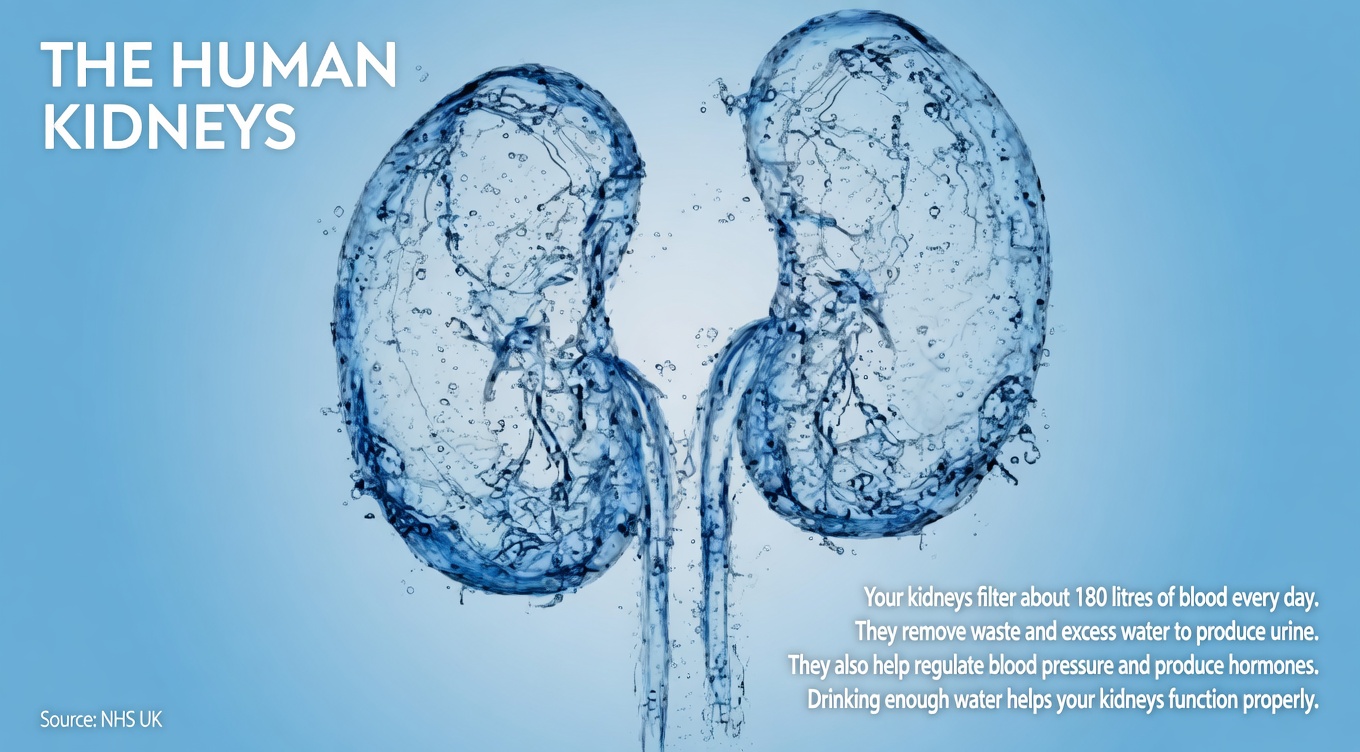
Your kidneys filter roughly 200 liters of blood per day, removing waste products while keeping what your body needs. Creatinine is a normal waste product from muscle metabolism. When kidney filtration slows, creatinine can accumulate in the bloodstream, and eGFR can decline.
A lower GFR doesn’t only impact lab numbers. It can show up in real life as:
- Persistent fatigue
- Fluid retention (swollen ankles, puffiness)
- Feeling less comfortable in your clothes
- Mood changes and reduced motivation
Several factors can worsen creatinine levels or kidney workload, including dehydration, high-protein meals, and uncontrolled blood pressure. Supporting kidney health with consistent habits may reduce that daily drag and help you feel more like yourself.
1. Stay Properly Hydrated: A Foundational Step for Kidney Support
When you’re dehydrated, the blood becomes more concentrated, which can make creatinine appear higher and place additional strain on the kidneys. Regular hydration helps the kidneys move waste out more efficiently.
Practical ways to make hydration easier:
- Sip water steadily through the day instead of chugging all at once
- Add lemon or cucumber for flavor without added sugar
- Aim for balance—both too little and too much fluid can be problematic, depending on your condition
Many people notice less puffiness and more stable energy when hydration becomes consistent.

2. Emphasize Plant-Based Proteins and Cut Back on Excess Red Meat
Large portions of cooked red meat can temporarily increase creatinine because cooked meat contributes to higher creatinine production. Research shows that serum creatinine can rise noticeably after a cooked meat meal.
To reduce workload on the kidneys while still getting protein, consider shifting toward:
- Beans and lentils
- Tofu and other soy foods
- Vegetables and whole grains that support overall nutrition
This swap can support lower creatinine naturally and may help maintain a healthier GFR, while also reducing feelings of heaviness and swelling.
3. Reduce Alcohol to Lower Kidney Stress
Alcohol can increase blood pressure and add strain to the kidneys, contributing to fatigue and water retention. Cutting back often supports steadier filtration and may help creatinine improve over time.
Even small changes—fewer drinking days per week or smaller servings—can support better kidney function and energy.

4. Increase Dietary Fiber for Smoother Waste Handling
Higher fiber intake from whole foods is associated in research with improved inflammation markers and better metabolic waste management in people concerned about kidney health.
Easy fiber-forward options include:
- Oats
- Berries
- Apples
- Chia seeds
Improving fiber intake can support overall comfort and may help reduce the “run down” feeling that often accompanies poor recovery and inflammation.
5. Add Moderate, Consistent Movement (Walking or Yoga)
Gentle exercise supports circulation and helps regulate blood pressure, which can benefit the kidneys without excessively stressing muscles. Many people notice that moderate activity improves energy, swelling, and day-to-day function.
A realistic target:
- About 30 minutes most days, such as walking, light yoga, or easy cycling
Consistency matters more than intensity.

6. Support Healthy Blood Pressure and Blood Sugar Levels
Over time, uncontrolled blood pressure and blood sugar can damage the kidneys’ filtering structures, contributing to higher creatinine and reduced GFR.
Lifestyle building blocks that help protect filtration include:
- Balanced meals with vegetables and fiber
- Regular movement
- Reduced highly processed foods
- Maintaining consistent routines (meals, sleep, activity)
When these habits improve, many people also report noticeable gains in energy and less fluid retention.
7. Use Stress-Reduction Habits to Ease the Load on the Body
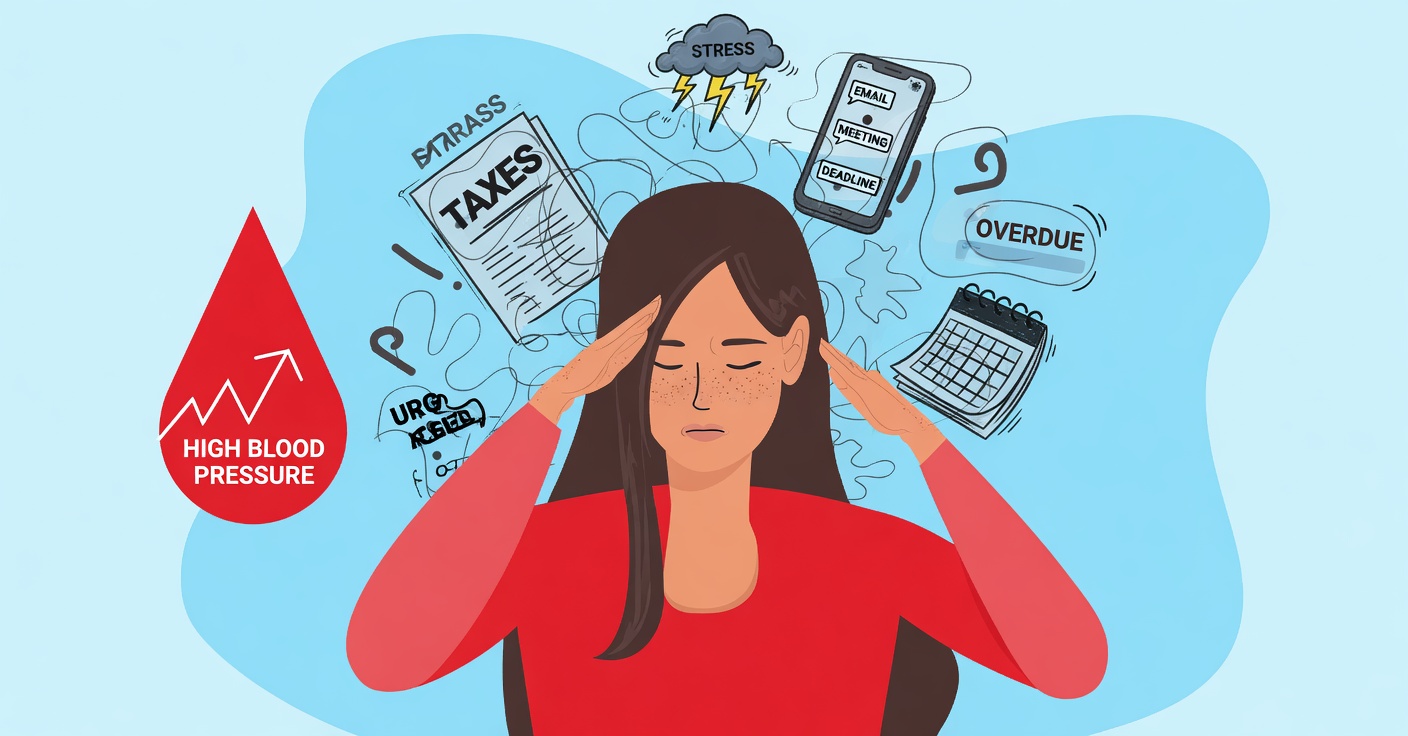
Chronic stress increases stress hormones that can negatively influence blood pressure, inflammation, and kidney workload. Simple daily practices can reduce this pressure.
Options that fit into a busy schedule:
- 10 minutes of slow breathing
- Mindfulness or guided relaxation
- Short breaks outdoors or quiet walks
Reducing stress may support kidney-friendly physiology while also improving mood and motivation.
8. Prioritize High-Quality Sleep for Overnight Repair
Poor sleep can disrupt hormones and recovery processes that influence kidney function, inflammation, appetite regulation, and fluid balance—often worsening fatigue and swelling.
Aim for:
- 7–9 hours per night, with consistent bed and wake times
- A darker, cooler room
- Reduced caffeine later in the day
Better sleep often translates to waking with less puffiness and more usable energy.
9. Aim for Gradual, Sustainable Weight Management
Carrying excess weight can increase pressure on the kidneys and contribute to elevated creatinine over time. Slow, steady changes typically work best and are easier to maintain.
Helpful approaches include:
- Smaller portions of calorie-dense foods
- More fiber-rich meals
- Daily walking
- Less alcohol and sugary drinks
As the burden on the kidneys eases, many people notice better comfort, less swelling, and more vitality.
10. Avoid Substances That Can Stress the Kidneys
Certain over-the-counter products can harm kidney filtration, especially when used frequently or at high doses. Common examples include NSAID pain relievers and some supplements.
A safer approach:
- Read labels carefully
- Avoid unnecessary supplements
- Ask a clinician or pharmacist before adding new products
11. Consider Gentle Herbal Options—Only With Professional Guidance
Some herbs (such as nettle leaf or cinnamon) have traditional use related to fluid balance and metabolic support. However, herbs can interact with medications and may not be appropriate for certain kidney conditions.
If you want to explore herbal options:
- Discuss them with a qualified healthcare professional first
- Avoid self-prescribing, especially if you have CKD or take prescription medications
12. Find Your Personal “Fluid Sweet Spot”
Hydration needs are not identical for everyone—especially for people with kidney disease, heart conditions, or swelling issues. Both dehydration and fluid overload can affect comfort and creatinine readings.
To find the right balance:
- Pay attention to thirst, swelling, and urine color/frequency
- Work with a clinician for individualized guidance, particularly if you’ve been told to limit fluids
Common Daily Challenges and the Most Helpful Natural Supports
-
Persistent fatigue
- Key strategies: hydration, moderate movement, sleep, fiber
- Potential benefits: steadier energy and better recovery
-
Swelling and puffiness
- Key strategies: reduce excess salt and heavy animal-protein intake, hydrate appropriately, consider clinician-approved supportive options
- Potential benefits: less fluid retention and improved comfort
-
Elevated creatinine
- Key strategies: plant-forward proteins, higher fiber, avoiding kidney-stressing substances
- Potential benefits: smoother waste handling and reduced strain
-
Declining GFR
- Key strategies: blood pressure/blood sugar support, exercise, gradual weight management
- Potential benefits: stronger long-term filtration support
Lifestyle Changes vs. Medical Approaches
-
Lifestyle-based strategies
- Benefits: sustainable, whole-body support that can improve daily quality of life
- Considerations: results require consistency and time
-
Medical options
- Benefits: targeted treatments when clinically necessary
- Considerations: may involve side effects and require monitoring
Imagine how you might feel in a month: waking with less heaviness, moving more comfortably, and having energy that lasts longer into the day. Starting with just one step—like a daily walk or a fiber-rich breakfast—can support kidney function and help lower creatinine naturally over time.
Frequently Asked Questions
What everyday habits can help lower creatinine levels most?
For many people, the most practical starting points are consistent hydration, fiber-rich whole foods, and moderate movement.
Can natural habits actually support better GFR?
Research suggests that lifestyle foundations—especially blood pressure control, a balanced diet, and routine activity—can help support kidney filtration and slow further decline for many individuals.
How soon might fatigue or swelling improve?
Some people notice changes within a few weeks, especially with consistent hydration, sleep, and diet improvements. Results vary depending on the underlying cause and overall health.
Educational Notice
This article is for educational purposes only and is not medical advice. Kidney concerns can be serious. Always consult a healthcare professional before making significant diet, exercise, supplement, or medication changes—especially if you have diagnosed kidney disease or take prescription medications.