Low-Impact Exercises After 60: 5 Surgeon-Approved Moves for Stronger Joints, Better Balance, and More Confidence
For many adults over 60, joint stiffness, knee pain, and concerns about balance can make long walks feel intimidating—or even uncomfortable. When movement starts to hurt, it’s easy to do less, which may reduce daily independence and increase the risk of falls.
The encouraging news: targeted low-impact exercises after 60 can support joint health, muscle strength, and stability more effectively than relying on cardio alone. Orthopedic specialists often emphasize resistance training and balance work to protect long-term mobility.
Even better, the following five movements are simple, gentle, and can be done seated or with minimal standing—yet they may deliver bigger improvements than you’d expect.
1) Gentle Chair Yoga for Flexibility, Mobility, and Calm
Morning stiffness and reduced range of motion are common after 60, making everyday tasks—like reaching, bending, or turning—feel harder than they should. Chair yoga adapts classic poses to a seated position, helping you build flexibility and body awareness with minimal joint strain.
Try sitting tall in a stable chair, taking a slow breath in as you lift your arms overhead, then exhaling as you make a gentle twist to each side. Studies on modified yoga suggest it may help older adults improve balance and manage stress.
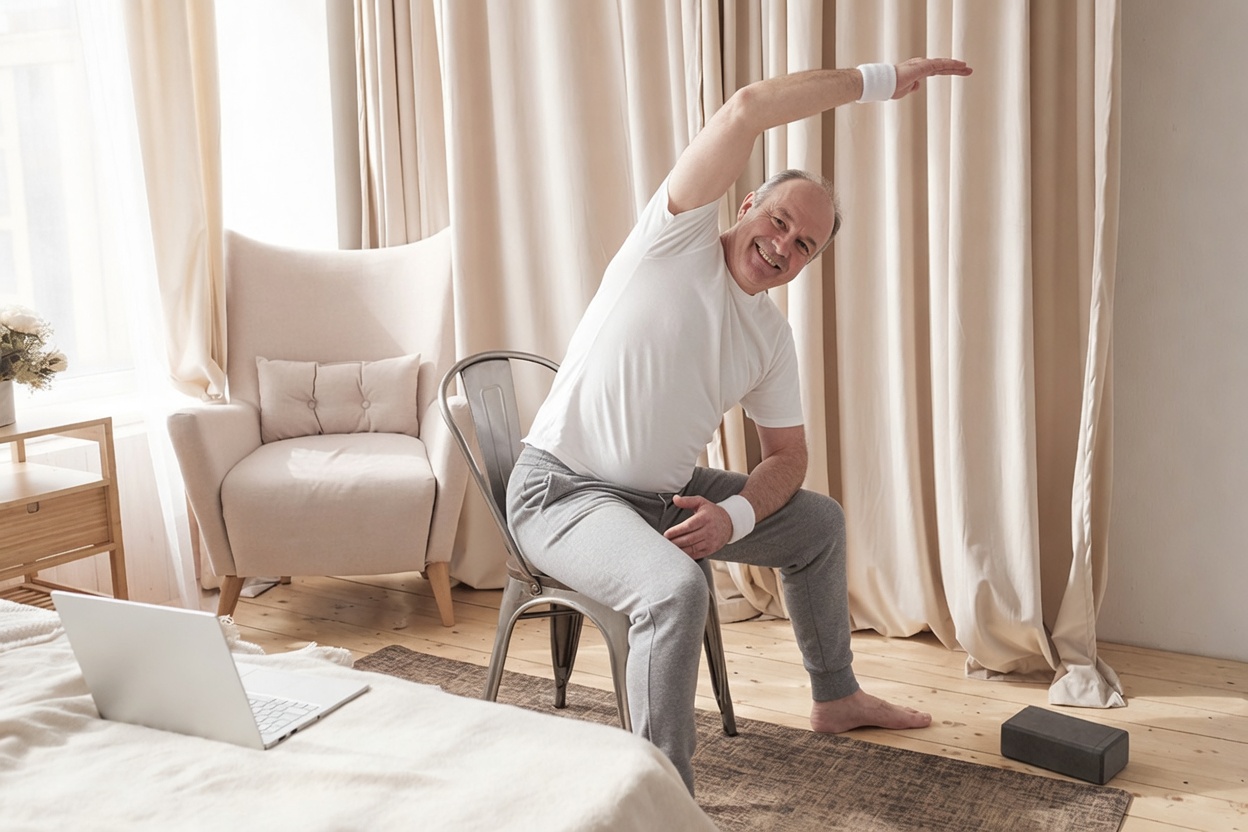
Many people also notice better posture and smoother daily movement—often within weeks of consistent practice.
2) Wall Push-Ups for Safe Upper-Body Strength
As we age, upper-body strength can decline, making tasks like carrying groceries, opening heavy doors, or pushing up from a chair feel more demanding. Wall push-ups are a joint-friendly version of traditional push-ups that strengthen the chest, shoulders, and arms without requiring you to support your full body weight.
Stand facing a wall, place your palms at shoulder height, and slowly bend your elbows to bring your chest closer to the wall. Then press back to start. Orthopedic guidance often favors this variation because it builds endurance while keeping impact low.
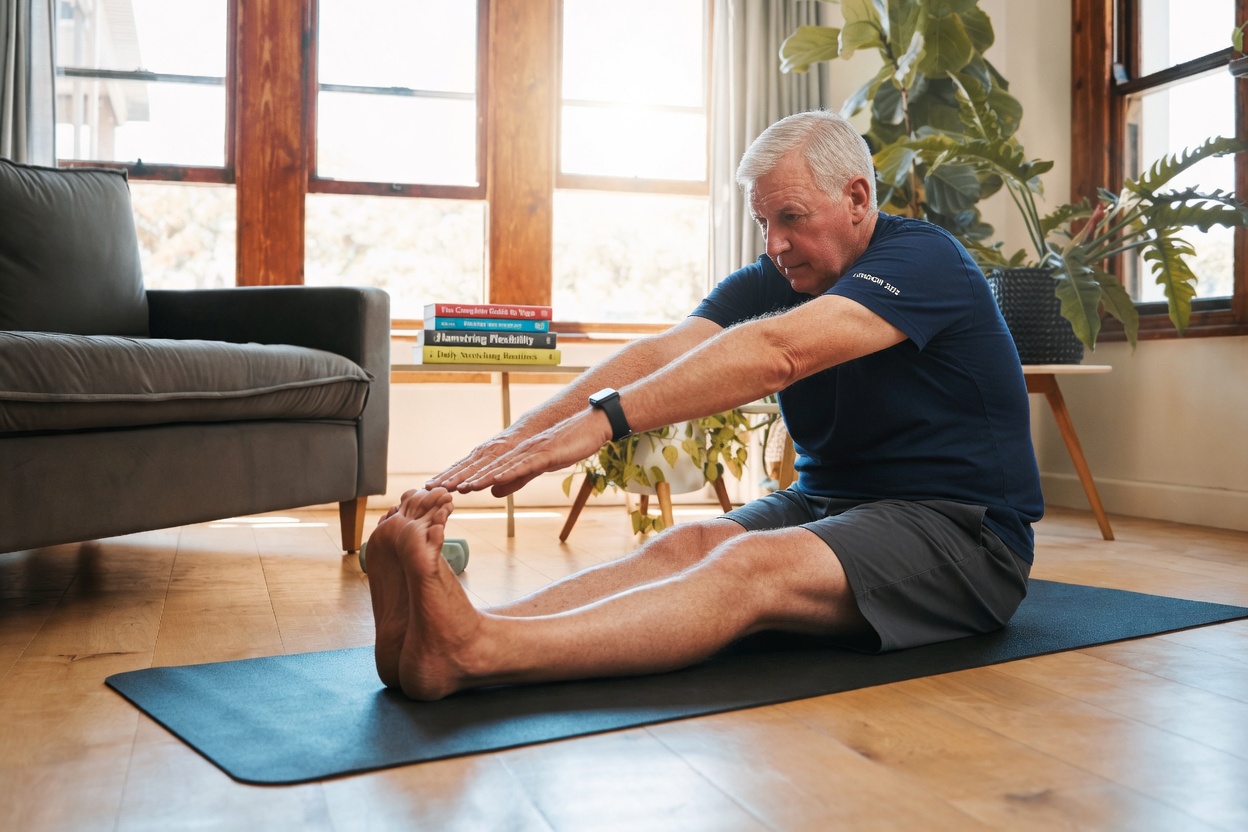
The movement is simple, but the strength gains can add up quickly when done regularly.
3) Seated Leg Lifts or Seated Marches for Lower-Body Power
Leg weakness is a major reason many adults feel unsteady when standing up, walking, or using stairs. Seated exercises after 60—like leg lifts and seated marching—target the quads, hips, and core without placing pressure on the joints through full weight-bearing.
Sit upright and either:
- Lift one knee at a time in a slow, controlled “march,” or
- Extend one leg straight, hold briefly, then lower and switch sides
Research suggests seated lower-body training can support circulation and improve stability—two essential factors for safer movement.
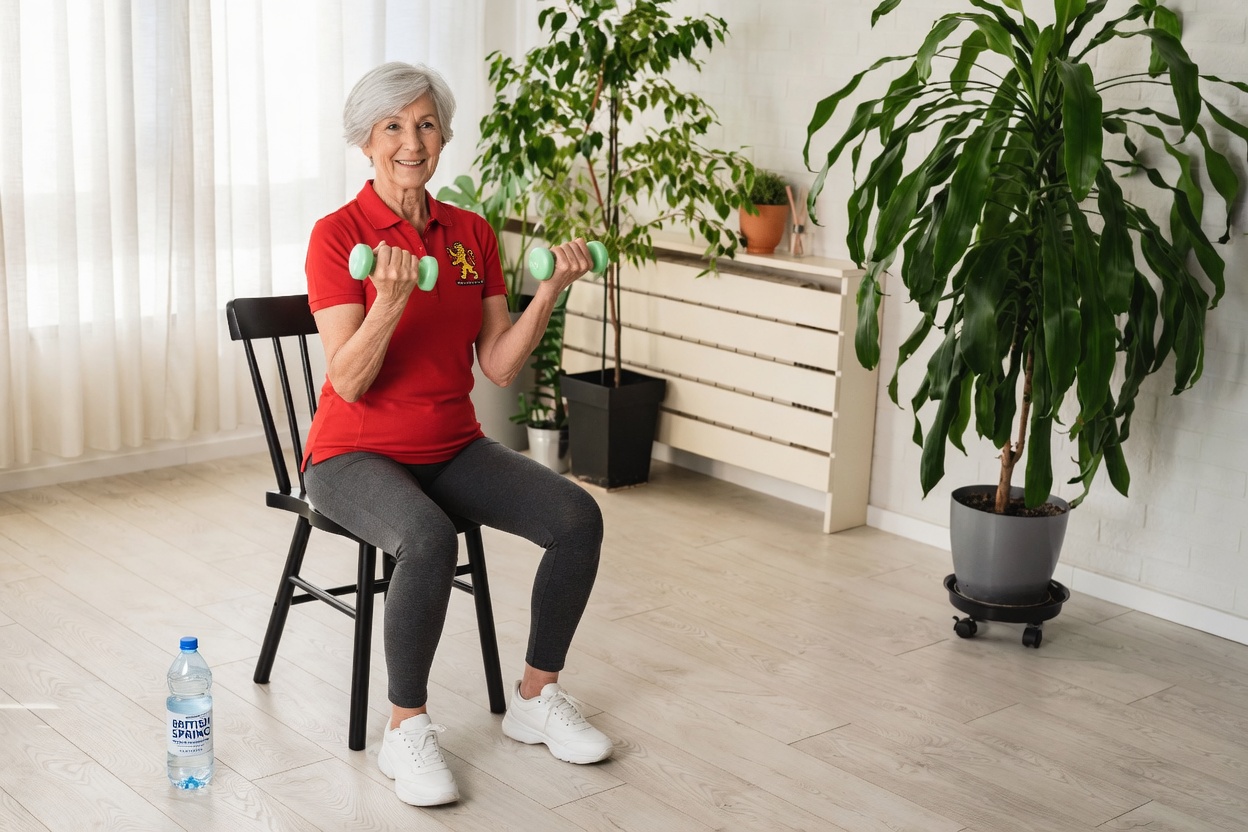
With consistency, many people report feeling noticeably steadier when standing and walking.
4) Glute Bridges for Core Strength and Back Support
Lower-back discomfort and posture issues can affect walking confidence after 60. Glute bridges strengthen the glutes, core, and supportive muscles around the hips—often reducing stress on the lower spine when done with good form.
Lie on a comfortable surface, bend your knees, and place your feet flat. Squeeze your glutes to lift your hips gently, pause briefly, then lower with control. (If getting to the floor is difficult, start with easier progressions and build up.)
Evidence links stronger glutes to improved mobility and better spinal support, which can translate into more comfortable daily movement.
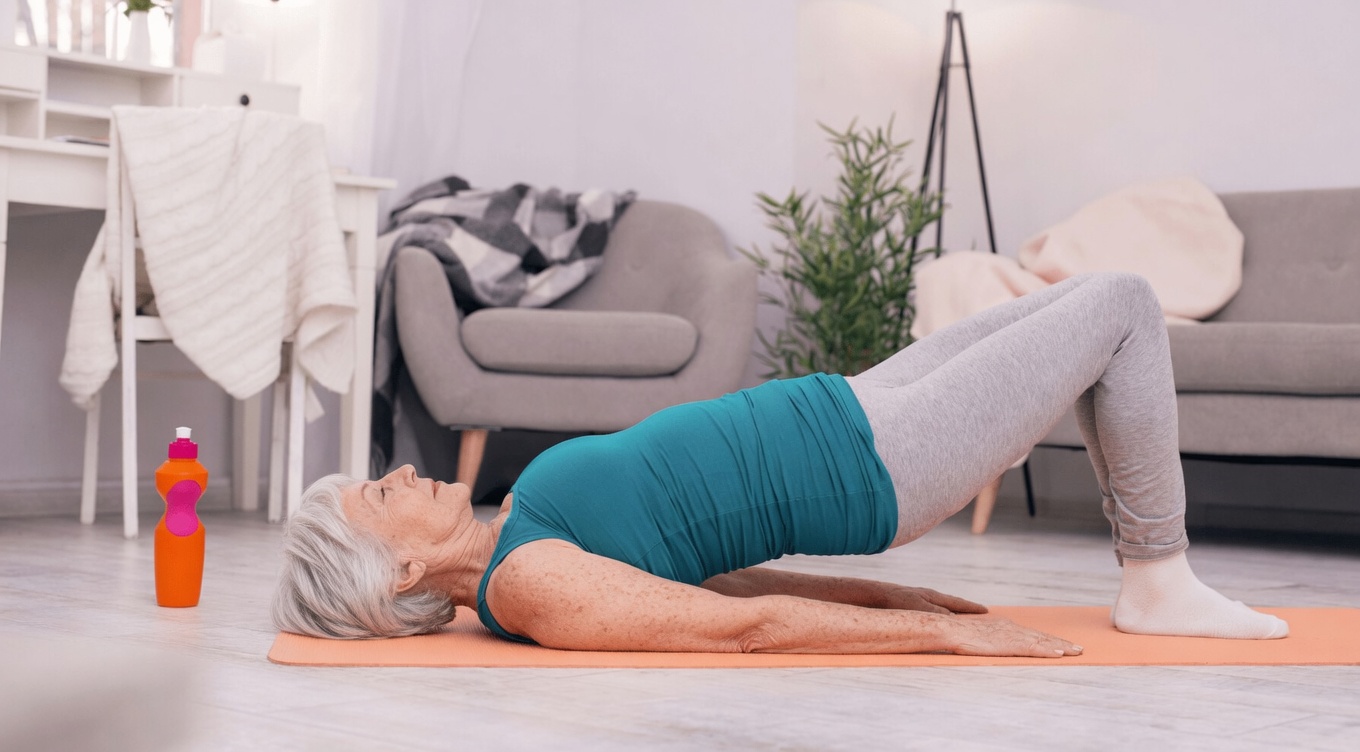
This exercise becomes a favorite for many because it supports activities like standing, climbing stairs, and walking with less strain.
5) Resistance Band Pulls for Posture and Upper-Back Strength
Rounded shoulders and upper-back weakness can contribute to slouching, stiffness, and discomfort. Resistance band exercises after 60, such as band pulls, strengthen the upper back and help restore more upright posture—without heavy weights.
Sit or stand tall, hold a light resistance band at chest height, and pull the band apart by moving your elbows back while squeezing your shoulder blades together. Research consistently shows resistance training helps preserve muscle mass and improve alignment in older adults.
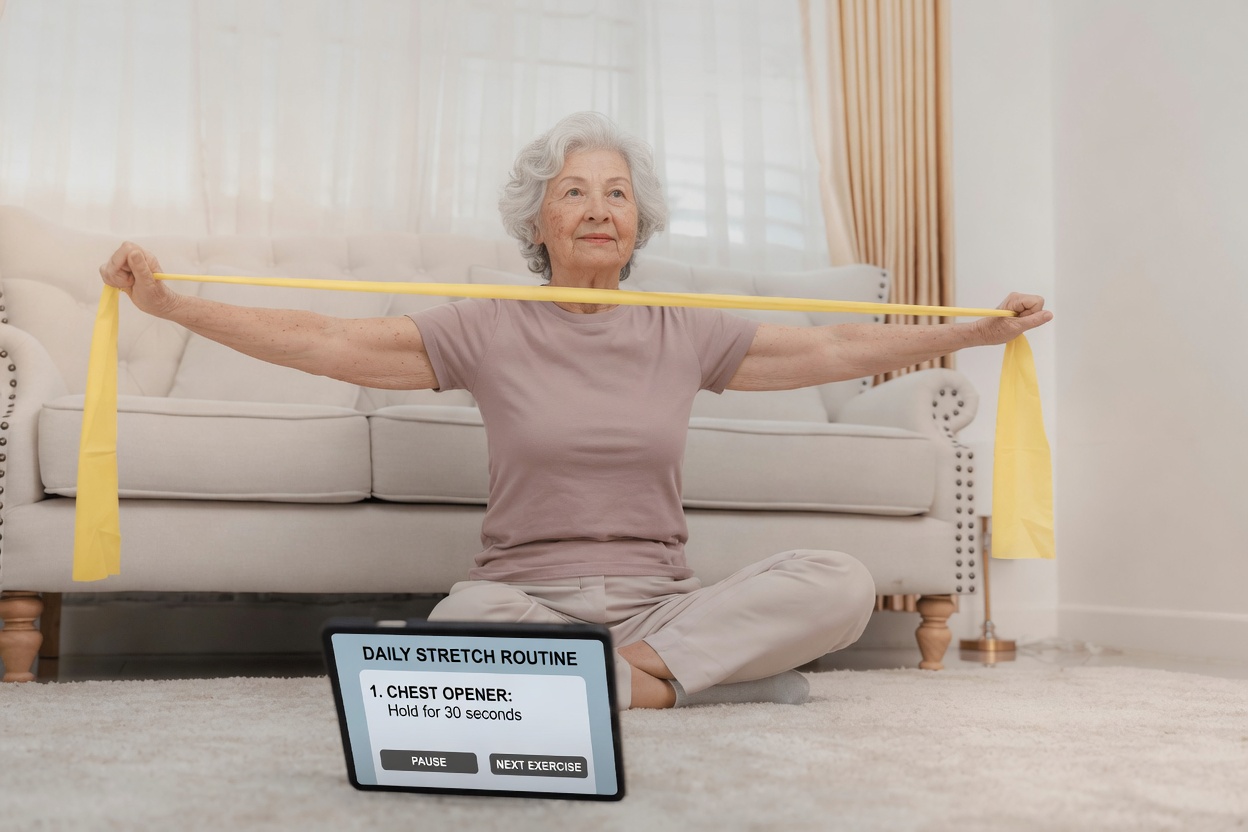
A small, inexpensive band can make a meaningful difference in how your back and shoulders feel over time.
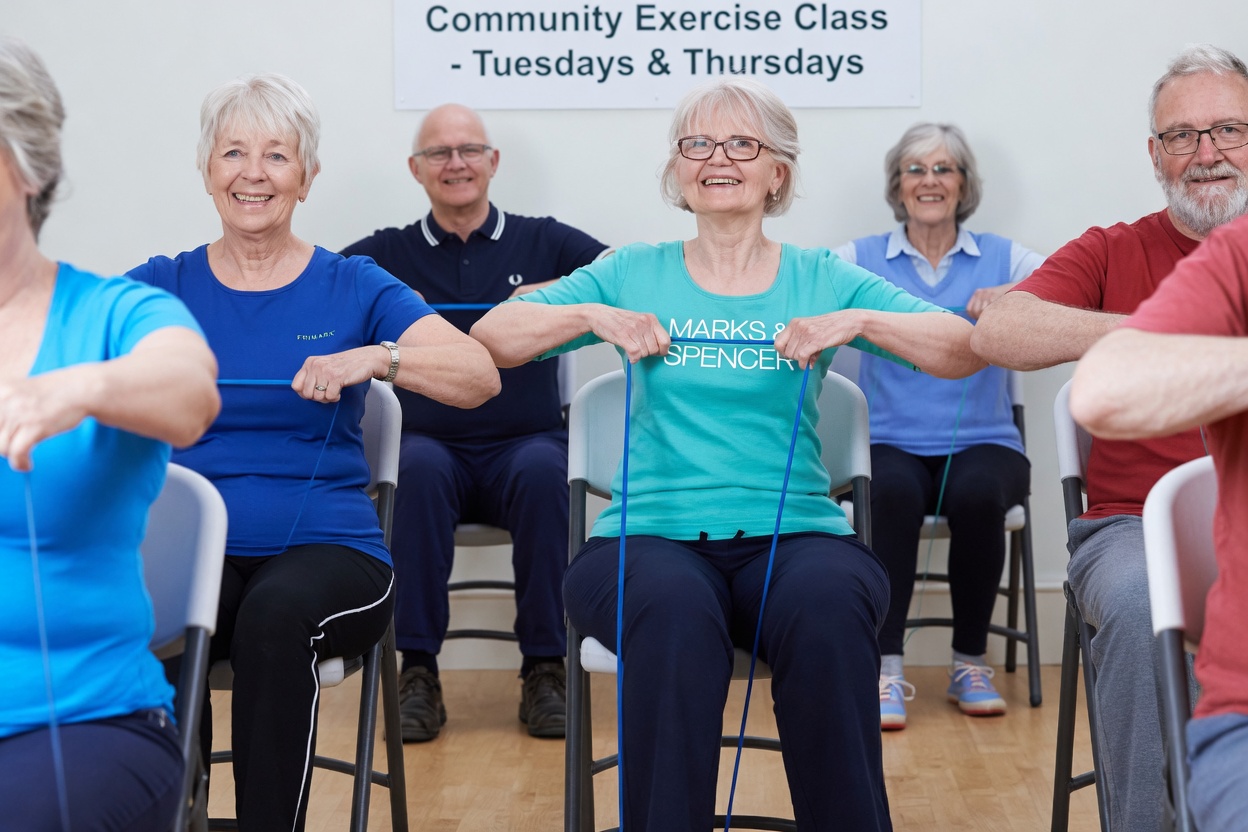
How These Low-Impact Exercises After 60 Compare
-
Chair Yoga
- Benefits: Flexibility, balance, relaxation
- Level: Beginner-friendly
- Equipment: Sturdy chair
-
Wall Push-Ups
- Benefits: Upper-body strength, endurance
- Level: Easy standing option
- Equipment: Wall
-
Seated Leg Lifts / Seated Marches
- Benefits: Leg strength, circulation, stability
- Level: Fully seated
- Equipment: Chair
-
Glute Bridges
- Benefits: Glute strength, core support, back support
- Level: Adjustable (start easy, progress gradually)
- Equipment: Optional mat
-
Resistance Band Pulls
- Benefits: Posture, upper-back strength
- Level: Seated or standing
- Equipment: Light resistance band
Safe Ways to Start Exercises After 60
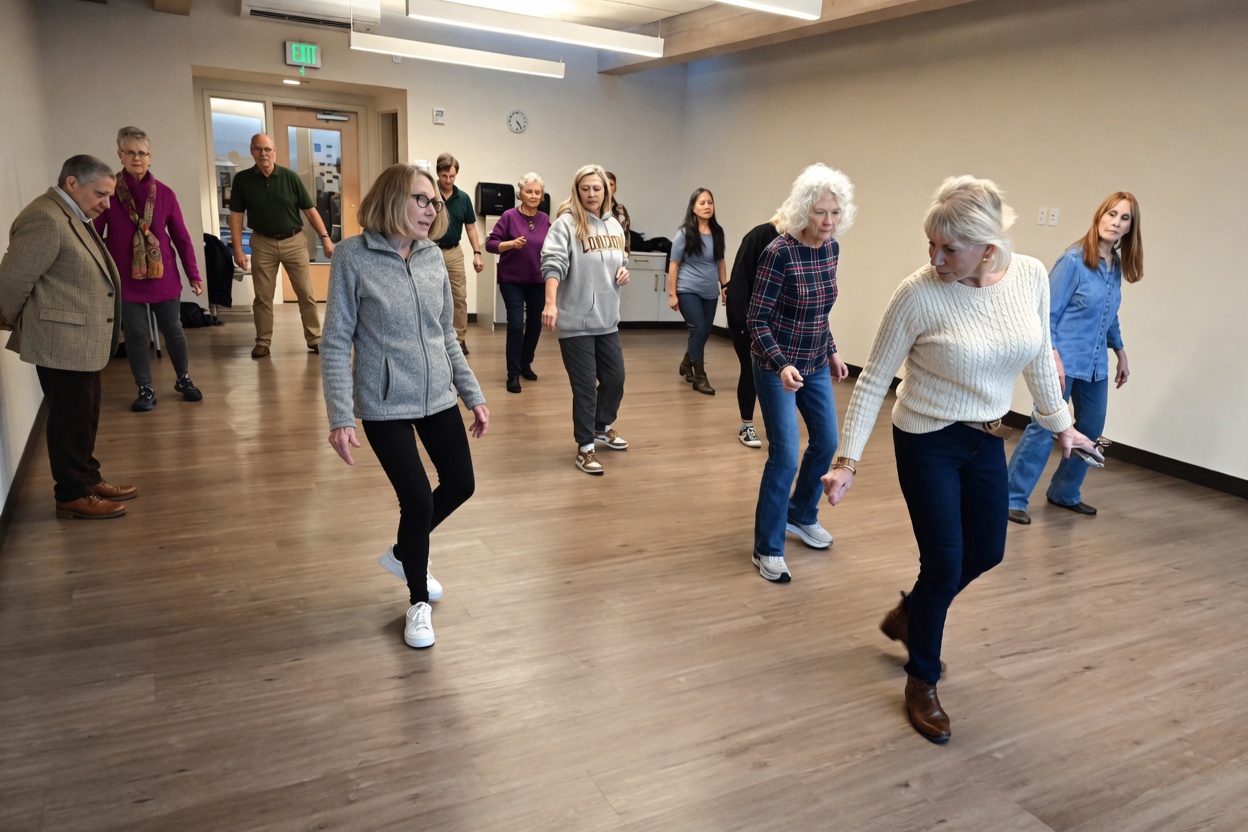
If you’re ready to begin, the key is to move slowly, build confidence, and avoid overdoing it.
- Check with a professional first: Talk with your doctor or physical therapist, especially if you have joint pain, balance issues, or medical conditions.
- Warm up gently (2–3 minutes): Try ankle rolls, shoulder circles, or easy marching in place.
- Start small: Pick one exercise, do 8–10 repetitions, 2 sets, about 3 days per week.
- Pay attention to pain signals: Mild muscle effort is normal; sharp or sudden pain is not.
- Progress gradually: Increase repetitions, add a short pause, or improve control as you get stronger.
- Stay consistent: Even 10–15 minutes most days can lead to real improvements.
Deep breathing and good hydration can make your routine feel easier and more sustainable.
Walking has benefits, but it doesn’t always build the strength and stability that matter most after 60. These surgeon-recommended low-impact exercises after 60 focus on what supports independence: stronger muscles, steadier balance, and joint-friendly movement.
Frequently Asked Questions
Can I do these exercises after 60 if I have arthritis?
Many people with mild arthritis do well with low-impact movements. Start gently, reduce range of motion if needed, and consult your healthcare provider for personalized adjustments.
How often should I do these low-impact exercises after 60?
A practical target is 2–3 sessions per week, with rest days as needed. Regular practice matters more than high intensity.
Do I need special equipment for exercises after 60?
Most moves require only a sturdy chair and a wall. A light resistance band and an exercise mat are optional but helpful and affordable.
Medical Disclaimer
This article is for informational purposes only and does not replace professional medical advice. Always consult a qualified healthcare provider before starting a new exercise program, especially if you have existing health concerns.