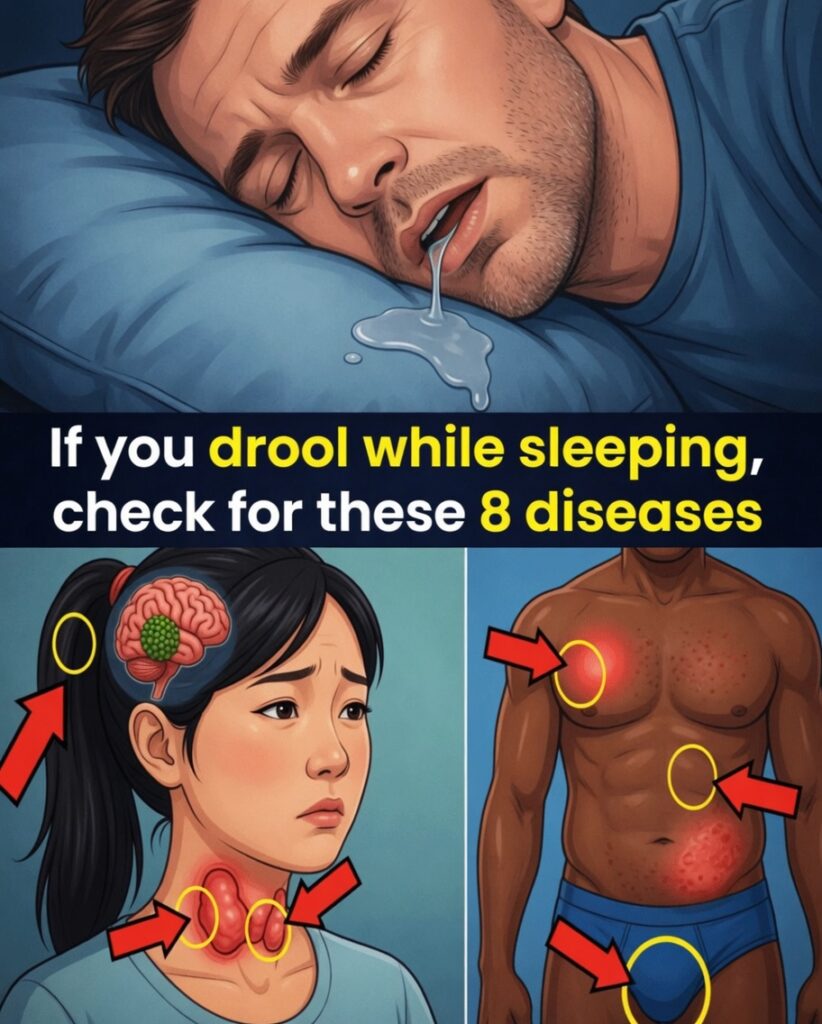
Waking Up With a Wet Pillow: Why Nighttime Drooling Happens (and Why It Matters)
Waking up to a damp pillow and dried saliva at the corner of your mouth can feel uncomfortable—and, for many people, embarrassing. When drooling during sleep becomes frequent, it may interrupt your rest, irritate the skin around your lips, and even make you anxious about sharing a bed or traveling.
While occasional drooling at night is common, persistent drooling can sometimes point to issues that affect breathing, digestion, or neurological function. The upside: once you understand the likely causes, small, targeted changes often make a noticeable difference—and one often-overlooked tip near the end can help more than most people expect.
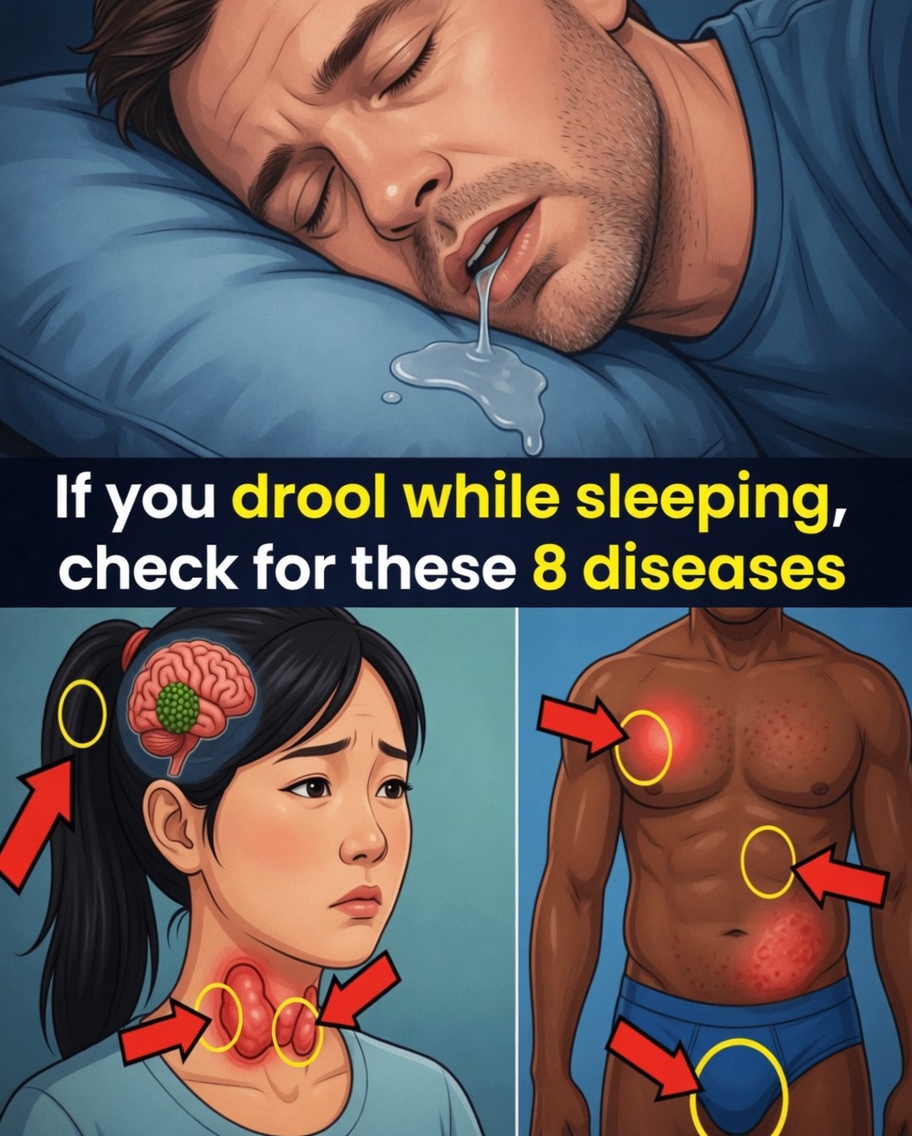
Why Drooling Often Gets Worse at Night
Your body produces saliva around the clock. It protects tooth enamel, supports oral health, and helps with digestion. During sleep, however, a few normal changes make saliva more likely to escape:
- Swallowing slows down, so saliva is less frequently cleared from the mouth.
- Jaw and throat muscles relax, making it easier for the lips to part.
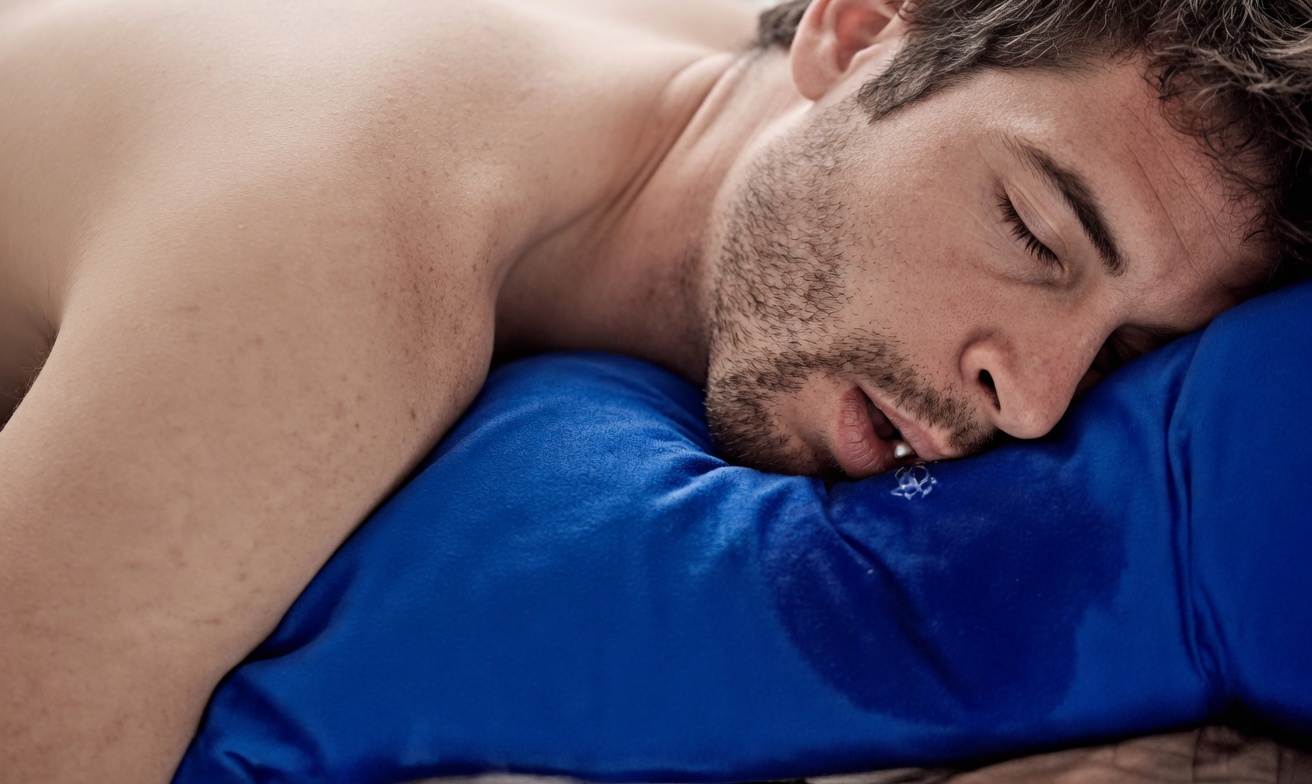
- Gravity takes over, especially if you sleep on your side or stomach, allowing saliva to pool and leak out.
- Mouth breathing increases drooling, because an open-mouth posture makes it harder to keep saliva contained—an association frequently noted by leading clinical sources such as the Cleveland Clinic.
If you’re dealing with regular nighttime drooling, the next step is to look at what might be amplifying these natural sleep-related effects.
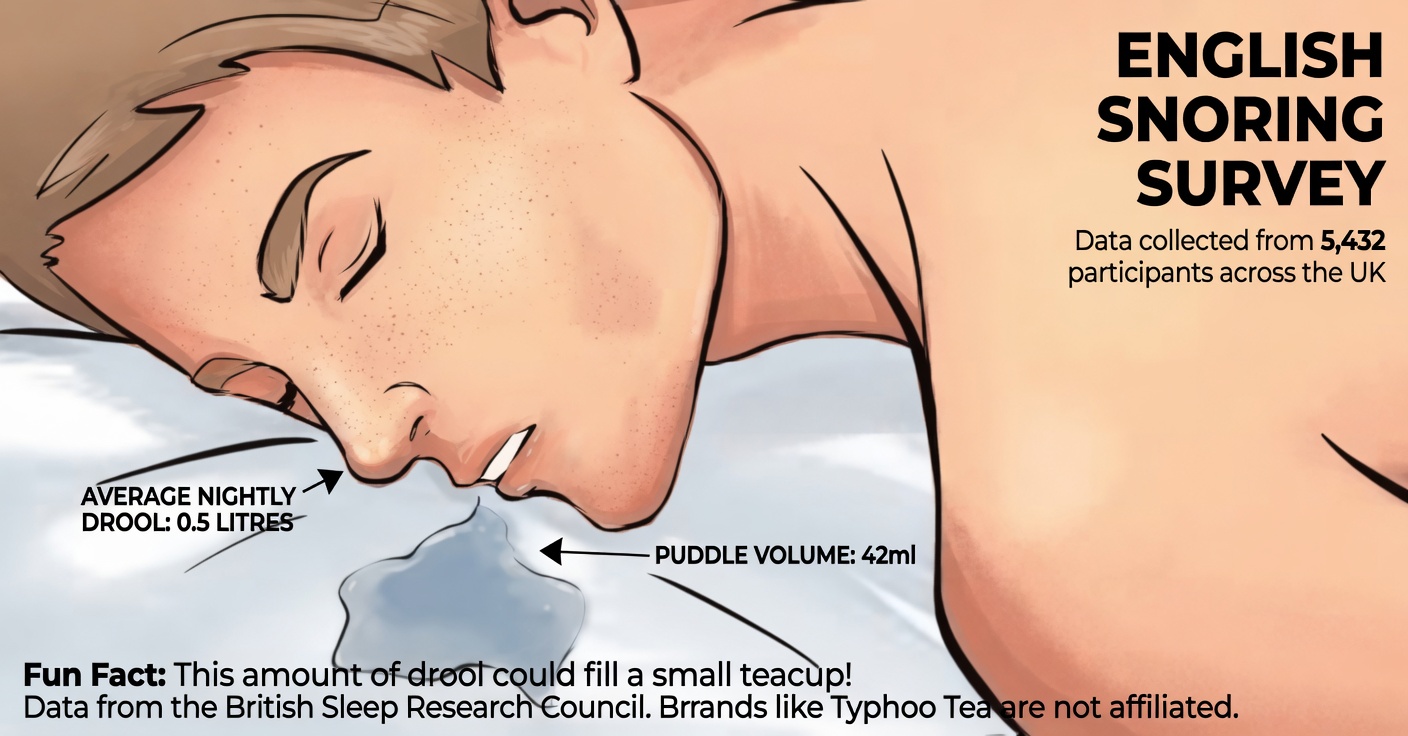
8 Conditions Commonly Linked to Drooling While Sleeping in Adults
Drawing on guidance and clinical insights aligned with organizations such as the Mayo Clinic, Cleveland Clinic, and the American Academy of Sleep Medicine, these are common conditions that can contribute to drooling during sleep.
8) Nasal Congestion or Sinus Problems
When your nose is blocked, you naturally switch to mouth breathing, which increases the chance of drooling at night. Common triggers include:
- Seasonal allergies
- Colds or respiratory infections
- Chronic sinusitis or long-term nasal obstruction
If drooling while sleeping frequently occurs alongside stuffy mornings, poor sleep quality, or daytime fatigue, addressing nasal airflow can bring meaningful relief.
7) Gastroesophageal Reflux Disease (GERD)
GERD can stimulate extra saliva production as your body tries to neutralize stomach acid. When you lie down, reflux may worsen, which can lead to:
- Increased saliva at night
- Interrupted sleep
- Burning discomfort or heartburn
- Occasional coughing or “choking” sensations
If drooling happens together with reflux symptoms, managing GERD often reduces nighttime saliva buildup.
6) Medication Side Effects
Some medications can increase saliva flow or reduce oral muscle control during sleep. In clinical practice, drugs sometimes associated with drooling include certain treatments used for:
- Psychiatric conditions (including some antipsychotics)
- Neurocognitive disorders (including some Alzheimer’s medications)
If drooling began soon after starting or changing a prescription, it’s worth discussing with a clinician—adjusting timing, dose, or medication choice may help.

5) Obstructive Sleep Apnea (OSA)
Obstructive sleep apnea can promote drooling because airway collapse often leads to:
- Mouth breathing
- Open-mouth sleeping posture
- Snoring
- Repeated sleep disruption and poor-quality rest
Many people notice drooling alongside loud snoring and daytime sleepiness. Because OSA is common and treatable, persistent symptoms deserve evaluation.
4) Infections or Throat Irritation
Throat infections and irritation can overwhelm normal swallowing, especially at night. Examples include:
- Tonsillitis
- Sore throat from viral or bacterial illness
- Post-nasal drip that increases mucus and saliva
These causes are often temporary, but the combination of inflammation + increased secretions can make drooling much more noticeable until the underlying issue resolves.

3) Stroke or a Recent Neurological Event
A stroke can cause weakness or reduced control of the facial and mouth muscles, which may lead to sudden-onset drooling—sometimes more noticeable during sleep. Warning signs that should never be ignored include:
- Facial asymmetry
- Speech changes
- New weakness, numbness, or coordination problems
If drooling appears abruptly alongside any neurological symptoms, urgent medical evaluation is essential.
2) Parkinson’s Disease
In Parkinson’s disease, drooling is often related less to “overproduction” and more to reduced swallowing frequency and impaired coordination. It may occur alongside:
- Tremor
- Stiffness
- Slower movement
- Changes in facial expression or speech
Research frequently reports drooling as a common symptom in Parkinson’s, and early recognition can support better management and quality of life.
1) Other Neurological Conditions
Several neurological conditions can interfere with the nerves and muscles that control swallowing and lip closure, including:
- ALS
- Multiple sclerosis
- Cerebral palsy
In these cases, drooling may gradually worsen and can significantly affect comfort, sleep, and confidence. Persistent drooling paired with progressive weakness or coordination changes should be discussed with a healthcare professional.
Quick Guide: Potential Causes and Common Clues
| Potential linked condition | Why it may cause drooling | Often accompanied by |
|---|---|---|
| Sleep apnea, nasal congestion | Mouth breathing, open-mouth posture | Snoring, fatigue, poor sleep |
| GERD, infections | Increased saliva/secretions, irritation | Heartburn, sore throat, coughing |
| Medications, stroke | Reduced control or altered reflexes | Speech changes, weakness, new symptoms |
| Parkinson’s and other neurological conditions | Swallowing/muscle coordination issues | Tremor, stiffness, progressive changes |
Real-Life Examples: When Recognition Leads to Improvement
- Laura, 58 noticed worsening drooling along with heavy snoring, low energy, and poor mood. A sleep study identified obstructive sleep apnea. After starting CPAP therapy, her drooling decreased significantly and her daytime energy improved.
- David, 65 saw drooling increase during periods of nighttime reflux. After adjusting his diet and routine to better control GERD, his sleep improved and the drooling became far less frequent.
These situations highlight an important point: drooling is often a symptom, not a standalone problem—and addressing the root cause can change daily life quickly.
What to Do If Drooling Keeps Happening (Safe, Practical Steps)
Occasional drooling is normal. But if it’s frequent—especially if it comes with fatigue, snoring, reflux, or new neurological symptoms—take it seriously and act early.
Try these steps:
- Keep a simple sleep diary for 1–2 weeks: note sleep position, nasal congestion, alcohol intake, reflux symptoms, snoring reports, and when drooling occurs.
- Adjust sleep position: for some people, sleeping on the back reduces pillow drool; for others, it worsens snoring or apnea—use your diary to guide what works.
- Support nasal breathing: consider saline rinses, allergy management, or nasal strips if congestion is a frequent trigger.
- Review medications with a clinician if the timing lines up with a new prescription or dose change.
- Seek evaluation if drooling is paired with loud snoring, choking/gasping at night, persistent heartburn, or any neurological warning signs.
When to seek help vs. what to try first
| If you notice… | Prioritize… |
|---|---|
| Snoring + daytime fatigue | Sleep diary + sleep apnea screening discussion |
| Sudden onset drooling | Note all new symptoms and seek urgent medical advice |
| Multiple symptoms (reflux, congestion, medication changes) | Bring a full list of meds and triggers to your appointment |
The Often-Overlooked Tip Many People Miss
If you regularly wake up with a wet pillow, don’t focus only on saliva—focus on airflow. Improving nasal breathing and reducing mouth breathing (by treating congestion, reflux triggers, or possible sleep apnea) is often the most effective way to reduce drooling long-term.