Dealing with gallstones can be intensely painful—often causing sharp abdominal attacks after meals, interrupting sleep, work, and daily routines. Because the discomfort can be so severe, gallbladder removal (cholecystectomy) may seem like the fastest route to relief. However, some people are surprised by what digestion can feel like afterward, including ongoing symptoms that can be frustrating or difficult to predict.
The encouraging part is that knowing what typically changes after gallbladder removal helps you set realistic expectations and make informed choices. Later in this guide, you’ll also find practical, doctor-approved lifestyle strategies that may help some people manage symptoms and support gallbladder health without rushing into surgery.
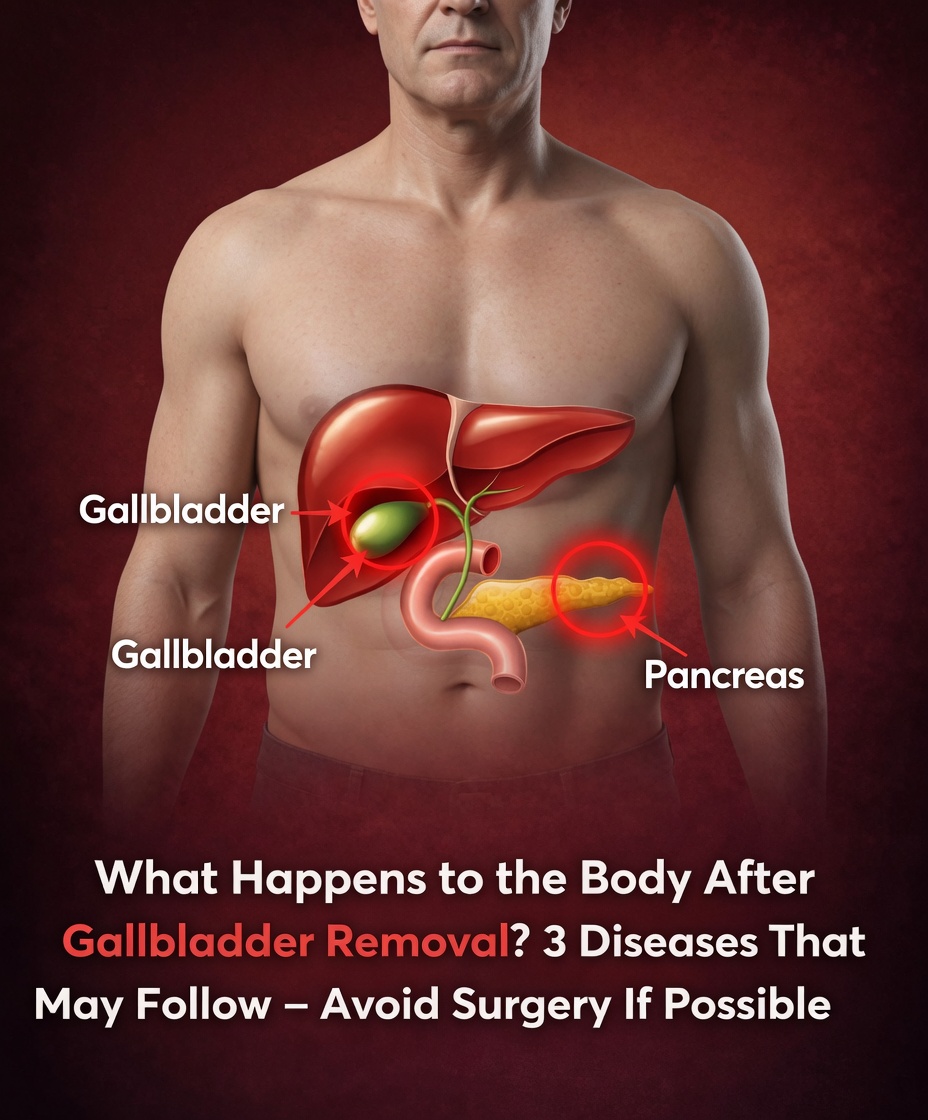
What the Gallbladder Does (and Why Gallstones Hurt)
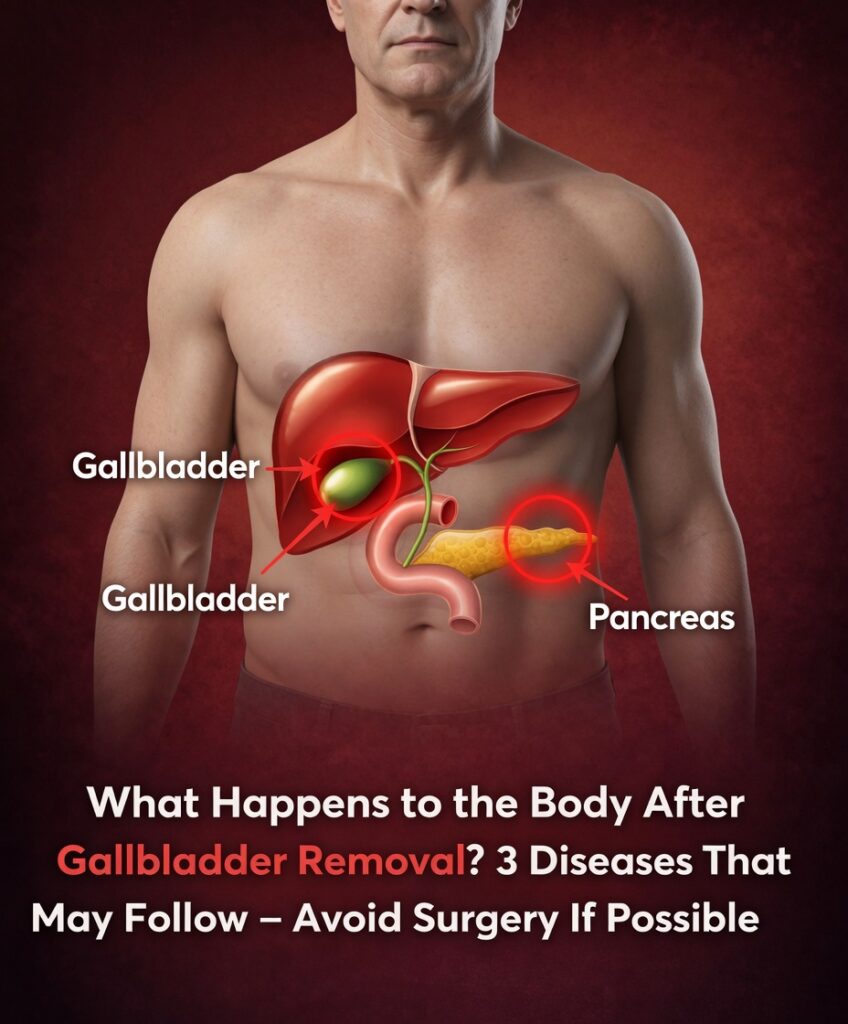
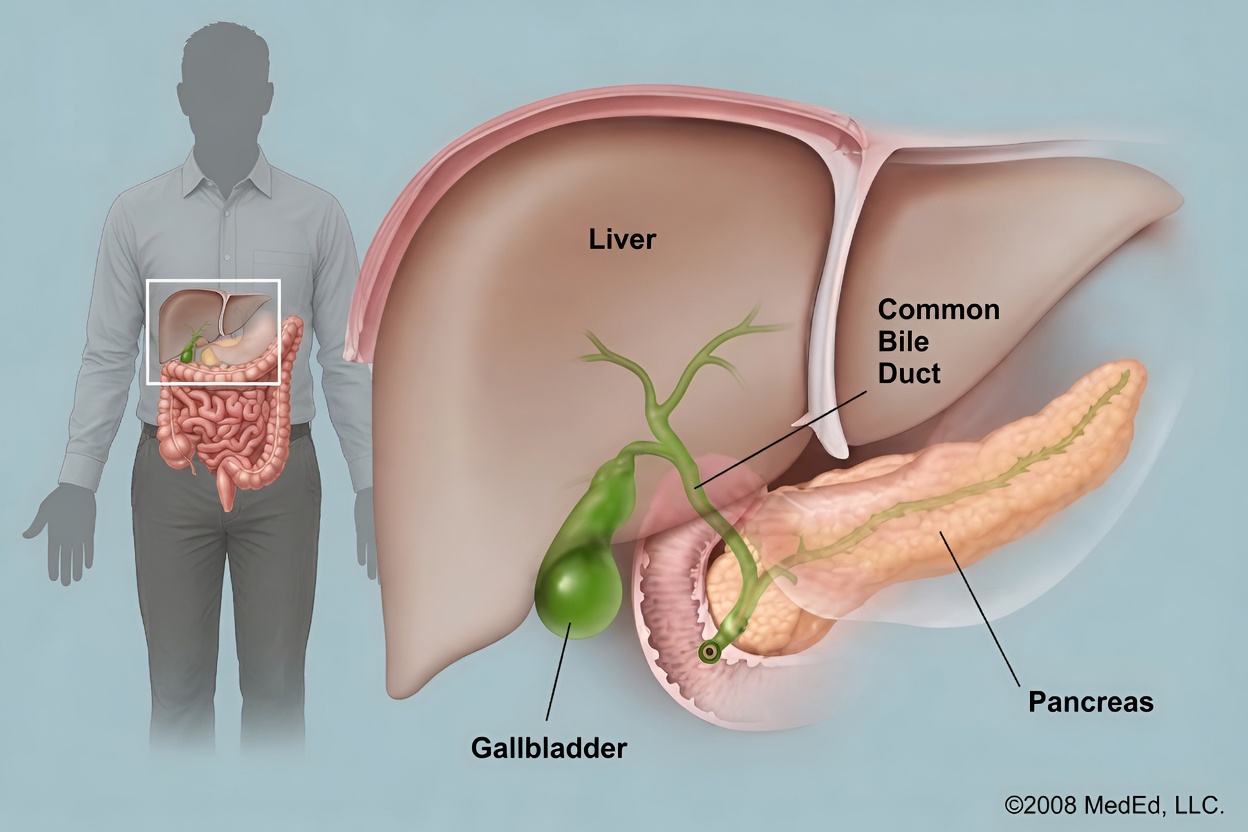
Your gallbladder is a small organ that stores bile produced by the liver and releases it when you eat—especially when a meal contains fat. Bile helps the body break down fats so they can be digested and absorbed.
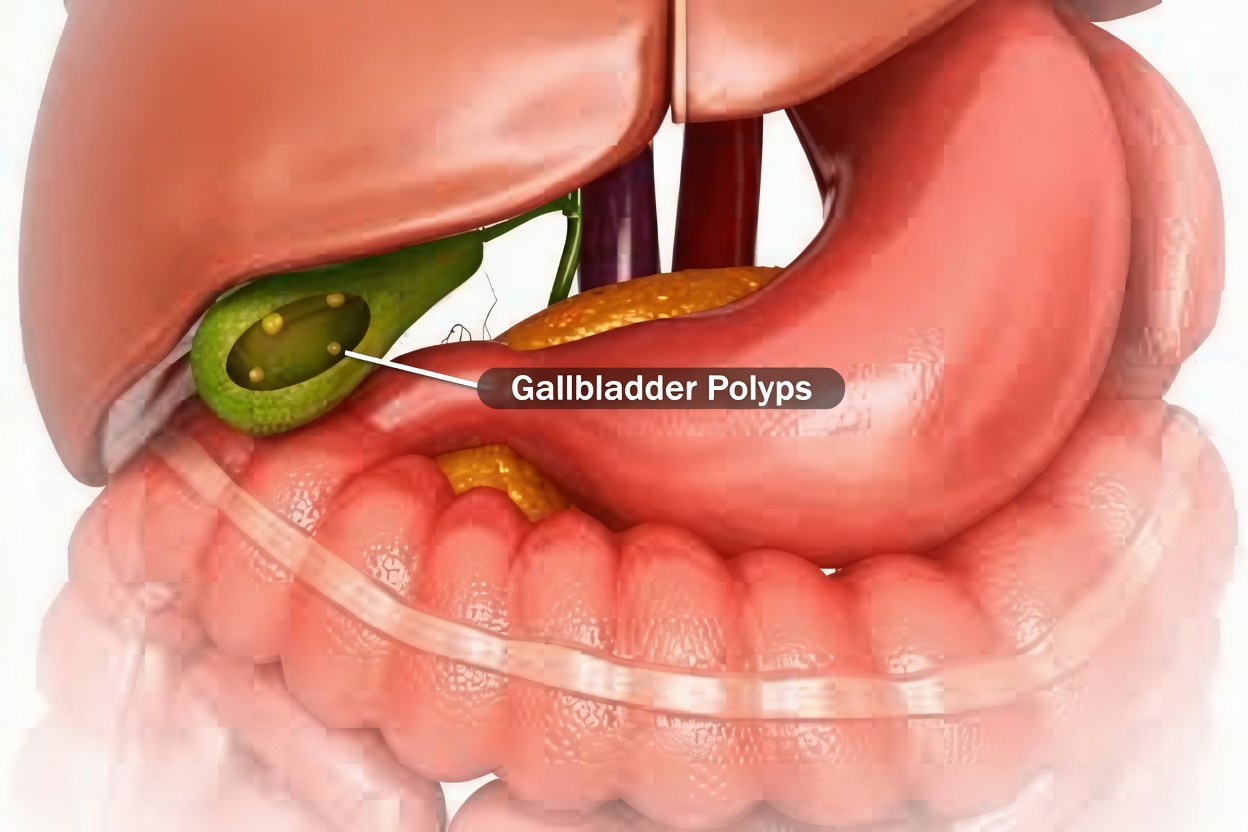
When gallstones block bile flow, pressure builds and can trigger severe pain, nausea, and digestive upset. This is why gallbladder problems can make eating feel risky and why surgery is often presented as a definitive solution.
After gallbladder removal, bile no longer has a storage “reservoir.” Instead, it drips continuously from the liver into the intestines, which can take time for the digestive system to adapt to.
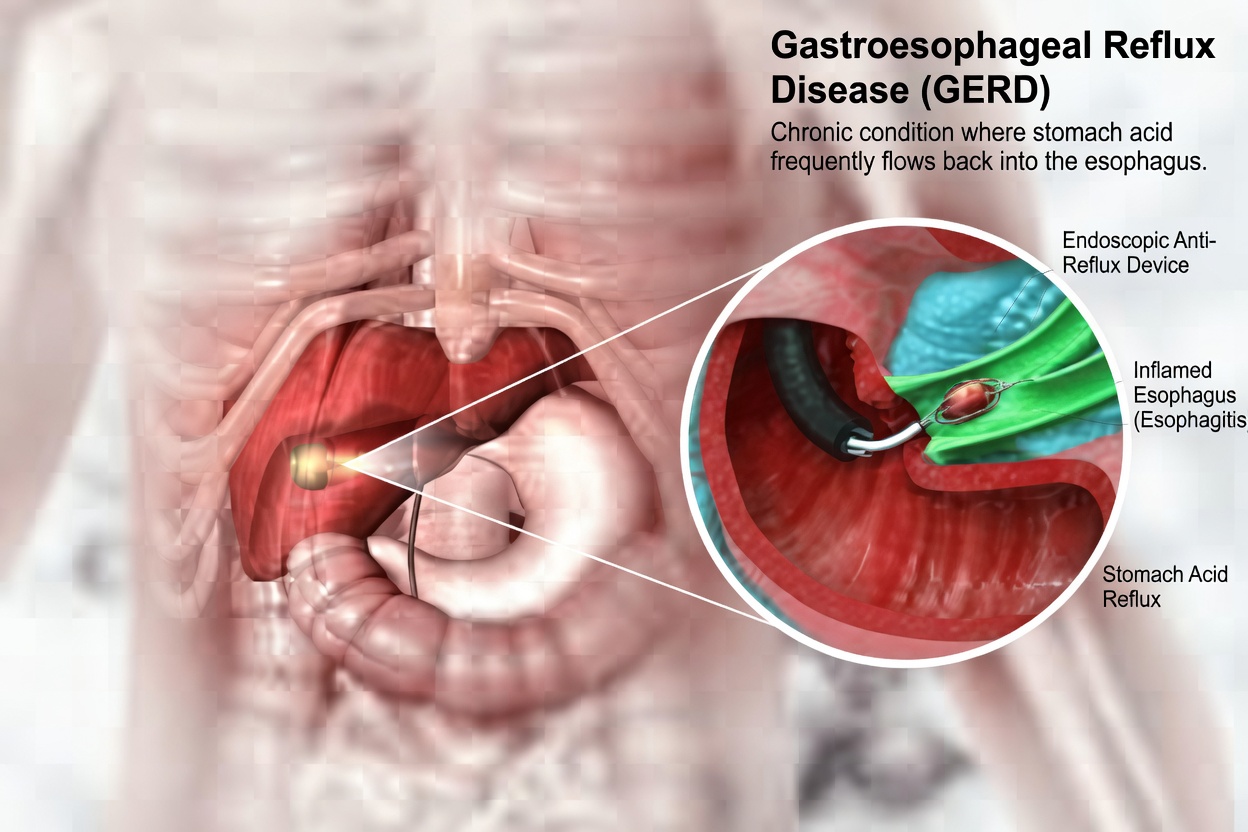
What Changes Right After Gallbladder Removal
In the early weeks following gallbladder removal, the body must adjust to bile arriving in a more constant, less “on-demand” way. Without regulated bile release:
- Fat digestion may be less efficient, especially with larger or higher-fat meals
- Some people experience bloating, cramping, or loose stools
- Eating out or social meals can feel stressful during the adjustment period
Research suggests that up to 40% of people notice changes in bowel habits after gallbladder removal. For many, these effects are temporary—but for others, symptoms may linger longer than expected.
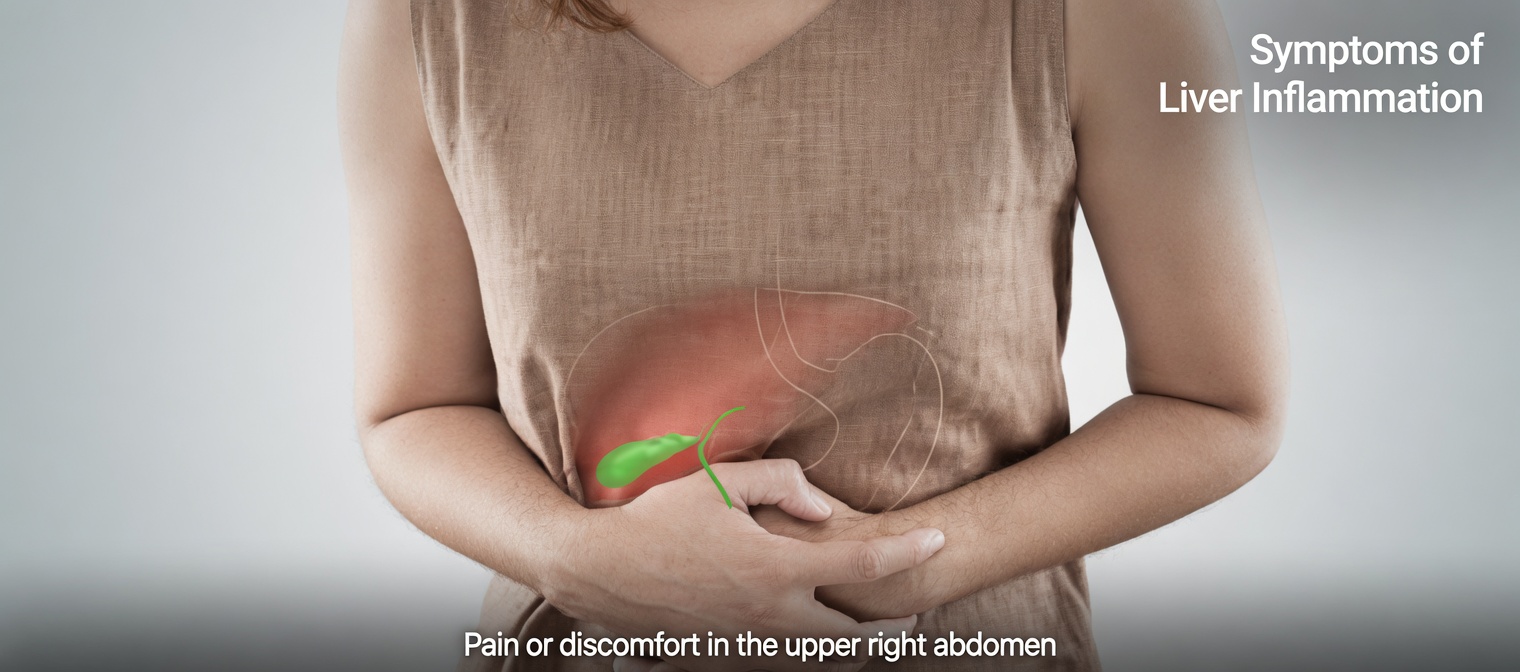
Long-Term Digestive Effects After Gallbladder Removal
Over time, many people find a new normal and eat comfortably again. Still, the long-term reality is mixed: the ongoing, steady flow of bile may contribute to digestive sensitivity in some individuals, especially with:
- Fried or greasy foods
- Very large meals
- High-fat dairy and heavy sauces
Some studies indicate that a notable share of patients report persistent digestive issues after gallbladder removal, occasionally lasting for years and influencing quality of life. The takeaway is not that surgery is “bad,” but that results vary, and it’s wise to understand potential outcomes before deciding.
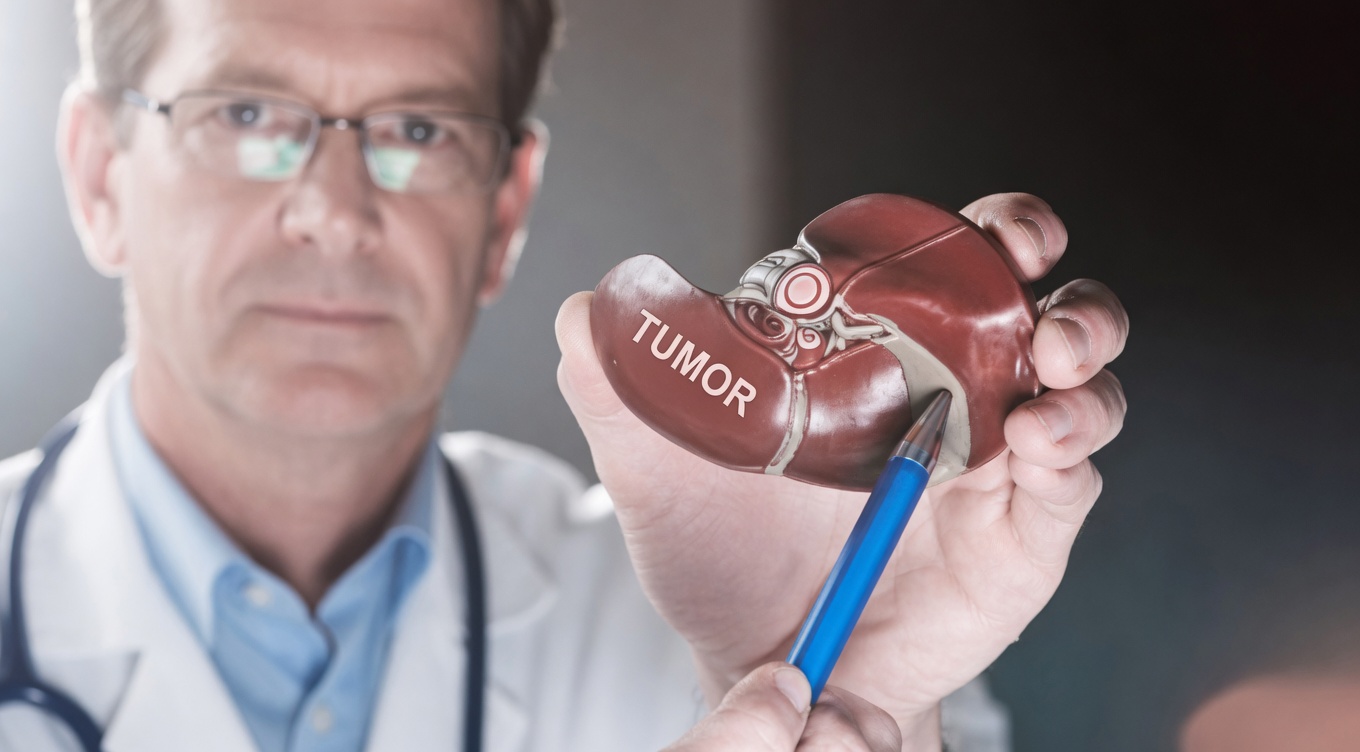
3 Common Conditions Some People Experience After Gallbladder Removal
Not everyone develops complications, but gallbladder removal can be associated with several post-surgery digestive problems. Below are three issues that are frequently discussed in clinical settings.
1. Chronic Diarrhea
After gallbladder removal, bile can enter the intestines more continuously and, in some cases, in higher amounts. This may speed up intestinal transit, leading to:
- Frequent loose stools
- Urgency that disrupts work, commuting, or travel
- Ongoing discomfort and fatigue
Medical research often links this to bile acid malabsorption, which can be a key driver of persistent diarrhea in post-cholecystectomy patients.
2. Post-Cholecystectomy Syndrome (PCS)
Post-cholecystectomy syndrome describes a cluster of symptoms that can persist or return after surgery, such as:
- Upper abdominal pain
- Bloating and indigestion
- Nausea or food intolerance
Reported rates vary widely, with studies suggesting PCS may affect roughly 10% to 47% of patients. For those expecting surgery to be the end of symptoms, PCS can feel especially discouraging.
3. Indigestion, Gas, and Bloating
Continuous bile flow can sometimes irritate or overwhelm digestion, contributing to:
- Chronic bloating
- Excess gas
- A “heavy” feeling after meals
For some people, this becomes a long-term pattern that limits food choices and makes dining out less enjoyable.
Can Lifestyle Changes Help You Manage Gallstones and Possibly Avoid Surgery?
Gallbladder removal is essential in certain situations, but it isn’t always the only approach—especially for people with milder symptoms or specific stone types. Under medical supervision, lifestyle strategies may help reduce attacks and support digestive comfort.
Consider these practical steps:
- Choose a lower-fat eating pattern: prioritize lean proteins, vegetables, fruits, and whole grains; reduce fried foods and heavy sauces.
- Eat smaller, more frequent meals: this can reduce digestive overload and help limit painful episodes.
- Stay well hydrated: water supports digestion and overall bile balance.
- Aim for a healthy, stable weight: gradual weight loss can lower risk, while crash dieting may worsen gallstone issues.
- Increase fiber slowly: add beans, oats, apples, and whole grains gradually to avoid sudden bloating.
In some cases, doctors may prescribe ursodiol (ursodeoxycholic acid) to help dissolve small cholesterol gallstones, offering a non-surgical option for selected patients.
Additional Ways to Support Digestive Health
Lifestyle support isn’t limited to diet. Regular movement can improve digestive function and help with weight management. Options like walking, cycling, or yoga may be useful, especially when done consistently.
Here’s a simplified comparison of common approaches:
-
Low-fat focus
- Foods to include: vegetables, fruit, lean poultry/fish, legumes
- Foods to limit: fried foods, fatty meats, full-fat dairy
- Potential benefit: fewer gallbladder-triggering meals
-
Gradual high-fiber routine
- Foods to include: oats, beans, whole grains, apples
- Foods to limit: ultra-processed foods
- Potential benefit: steadier digestion and bowel regularity
-
Smaller balanced meals
- Foods to include: fish, moderate nuts, cooked vegetables, soups
- Foods to limit: oversized heavy meals
- Potential benefit: less strain on bile flow and digestion
Final Thoughts
Gallbladder removal can be life-changing relief for severe gallbladder disease, but it’s important to understand potential digestive shifts afterward. Conditions such as chronic diarrhea, post-cholecystectomy syndrome (PCS), and persistent indigestion or bloating can occur in some patients and may require ongoing management.
Many people do very well post-surgery, while others benefit from proactive lifestyle adjustments—either to support recovery or, in certain cases, to explore non-surgical symptom control. Always discuss your symptoms and options with a qualified healthcare professional to determine the safest plan for your individual situation.
Frequently Asked Questions
Can you live a normal life after gallbladder removal?
Yes. Most people return to normal activities and eating patterns, though some need diet adjustments or time to adapt to digestion changes.
Is diarrhea common after gallbladder removal?
It can be. Changes in bile flow may cause occasional or chronic diarrhea in some people, and symptoms often improve with time, dietary changes, and medical guidance.
How can I manage gallstones without surgery?
Common strategies include lower-fat meals, gradual weight management, good hydration, fiber added slowly, and discussing medications such as ursodiol with your doctor when appropriate.