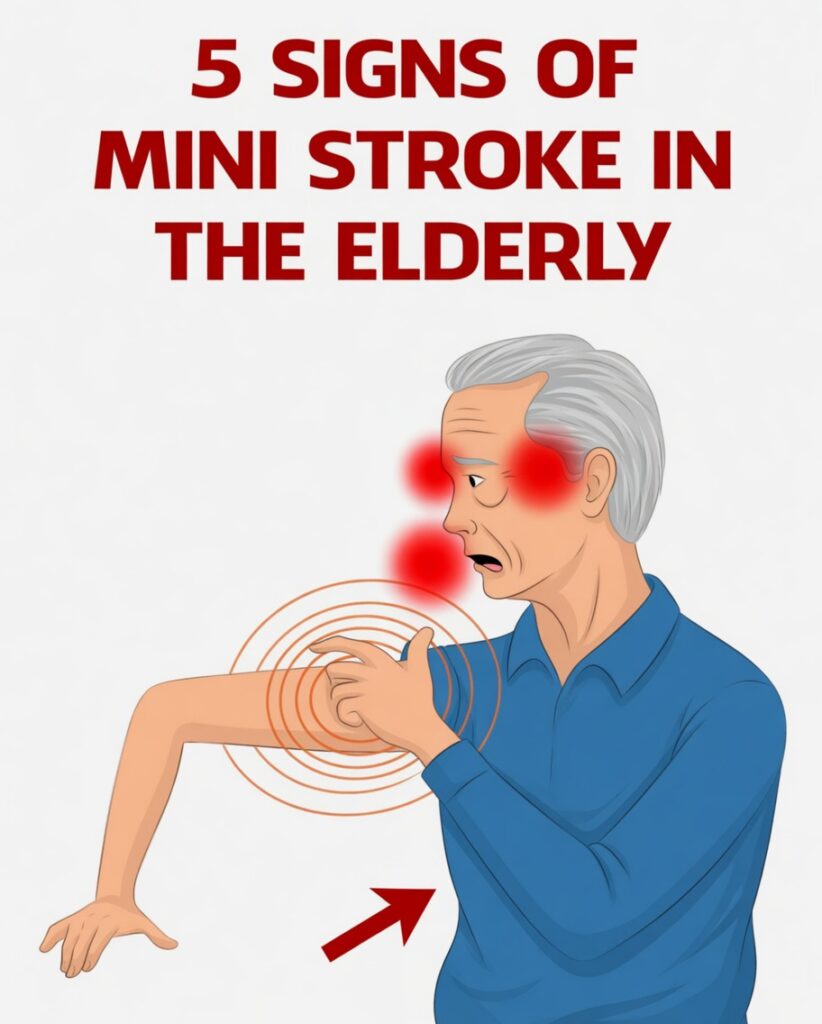
Mini Stroke (TIA) in Older Adults: 5 Warning Signs You Should Never Ignore
Seeing an older family member suddenly struggle to move, speak clearly, or stay steady can feel terrifying—especially when everything seems to “go back to normal” a few minutes later. Because the episode passes quickly, many people chalk it up to tiredness, stress, or simply aging. But those brief changes may be a mini stroke, medically called a transient ischemic attack (TIA)—a short-lived interruption of blood flow to the brain that often lasts minutes.
A TIA may not leave permanent damage, but it is a serious warning sign. Recognizing the symptoms early and getting immediate medical care can significantly reduce the risk of a future, disabling stroke.
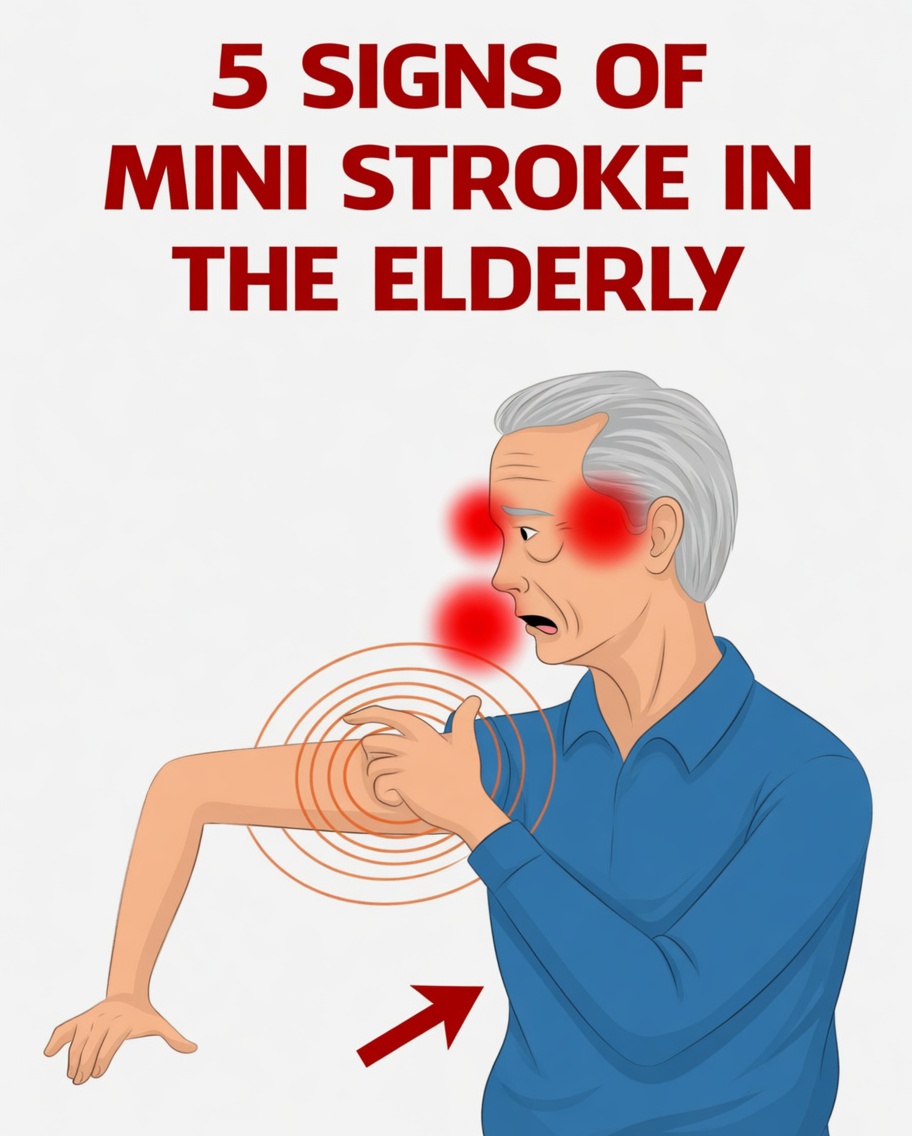
What Is a Mini Stroke (TIA) and Why It Matters
A mini stroke happens when blood supply to part of the brain is temporarily reduced, usually due to a clot or narrowed blood vessel. The key difference from a major stroke is that TIA symptoms typically resolve within minutes to hours, and they don’t cause lasting brain injury.
However, the danger lies in what a TIA predicts. Major medical organizations, including the American Stroke Association and the Mayo Clinic, report that up to 1 in 3 people who experience a TIA may go on to have a full stroke within a year if they don’t receive appropriate treatment. In older adults—who often have higher rates of high blood pressure, atherosclerosis (plaque buildup), and blood vessel fragility—the risk can be even more concerning.
Because TIA symptoms in seniors may look like general confusion, dizziness, or “just not feeling right,” they are often overlooked. That’s exactly why knowing the classic signs is so important.

Critical Reminder Before the Symptoms
Even if every symptom disappears and the person looks completely fine again, seek emergency medical attention immediately. A TIA is a medical emergency, not something to “wait and see.”

1. Sudden Facial Drooping or One-Sided Numbness
A very noticeable TIA symptom is drooping on one side of the face, which can make a smile look uneven. Some people also feel numbness limited to one side—affecting the cheek, lips, or eyelid.
This can happen abruptly during a conversation or while eating, and it may be emotionally distressing or embarrassing for the person experiencing it. Clinicians consider facial droop a core part of the FAST stroke warning signs (the “F” stands for Face).
A quick check: ask the person to smile. If one side doesn’t move normally, treat it as an emergency.
2. Sudden Arm (or Leg) Weakness on One Side
Another hallmark sign is weakness, heaviness, or numbness in one arm or one leg. An older adult might suddenly drop an object, struggle to lift a limb, or feel like a leg “gives out,” increasing the risk of falls.
This one-sided weakness occurs when motor-control areas in the brain briefly receive too little oxygen. Stroke experts often recommend a simple test: ask the person to raise both arms. If one arm drifts downward or can’t stay up, it’s a major red flag.
3. Speech Problems or Sudden Confusion
A mini stroke can affect speech and thinking, leading to symptoms such as:
- Slurred speech
- Trouble finding words
- Speaking in a way that doesn’t make sense
- Difficulty understanding others
- Sudden confusion about simple tasks or directions
In seniors, this can be mistaken for dementia-related confusion—yet the key difference is that a TIA begins suddenly.
A practical check: ask the person to repeat a simple sentence. If speech sounds garbled or unusually confused, act immediately.

4. Sudden Vision Changes (Blurred, Double Vision, or Temporary Blindness)
Vision symptoms are common in TIAs and may include:
- Blurred vision
- Double vision
- Loss of vision in part of the visual field
- Temporary blindness in one eye
Some people describe it as a “curtain” falling over one eye. Even when sight returns quickly, this symptom can signal reduced blood flow affecting visual pathways—something the Mayo Clinic lists among frequent TIA features, especially in people with vascular risk factors.
5. Dizziness, Loss of Balance, or Coordination Trouble
A TIA can also cause sudden issues with balance and coordination, such as:
- Feeling like the room is spinning (vertigo)
- Trouble walking straight
- Sudden clumsiness or poor coordination
- Unexplained falls or near-falls
These symptoms may involve the cerebellum or brainstem. In older adults, they’re sometimes dismissed as an inner ear problem—but sudden onset, especially alongside other warning signs, should always be treated as urgent.

Quick Checklist: The FAST Test for Mini Stroke Symptoms
Use FAST to spot possible TIA or stroke signs quickly:
- F — Face: Does one side droop when smiling?
- A — Arms: Can they lift both arms evenly and keep them raised?
- S — Speech: Is speech slurred, strange, or hard to understand?
- T — Time: Call emergency services immediately, even if symptoms go away.
What to Do If You Suspect a Mini Stroke
If you notice any TIA warning sign:
- Call emergency services right away (do not drive the person yourself unless instructed).
- Record the time symptoms started, since treatment decisions depend on timing.
- Keep the person safe, seated or lying down, and calm while waiting for help.
- After assessment, healthcare providers may recommend brain and vessel imaging, heart tests, blood work, and preventive treatment such as blood thinners, blood pressure control, cholesterol management, and lifestyle changes.
Conclusion
Knowing the five key mini stroke (TIA) warning signs in elderly adults can help you respond fast—and that speed can be lifesaving. While TIA symptoms may vanish quickly, the event is often a crucial early alarm for a future stroke. Prompt medical evaluation and risk reduction steps can protect brain health and help preserve independence and quality of life.
FAQ
What’s the difference between a mini stroke (TIA) and a full stroke?
A TIA causes temporary neurological symptoms that fully resolve, while a full stroke typically causes lasting brain damage. Both require urgent care, because TIAs often occur before major strokes.
How long do mini stroke symptoms last in seniors?
Symptoms often last minutes, but they can continue for up to 24 hours. Any sudden neurological change—no matter how brief—should be treated as an emergency.
Can mini strokes be prevented in older adults?
Not always, but risk can be greatly reduced by controlling blood pressure, cholesterol, diabetes, avoiding smoking, staying physically active, and following a clinician’s prevention plan based on personal risk factors.