
Dry Fruits for Seniors: Natural Support for Creatinine and GFR
If you’re over 60 and a routine lab report shows creatinine creeping up or GFR trending down, it’s normal to feel uneasy. These kidney markers can look intimidating—especially because kidneys often “stay quiet” for years, then become more sensitive with age. Many older adults notice changes like fatigue, puffiness or swelling, or a heavy, uncomfortable feeling after meals that makes everyday routines harder.
The encouraging part: a few simple, food-based habits may help support kidney comfort. In particular, certain kidney-friendly dried fruits can provide antioxidants, fiber, and gentle nutrients that may ease oxidative stress and support digestion—without being overly harsh when eaten in the right portions. Below are five options many seniors use as part of a balanced approach to healthier creatinine and GFR levels, plus practical tips for using them safely.
Why Kidney Numbers Change With Age
Kidney challenges often build slowly. Seniors may experience subtle signs such as low energy, restless nights, heavy legs, or reduced stamina. Understanding your lab markers can help:
- Creatinine is a waste product produced by muscle metabolism. If kidneys filter less efficiently, creatinine may rise.
- GFR (glomerular filtration rate) estimates how well the kidneys filter blood. It often declines naturally with age, but dehydration, inflammation, and long-term lifestyle factors can worsen the trend.
Some research and renal nutrition guidance suggests that diets emphasizing antioxidant-rich foods (and, when needed, lower potassium choices) may help reduce oxidative stress—one factor associated with kidney strain. Dried fruits can be useful because they’re easy to portion, gentle to chew, and convenient for seniors who want simple snack options.
A Safety Note Before You Start
Not all dried fruits are kidney-friendly. Some can be high in potassium or phosphorus, which may be problematic in certain stages of kidney disease or with specific medical plans. The options below focus on generally gentler choices when eaten in moderation, but your safest step is still:
- Follow your clinician or renal dietitian’s advice, especially if you have diagnosed CKD, diabetes, heart conditions, or take medications that affect potassium/fluid balance.
5) Dried Cranberries
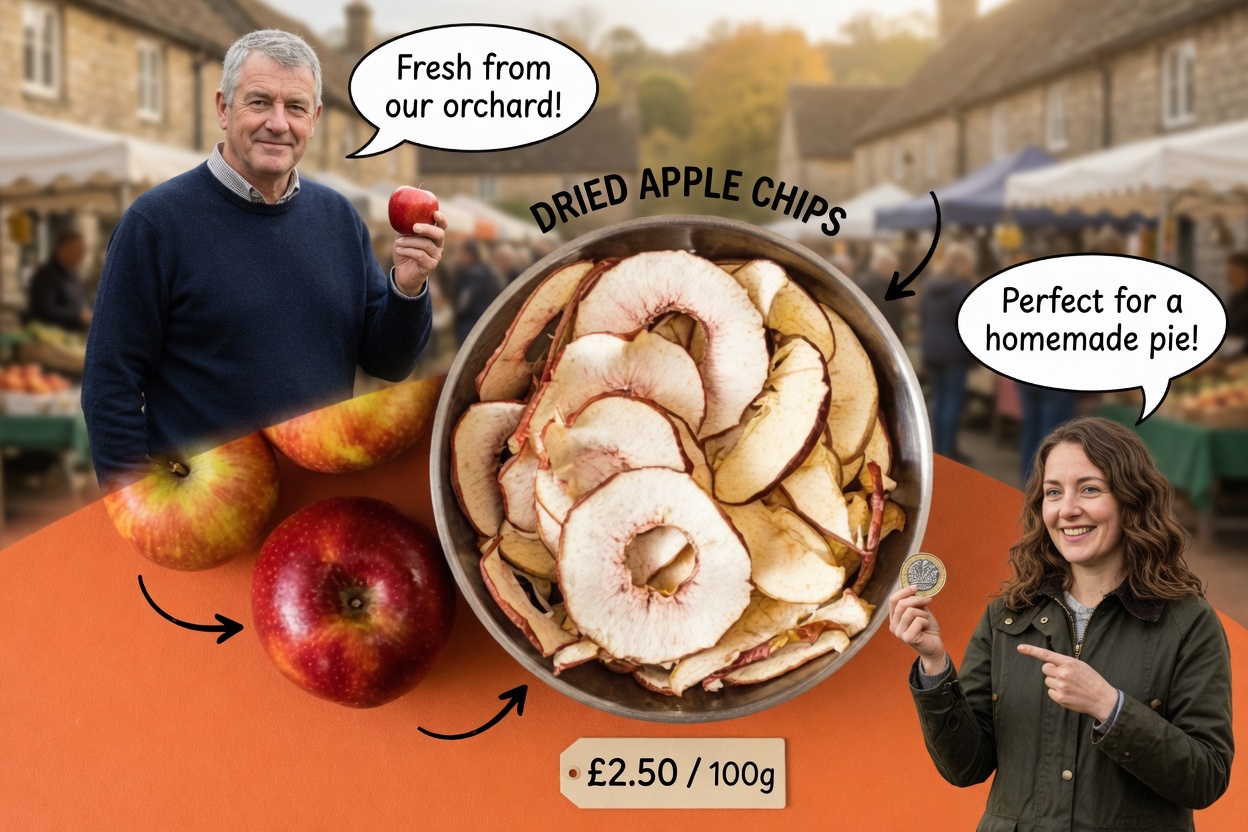
Dried cranberries offer a bright, tangy flavor that can make breakfast or snack time more enjoyable. Compared with many dried fruits, they’re often considered lower in potassium, which may be easier on sensitive kidneys. They also contain antioxidants such as proanthocyanidins, which are studied for their potential role in easing inflammation and supporting urinary tract health—an indirect benefit for kidney comfort.
Ways seniors often enjoy them:
- Stir 1–2 tablespoons into oatmeal
- Add to plain yogurt for a tart-sweet boost
- Mix into a small homemade trail mix (without salted nuts)
4) Dried Apples
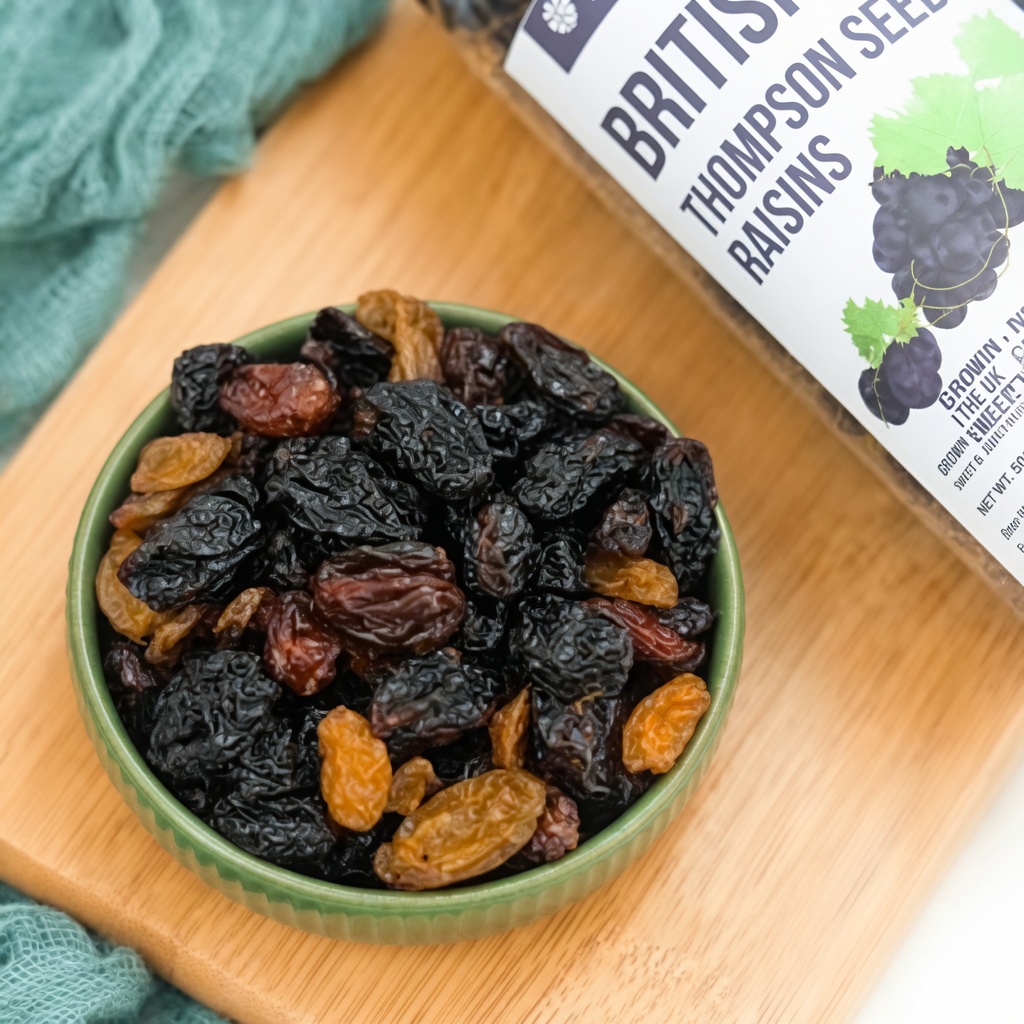
Dried apples are mildly sweet, aromatic, and satisfying—without feeling heavy. A standout feature is pectin, a soluble fiber that supports digestion and may help the body move waste more efficiently. For seniors dealing with slower digestion (which can increase discomfort and strain), this can be especially helpful as part of an overall kidney-supportive eating pattern.
Why they’re popular:
- Gentle fiber support for regularity
- Often lower in potassium than many other dried fruits
- Easy to portion as a small snack
3) Raisins
Raisins are small, comforting, and provide quick sweetness without needing processed desserts. They contain fiber and antioxidants, and some people choose them to support circulation and digestive regularity—both relevant for overall kidney workload. Because raisins are calorie-dense and naturally sugary, portion size matters.
A practical senior-friendly portion:
- About 5–7 raisins per day as a small add-on, not a large handful
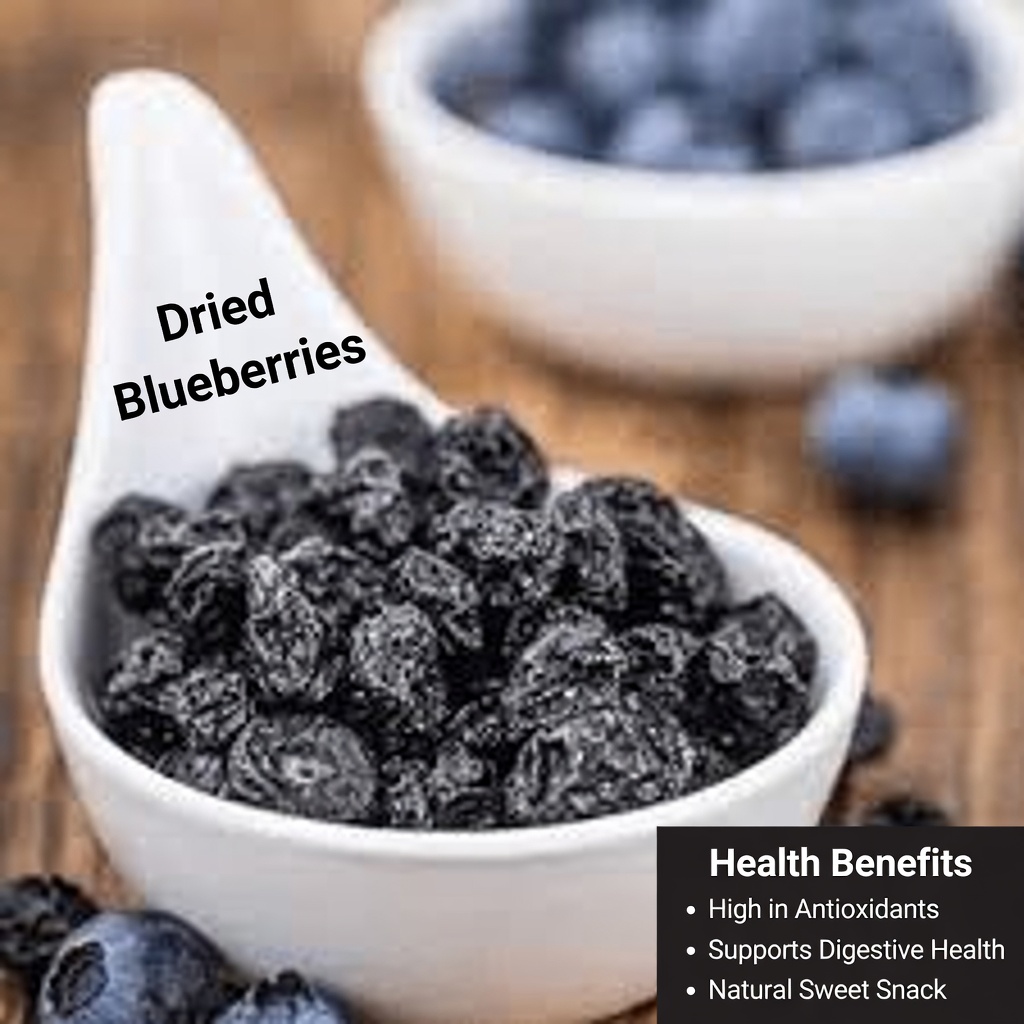
2) Dried Blueberries
Dried blueberries are well known for their high antioxidant content, which may help counter oxidative stress—one factor linked with rising creatinine and declining GFR over time. Their flavor is intense, so a small amount goes a long way. Seniors often like them sprinkled on breakfast foods for an easy routine.
Simple serving ideas:
- 1–2 tablespoons on cereal or yogurt
- Mixed into unsweetened oatmeal a few times per week
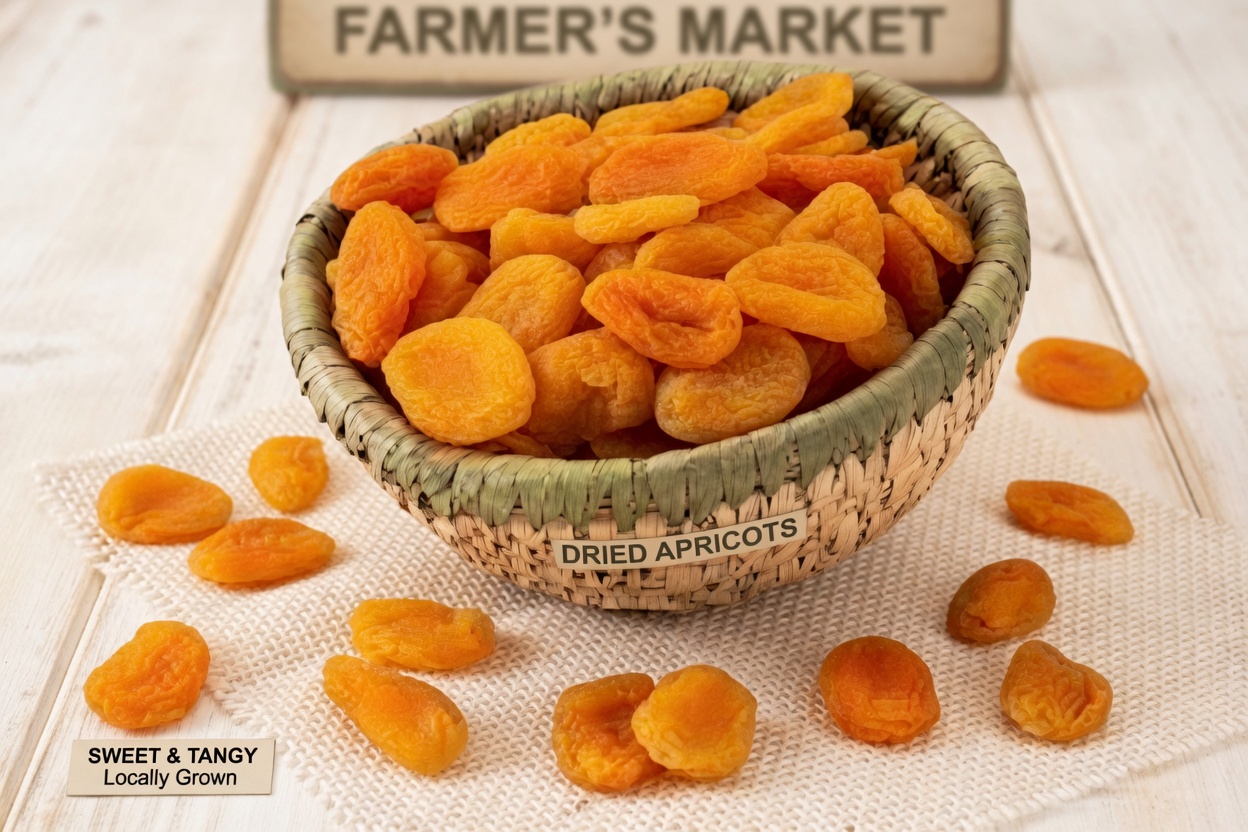
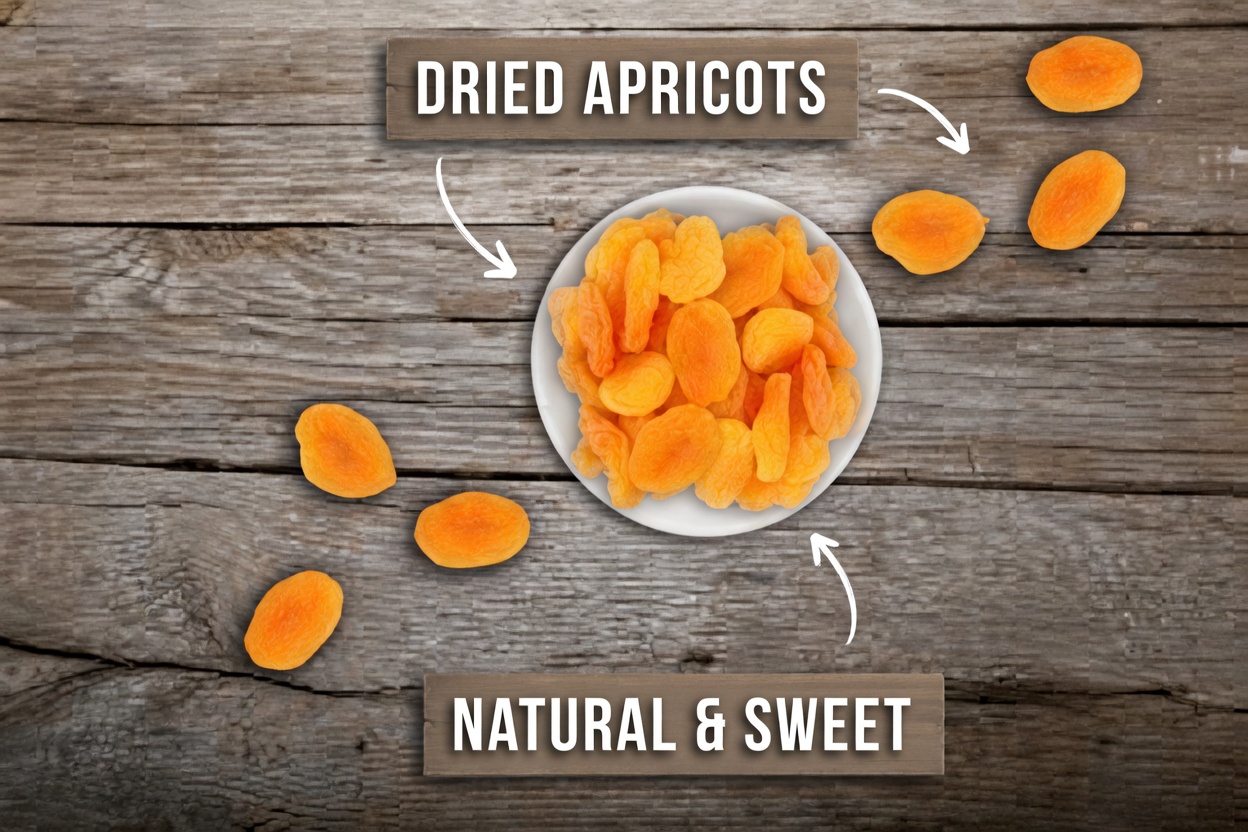
1) Dried Apricots (Use Extra Portion Awareness)
Dried apricots often surprise people: they’re soft, naturally sweet, and feel nourishing—especially when paired with tea. However, they can be higher in potassium, which means they’re not a “free snack” for everyone. Still, in very small portions, they provide plant compounds and fiber that may support digestion and overall balance.
If your care team allows:
- Limit to 1–2 pieces occasionally
- Consider them a “small ritual” food, not a daily handful
Quick Comparison Table: Dry Fruits & Kidney Support
| Rank | Dry Fruit | Key Nutrients | Potential Kidney-Friendly Role | Portion Tip for Seniors |
|---|---|---|---|---|
| 5 | Dried Cranberries | Antioxidants, typically lower potassium | May support urinary comfort and help with inflammation | 1–2 tbsp |
| 4 | Dried Apples | Pectin (soluble fiber) | Supports digestion, may reduce waste burden | Small handful |
| 3 | Raisins | Fiber, antioxidants | Supports digestion and circulation (watch sugar) | 5–7 pieces |
| 2 | Dried Blueberries | High antioxidants | Helps reduce oxidative stress | 1–2 tbsp |
| 1 | Dried Apricots | Fiber, plant compounds (often higher potassium) | May support gentle detox-like balance in tiny portions | 1–2 pieces max |
How to Use Dry Fruits Safely and Effectively
Small, consistent habits tend to work best—especially for seniors monitoring kidney labs.
-
Start with one option
Try a single fruit (for example, dried cranberries) and keep the serving small for a week. -
Drink enough water (if permitted)
Pair fiber-rich snacks with fluids to support comfortable digestion and waste removal. -
Choose unsweetened or no-sugar-added varieties
Added sugar can increase metabolic strain and isn’t helpful for long-term kidney goals. -
Track how you feel
Note changes in swelling, energy, sleep, digestion, and share patterns with your clinician. -
Confirm portions if you have CKD or take medications
This is especially important if you’re managing potassium, phosphorus, blood pressure, or blood sugar.
Conclusion
For seniors concerned about creatinine and GFR, the right dried fruits—used thoughtfully—can be an easy, enjoyable way to add antioxidants and fiber without complicating daily routines. The key is moderation, hydration, and personalized medical guidance, especially if potassium limits apply. Your kidneys have done steady work for decades; small, consistent choices can help support them moving forward.
FAQ
Are dried cranberries safe for kidney health?
They’re often chosen because they’re typically lower in potassium than many dried fruits and contain antioxidants that may support urinary tract comfort and help reduce inflammation. Choose unsweetened when possible and keep portions moderate.
Can dried apples help with creatinine levels?
Dried apples provide pectin fiber, which supports digestion and regular waste removal. Better digestive efficiency may help reduce the body’s overall waste burden, indirectly supporting kidney comfort.
How many raisins are appropriate for seniors with kidney concerns?
A conservative, commonly used portion is 5–7 raisins per day. They offer fiber and antioxidants, but portion control matters due to natural sugars and calorie density. Always adjust based on your medical plan.