

A Simple Seed That May Help Support Everyday Eye Wellness
Many adults begin to notice gradual changes in vision as the years pass. Maybe your eyes feel more tired after long hours in front of a screen, or perhaps reading fine print and driving at twilight has become a little more challenging. These shifts can be discouraging, and it is natural to look for practical ways to support eye wellness within a healthy daily routine.
One surprisingly useful option may already be familiar to you: pumpkin seeds. This common kitchen staple contains several important nutrients that may complement a vision-supportive diet.
Even better, pumpkin seeds are easy to prepare, simple to enjoy, and affordable enough to become part of your regular eating habits.
Why Pumpkin Seeds Are Getting Attention for Eye Health
Pumpkin seeds, often called pepitas, are widely recognized for their impressive nutritional value. They are not some rare or expensive superfood. They are the same flat green seeds found inside pumpkins and sold in most grocery stores as a snack or pantry staple.
What makes them especially interesting for eye wellness is their nutrient content. Research suggests that certain compounds in pumpkin seeds match nutrients commonly linked with healthy vision, particularly in older adults.
One of the most important is zinc. This mineral is naturally present in high concentrations in the retina and other parts of the eye. Major research, including the Age-Related Eye Disease Study (AREDS) funded by the National Eye Institute, has examined how zinc works with antioxidants to help support normal eye function as people age. While individual results can differ, zinc is known to help transport vitamin A to the retina, where it contributes to the formation of melanin, a pigment involved in protecting the eyes.
Pumpkin seeds also provide vitamin E, an antioxidant that helps defend cells from oxidative stress encountered in daily life. They contain small amounts of lutein and zeaxanthin as well. Although leafy greens remain stronger sources of those two compounds, pumpkin seeds can still fit well into an eating pattern designed to support vision health.
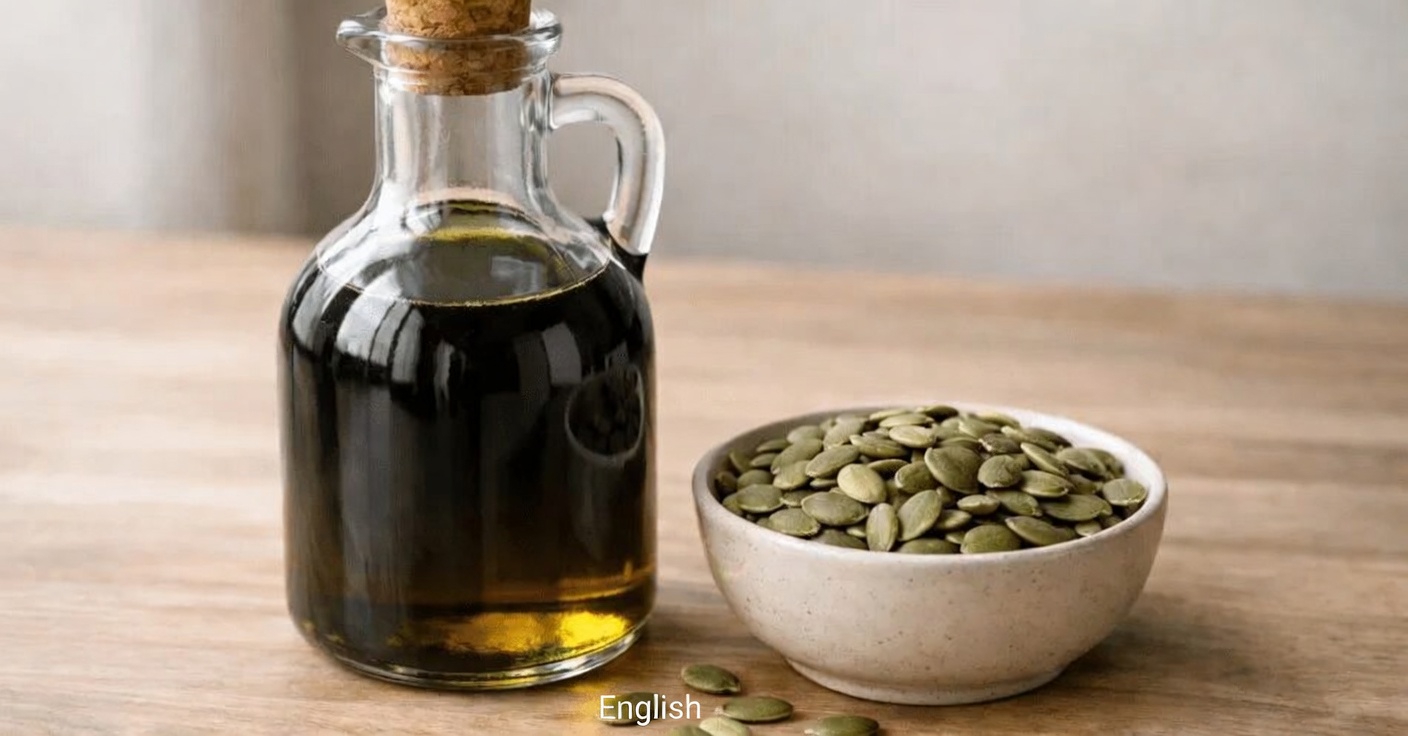
Key Nutrients in Pumpkin Seeds That Support Vision
To understand their value more clearly, it helps to look at what a standard serving offers. About one ounce of pumpkin seeds, or roughly a small handful, can provide:
- Zinc: About 2 milligrams, which is approximately 18% to 25% of daily needs depending on age and sex. Zinc plays an important role in retinal health and vitamin A transport.
- Vitamin E: A useful amount of this antioxidant, which is associated with protecting cells in eye tissues.
- Magnesium and healthy fats: These nutrients support circulation and may help reduce inflammation, which can indirectly benefit eye comfort.
- Plant protein and fiber: These help promote fullness without relying on added sugars or highly processed ingredients.
Nutrition experts often recommend zinc-rich foods as part of a long-term wellness strategy. That does not mean pumpkin seeds are a cure-all. No single food can do everything on its own. Instead, think of them as one smart addition to a broader plan that includes:
- Colorful fruits and vegetables
- Healthy fats
- Regular eye exams
- Balanced daily habits
Another advantage is convenience. Pumpkin seeds are:
- Budget-friendly
- Easy to store
- Simple to prepare
- Pleasantly crunchy and flavorful
How Much Pumpkin Seed Should You Eat?
For general wellness, many experts suggest about one ounce per day, or roughly:
- 1/4 cup
- 28 to 30 grams
- One small handful
This amount gives you valuable nutrients without adding too many calories. For the best nutritional quality, choose:
- Raw pumpkin seeds
- Dry-roasted pumpkin seeds
- Varieties with no added sugar
- Options made without heavy oils
The Right Way to Roast Pumpkin Seeds at Home
If you have ever carved a pumpkin, you already know where to start. Fresh pumpkin seeds can easily be turned into a crisp, nutritious snack.
Step-by-Step Roasting Instructions
- Remove the seeds from the pumpkin.
- Rinse them under cool water to wash away the stringy pulp.
- Dry them thoroughly using a clean kitchen towel. This step is important if you want them to roast evenly and become crisp.
- Toss the seeds with a light drizzle of olive oil.
- Add a small pinch of sea salt, or leave out the salt if you are limiting sodium.
- Spread the seeds in a single layer on a baking sheet.
- Roast at 350°F (175°C) for 12 to 20 minutes, stirring once halfway through.
- Let them cool fully before transferring them to an airtight container.
Stored properly, roasted pumpkin seeds can stay fresh for up to two weeks.
A useful trick is to roast a larger batch at the start of the week so you always have ready-to-eat portions on hand.
5 Easy Ways to Eat Pumpkin Seeds Every Day
If plain seeds are not your favorite, there are plenty of easy ways to work them into meals and snacks.
- Add a tablespoon to oatmeal or yogurt for crunch.
- Sprinkle them over salads with leafy greens and tomatoes.
- Blend a handful into a smoothie for mild nutty flavor and extra protein.
- Combine them with trail mix or a few dark chocolate chips for an afternoon snack.
- Stir them into homemade energy bites with oats, peanut butter, and a little honey.
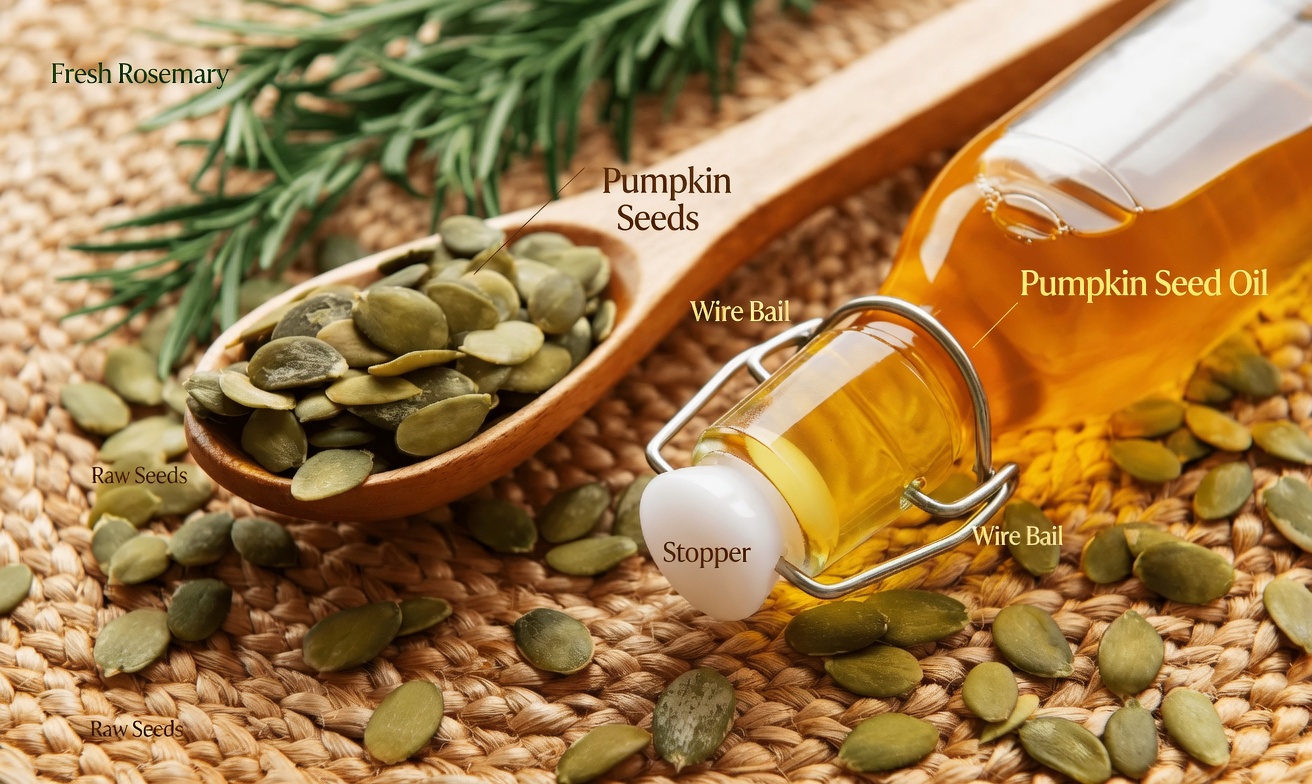
Pumpkin Seed Options and Zinc Content
The good news is that pumpkin seeds are flexible enough to suit different eating styles. Here is a quick comparison:
| Option | Portion Size | Approx. Zinc (mg) | Best For |
|---|---|---|---|
| Raw pumpkin seeds | 1 oz | 2.2 | Simple snacking |
| Roasted pumpkin seeds, lightly salted | 1 oz | 2.2 | Easy grab-and-go use |
| Added to salad | 2 tbsp | 1.1 | Including them in meals |
This variety makes it easier to stay consistent, whether you prefer snacks, meal toppings, or mix-ins.
Common Myths About Seeds and Eye Health
Before believing every claim online, it is important to separate helpful facts from exaggeration.
Myth 1: Pumpkin seeds can replace eye treatment
They cannot. Pumpkin seeds may help support nutrient intake, but they are not a substitute for:
- Professional eye exams
- Medical treatment
- Prescription therapies
The AREDS research focused on a combination of nutrients, not one single food.
Myth 2: You need to eat a huge amount to get benefits
That is not true either. More is not always better. In most cases, regular small servings are more useful than eating large quantities once in a while.
Why Daily Consistency Makes the Biggest Difference
When it comes to eye wellness, long-term habits matter more than occasional efforts. Nutrients found in pumpkin seeds are most helpful when they are part of your routine rather than an infrequent snack.
For even better support, combine them with other healthy practices such as:
- Drinking enough water
- Wearing sunglasses with UV protection
- Taking screen breaks using the 20-20-20 rule
- Eating a colorful, nutrient-rich diet
- Scheduling regular eye check-ups
Many people find that once roasted pumpkin seeds are visible in the kitchen, they naturally start reaching for them instead of less nutritious snack options.
Final Thoughts
Pumpkin seeds are a simple and flavorful way to add zinc, vitamin E, and other supportive nutrients to your diet. By choosing raw or lightly roasted seeds and sticking to a moderate daily portion, you can take a practical step toward supporting your overall wellness, including your eyes.
The real value comes from consistency. Pair pumpkin seeds with healthy food choices, regular movement, and annual eye exams for a more complete approach to long-term eye care.
So the next time you are shopping, consider picking up a bag of pumpkin seeds—or save the seeds from a fresh pumpkin and roast them yourself. It is an easy habit your future self may appreciate.
FAQ: Pumpkin Seeds and Eye Support
How many pumpkin seeds should I eat each day for eye support?
A good target is about one ounce per day, which equals a small handful or around 1/4 cup. This amount provides useful nutrients such as zinc without going overboard.