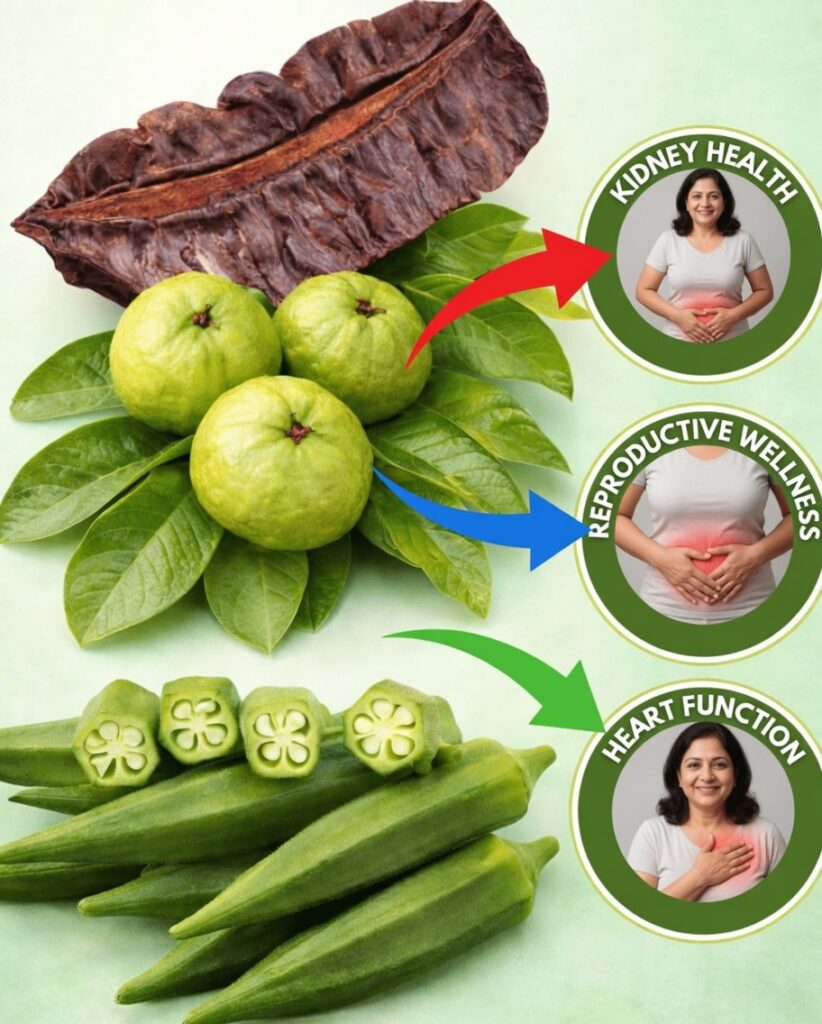
Many women carry a private worry when month after month passes without a positive pregnancy test. Irregular periods, hard-to-predict ovulation, and the emotional pressure of trying to conceive can quickly feel like too much—especially when paired with costly fertility options and frequent clinic visits. In many cultures, however, everyday plant ingredients such as guava leaves, Aidan fruit (prekese), and okra have long been used as gentle, food-based support for reproductive wellness.
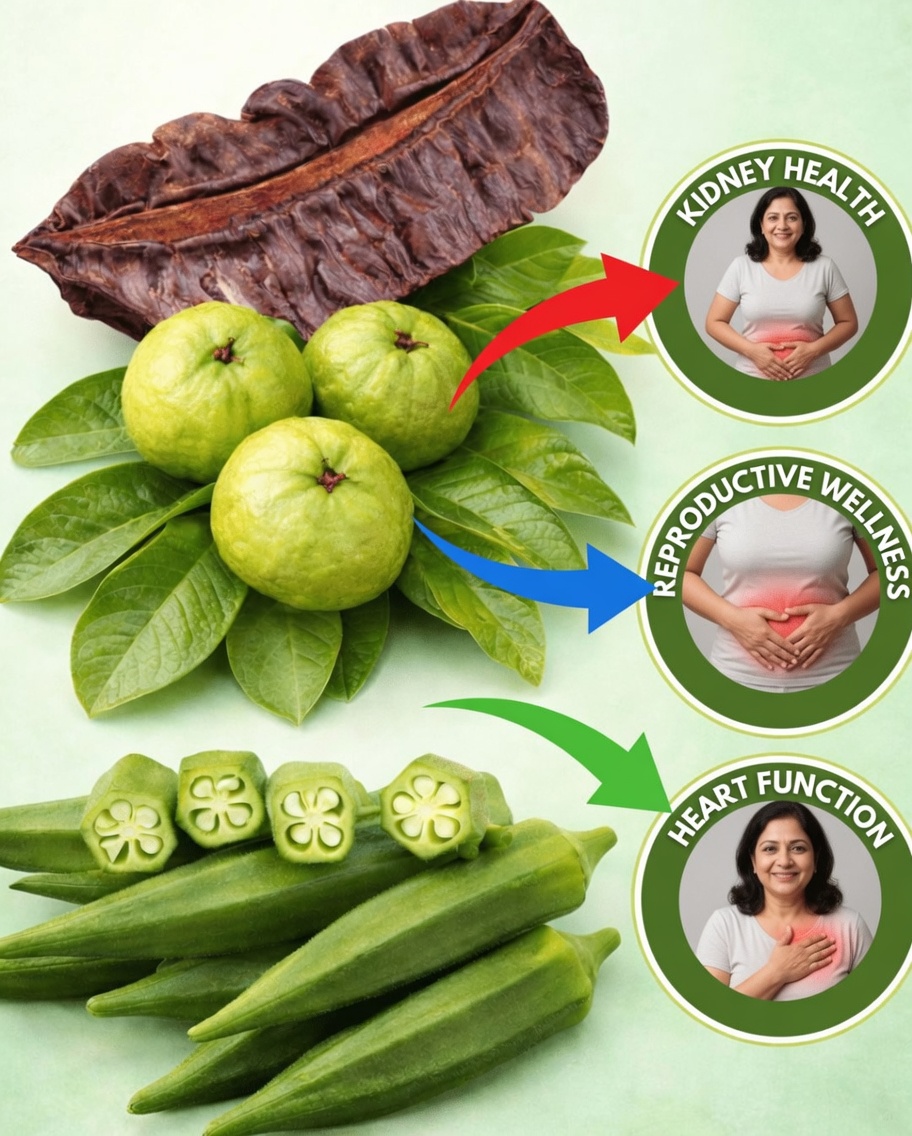
These traditional choices—guava leaves, Aidan fruit, and okra—are often viewed as a comforting, whole-body approach. While strong human evidence is still limited, traditional practice and early animal research suggest they may help support hormone balance and overall reproductive conditions. If you’re wondering how guava leaf tea, Aidan fruit, and okra water could fit into your routine, the guide below offers practical, culturally rooted ideas.
Why Guava Leaves, Aidan Fruit, and Okra Are Popular in Traditional Fertility Support
People looking for natural ovulation support often explore guava leaves, Aidan fruit, and okra because they are nutrient-rich and have a long history of traditional use. Together, they are commonly used to support areas that matter when cycles feel inconsistent, including:
- Hormonal steadiness and cycle rhythm
- Uterine and reproductive tissue support
- General nourishment and hydration
Although clinical research in humans remains limited, the appeal is clear: these ingredients are widely accessible and typically considered gentle when used carefully and in moderation.
Guava Leaves: Traditional Support for Cycle Regularity
Across parts of Asia and other regions, guava leaves have commonly been brewed into herbal tea as part of women’s wellness routines. They contain antioxidants such as vitamin C and flavonoids, which may help reduce oxidative stress—a factor often discussed in relation to reproductive health.
Some animal studies suggest guava leaves may influence reproductive hormones, though this does not confirm the same effects in humans. Still, for those dealing with irregular cycles, guava leaf tea is often chosen as a traditional, low-intensity option.
Traditional roles often associated with guava leaves:
- Antioxidant support for reproductive cells
- Support for more predictable menstrual cycles
- Mild soothing, anti-inflammatory properties
Aidan Fruit (Prekese): Traditionally Used for Uterine Tone and Circulation
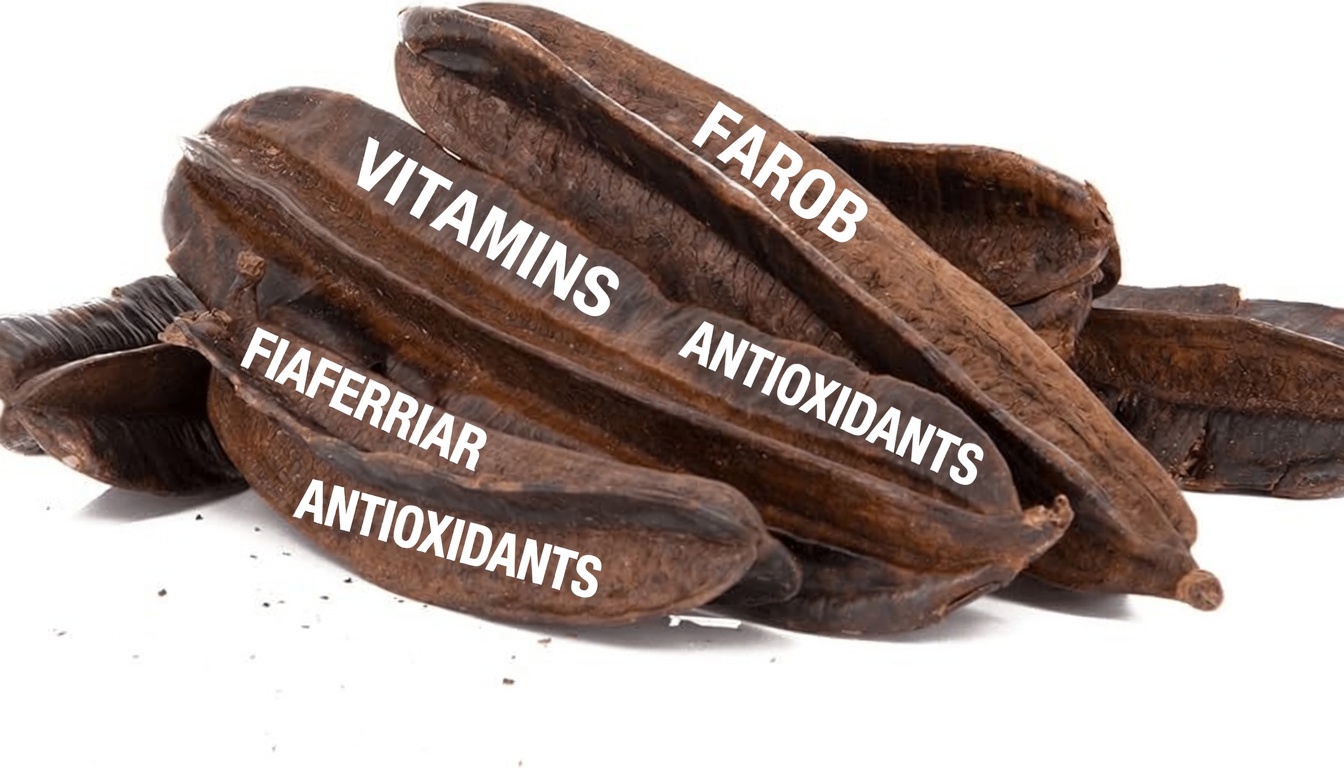
Aidan fruit, also known as Tetrapleura tetraptera or prekese, is widely recognized in West African traditional wellness. It has a distinct aroma and contains minerals such as iron and calcium. In traditional practice, it is often used to support uterine tone and circulation.
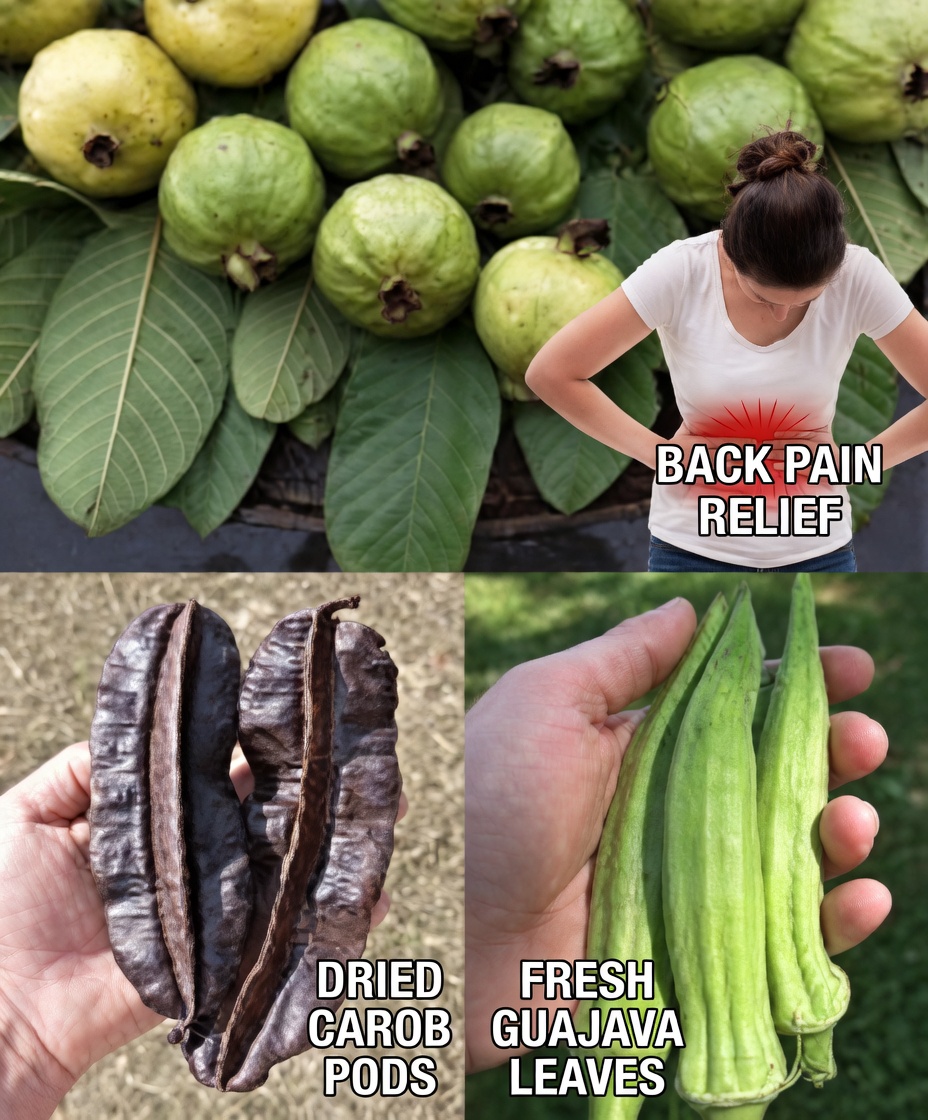
Early animal research suggests possible effects related to uterine health, but human data is still limited. Many people combine Aidan fruit with other herbs—such as guava leaves—in blends intended to support a more receptive environment for ovulation and implantation.
Traditional roles often associated with Aidan fruit:
- Mineral nourishment that may support hormonal function
- Traditional uterine-toning use
- Circulation support for reproductive tissues
Okra: Nutritional and Hydration Support for Reproductive Wellness
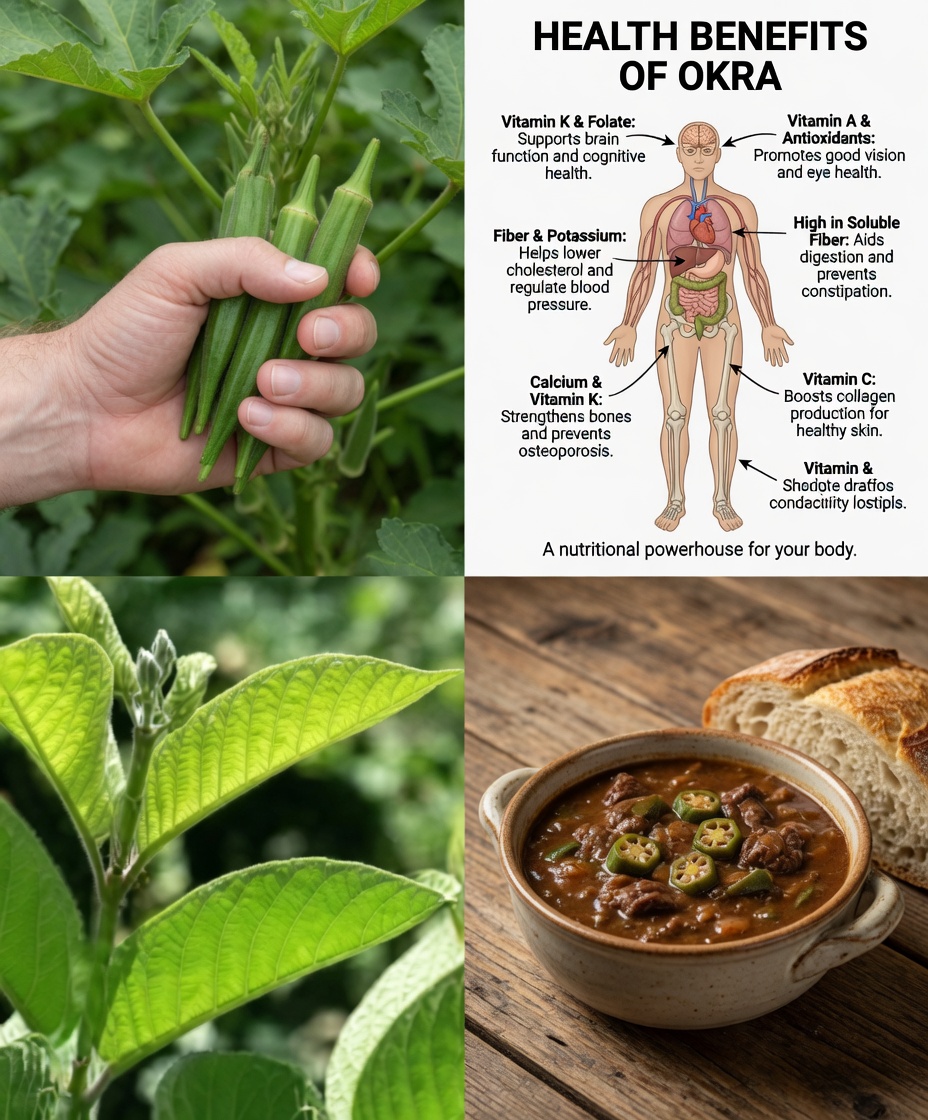
Okra (lady’s fingers) is valued as both a vegetable and a traditional wellness food. It contains folate, B vitamins, and soothing mucilage (the gel-like texture). While okra is not proven to directly trigger ovulation, its nutrients support foundational health—an important part of any fertility journey.
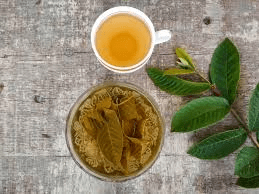
Folate is especially known for its role in cell division and healthy development, which is why it’s commonly emphasized in preconception nutrition. Some people also use okra-infused water for gentle hydration support.
Traditional roles often associated with okra:
- Folate support for healthy cell function
- Hydration and tissue nourishment
- General nutritional support that may help overall hormonal well-being
Simple Traditional Preparation Methods (Practical Guide)
These methods reflect common cultural practices. Start small, observe how you feel, and stop if anything doesn’t agree with you.
Guava Leaves and Aidan Fruit Tea
Ingredients
- 10–15 fresh or dried guava leaves
- 1 Aidan fruit pod, lightly cracked
- 2 liters clean water
Steps
- Rinse the guava leaves and Aidan fruit thoroughly.
- Simmer together for 20–30 minutes, until the liquid darkens.
- Strain and let cool.
- Store in the refrigerator.
Traditional timing: Many people sip 1 cup in the morning and 1 cup in the evening during menstruation, then pause until the next cycle.
Okra Water Infusion
Ingredients
- 5–6 fresh okra pods
- 1 glass of room-temperature water
Steps
- Wash and slice the okra pods.
- Soak overnight in water.
- Drink the liquid in the morning (you may eat the okra if desired).
Traditional timing: Often used for a few days after menstruation.
Quick Overview: Traditional Roles at a Glance
| Ingredient | Key Nutrients / Properties | Traditional Focus Area |
|---|---|---|
| Guava Leaves | Antioxidants, vitamin C, flavonoids | Cycle regularity, hormone support |
| Aidan Fruit (Prekese) | Iron, calcium, aromatic compounds | Uterine tone, circulation |
| Okra | Folate, B vitamins, mucilage | Nutrient support, hydration |
Gentle Monthly Integration Ideas
Consistency tends to matter more than intensity. A simple cycle-based routine many people follow includes:
- Follicular phase (after your period): okra water for 3–5 days
- During menstruation: guava leaves + Aidan fruit tea
- All month: add fresh okra to meals for steady nutrition
- Track your cycle: note changes in symptoms, timing, cervical mucus, or overall comfort
For best results, many also pair traditional ingredients with the basics that support reproductive wellness: balanced meals, stress reduction, movement, and adequate sleep.
Final Thoughts
Guava leaves, Aidan fruit, and okra are time-tested ingredients in traditional wellness systems that many women find reassuring while trying to conceive. They are not a replacement for medical evaluation, but they can be explored as gentle, nutrient-focused support—especially when used mindfully and consistently.
Frequently Asked Questions
Do guava leaves, Aidan fruit, and okra guarantee improved ovulation?
No. Fertility is influenced by many factors, and no natural approach can guarantee ovulation or pregnancy. Evidence for these ingredients is largely traditional, with limited human research.
Are they safe while trying to conceive?
They are generally considered safe for most people when used moderately, but it’s important to speak with a healthcare professional first—especially if you have PCOS, thyroid issues, diabetes, or take medications.
When might I notice changes?
It varies widely. Some people report cycle changes after 2–3 months of consistent use, but individual responses differ based on underlying health, stress, nutrition, and cycle patterns.
Disclaimer: This article is for informational purposes only and does not provide medical advice. These ingredients have traditional uses, but human scientific evidence for fertility benefits remains limited. Consult a qualified healthcare provider before trying new remedies, particularly when trying to conceive or managing medical conditions. Discontinue use if you experience any adverse reaction.