
Managing Blood Sugar Swings and Cardiometabolic Concerns
Fluctuating blood sugar can leave you exhausted, irritable, and concerned about what it might mean for your long-term health. When worries about blood pressure or cholesterol are added to the mix, it’s easy to feel overwhelmed—especially if you also deal with fatigue linked to circulation issues or lingering body discomfort.
These health challenges often impact everyday life more than people expect, turning routine tasks into a struggle. And it can be discouraging when diet and exercise changes don’t seem to deliver enough relief on their own.
One traditional option now gaining modern interest is mulberry leaves, a gentle botanical that researchers are actively studying—largely because of one standout compound.

Why Mulberry Leaves Are Worth Considering
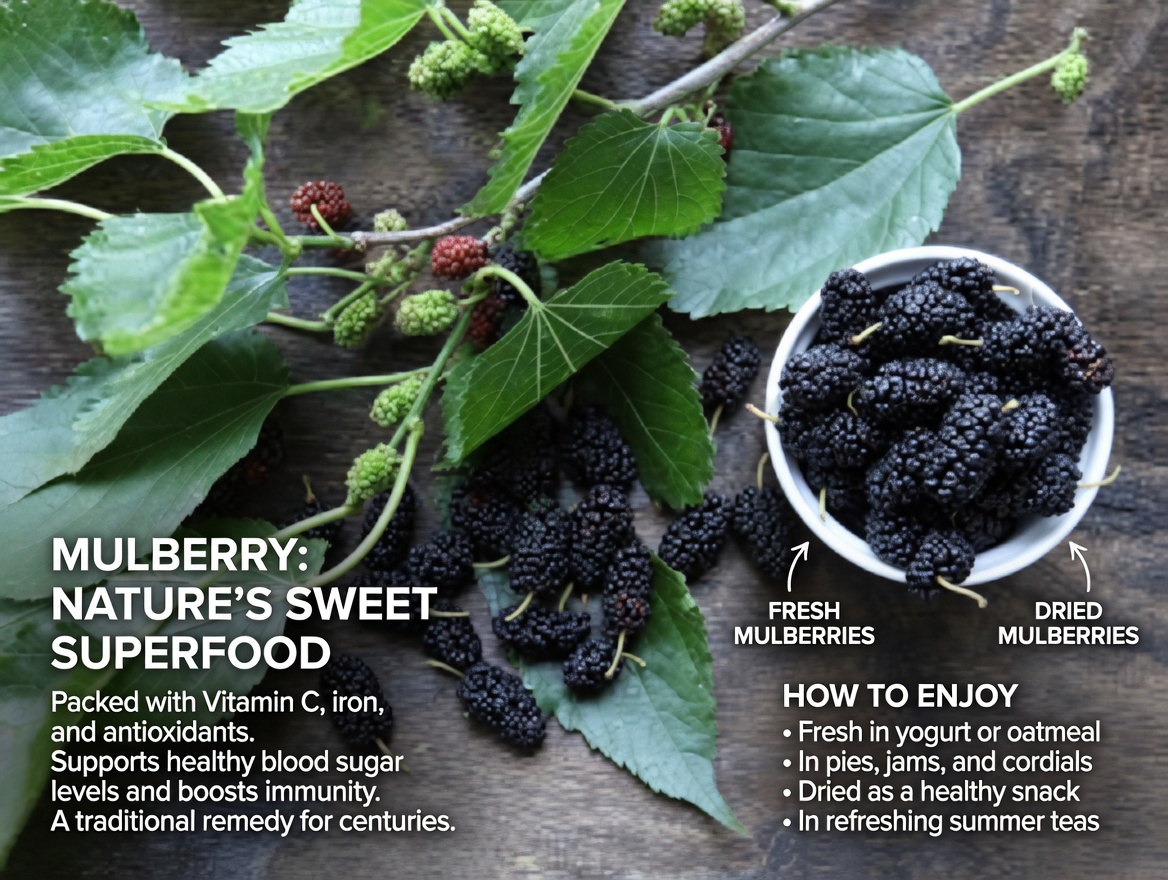
Mulberry leaves (Morus alba) have a long history in traditional Asian wellness practices. They’re also known internationally by various names, and today they’re drawing attention well beyond their original regions.
If you’re dealing with uneven energy, post-meal crashes, or stiffness that limits comfort, mulberry leaves are being explored for their naturally occurring plant compounds. Scientific literature (including studies indexed on PubMed) points to potential antioxidant and anti-inflammatory activity—two properties that may support overall metabolic and cardiovascular wellness.
How Mulberry Leaves May Help Support Healthy Blood Sugar
Sharp blood sugar rises after meals can trigger tiredness, mood swings, and cravings. Mulberry leaves are notable for 1-deoxynojirimycin (DNJ), a compound studied for its role in slowing carbohydrate breakdown and absorption.
Research suggests mulberry leaves may help:
- Reduce post-meal glucose spikes
- Support healthier insulin response
- Promote steadier day-to-day energy
Human studies indicate mulberry leaf preparations may be a useful complement for people navigating prediabetes or type 2 diabetes-related concerns (under professional guidance). If you’re frustrated by energy crashes and constant hunger cycles, mulberry leaves may offer gentle, natural support.

Mulberry Leaves and Blood Pressure Support
When blood pressure trends upward, some people experience headaches, restlessness, or a general sense of pressure and unease. Mulberry leaves contain nutrients and phytonutrients such as potassium, flavonoids, and polyphenols, which are commonly associated with vascular support.
These compounds may contribute to:
- Healthier blood vessel function
- More relaxed circulation dynamics
- Reduced strain on cardiovascular systems
While much of the evidence includes animal and early-stage research, mulberry leaf tea is often used as a calming daily habit for those aiming to support heart health and healthy blood pressure as part of a broader lifestyle plan.
Potential Benefits of Mulberry Leaves for Cholesterol and Heart Health
Cholesterol concerns can feel stressful, especially when you’re thinking about long-term cardiovascular risk. Mulberry leaves provide fiber and flavonoids like quercetin, which are frequently studied for their role in lipid balance.
Findings in some research reviews suggest mulberry leaves may:
- Help reduce LDL (“bad”) cholesterol in certain contexts
- Support healthier lipid profiles
- Contribute to overall cardiovascular wellness
If you’re worried about unhealthy fats building up over time, mulberry leaves may be one more supportive tool to discuss with a healthcare professional.
Mulberry Leaves for Inflammation, Stiffness, and Daily Comfort
Ongoing low-grade inflammation can contribute to body aches, joint stiffness, and slow recovery—making movement and daily activity feel harder than they should. Mulberry leaves include plant compounds being studied for anti-inflammatory effects.
People commonly use mulberry leaves to support:
- Relief from muscle tiredness
- Improved comfort during occasional soreness
- Better post-activity recovery
Traditionally, mulberry leaves have been associated with restoring balance and comfort—especially when used consistently as part of a routine.
Circulation Support: How Mulberry Leaves May Help You Feel Lighter
Poor circulation can show up as cold hands and feet, tingling sensations, or heavy legs that drain your energy. The antioxidant profile of mulberry leaves may help support blood vessel health and circulation efficiency.
Potential circulation-related benefits include:
- Supporting smoother blood flow
- Reducing feelings of heaviness or sluggishness
- Helping improve comfort in cold or tired limbs
For those who feel run down by circulation-related fatigue, mulberry leaves may offer a gentle wellness boost.
How to Use Mulberry Leaves Daily
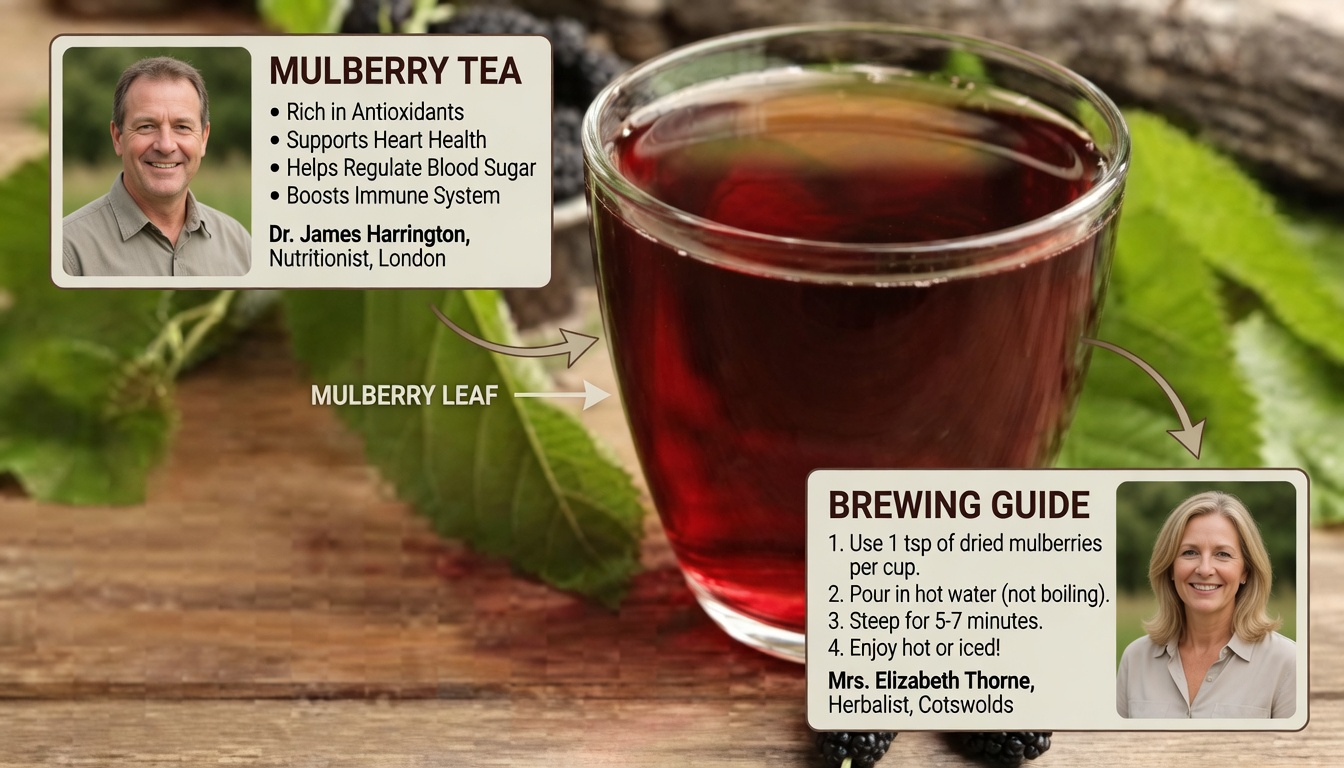
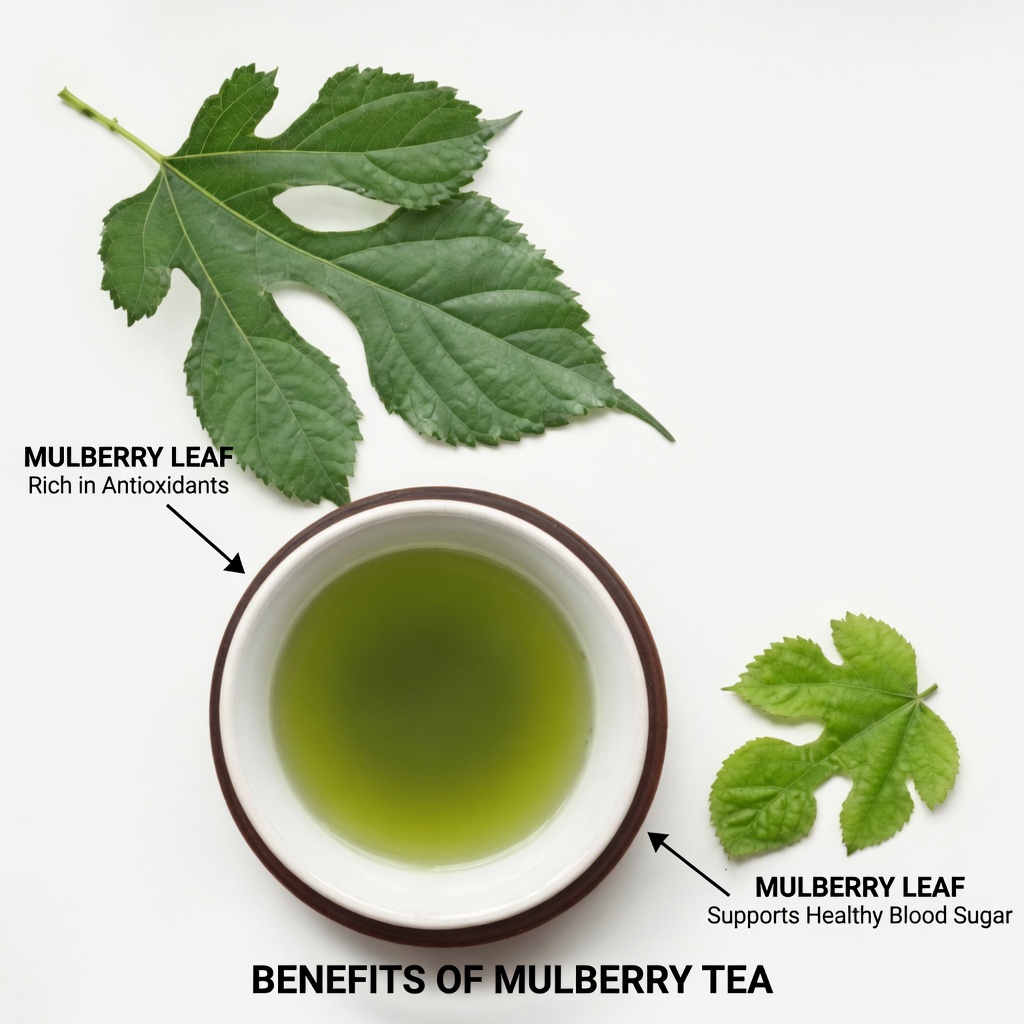
One of the simplest ways to take mulberry leaves is mulberry leaf tea—easy, affordable, and generally well tolerated.
Simple Mulberry Leaf Tea Recipe
- Use 7–10 fresh or dried mulberry leaves.
- Bring 1 liter of water to a boil.
- Add the leaves and simmer for 10 minutes.
- Strain and drink warm or chilled.
Other common options include:
- Capsules (for convenience and consistent dosing)
- Powder (added to smoothies or yogurt)
- Extracts (often included in blended formulas)
If you’re new to mulberry leaves, start with a small amount to see how your body responds.
What Research Suggests: A Quick Summary
- Blood Sugar: DNJ may slow carbohydrate absorption; some human trials show reduced post-meal spikes (helping with fatigue and cravings).
- Blood Pressure: Certain compounds may support blood vessel relaxation (helping with tension related to cardiovascular strain).
- Cholesterol: Some reviews suggest improved LDL and lipid balance (supporting long-term heart health).
- Inflammation & Comfort: Anti-inflammatory potential may help with daily aches and stiffness.
- Circulation: Antioxidants may support vascular function and reduce heaviness or cold sensations.
Sources such as PubMed and Healthline discuss mulberry leaves as a promising area of study. Still, it’s best used as part of a bigger plan that includes medical guidance.
A Gentle Next Step: Exploring Mulberry Leaves Responsibly
From blood sugar concerns to circulation fatigue, mulberry leaves offer a traditional approach that’s increasingly supported by emerging research. Many people find mulberry leaf tea a soothing, routine-friendly addition to their day.
If you take medications—especially those that affect blood sugar—consult your clinician first. Mulberry leaves may amplify glucose-lowering effects and increase the risk of going too low.
Note: Taking too much may cause mild digestive discomfort, so it’s wise to begin slowly.
Frequently Asked Questions
Are mulberry leaves safe to use every day?
For many people, mulberry leaves are generally considered safe in moderate amounts. However, you should confirm with a healthcare professional if you have medical conditions or take prescription medications.
How long does it take to notice results?
It varies. Some people report changes within a few weeks, but consistency and overall lifestyle factors strongly influence outcomes.
Can mulberry leaves replace diabetes, blood pressure, or cholesterol medications?
No. Mulberry leaves may provide supportive benefits, but they are not a substitute for prescribed treatment. Always follow professional medical advice.
Medical Disclaimer
This article is for informational purposes only and does not replace professional medical advice. Mulberry leaves may interact with medications or cause side effects in some individuals. Consult a qualified healthcare provider before use, especially if you manage chronic conditions or take prescription drugs.