Aging Anxiety Is Real — Could Blood Type Play a Small Role?
Noticing fine lines in the mirror, running out of energy earlier than you used to, or worrying that health problems might show up “with age” is a quiet stress most people understand. It can feel especially discouraging when you’re eating well, staying active, and still seeing changes you didn’t ask for.
One surprising question researchers have explored is whether something as fundamental as blood type may be connected to how we age. The answer isn’t black-and-white, but the science offers a few intriguing clues—while still pointing to one clear truth: your daily habits matter far more than your blood type.
Understanding Blood Types and a Potential Connection to Aging
Your blood type—A, B, AB, or O—comes from specific antigens on the surface of red blood cells. Most of us only think about blood type during blood donation, pregnancy, or emergencies. However, emerging research suggests blood type may be associated with different patterns in:
- Inflammation
- Cardiovascular health
- Cellular stress
For example, many studies report that non‑O blood types tend to have higher levels of certain clotting-related factors. This doesn’t mean blood type decides your future, but it may help explain why some people face different vulnerabilities over time.
What can feel unsettling is the idea that your body may come with built-in “settings” that make aging-related wear and tear a little more likely—especially when you’re already trying hard to stay healthy.
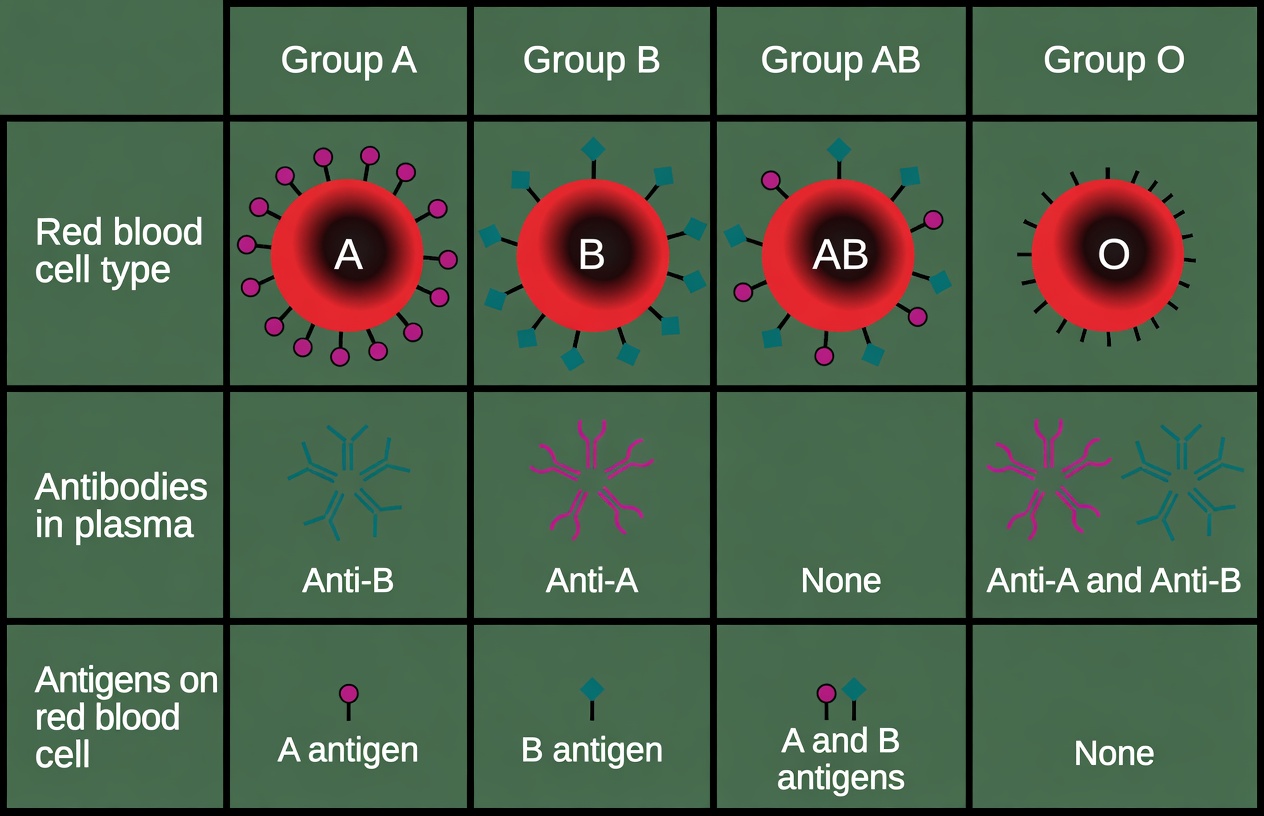
Blood Type O: Possible Protective Advantages
In several areas of research, blood type O is often linked with potential benefits that may support healthier aging.
Common observations in studies include:
- Lower cardiovascular risk, partly due to reduced clotting tendencies
- Potential resilience against certain chronic conditions associated with faster aging
- Better circulation, which supports long-term tissue and organ health
Some reviews also note that people with blood type O may show lower inflammation markers, and chronic inflammation is widely recognized as a major driver of age-related decline.
Still, these findings describe associations, not guarantees. People with blood type O can absolutely experience faster aging and disease risk when sleep, stress, diet, or activity levels are neglected.
Non‑O Blood Types (A, B, AB): Inflammation and Age-Related Concerns
If your blood type is A, B, or AB, research suggests you may statistically face a few extra headwinds related to aging and long-term health.
Frequently reported links include:
- Higher chronic inflammation, which can increase cellular damage over time
- Greater likelihood of hypertension and heart-related issues
- Increased oxidative stress, which contributes to tissue breakdown and functional decline
One commonly discussed factor is von Willebrand factor, a protein involved in clotting that is often higher in non‑O blood types and may also relate to inflammation. As the body ages, these patterns can potentially compound risk for conditions that influence how old you feel—and sometimes how old you look.
It’s easy to feel anxious when statistics sound like they’re stacking the deck against your skin, energy, or longevity. But the evidence still points to tendencies rather than fixed outcomes—and proactive lifestyle choices can significantly shift your trajectory.

Oxidative Stress, Immunity, and How Blood Type Might Matter
Oxidative stress—an imbalance that allows cellular damage to build up—plays a major role in aging. Some research suggests blood type may influence how the body responds to oxidative stress and immune challenges.
Possible areas of difference include:
- Variation in immune response patterns
- Differences in resilience to oxidative damage
- Long-term susceptibility to infections that can indirectly accelerate aging
These subtle biological differences may help explain why two people with similar routines can appear to age at different speeds. That comparison can feel unfair—but it’s also a reminder that biology is only one part of the story.
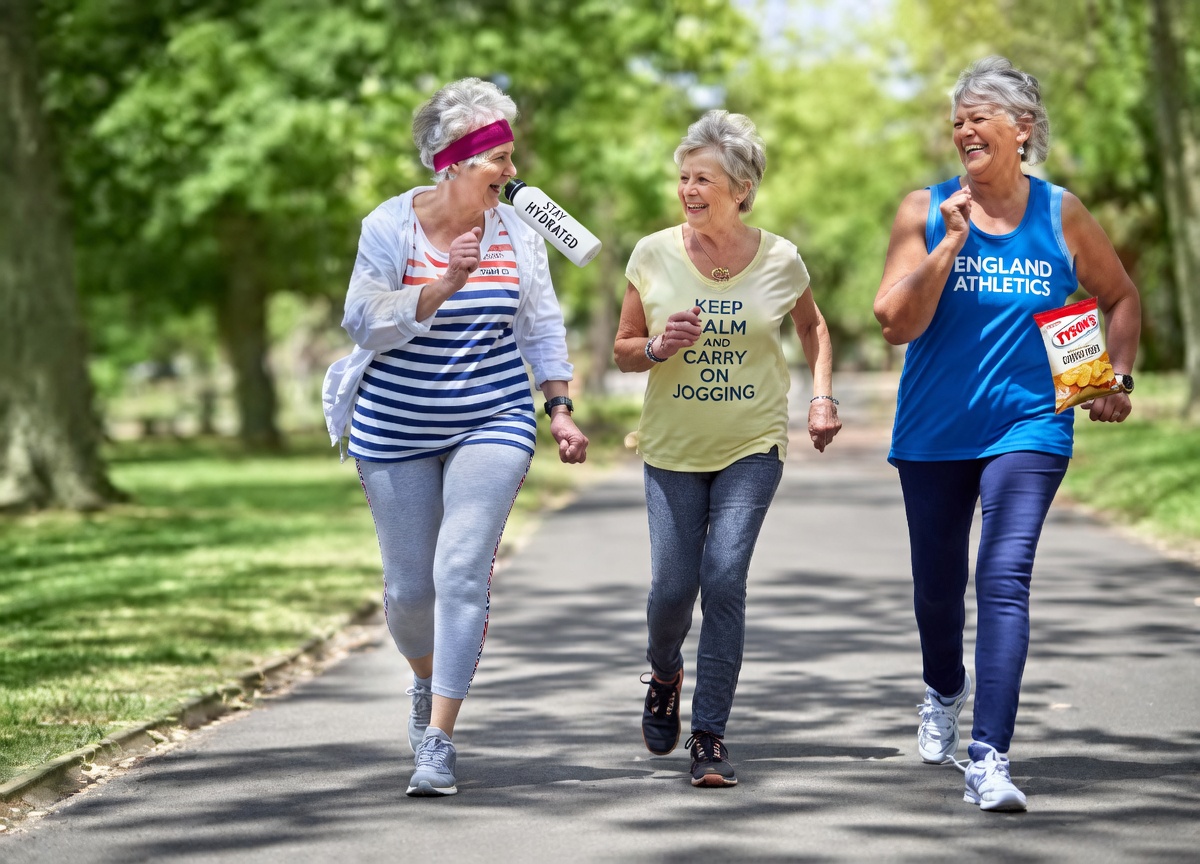
Lifestyle Habits Matter More Than Blood Type for Healthy Aging
Across the research, one conclusion remains consistent: lifestyle has a larger impact on aging than blood type. Regardless of genetics, the most reliable way to support longevity and vitality is to build habits that reduce inflammation, protect cardiovascular health, and support cellular repair.
Evidence-based habits that consistently help:
- Choose antioxidant-rich foods (berries, leafy greens, nuts, turmeric) to counter oxidative stress
- Get regular movement (walking, swimming, yoga) to improve circulation and heart function
- Prioritize 7–9 hours of quality sleep to support cellular repair and hormonal balance
- Reduce chronic stress through mindfulness, relaxation practices, or enjoyable hobbies to lower inflammation
These behaviors can produce measurable improvements in how you look, feel, and function over time—no matter what blood type you have.
Practical Steps to Age Well—Whatever Your Blood Type
If you want a simple, actionable approach, start with the basics and stay consistent:
- Track essential health markers, especially blood pressure
- Build meals around variety: aim for half your plate as fruits and vegetables
- Move for 30 minutes most days (brisk walking counts)
- Hydrate consistently and cut back on ultra-processed foods that increase inflammation
- Schedule annual checkups to catch problems early
In many cases, long-term consistency with these habits can outweigh potential blood-type-associated risks.
Final Thoughts: Your Daily Choices Shape Aging More Than Blood Type
Research on blood type and aging is interesting and ongoing. Some findings suggest differences in inflammation, clotting factors, and disease risk depending on whether you have type O or a non‑O type. But the evidence is still developing, and it doesn’t support the idea that blood type alone determines how you age.
The most empowering takeaway is also the most practical: your habits—diet, movement, sleep, and stress management—have the strongest influence on vitality and longevity. Knowing your blood type may help you stay informed, but your routine is what drives real results.
FAQ
Does having blood type O mean I will age more slowly?
Some studies link blood type O with lower cardiovascular risk and potentially lower inflammation markers, but lifestyle remains the dominant factor influencing aging speed and health outcomes.
Should I be concerned if my blood type is A, B, or AB?
No. These findings reflect general trends, not certainty. Healthy habits can meaningfully reduce inflammation and protect long-term health.
Can lifestyle overcome blood type-related risks?
Yes. Research consistently shows that sleep, diet quality, physical activity, stress control, and preventive care have a far greater impact on aging than blood type alone.