
12 Natural Foods That Can Help You Feel Better After 50
Reaching 50 often comes with changes that are hard to ignore. You may feel your energy dip more easily in the afternoon, notice stiffness after physical activity, or realize your body takes longer to recover than it did years ago. These shifts are common as metabolism slows and nutritional demands change over time. The encouraging part is that everyday eating habits can strongly influence how steady, active, and well you feel.
Many adults find that choosing whole, nutrient-rich foods helps them maintain energy, stay mobile, and enjoy daily life more after 50. In this article, you’ll discover 12 smart food choices supported by general nutrition research, plus simple ways to bring them into your meals. And before we get into the full list, there’s one surprisingly ordinary food that deserves extra attention for its role in supporting lasting energy and heart health.
Why Nutrition Becomes More Important After 50
As the body ages, it may absorb certain nutrients less effectively. At the same time, muscle mass can gradually decline if it is not supported through diet and lifestyle. Nutrition research consistently shows that eating patterns rich in vegetables, fruit, fiber, healthy fats, and high-quality protein can help support cardiovascular health, stable energy, and easier daily movement. Studies on healthy aging also point to the benefits of a plant-forward diet that includes moderate amounts of protein-rich foods.
The goal is not extreme restriction. It is about adding the right foods more often.
1. Berries: Small Fruit, Big Benefits
Blueberries, raspberries, and strawberries pack plenty of value into a small serving. They provide antioxidants, vitamin C, and fiber, which help protect cells from everyday stress and support overall wellness. Many people over 50 enjoy berries as an easy way to add freshness and natural sweetness while supporting more balanced energy.
Easy ways to eat them:
- Stir them into oatmeal or yogurt
- Blend them into a smoothie
- Enjoy them fresh as a light snack
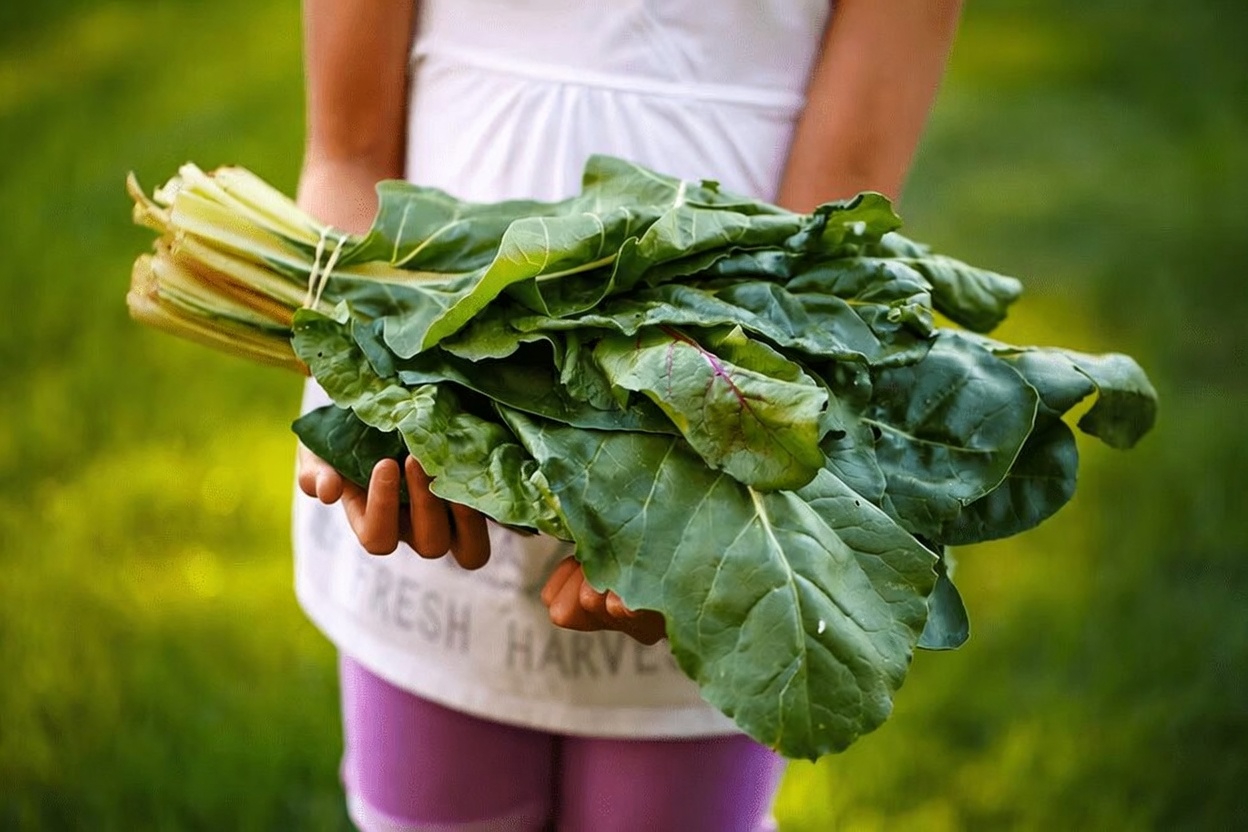
2. Dark Leafy Greens: Everyday Support for Strength and Stability
Spinach, kale, and Swiss chard are loaded with fiber, vitamins, and minerals that support bone health and everyday vitality. They are often recommended for adults over 50 because they supply nutrients such as calcium and magnesium without adding excess calories.
Simple ways to use them include:
- Lightly sautéing them with garlic
- Adding them to soups
- Using them as the base for salads
3. Fatty Fish Such as Salmon: A Reliable Source of Omega-3s
Salmon and other oily fish provide quality protein and omega-3 fatty acids. These nutrients are widely linked with heart support and more comfortable movement. Research suggests that eating fatty fish regularly may help preserve muscle and support cardiovascular function as we grow older.
A practical target is two servings each week. Try it:
- Baked
- Grilled
- Flaked into salads
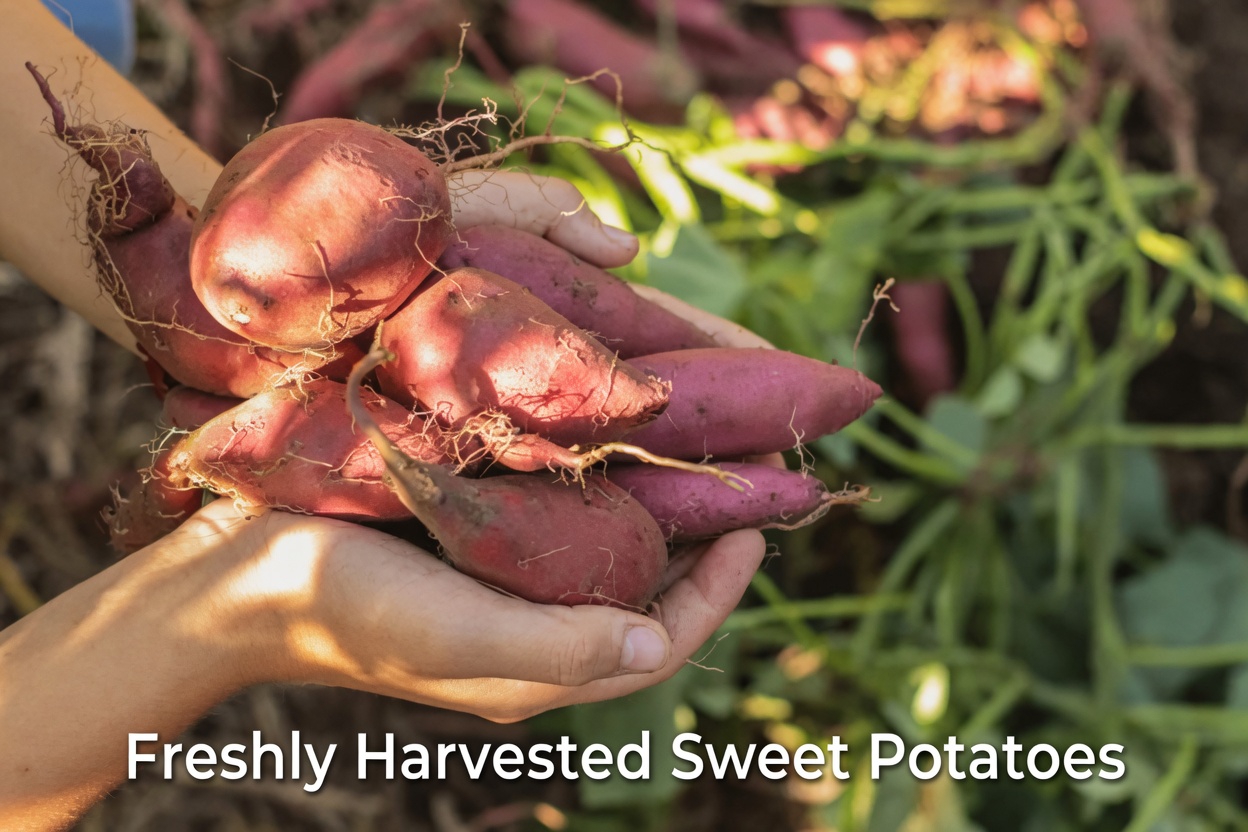
4. Sweet Potatoes: A Surprising Staple for Steady Energy
This is the everyday food many people underestimate. Sweet potatoes contain fiber, potassium, vitamin C, and beta-carotene, which the body turns into vitamin A. Because they are a complex carbohydrate, they provide a slower, steadier release of energy rather than the quick spike-and-drop effect associated with more refined foods.
Their natural sweetness also makes them satisfying without feeling too heavy. They are often appreciated for helping support immune health, digestion, and more stable daily energy.
Easy ideas for serving sweet potatoes:
- Bake them whole and add a little cinnamon
- Mash them as an alternative to white potatoes
- Roast cubes with olive oil and herbs
They also pair especially well with several of the other foods on this list, making meal planning easier and more balanced.
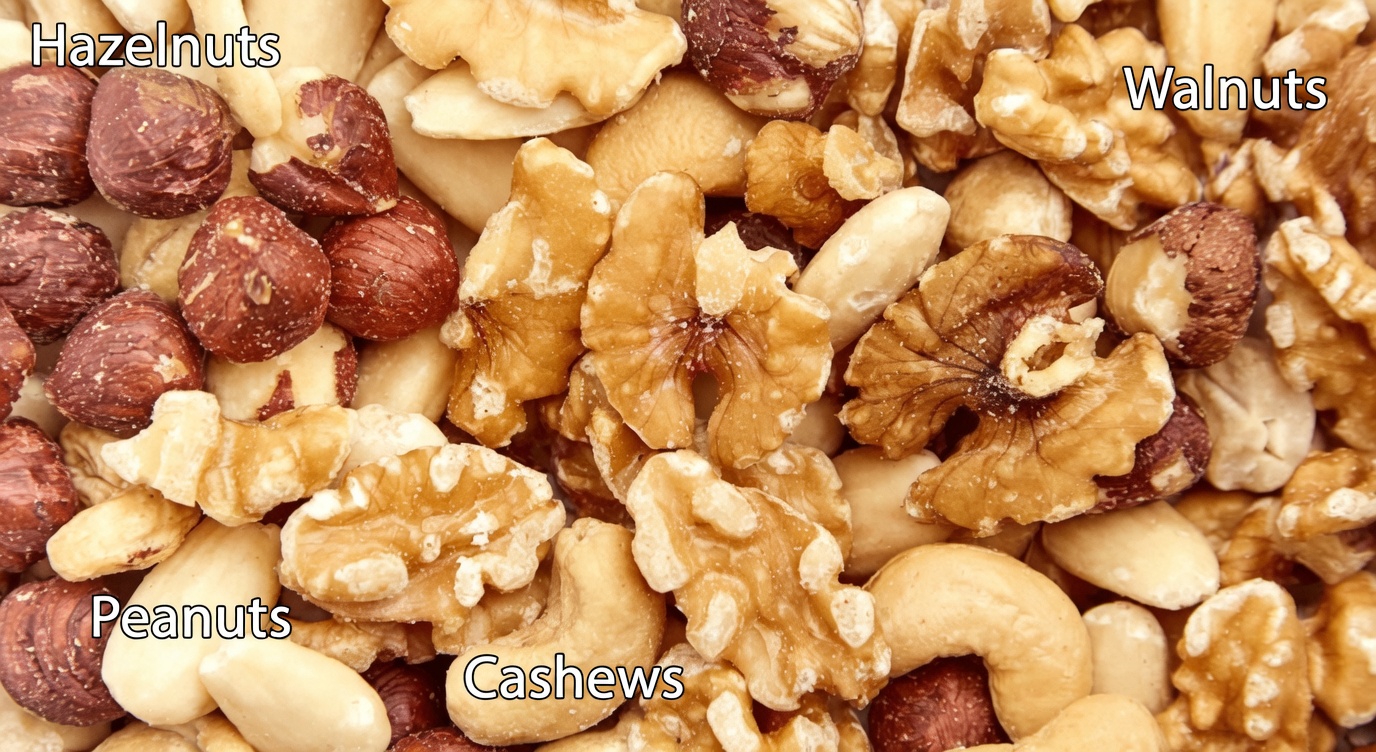
5. Nuts and Seeds: Heart-Friendly Crunch
Almonds, walnuts, flaxseeds, and similar options offer healthy fats, protein, and magnesium in a small portion. These foods are commonly associated with better heart health markers and can help you stay satisfied between meals.
For most people, about one ounce per day is a reasonable serving. It is best to choose unsalted varieties when possible.
6. Avocados: Creamy Fats That Fit a Healthy Diet
Avocados are rich in monounsaturated fats and potassium, two nutrients often included in heart-supportive eating plans. Their smooth texture makes them easy to add to a wide range of meals.
Try avocados:
- Sliced over salads
- Mashed onto toast
- Used as a simple spread or side
7. Beans and Legumes: Fiber and Plant Protein in One
Lentils, black beans, kidney beans, and chickpeas are affordable, versatile, and filling. They provide plant-based protein along with fiber, which supports digestive regularity and helps you stay full longer. That can be especially helpful when managing energy becomes a bigger priority.
8. Whole Grains Like Oats: A Strong Start to the Day
Oats and other whole grains provide soluble fiber and B vitamins that support steady blood sugar and heart health. For many active adults over 50, oatmeal remains a dependable breakfast because it is simple, satisfying, and easy to customize.
9. Eggs: Convenient, High-Quality Protein
Eggs are a practical source of protein and also contain nutrients such as choline and vitamin D, especially in fortified or pasture-raised options. They cook quickly, work in many meals, and can help you stay full longer.
10. Greek Yogurt or Low-Fat Dairy: Support for Bones and Muscles
Plain Greek yogurt offers protein and calcium, both of which can help support bone density and muscle maintenance. Choosing unsweetened versions is often the best option, and you can add fruit or a small drizzle of honey for flavor.
11. Olive Oil: A Simple Daily Upgrade
Extra virgin olive oil is a key part of many eating patterns associated with longevity. It adds flavor while supplying beneficial fats and plant compounds. Use it in light cooking or as a dressing for vegetables and salads.
12. Colorful Fruits and Vegetables Beyond Berries
Berries are only part of the picture. Tomatoes, carrots, broccoli, citrus fruits, and other colorful produce bring additional antioxidants, hydration, fiber, and vitamins to your meals. Eating a wide variety helps keep your diet interesting while expanding the range of nutrients you get.
How These Foods Support Health After 50
Here is a quick look at how these natural foods can help in key areas:
- Energy support: sweet potatoes, oats, and beans provide complex carbohydrates and fiber for slower energy release
- Heart health: fatty fish, avocados, nuts, and olive oil offer healthy fats and potassium
- Joint and movement comfort: salmon and walnuts provide omega-3s, while berries and greens contain compounds linked with reduced everyday inflammation
- Overall vitality: leafy greens, eggs, and yogurt contribute protein along with important vitamins and minerals
Easy Ways to Add These Foods to Your Routine
You do not need to reinvent your entire diet overnight. Small changes are often the easiest to sustain.
Breakfast ideas
- Top oatmeal with berries and chopped walnuts
- Add scrambled eggs on the side
- Try Greek yogurt with fruit for a high-protein option
Lunch ideas
- Build a salad with dark leafy greens, chickpeas, avocado, and olive oil dressing
- Include grilled salmon a couple of times each week
Smart snacks
- Keep a small portion of nuts nearby
- Choose fruit when you want something light
- Pair Greek yogurt with berries for an afternoon snack
Dinner ideas
- Serve baked sweet potato with roasted vegetables and lean protein
- Finish vegetables with a drizzle of olive oil for extra flavor and healthy fat
Do not forget hydration
- Drink water or herbal tea with meals to support overall comfort and daily function
Many people also find it helpful to prep a few ingredients in advance. Washing greens, roasting sweet potatoes, or cooking a batch of beans can make healthy meals much easier during a busy week.
The Bottom Line
Adding these 12 natural foods to your regular routine can help support energy, heart health, and more comfortable movement after 50. The most effective approach is not perfection. It is consistency, variety, and choosing foods you genuinely enjoy.
Over time, small daily decisions can create noticeable improvements in how you feel. Many people experience better energy and a stronger sense of well-being within just a few weeks of making simple, sustainable upgrades to their meals.
FAQ
1. Can I eat these foods every day?
Yes. Most of the foods on this list can be enjoyed daily or almost daily as part of a balanced diet. Pay attention to how your body responds, and speak with a healthcare professional if you need advice tailored to your personal health needs.
2. Are there any foods here that should be limited?
Portion size matters most with calorie-dense foods such as nuts, avocados, and fatty fish. These foods are nutritious, but moderation helps them fit well into your overall eating plan.
3. What if I do not like all of these foods?
That is completely fine. You do not need to eat every item on the list. Focus on the options you enjoy and look for similar substitutes. For example:
- If you do not like salmon, try sardines or trout
- If kale is too strong for you, choose spinach
- If Greek yogurt is not appealing, use another protein-rich dairy option
The key is building a pattern you can maintain long term.