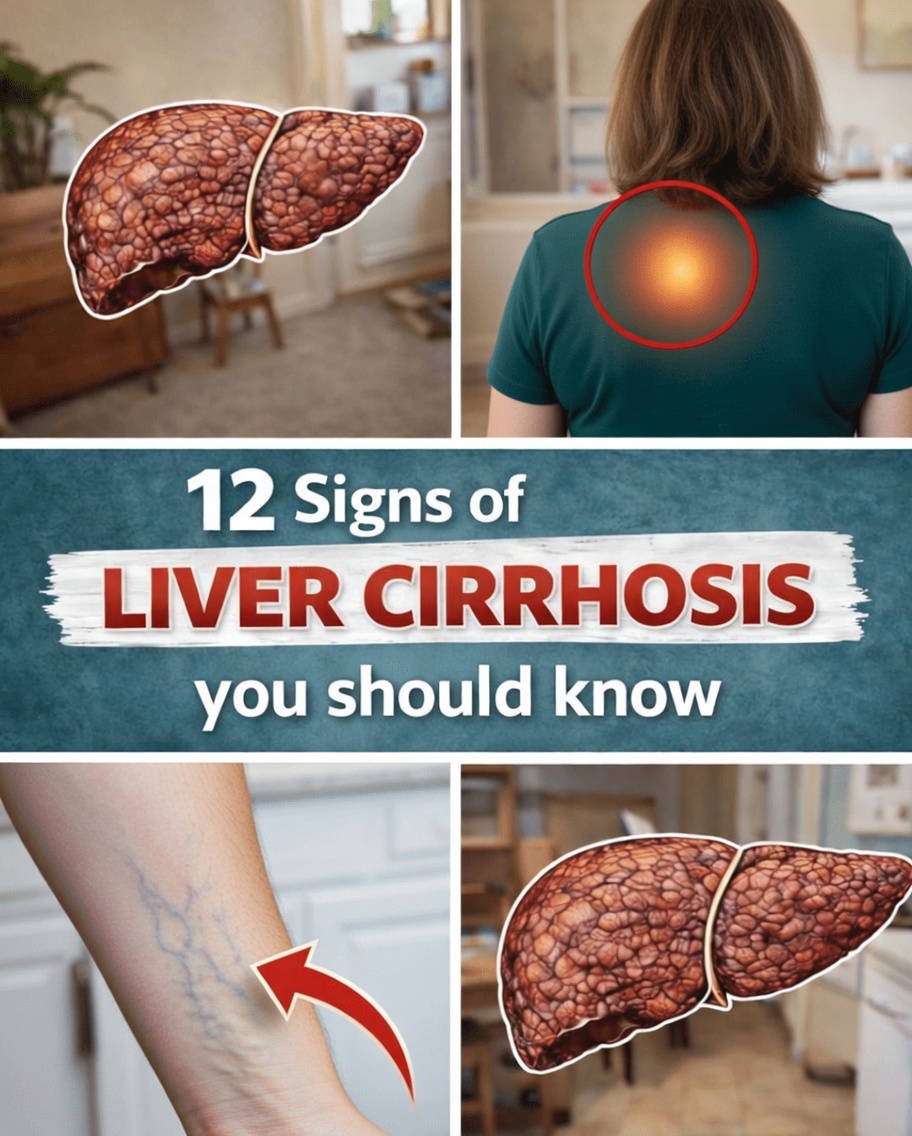
Your Liver Works Harder Than You Think
Your liver performs hundreds of essential tasks every single day. It helps remove toxins, supports digestion, manages nutrients, and plays a major role in energy production. When this organ is placed under long-term strain, scar tissue can slowly develop and interfere with how well it functions. The challenge is that early warning signs are often subtle and easy to mistake for routine fatigue, stress, or ordinary skin changes.
Because these symptoms can blend into daily life, many people overlook them until they become more noticeable. Recognizing them earlier may help you take action sooner and make more informed decisions about your health. And before you finish reading, you’ll also find a few simple daily habits that studies associate with better liver support.
What Is Liver Cirrhosis?
Liver cirrhosis happens when healthy liver tissue is gradually replaced by scar tissue after years of ongoing damage. As noted by trusted medical sources such as the Mayo Clinic, the condition may cause very few clear symptoms at first. But as the scarring increases, the liver becomes less able to carry out its normal functions.
This is why awareness matters. Many signs of cirrhosis develop slowly, and they can easily be confused with other common issues. Still, paying attention to these quiet signals can make it easier to know when to speak with a healthcare professional.
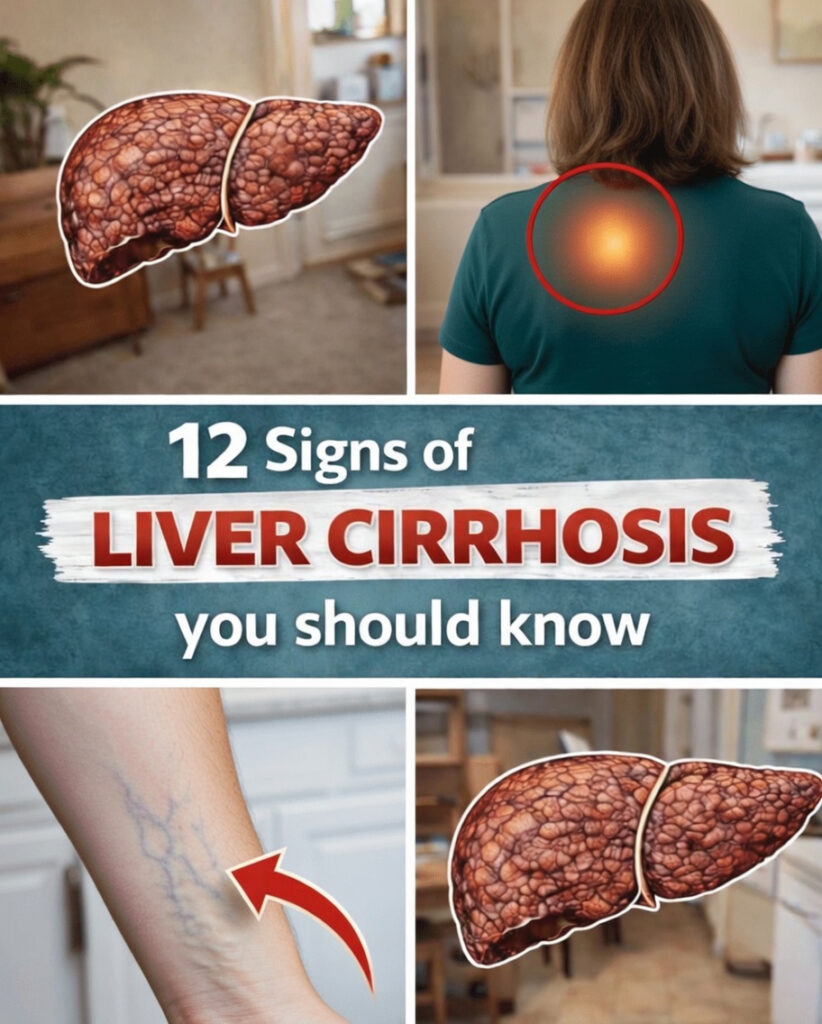
12 Signs of Liver Cirrhosis to Watch For
Medical references including the Mayo Clinic and Cleveland Clinic identify several common symptoms that may appear as cirrhosis progresses. Below are 12 signs explained in a simple, practical way.
1. Ongoing Fatigue and Low Energy
Feeling constantly worn out, even after getting enough sleep, is one of the most common early signs. Since the liver helps process nutrients and support energy balance, reduced function can leave you feeling weak and drained for long periods.
2. Reduced Appetite and Unintentional Weight Loss
You may find that meals are less appealing than before, or you may lose weight without trying. This can happen because the liver is deeply involved in digestion, nutrient use, and metabolism.
3. Nausea or Digestive Upset
Frequent queasiness, a bloated feeling after eating, or occasional vomiting may suggest that the liver is no longer handling digestion as efficiently as it should.
4. Severe Itching Without an Obvious Rash
Persistent itching, also called pruritus, can appear even when the skin looks normal. This often happens when bile builds up because a scarred liver cannot process and clear it properly.

5. Spider-Like Blood Vessels on the Skin
Small red marks with thin branching lines, known as spider angiomas, can develop on areas such as the chest, shoulders, or back. These visible skin changes are commonly associated with liver disease.
6. Red Palms
A warm, reddish color in the palms, called palmar erythema, may occur as circulation and hormone-related processes shift due to liver dysfunction.
7. Bruising or Bleeding More Easily
If minor bumps leave larger bruises than usual, or small cuts take longer to stop bleeding, your liver may not be producing enough of the proteins needed for proper clotting.
8. Swelling in the Legs, Feet, or Ankles
Fluid retention in the lower body, often called edema, can happen when the liver struggles to regulate fluid balance effectively. Swelling may be mild at first or become more noticeable over time.
9. Abdominal Swelling or Lasting Bloating
A swollen or tight abdomen may be caused by fluid accumulation known as ascites. This is different from ordinary bloating and often feels more persistent and pronounced.
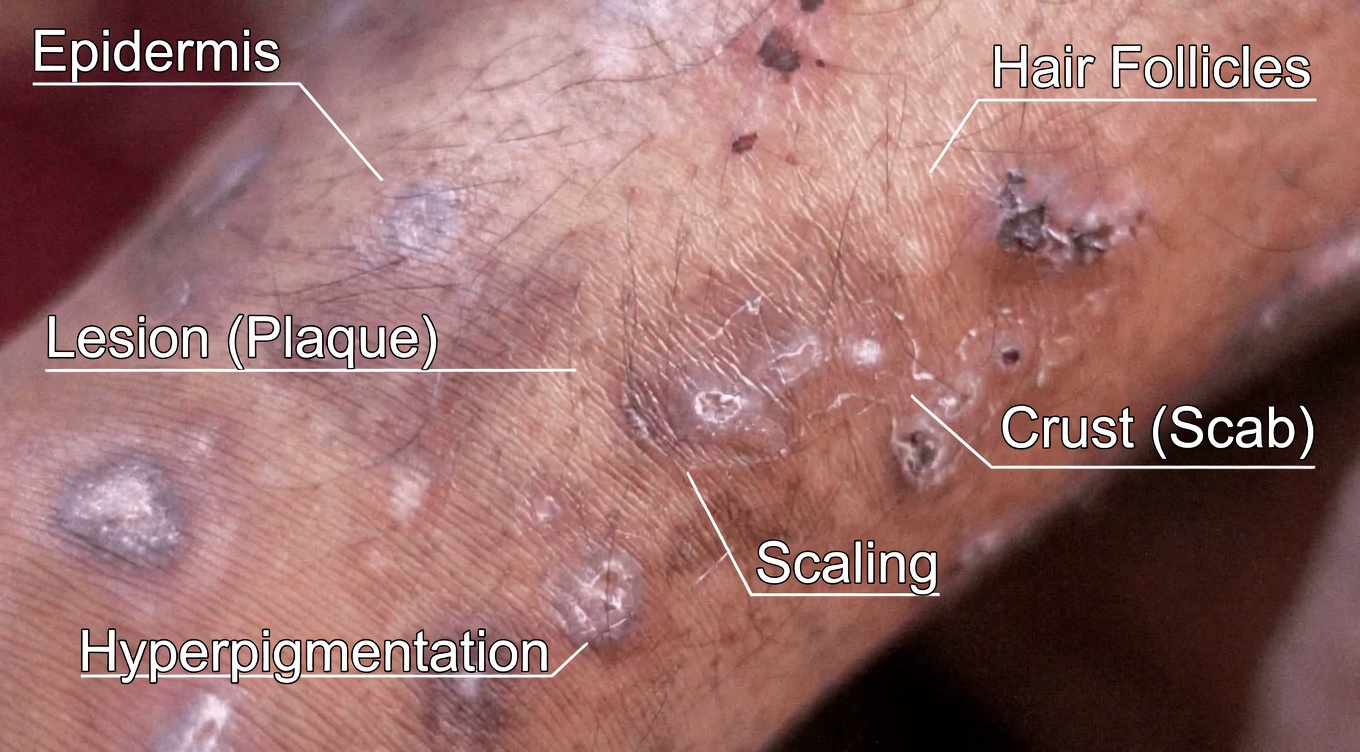
10. Yellowing of the Eyes or Skin
Jaundice causes a yellow tint in the skin or the whites of the eyes. It occurs when bilirubin builds up in the body. Some people also notice darker urine and paler stools at the same time.
11. Discomfort in the Upper Right Abdomen
A dull ache, pressure, or full sensation beneath the right rib cage may appear if the liver becomes enlarged or inflamed.
12. Trouble Concentrating or Changes in Mood
Cirrhosis can sometimes affect the brain when toxins are no longer cleared effectively. This may lead to confusion, poor focus, forgetfulness, or even changes in behavior and personality.
Sometimes these symptoms do not appear one by one. Instead, several may show up together. That is why noticing patterns over time can be especially important.
Everyday Habits That May Help Support Liver Health
Research continues to show that certain lifestyle choices can reduce stress on the liver and support overall function. Here are some simple habits worth considering:
- Build balanced meals with vegetables, fruits, whole grains, and lean protein while cutting back on highly processed foods and added sugar.
- Drink enough water throughout the day to help your body stay hydrated and function efficiently.
- Stay physically active with regular movement, even if it is just 30 minutes of walking most days.
- Reduce or avoid alcohol to give your liver a chance to rest and recover from unnecessary strain.
- Work toward a healthy weight through steady, realistic changes in eating and activity habits.
- Be cautious with medications and supplements and always ask your doctor before using anything unnecessarily.
- Prioritize good sleep because consistent rest supports repair, hormone balance, and overall wellness.
- Keep up with regular health check-ups so blood tests and screenings can identify problems early.
A useful tip to remember: research has linked cruciferous vegetables such as broccoli and Brussels sprouts with support for the body’s natural detoxification processes. They are an easy and nutritious addition to everyday meals.
When to Talk to a Healthcare Professional
If you recognize several of these symptoms, or if they are becoming more severe, it is a good idea to speak with your doctor. A healthcare provider can order appropriate tests and help determine whether your liver may be involved.
Conclusion
Understanding these 12 possible signs of liver cirrhosis can help you pay closer attention to what your body may be telling you. Awareness, combined with small and consistent lifestyle choices, can play an important role in supporting your health and helping you feel better day to day.
FAQ
What commonly leads to liver cirrhosis?
Cirrhosis often develops after years of ongoing liver damage. Common causes include heavy alcohol use, viral infections such as hepatitis, and certain metabolic or inherited conditions. Lifestyle and genetics may both contribute.
Can lifestyle changes help if symptoms appear?
In many cases, healthier daily habits can support liver health and improve how a person feels. Better nutrition, regular movement, and avoiding known stressors may help, although outcomes vary depending on the individual and the severity of the condition.
How is liver cirrhosis usually diagnosed?
Doctors typically use a combination of blood tests, imaging studies such as ultrasound, and in some cases a liver biopsy to confirm the diagnosis.
Disclaimer
This article is for informational purposes only and should not be considered medical advice, diagnosis, or treatment. Always seek guidance from a qualified healthcare professional for concerns about your health.