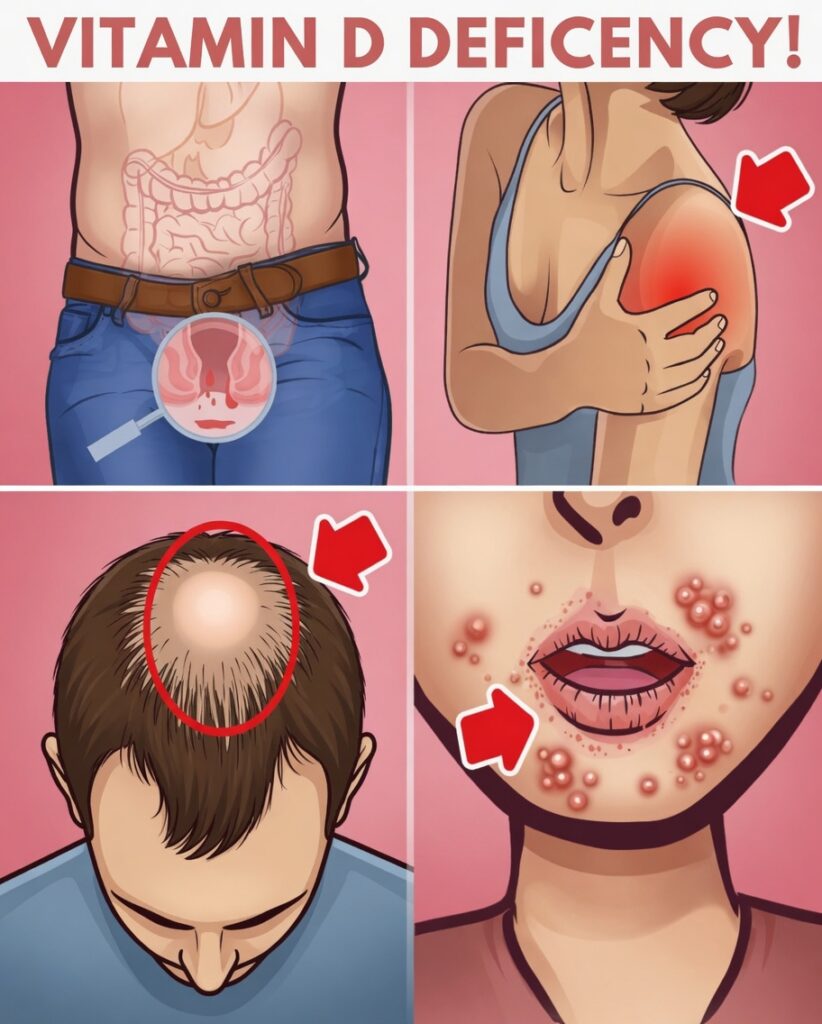
Feeling Exhausted All the Time? Low Vitamin D Could Be a Hidden Factor
Waking up tired—even after a full night of sleep—can make everyday life feel harder than it should. When fatigue becomes constant, simple tasks start to feel draining, and your focus, mood, and enjoyment can suffer.
One commonly missed contributor is low vitamin D. The good news: when you recognize the subtle clues your body may be sending, you can make straightforward changes that often support better energy and overall well-being. Below are eight unusual signs of vitamin D deficiency and practical ways to improve your vitamin D status.
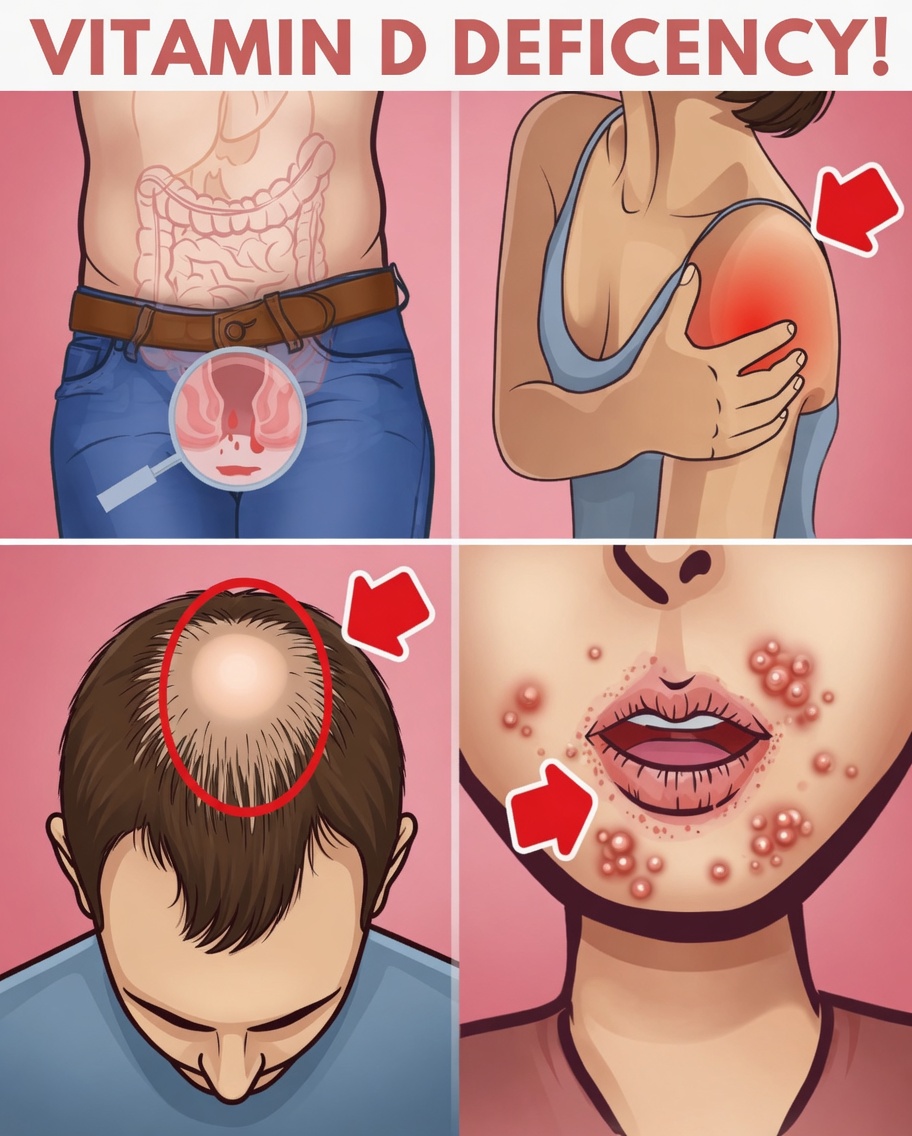
Sign 1: You’re Always Tired, Even After Rest
If you feel heavy, sluggish, and worn out day after day, it may not be “just stress.” Vitamin D supports energy-related processes, and when levels are low, the body may struggle to function at its best—leaving you tired even if you’re sleeping enough.
Studies also link vitamin D with muscle performance and metabolism, which can influence how energetic you feel throughout the day.

Sign 2: You Catch Every Cold or Infection
Do you feel like you’re constantly dealing with sniffles, lingering colds, or frequent infections? Vitamin D plays an important role in immune system regulation, helping the body respond effectively to germs.
When vitamin D is insufficient, immune defenses may be less robust—making it easier to get sick or harder to bounce back.

Sign 3: Your Mood Stays Low, Irritable, or “Off”
Ongoing sadness, low motivation, or irritability can affect work, relationships, and your overall quality of life. Vitamin D is involved in brain function and has been associated with mood regulation, partly due to its relationship with certain brain chemicals.
Research suggests that vitamin D deficiency may correlate with low mood in some individuals—especially when combined with other lifestyle factors.

Sign 4: Unexplained Bone or Lower Back Discomfort
A persistent ache in the lower back or a deep “bone soreness” that doesn’t have a clear cause can be a sign worth paying attention to. Vitamin D helps your body absorb calcium, which is essential for maintaining strong bones.
Over time, low vitamin D may contribute to bone weakness or discomfort, particularly if calcium intake is also low.
Sign 5: More Hair Shedding Than Usual
Noticing extra hair in the shower drain or on your brush can be unsettling. Hair loss has many possible causes (stress, hormones, nutrition), but vitamin D has been studied for its role in hair follicle cycling.
Emerging evidence suggests that low vitamin D may be linked to increased shedding in some people, making it one potential factor to consider.

Sign 6: Muscle Weakness or Frequent Muscle Aches
If climbing stairs feels harder than it used to—or you’re dealing with recurring muscle soreness—vitamin D could be relevant. Muscles contain vitamin D receptors, and adequate levels are associated with muscle strength and function.
Low vitamin D has been connected in research to reduced muscle performance and sometimes generalized muscle discomfort.
Sign 7: Small Cuts and Wounds Heal Slowly
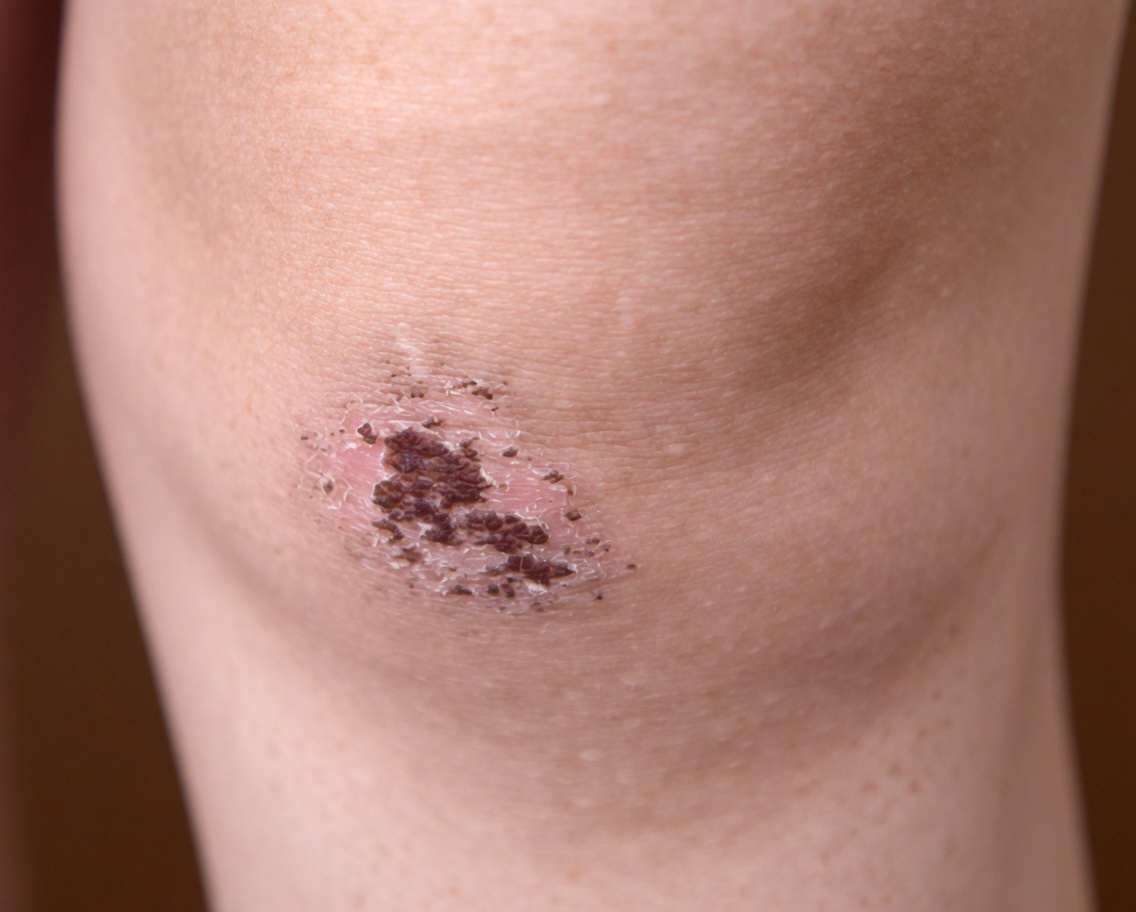
When minor scrapes or small injuries seem to take much longer to heal than expected, it may signal that the body’s repair processes aren’t operating optimally. Vitamin D supports tissue repair and immune activity, both of which matter for recovery.
Some studies have found associations between low vitamin D and slower wound healing, especially in people with other health risks.
Sign 8: Unusual Sweating—Especially on the Head
Excessive sweating on the scalp or forehead, even when you aren’t hot or active, is a less common but reported sign linked with vitamin D deficiency. While this symptom can have many causes, persistent head sweating is one clue that may warrant checking vitamin D—particularly if other signs on this list also apply.
Simple, Practical Ways to Increase Vitamin D Naturally
Improving vitamin D levels often comes down to a few consistent habits:
-
Get safe sunlight exposure
- Many people benefit from 10–30 minutes of midday sun several times per week (depending on skin tone, season, and location).
- Exposing arms, legs, or back briefly can help; avoid burning and follow skin-safety guidance.
-
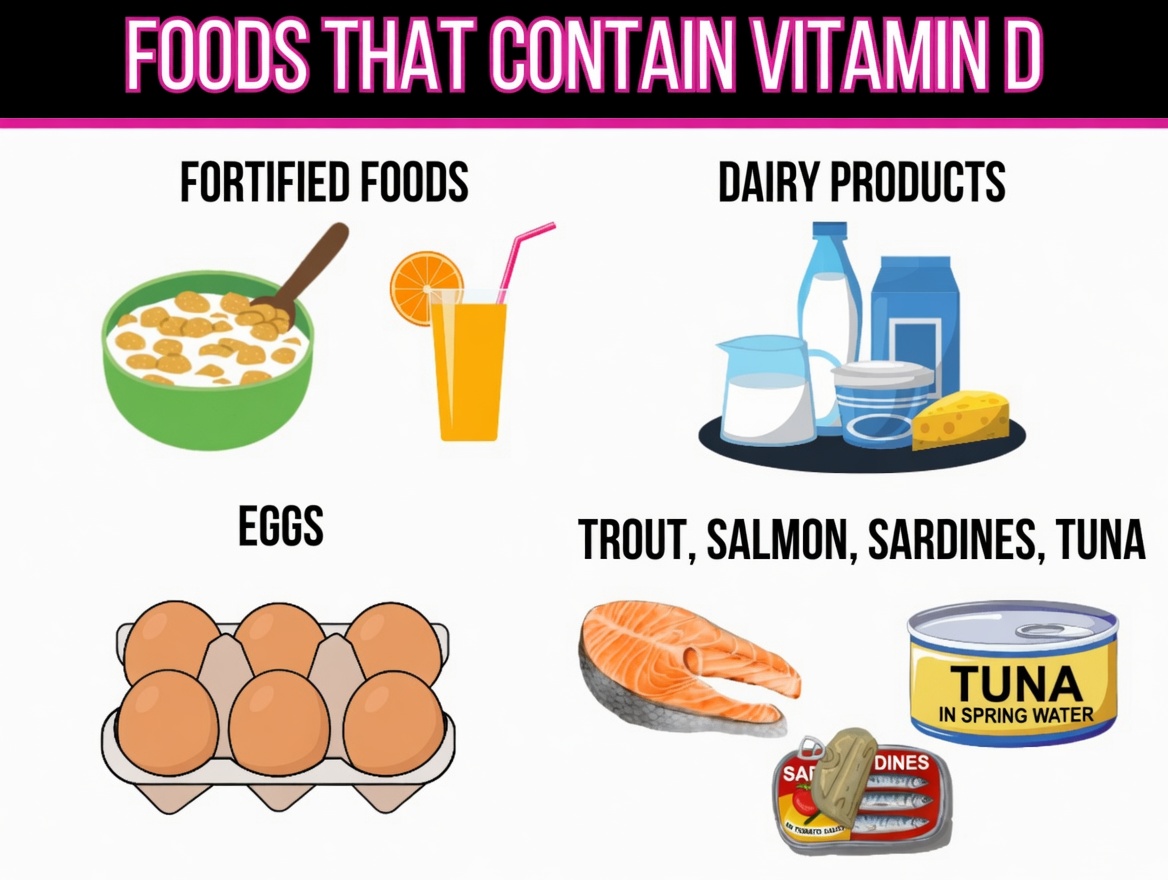
Eat more vitamin D-rich foods
- Fatty fish (salmon, tuna)
- Egg yolks
- UV-exposed mushrooms
- Fortified foods (milk, plant milks, orange juice, cereals)
-
Consider lifestyle limitations
- If you spend most of your time indoors, live in low-sun regions, or consistently use strong sun protection, sunlight and diet may not be enough on their own.
Vitamin D Food Sources (Quick Reference)
| Food Source | Approximate Vitamin D per Serving |
|---|---|
| Salmon (3 oz cooked) | 400–600 IU |
| Fortified milk (1 cup) | 100–120 IU |
| Egg yolk (1 large) | 40 IU |
| Mushrooms (1 cup, UV-exposed) | Up to 400 IU |
| Tuna (canned, 3 oz) | 200 IU |
Important: Talk with a healthcare professional before starting vitamin D supplements. A simple blood test can confirm your level and help determine the right approach and dose.
Summary
Unusual fatigue, frequent infections, low mood, bone discomfort, hair shedding, muscle weakness, slow healing, and excessive head sweating can all be possible signs of low vitamin D. Noticing these signals early gives you a chance to respond with small, supportive steps—like safe sun exposure and vitamin D-rich foods—that may improve energy, mood, and overall health.
Frequently Asked Questions
How much sun do I need to make vitamin D?
It depends on skin tone, location, time of day, and season. For many people, 10–30 minutes of midday sun on arms and legs a few times per week can help support healthy vitamin D levels.
Can diet alone provide enough vitamin D?
Diet helps, but for many people it’s difficult to meet vitamin D needs through food alone—especially with minimal sun exposure. Fortified foods and fatty fish can contribute meaningfully, but intake may still fall short.
When should I talk to a doctor about vitamin D?
If you notice multiple symptoms from this list, or you have risk factors like limited sun exposure, darker skin tone, or living in a low-sun climate, consider asking your healthcare provider about a vitamin D blood test for an accurate assessment.