Many women manage packed calendars with little room for self-care, and it’s easy to fall into buying pricey, chemical-heavy products that may irritate sensitive skin or inflate everyday expenses. The ongoing hunt for solutions can feel exhausting—especially when you’re dealing with dull complexion, stubborn odors, or tooth stains that chip away at confidence in social and professional settings. The good news: baking soda is a simple, budget-friendly household staple with surprisingly versatile uses. Stay to the end for an easy closet-and-wardrobe trick that makes getting dressed feel effortless.
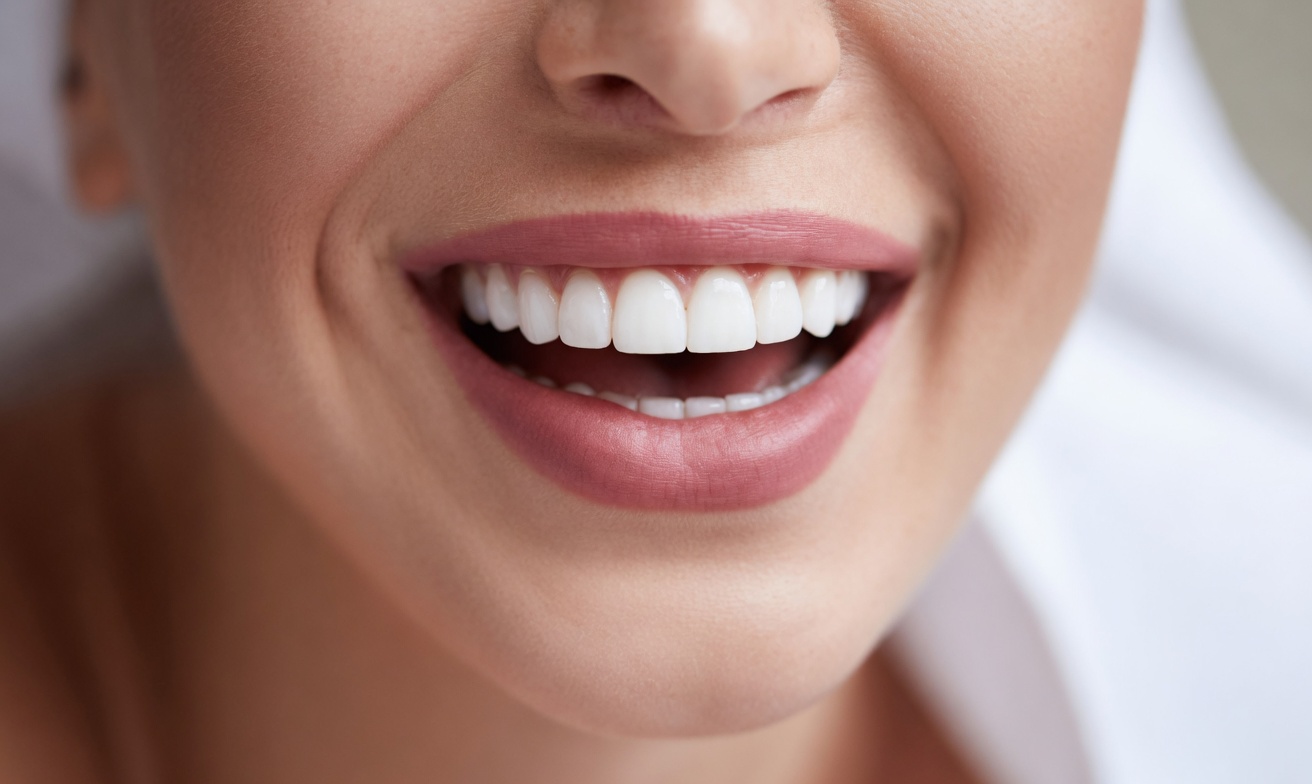
1. Natural Teeth Whitening for Surface Stains
Coffee and tea stains can linger on teeth and make you second-guess your smile—particularly during presentations, interviews, or photos. One of the most practical baking soda tricks for women is using it as a mild abrasive to help lift surface discoloration.
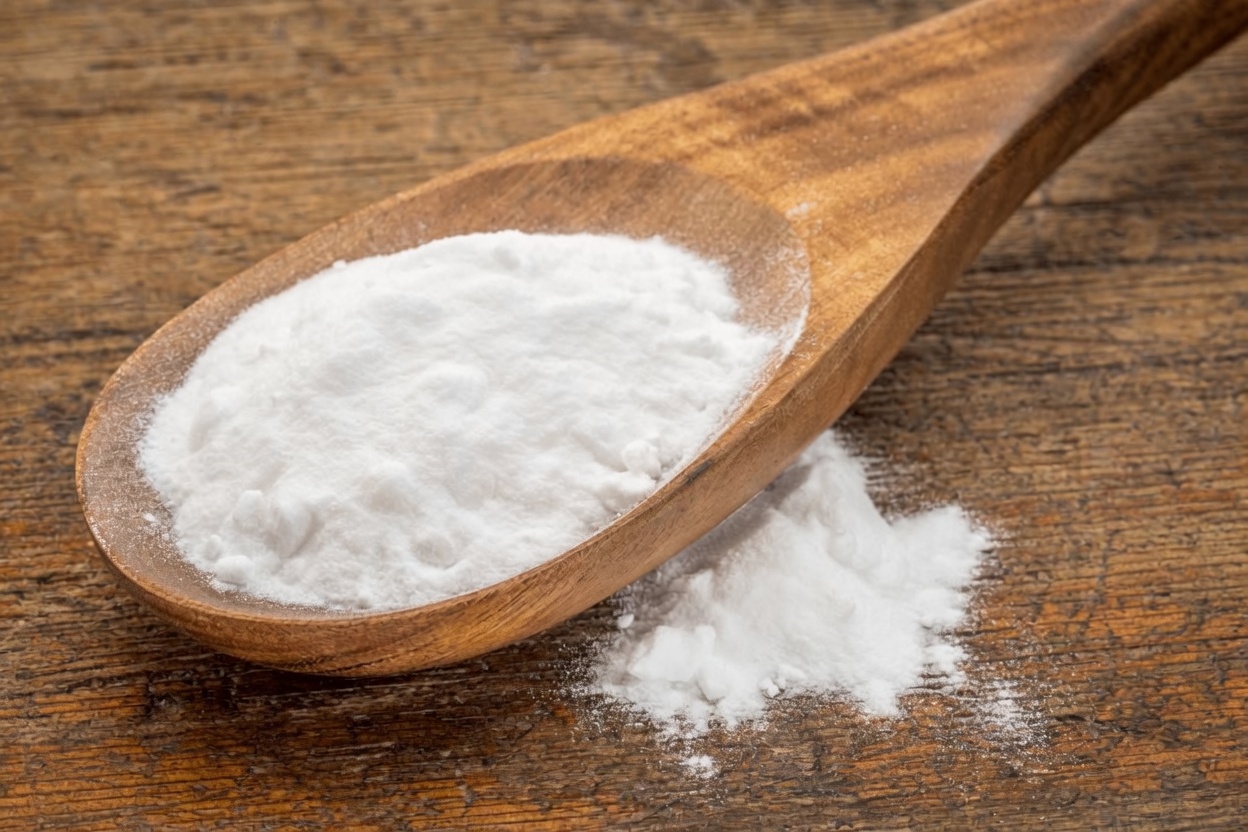
WebMD notes that baking soda can help physically remove plaque, which may improve brightness when used occasionally. To try it:
- Mix a small pinch of baking soda with water (or blend a tiny amount into your toothpaste) to create a paste.
- Brush gently for 1–2 minutes.
- Rinse well.
Use no more than once or twice per week to reduce the risk of enamel wear. Research cited in the Journal of the American Dental Association also supports the mild whitening benefit of baking soda in toothpaste formulas.
2. DIY Dry Shampoo for Greasy Roots
When mornings are rushed, oily hair can make you feel unprepared and self-conscious. Baking soda works well here because it’s naturally absorbent, making it a quick substitute for store-bought dry shampoo. Healthline highlights its oil-absorbing qualities for refreshing hair.
How to use:
- Sprinkle a small amount onto your roots (less is more).
- Massage lightly with fingertips.
- Brush through thoroughly to remove any residue.
For a more pleasant scent, you can mix in a drop of lavender essential oil before applying. This method often saves both time and money compared with commercial dry shampoos.
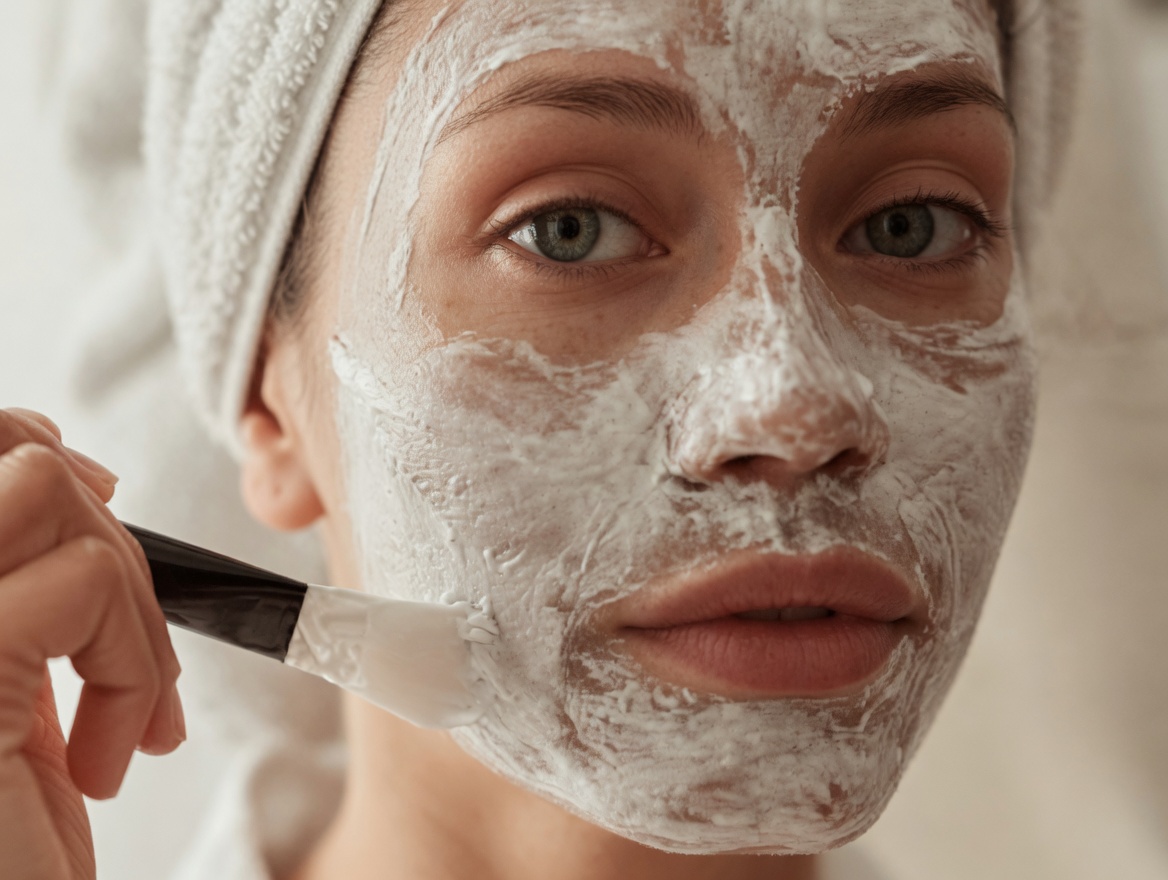
3. Gentle Exfoliating Scrub for Smoother Skin
Daily makeup, sunscreen, and pollution can contribute to clogged pores and a dull-looking complexion. Another popular baking soda beauty hack is a simple exfoliating paste that may help remove dead skin cells gently.
Healthline also references baking soda’s potential antibacterial effects when used topically. Try this quick scrub:
- Mix 1 teaspoon of baking soda with a little water to form a paste.
- Apply to damp skin and massage in gentle circles for about 30 seconds.
- Rinse thoroughly and follow with moisturizer.
Benefits of a Baking Soda Scrub
- Gentler option for many people with sensitive skin (when used sparingly)
- Low-cost alternative to store exfoliants
- Helps support a smoother-looking texture
4. Natural Deodorant Hack to Neutralize Odor
Body odor—after commuting, a long shift, or a workout—can add unnecessary anxiety to your day. Baking soda helps by neutralizing odor molecules, not just covering them up. WebMD explains that it can bring acidic odor compounds toward a more neutral state.
Simple ways to use it:
- Dab a tiny pinch under the arms (on clean, dry skin), or
- Mix baking soda with a little coconut oil to create a longer-lasting paste
Apply sparingly, since overuse can irritate delicate underarm skin. A major appeal: it can help you avoid aluminum, which is common in many conventional deodorants.
5. Soothing Foot Soak for Tired, Achy Feet
Standing all day, walking long distances, or wearing heels can leave feet sore and worn out. Baking soda is often used in soothing home care, and the Mayo Clinic mentions it in comfort-focused applications. A foot soak can help soften skin and reduce unwanted odor.
How to do it:
- Fill a basin with warm water.
- Add 3 tablespoons of baking soda.
- Soak for 15 minutes, then pat dry.
For extra relaxation, add Epsom salt or a couple of drops of essential oil.
Quick Foot Soak Guide
- Baking soda: softens skin — 3 tbsp
- Warm water: relaxes muscles — 1 basin
- Optional essential oil: adds aroma — 2–3 drops
6. Baking Soda Mouth Rinse to Refresh Breath
Strong meals can leave lingering breath that makes conversations feel uncomfortable. A baking soda rinse is a simple way to help neutralize odor-causing compounds. WebMD notes that baking soda can help eliminate smells rather than merely masking them.
Directions:
- Dissolve 1/2 teaspoon of baking soda in a glass of warm water.
- Swish or gargle for 30 seconds.
- Spit out and rinse if needed.
Its alkaline nature may help counter acid-producing bacteria that contribute to odor.
7. Boost Your Laundry for Fresher Clothes
Musty clothing from sweat, humid storage, or repeated wear can make getting dressed frustrating. One of the most useful baking soda household hacks is adding it to laundry to help neutralize odors and support fabric freshness. Healthline includes it among reliable household staples.
How to use:
- Add 1/2 cup of baking soda to the wash along with your usual detergent.
- For set-in stains, make a paste (baking soda + water), apply to the spot, and pre-treat before washing.
Laundry Benefits of Baking Soda
- Helps brighten whites
- Neutralizes odors in fabrics
- Softens water, which may improve detergent performance
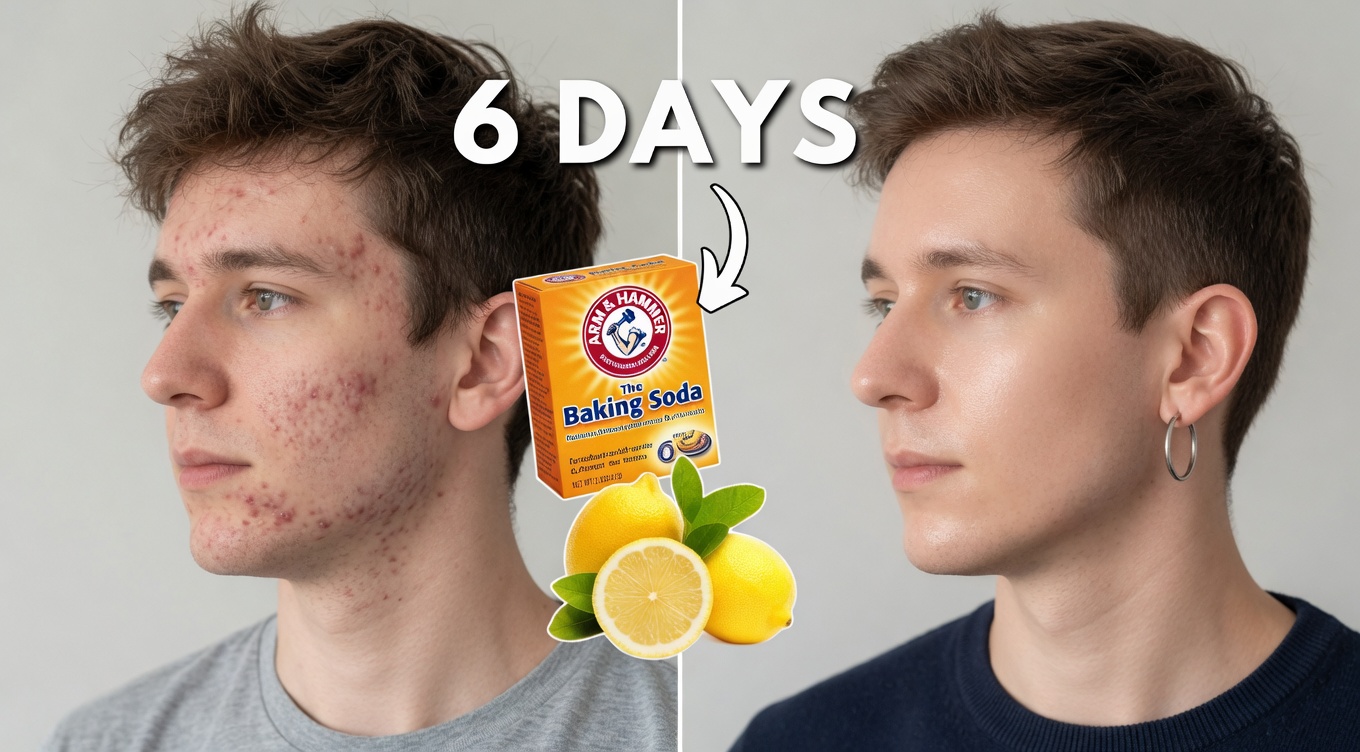
8. Acne Spot Treatment (Occasional Use)
A sudden breakout before an event can spike stress and affect confidence. Baking soda is sometimes used as a spot treatment due to its potential antibacterial properties. Healthline notes it may help reduce bacteria on the skin, though it should be used carefully to avoid dryness.
Steps:
- Mix baking soda with water into a paste.
- Apply to the blemish for 5–10 minutes.
- Rinse thoroughly and moisturize.
Use sparingly and consider pairing with a gentle cleanser to keep skin balanced.
9. Natural Nail Cleaner for Stains and Yellowing
Nails can discolor from frequent polish, daily wear, or residue buildup, making hands look less polished. A simple baking soda nail-cleaning method can help restore a cleaner look. Dr. Axe references baking soda’s cleansing role in certain beauty routines.
Try this:
- Combine baking soda with a little lemon juice.
- Gently scrub nails and rinse well.
- Repeat weekly as needed.
This approach avoids harsher removers that can be drying.
10. Under-Eye Brightening Paste (Use With Caution)
Lack of sleep often shows up as puffiness or dark circles, making you look more tired than you feel. Treehugger notes baking soda’s use in gentle skin-related applications, though the under-eye area is delicate—so caution matters.
If you try it:
- Make a very thin paste (baking soda + water).
- Apply carefully for about 5 minutes (avoid getting it in the eyes).
- Rinse gently and apply a hydrating product afterward.
This may help reduce temporary puffiness for some people, but discontinue if irritation occurs.
11. Freshen Up Your Closet (The Effortless Wardrobe Trick)
Closets can trap stale smells and moisture, making even clean clothes feel “off.” A final, low-effort baking soda trick for women is simply placing an open box (or a small bowl) of baking soda in your closet to help absorb odors and humidity. Prevention and other household references commonly note its odor-control ability.
- Replace the box every month for best results.
This is the promised no-fuss hack: it keeps your wardrobe fresher with virtually zero daily effort.
Final Thoughts
Adding a few baking soda hacks to your beauty, hygiene, and home routines can make daily life simpler without expensive products or complicated steps. From teeth and hair refreshers to laundry upgrades and closet odor control, baking soda stands out as an affordable multi-purpose essential. Start with one or two ideas and build from there based on what fits your routine.
FAQ
How often should I use baking soda on my skin?
Limit use to 1–2 times per week to reduce the chance of irritation, consistent with guidance referenced by sources like Healthline.
Is baking soda safe for all hair types?
It can work for many people, but those with dry, textured, or color-treated hair should patch-test first since overuse may feel drying.
Can baking soda replace professional dental care?
No. It can complement oral hygiene, but it does not replace regular dental checkups and personalized advice, as emphasized by resources like WebMD.
Disclaimer: This article is for informational purposes only and does not provide medical advice. Consult a qualified healthcare professional before trying new personal care or health-related remedies.