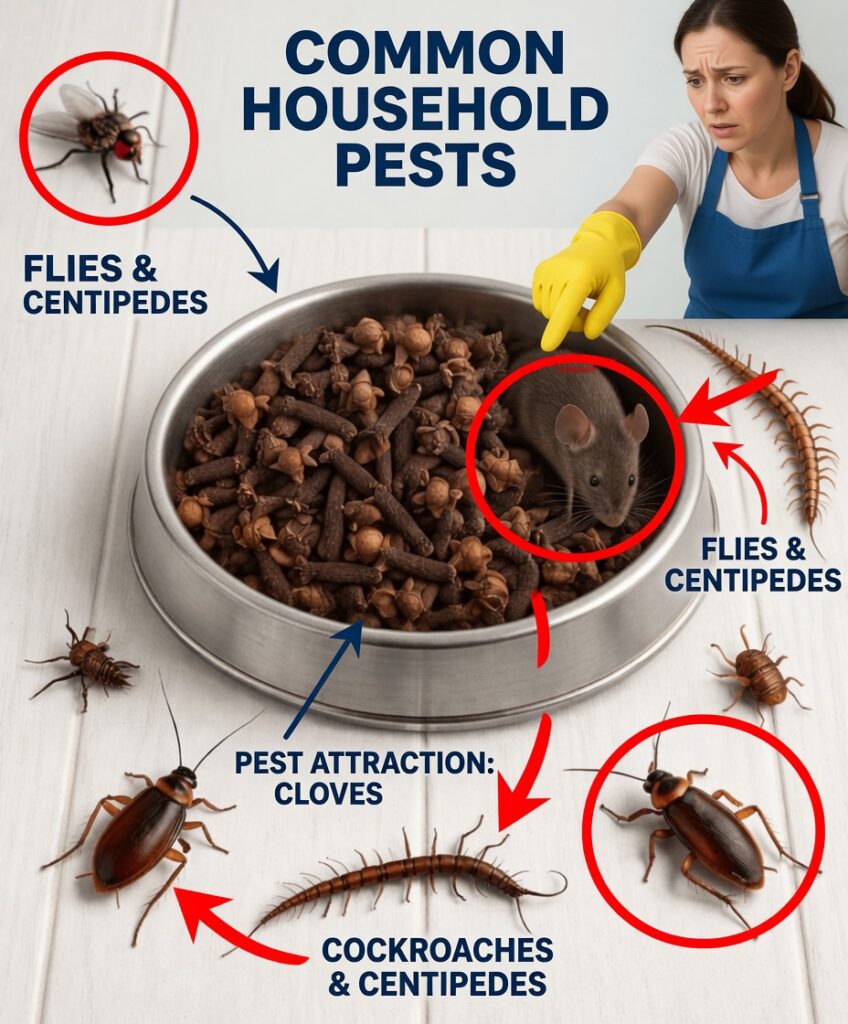
Natural Clove Remedies for Ants, Cockroaches, and Other Household Insects
Seeing ants or cockroaches dart across your kitchen can be more than annoying—it can make your home feel uncomfortable and unhygienic. The concern often grows when you think about using chemical sprays around children, guests, or pets. A simple, eco-conscious alternative is cloves, a common kitchen spice that can help discourage pests naturally. Stay until the end for a surprising way to combine cloves with everyday household staples for stronger results.
Why Cloves Help Repel Insects
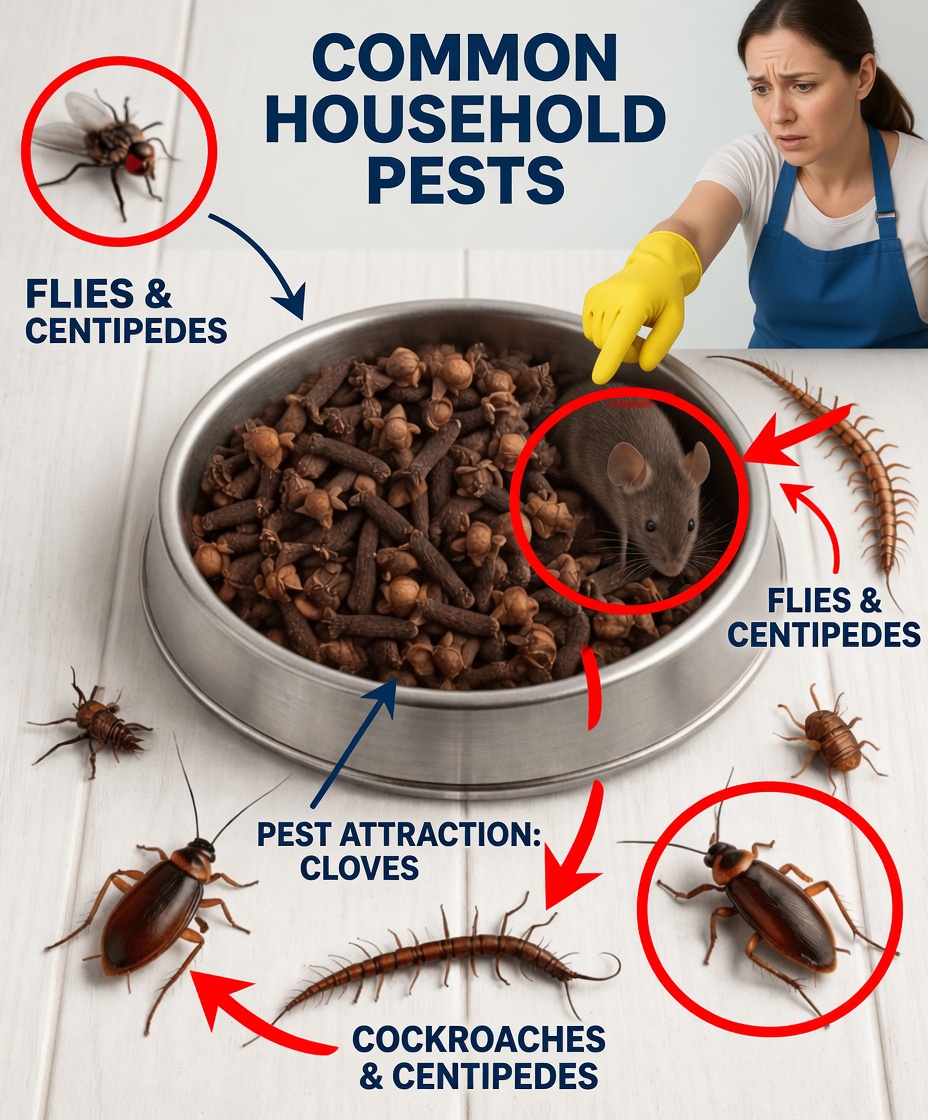
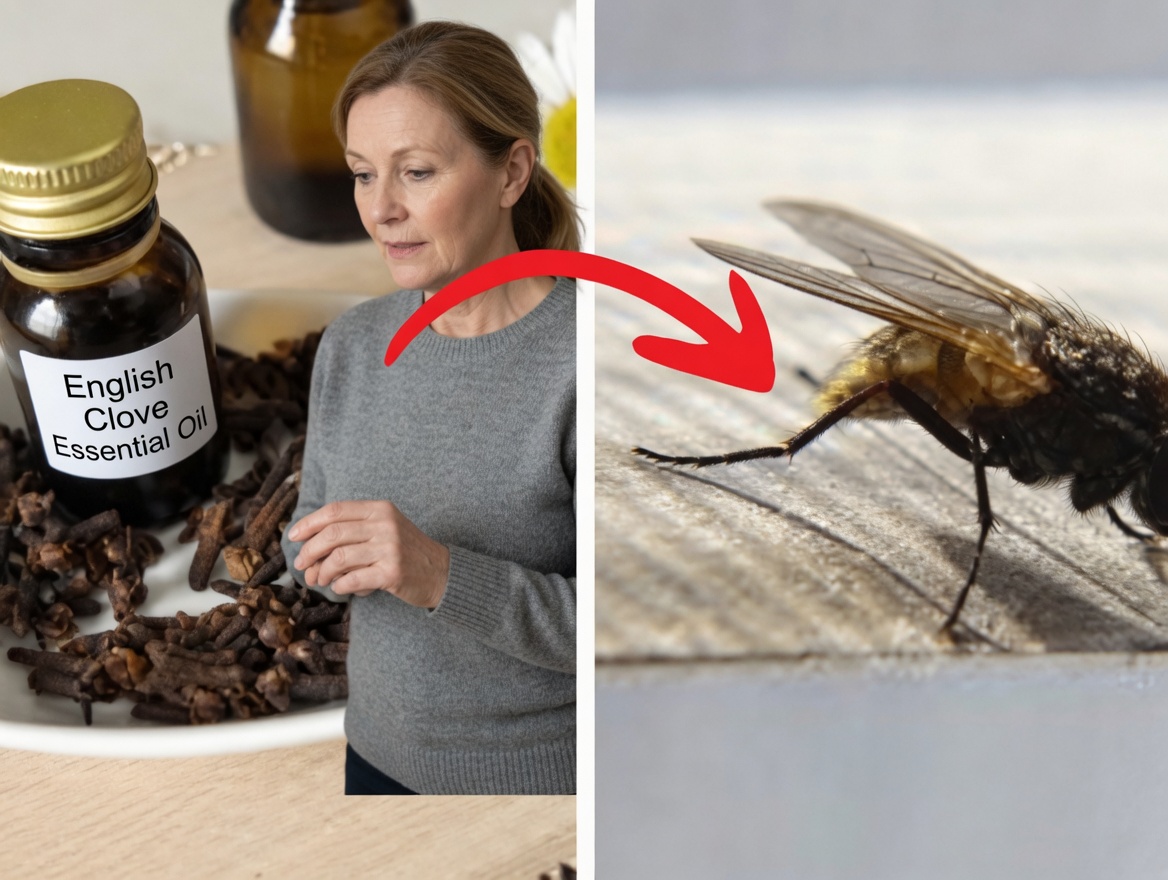
When insects invade food areas or even bedrooms, it can lead to ongoing stress—especially if you hear movement at night or keep finding signs of infestation. Cloves are widely used as a natural deterrent because they contain eugenol, a powerful aromatic compound. Research cited in publications such as the Journal of Economic Entomology has discussed eugenol’s potential repellent effects against multiple pests.
The strong clove scent can interfere with how insects navigate and locate food, making treated areas less attractive without relying on harsh synthetic ingredients. Another benefit: cloves leave behind a warm, clean fragrance that many people prefer over chemical odors.
Studies and entomology reviews also suggest eugenol may affect insects’ sensory receptors, which helps explain why cloves are commonly used against ants, fleas, and other household pests. Cloves also have a long history in traditional home practices for pest control, adding real-world credibility to this method.
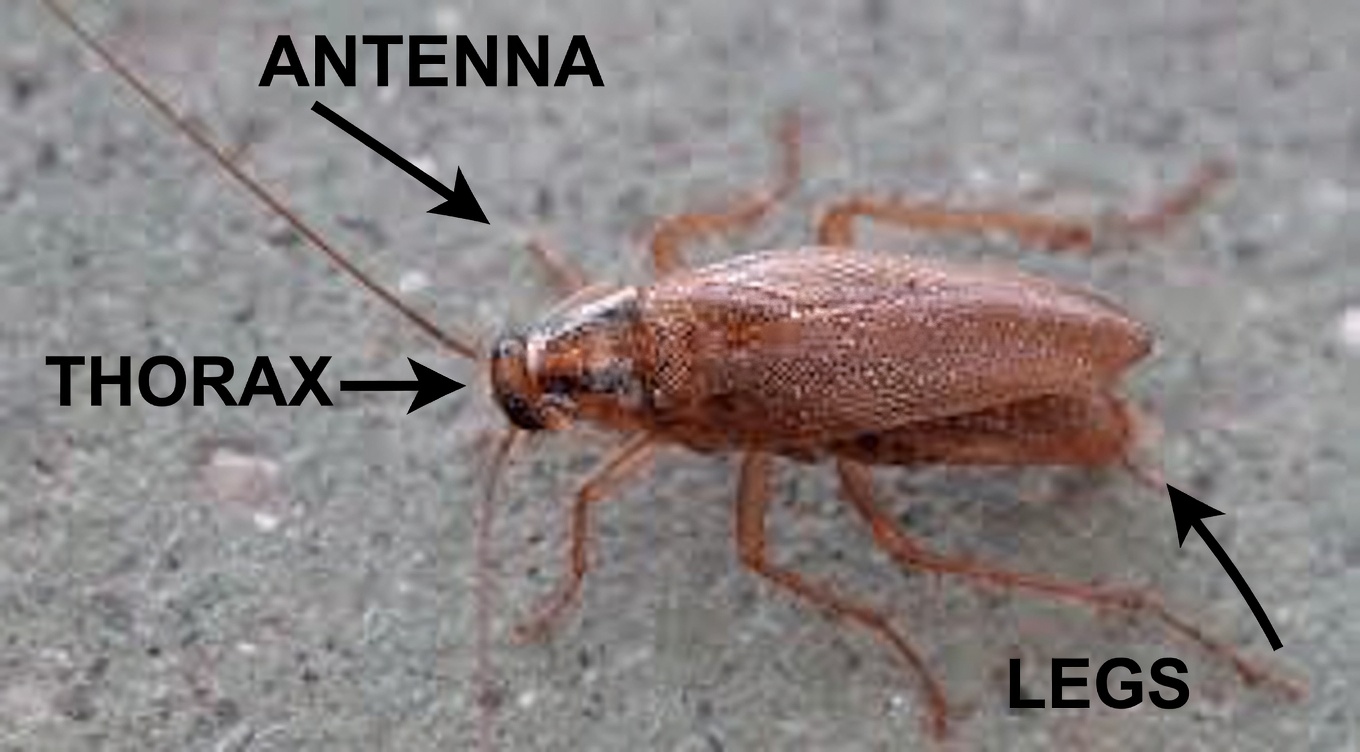
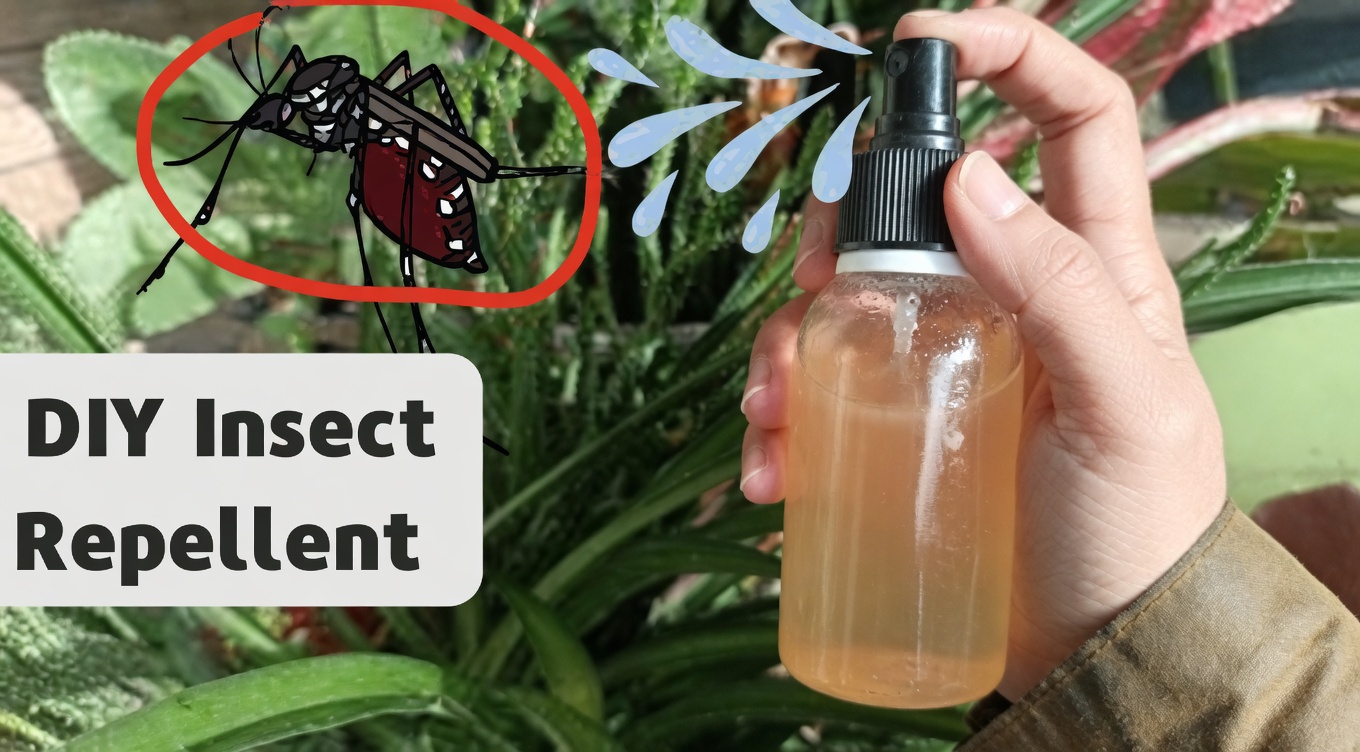
DIY Clove Insect Spray (Simple Homemade Recipe)
Fighting recurring pests can feel exhausting—especially when they come back even after cleaning. Making a homemade clove spray is an affordable and practical way to take control using ingredients many households already have. It also helps reduce exposure to chemical residues that may irritate skin or breathing.
Ingredients
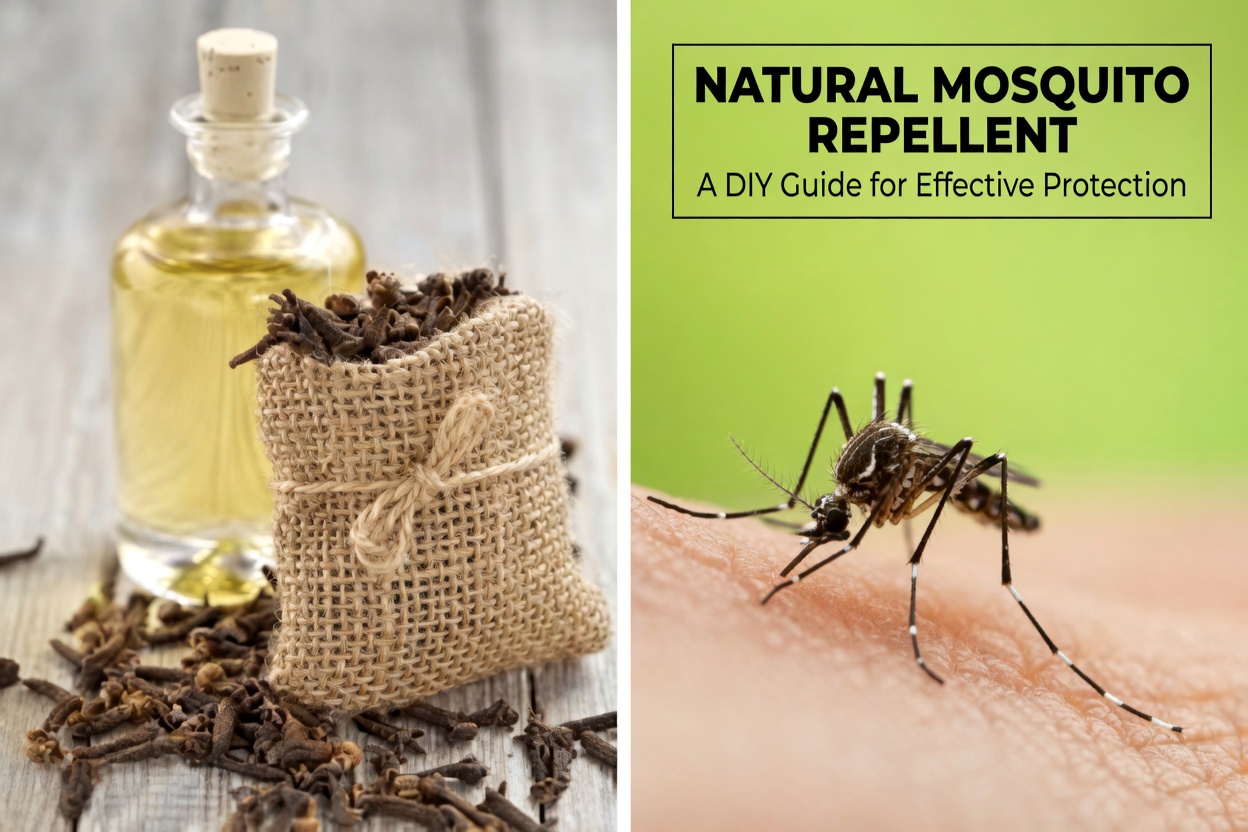
To make this clove-based insect repellent spray, gather:
- 250 ml liquid dish soap (helps the mixture cling to surfaces)
- 500 ml white vinegar or apple cider vinegar (adds acidity and odor insects tend to avoid)
- 2 tablespoons cloves (the key natural repellent)
- 50 ml water (to extract clove compounds)
Instructions
Follow these steps to prepare the spray:
- Bring 50 ml of water to a boil in a small pot.
- Add 2 tablespoons of cloves and let it simmer for about 10 minutes to infuse.
- While the clove water cools, combine 500 ml vinegar with 250 ml liquid dish soap in a bowl.
- Pour the cooled clove infusion into the vinegar-soap mixture and stir well.
- Transfer everything into a spray bottle for easy application.
How to Use Clove Spray for Best Results
If insects are hiding in corners and cracks, it can feel like your home is never fully “clean.” To get the most from this natural clove insect spray, apply it where pests commonly travel or enter:
- Along baseboards
- Behind or under refrigerators and stoves
- Around windows and door frames
- Under sinks
- Near trash bins and pantry edges
For stronger results, spray every 2–3 days in problem areas. Consistency matters—pest management research often notes that natural repellents work best with repeated application over time.
Important tip: test the spray on a small hidden patch first (especially on painted surfaces or delicate countertops) to ensure it won’t leave marks.
Other Natural Remedies That Pair Well With Cloves
Even with cloves, insect problems can return if you rely on only one tactic. Combining multiple natural approaches can create a broader defense and reduce the pressure of constant pest control. These options also align with eco-friendly habits and can be useful in indoor and garden-adjacent areas.
Coffee Grounds for Cockroaches
Cockroaches often trigger an immediate sense of disgust and urgency. Used coffee grounds, placed in small bowls near suspected activity areas, may help discourage roaches—some sources suggest caffeine can act as a deterrent. Replace the grounds every couple of days to keep the scent strong. This method works well alongside clove spray for a layered approach.
Tea Tree Oil for Bed Bugs
Bed bugs can ruin sleep and create ongoing anxiety. A light spray made from tea tree oil and water can help add an additional scent barrier around bedding edges and baseboards. While it’s not a complete solution by itself, some early research and aromatherapy literature discuss its potential usefulness as part of a broader strategy. Pairing tea tree oil use with cloves can help make key areas less inviting.
Peppermint and Lavender Oils for General Insects
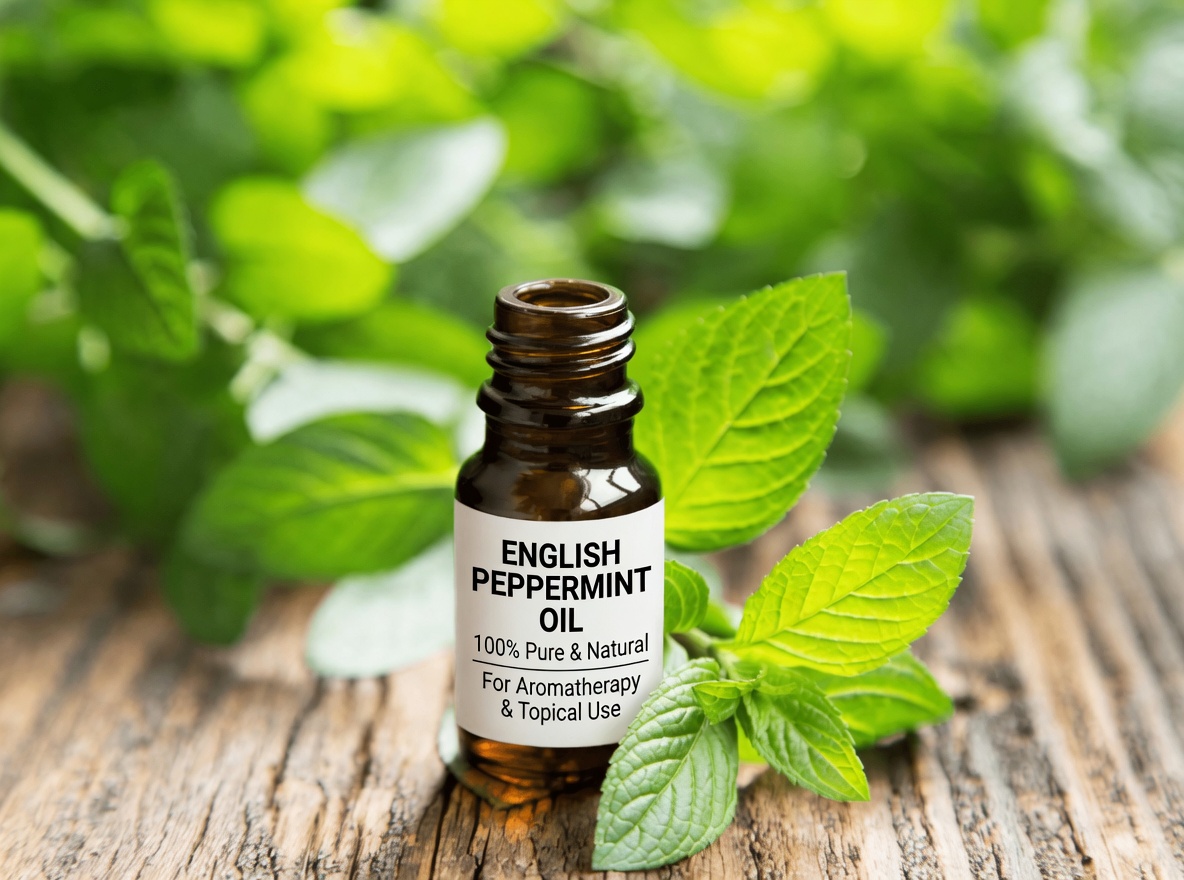
If your home feels “off” due to insect presence, strong, fresh scents can improve both comfort and deterrence. Add 10–15 drops of peppermint oil or lavender oil to water in a spray bottle and mist:
- Entry points (doors, windows)
- Corners of rooms
- Behind furniture
Many insects avoid these aromas, and they can complement the clove scent while keeping your home smelling pleasant.

Quick Comparison of Natural Insect Remedies
-
Clove Spray
- Main ingredient: Cloves (eugenol)
- Targets: Ants, cockroaches, fleas, bed bugs
- Use: Spray along paths, corners, and entry points
-
Coffee Grounds
- Main ingredient: Coffee
- Targets: Cockroaches
- Use: Place in bowls near activity areas
-
Tea Tree Oil Spray
- Main ingredient: Tea tree oil
- Targets: Bed bugs (supportive method)
- Use: Light mist on bedding edges/baseboards (patch test first)
-
Peppermint/Lavender Mist
- Main ingredient: Essential oils
- Targets: General insects
- Use: Mist around doors, windows, and cracks
Extra Tips to Keep Your Home Bug-Resistant
Cloves work best when paired with habits that remove what pests want most: food, water, and hiding spots.
- Vacuum and wipe surfaces regularly to eliminate crumbs and grease residue.
- Store food in sealed containers, especially flour, sugar, cereal, and pet food.
- Fix leaks and reduce moisture under sinks and near drains.
- Seal cracks and gaps around pipes, windows, baseboards, and doors.
- Take out trash frequently and rinse recyclables to reduce odor trails.
The Unexpected Twist: Boost Cloves With Household Staples
Here’s the simple upgrade: using cloves together with vinegar and dish soap creates a more persistent coating and stronger scent barrier than cloves alone. Vinegar adds an extra odor layer many pests avoid, while dish soap helps the mixture cling longer to surfaces, making your clove-based routine more effective and longer-lasting.