
Waking Up to Urinate at Night? You’re Not Alone
Waking up multiple times during the night to urinate can destroy your sleep and leave you tired, irritable, and unfocused the next day. This issue—commonly called nocturia—often affects work performance, mood, and even the quality of time you spend with family and friends.
The good news: small, realistic diet changes may help support bladder function and reduce those disruptive nighttime bathroom trips. And at the end, you’ll find a simple tip that can make these strategies work even better.

What Is Nocturia (Frequent Nighttime Urination)?
Nocturia refers to waking from sleep one or more times to urinate. For many people, it becomes a frustrating cycle: broken sleep leads to fatigue, and fatigue makes daily life feel harder than it should.
Nocturia can be linked to several factors, such as:
- Drinking too much fluid late in the day
- Caffeine or alcohol intake
- Certain medications
- Bladder irritation or inflammation
- Underlying health conditions affecting the urinary system
While it’s important to rule out medical causes with a healthcare professional, research and practical experience suggest that diet and lifestyle choices can influence urination patterns. Many supportive foods are simple, affordable, and already part of a typical kitchen routine.

8 Natural Foods That May Support Bladder Health at Night
Below are eight nutrient-rich foods often discussed for bladder support and nighttime urination management. They’re not a cure, but they may gently support body processes related to urgency, inflammation, fluid balance, and sleep quality.

1. Pumpkin Seeds
Frequent nighttime urination can leave you feeling worn down, especially when it happens night after night. Pumpkin seeds contain zinc and beneficial fats that may support healthy urinary function. Some studies also connect pumpkin seed intake with improved symptoms related to overactive bladder and prostate-related urinary frequency.
Easy ways to eat them
- Snack on a small handful of roasted pumpkin seeds
- Sprinkle them over salads, soups, or yogurt

2. Bananas
When nocturia interrupts your sleep, mornings often feel sluggish and stressful. Bananas provide potassium, which supports fluid balance, and magnesium, which may help relax muscles—including those involved in bladder control. They’re also easy to digest and can fit well into an evening routine.
How to use
- Eat 1 banana about an hour before bedtime
- Blend into a smoothie if you prefer a lighter option

3. Barley Water
Nocturia can make everyday responsibilities feel heavier due to ongoing tiredness. Barley water is traditionally used to support hydration balance. When consumed earlier in the day, it may help reduce fluid retention and support gentle daytime flushing—potentially lowering the chance of excess nighttime urgency.
Best approach
- Boil barley in water and strain
- Drink 1 cup in the morning and 1 cup in the afternoon
- Avoid late-evening servings to prevent extra nighttime trips
4. Cherries
If you’re losing restorative sleep, your energy and emotional resilience can take a real hit. Cherries, especially tart cherries, contain natural melatonin, which supports sleep timing. They also offer anti-inflammatory compounds that may help calm irritation that can contribute to bladder discomfort.
Practical options
- Eat a small bowl of cherries in the evening
- Drink tart cherry juice a few hours before bed

5. Celery
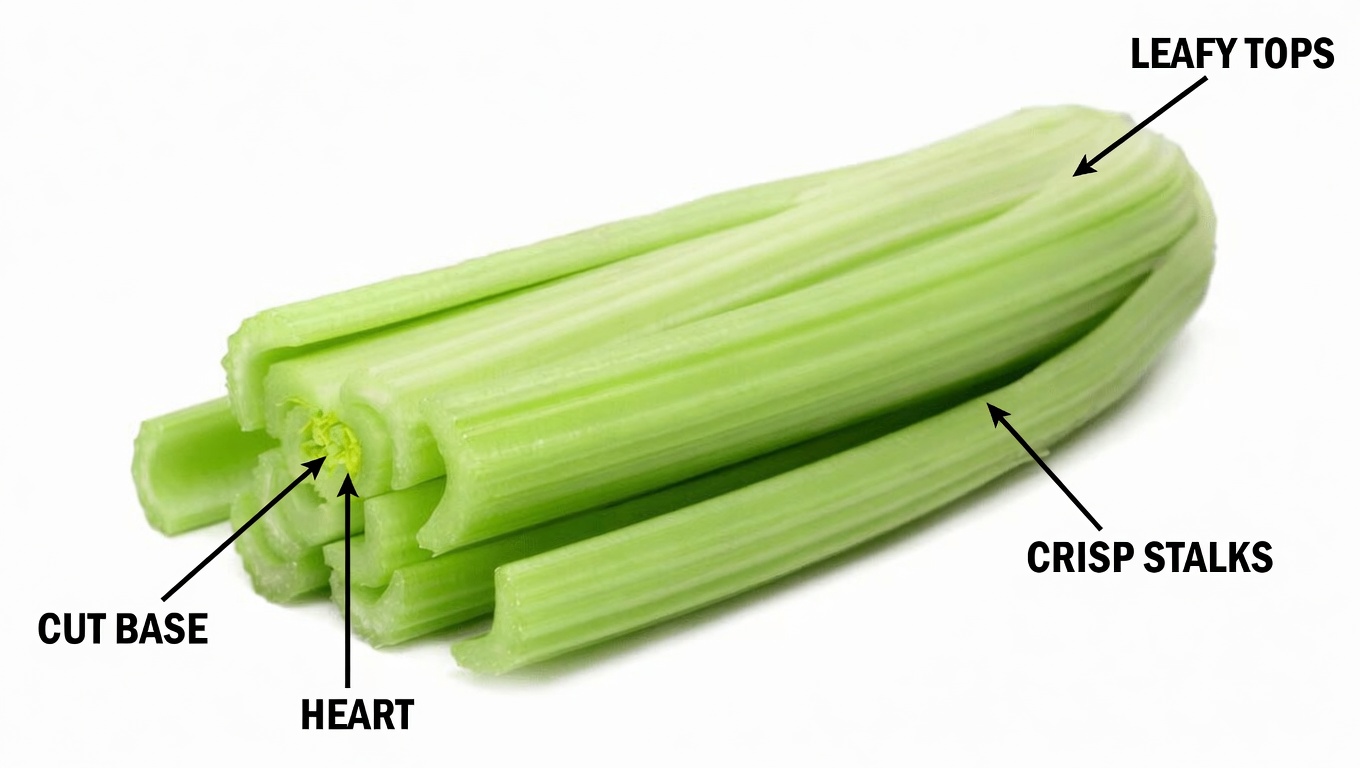
Living with frequent nighttime urination can make it harder to stay active and motivated. Celery is known for natural diuretic properties, which may be useful earlier in the day to support fluid balance and reduce bloating—without increasing nighttime urgency when timed well.
Simple ways to include it
- Crunch on celery sticks in the morning
- Add celery to a green juice before lunch
6. Pomegranate
Nighttime bathroom trips can create anxiety about getting “enough sleep,” which only makes rest harder. Pomegranate delivers powerful antioxidants that may support urinary tract comfort and healthy kidney function. Its anti-inflammatory potential is one reason it’s often mentioned in bladder-health discussions.
Try it like this
- Drink a small glass of pomegranate juice in the afternoon
- Add fresh pomegranate seeds to salads or oatmeal
7. Almonds
Sleep deprivation can feel isolating, especially when you’re the only one awake at night. Almonds contain magnesium and healthy fats that may support muscle relaxation and general wellness—both of which can be helpful when managing bladder urgency.
Best use
- Eat a small handful of raw almonds in the evening (keep portions moderate)
8. Oats
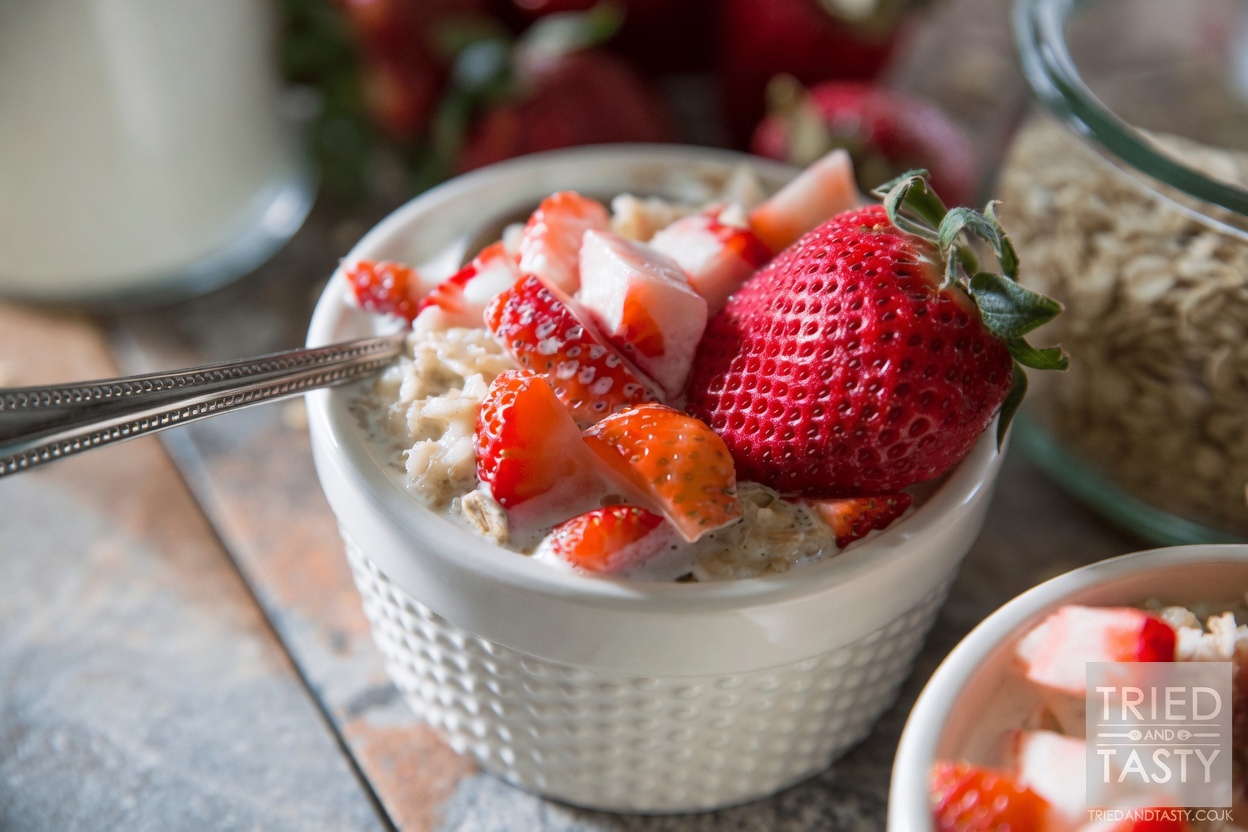
Nocturia can limit your enjoyment of hobbies and social life simply because you feel drained. Oats are rich in fiber, which helps stabilize blood sugar and may reduce excessive thirst that can lead to late-night drinking. Oats also contain nutrients associated with better sleep quality, including magnesium and small amounts of melatonin-related compounds.
How to add oats
- Eat oatmeal at dinner
- Have a small bowl as a light pre-bed snack if it suits your digestion
Quick Overview: Best Times and Key Benefits
Here’s a simple summary of how each food may help with frequent nighttime urination and when it’s typically best consumed:
- Pumpkin seeds: zinc + healthy fats; may support bladder function; evening
- Bananas: potassium + magnesium; supports fluid balance and muscle relaxation; before bed
- Barley water: traditional hydration support; may reduce retention when timed well; morning/afternoon
- Cherries: melatonin + anti-inflammatory compounds; supports sleep and comfort; late afternoon/evening
- Celery: natural diuretic effect; supports daytime fluid balance; morning
- Pomegranate: antioxidants; supports urinary tract comfort; afternoon
- Almonds: magnesium + healthy fats; supports relaxation; evening
- Oats: fiber + magnesium; supports stable blood sugar and sleep; dinner
Habits That Make These Foods More Effective
Diet works best when paired with a few supportive routines. To improve nocturia symptoms naturally:
- Reduce caffeine and alcohol after midday
- Drink more fluids earlier in the day, not close to bedtime
- Practice pelvic floor exercises daily (gentle consistency matters)
The “Unexpected Tip” That Ties It All Together
To get better results from these bladder-friendly foods, combine them with one straightforward change: limit fluids in the evening, especially in the 2–3 hours before bed. This small adjustment often amplifies the benefits of nutrition and helps reduce nighttime disruptions.
Final Thoughts
Adding these 8 natural foods to your weekly routine may support bladder health, improve sleep quality, and reduce the burden of frequent nighttime urination. The key is consistency—small changes repeated daily tend to deliver the most noticeable improvements over time.
FAQ
What are common causes of frequent nighttime urination?
Nocturia may be triggered by late fluid intake, caffeine or alcohol, medications, bladder irritation, or health conditions affecting the urinary system. A healthcare provider can help identify your specific cause.
How long does it take to notice improvement?
Some people report subtle changes within a few weeks, but results vary. Tracking food timing, evening fluids, and nighttime wake-ups can help you see patterns.
Are these foods safe for everyone?
These foods are generally well tolerated, but allergies, medical conditions, and medication interactions are possible. If you have concerns, speak with a healthcare professional before making major dietary changes.
Disclaimer: This article is for informational purposes only and does not replace medical advice. Consult a qualified healthcare professional for personalized guidance on nocturia or any health condition.