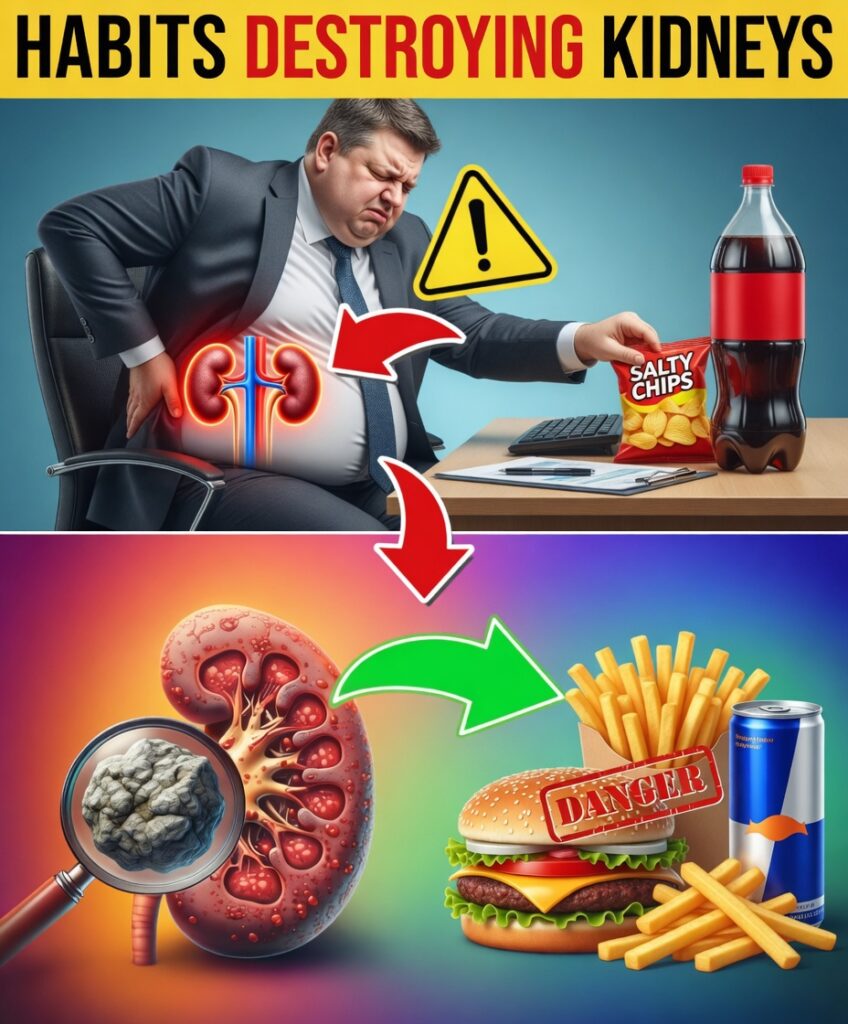
Kidney Health and Everyday Habits: What’s Quietly Wearing Them Down
Your kidneys do far more than “make urine.” They continuously clean your blood, remove excess fluid, help balance electrolytes, and play a major role in blood pressure control. The problem is that many common routines—often seen as harmless—can gradually overwork these organs without obvious warning signs.
That slow, hidden strain may show up later as low energy, swelling, frequent infections, or long-term health complications. The encouraging part: small, realistic changes can meaningfully support kidney function and reduce the worry that something is “off” with your body. Stay to the end for one unexpected, simple tip that can change how you protect your kidneys day to day.
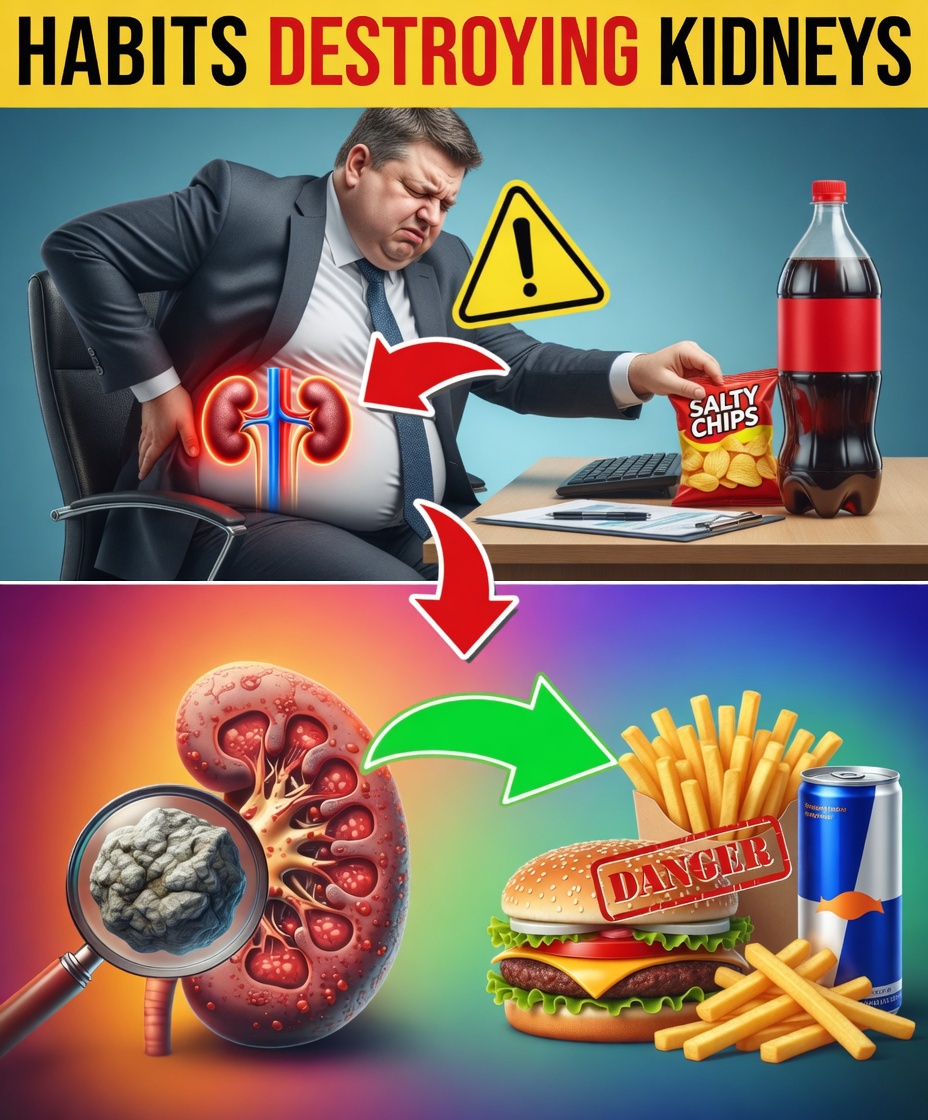
How Daily Choices Influence Kidney Function
Most people don’t connect their regular habits with kidney health until they feel persistent fatigue, puffiness, or vague discomfort they can’t explain. Health organizations such as the National Kidney Foundation consistently emphasize that lifestyle patterns strongly affect kidney workload over time.
Your kidneys filter a huge volume of blood every day, removing toxins and managing fluid balance. When certain habits interfere with that process, waste can build up more easily and your body may feel “heavier,” more tired, and less resilient. The key takeaway is straightforward: awareness is the first step—and even modest adjustments can produce noticeable benefits.

1. Drinking Too Little Water
When you’re under-hydrated, your kidneys have to work harder to concentrate urine and clear waste. Over time, this can increase the risk of kidney stones and urinary tract infections—issues that can bring sudden pain and disrupt daily life.
A practical goal for many adults is around 8 cups of water per day, then adjusting based on heat, activity level, and individual needs. Consistent hydration supports more efficient waste removal and reduces the chance of kidney-related discomfort that can appear “out of nowhere.”

2. Eating More Salt Than You Realize
Excess sodium—especially from processed foods—can raise blood pressure and increase strain on the kidneys. This burden may contribute to swelling, a bloated feeling, and persistent fatigue. What makes it tricky is that sodium hides in common items like packaged snacks, sauces, deli meats, and ready-to-eat meals.
To lighten the load on your kidneys, prioritize fresh ingredients and use herbs, citrus, garlic, and spices for flavor. Lower-sodium eating patterns support kidney health and can also benefit heart health, addressing two major concerns at once.

3. Relying on Painkillers Too Often
Frequent use of over-the-counter pain relievers—particularly NSAIDs such as ibuprofen—can reduce blood flow to the kidneys and increase the risk of damage, especially when taken regularly or at high doses. What starts as a quick fix for headaches or body aches can quietly become a long-term kidney stressor.
Use these medications only as directed, avoid “routine” use without medical guidance, and speak with a clinician about safer alternatives if you need frequent pain control. For mild discomfort, non-drug options like rest, gentle stretching, or heat/cold therapy may help reduce unnecessary kidney strain.

4. Holding Urine for Long Periods
Delaying bathroom breaks can raise the risk of urinary tract infections, which may travel upward and affect the kidneys. Many people ignore the urge to urinate during work, travel, or long meetings—then later deal with pain, burning, or recurring infections.
Make bathroom breaks non-negotiable when possible. Simple strategies like scheduling short breaks or setting reminders can prevent a habit that gradually undermines urinary tract and kidney health.
5. Consuming Too Much Added Sugar
High sugar intake—especially from soda, candy, and sweetened snacks—can contribute to weight gain and increase the risk of type 2 diabetes, one of the leading drivers of kidney disease. Beyond physical effects, sugar highs and crashes can also worsen energy levels and make healthy routines harder to maintain.
Swap sugary drinks for water or unsweetened options, choose whole foods more often, and reduce sweets gradually rather than trying to cut everything at once. Lower added sugar supports more stable energy and helps protect kidney function long-term.

6. Skimping on Sleep
Chronic poor sleep can elevate stress hormones and blood pressure—two factors that increase kidney workload. If you wake up tired every day, it’s easy to feel concerned about overall health, especially when fatigue becomes constant.
Aim for 7–9 hours per night with a consistent sleep schedule. Small changes like dimming lights in the evening, avoiding screens close to bedtime, and keeping a regular wind-down routine can improve sleep quality and support the body’s overnight repair processes.
7. Drinking Too Much Alcohol
Alcohol can dehydrate the body and place additional demands on the kidneys. Heavy drinking is linked to acute kidney injury, and even “social drinking” can add up when it becomes frequent. The after-effects—headaches, poor sleep, dehydration—often show up as fatigue that can feel like a broader health problem.
Follow recommended limits (commonly up to one drink/day for women and up to two drinks/day for men, depending on local guidelines and individual health). Alternating alcohol with water is a simple way to reduce dehydration and lower kidney stress.

8. Overlooking High Blood Pressure and Diabetes
Uncontrolled high blood pressure and diabetes are among the top causes of kidney damage worldwide. When these conditions aren’t managed well, symptoms like swelling (especially in the legs), low stamina, and declining overall wellness may appear gradually—often long after damage has begun.
Regular checkups matter. Home monitoring of blood pressure and periodic blood sugar testing can help you catch problems early. The earlier these conditions are controlled, the more kidney function you can preserve.
Practical, Step-by-Step Ways to Support Your Kidneys
- Track hydration daily: Use a water bottle with volume markers or an app to stay consistent.
- Check labels for sodium and added sugar: Compare brands and choose lower-sodium, lower-sugar options.
- Use pain relievers carefully: Follow dosing instructions and ask a clinician if you need frequent relief.
- Plan bathroom breaks: Especially during long work sessions or travel days.
- Build balanced meals: Focus on vegetables, fruit, lean proteins, and minimally processed foods.
- Protect sleep time: Create a regular bedtime and a screen-free wind-down period.
- Keep alcohol moderate: Drink water alongside alcohol and avoid binge patterns.
- Schedule routine screenings: Monitor blood pressure, A1C/glucose, and kidney markers when recommended.
The Surprising Tip: Use Urine Color as a Simple Daily “Hydration Check”
A quick, no-cost habit that can immediately improve kidney support is paying attention to urine color. While it’s not a medical diagnosis tool, pale yellow urine often signals better hydration, while consistently dark urine can suggest you’re under-hydrated.
This small daily check helps you adjust water intake before dehydration becomes a pattern—making it one of the simplest ways to protect your kidneys consistently without overthinking your routine.