Breakfast Eggs That Feel “Restaurant-Perfect” (Without the Hassle)
Eggs are a go-to breakfast for many of us, yet the results at home can be underwhelming—rubbery whites, dull yolks, or a texture that makes the meal feel more like a task than a treat. That’s especially frustrating on busy mornings when you want something fast, nourishing, and genuinely enjoyable.
The good news: once you understand how five-star hotels cook their eggs, you can replicate that smooth texture and clean flavor with simple, realistic changes—no fancy kitchen required. There’s also a surprisingly effective at-home trick near the end that delivers professional-style results.
Why You Shouldn’t Boil Eggs Aggressively in Water
Boiling eggs directly at a hard, rolling boil seems like the simplest route, but it often creates the exact problems people complain about: tough whites, overcooked yolks, and that unappetizing gray-green ring. Culinary science explains why—high heat makes egg proteins tighten too fast, so the final texture turns firm and dry instead of tender.
Another issue is cracking. When eggs are hit with rapid temperature changes or bounce around in bubbling water, shells can split and leak. That means messy whites in the pot, uneven cooking, and extra cleanup—annoying when you’re feeding family or trying to prep quickly.
And plain boiling water doesn’t enhance anything. It doesn’t help with peeling, doesn’t protect texture, and doesn’t improve flavor—so the outcome can taste flat even when the eggs are “technically” cooked.
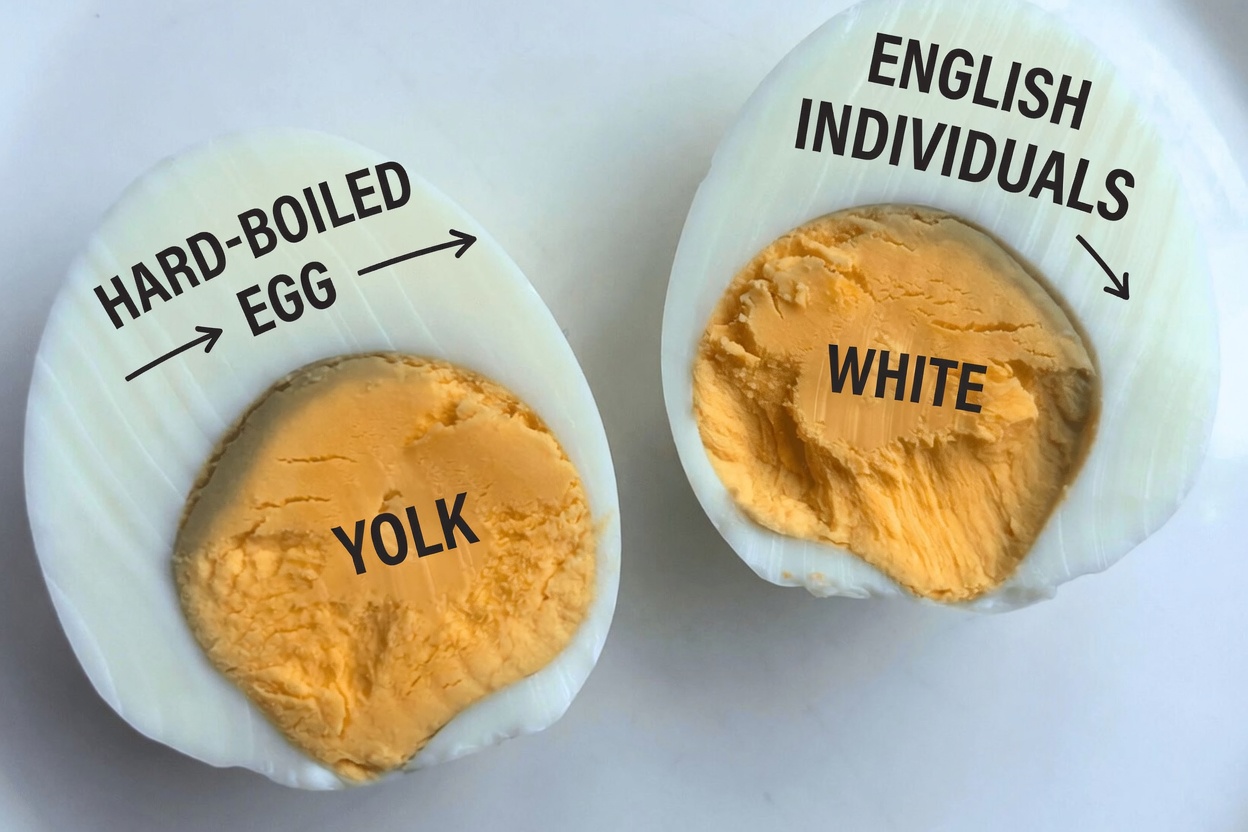
Finally, overcooking triggers a reaction between sulfur and iron in the egg, which causes the gray ring and sometimes a lingering sulfur smell. Five-star hotels avoid these pitfalls by controlling heat more carefully and using steps that protect both appearance and taste.
The Hotel-Style Egg Cooking Secrets You Can Use at Home
Five-star hotels cook their eggs with methods designed for gentle, even heat and minimal stress on the shell. The result is more consistent doneness, better texture, and fewer wasted eggs.
1) Simmer, Don’t Boil
A full boil often cooks the outside too quickly before the center finishes, which leads to uneven texture. Hotel kitchens typically rely on a gentle simmer—a steadier temperature range (roughly 185–194°F / 85–90°C) that cooks eggs more gradually.
How to do it:
- Place eggs in a pot and add enough water to cover them.
- Heat until you see small bubbles and light movement—avoid a violent boil.
- Cook:
- 7–8 minutes for a medium set yolk
- 9–10 minutes for a firm yolk
This small change alone often eliminates that “rubbery” bite that makes eggs feel disappointing.
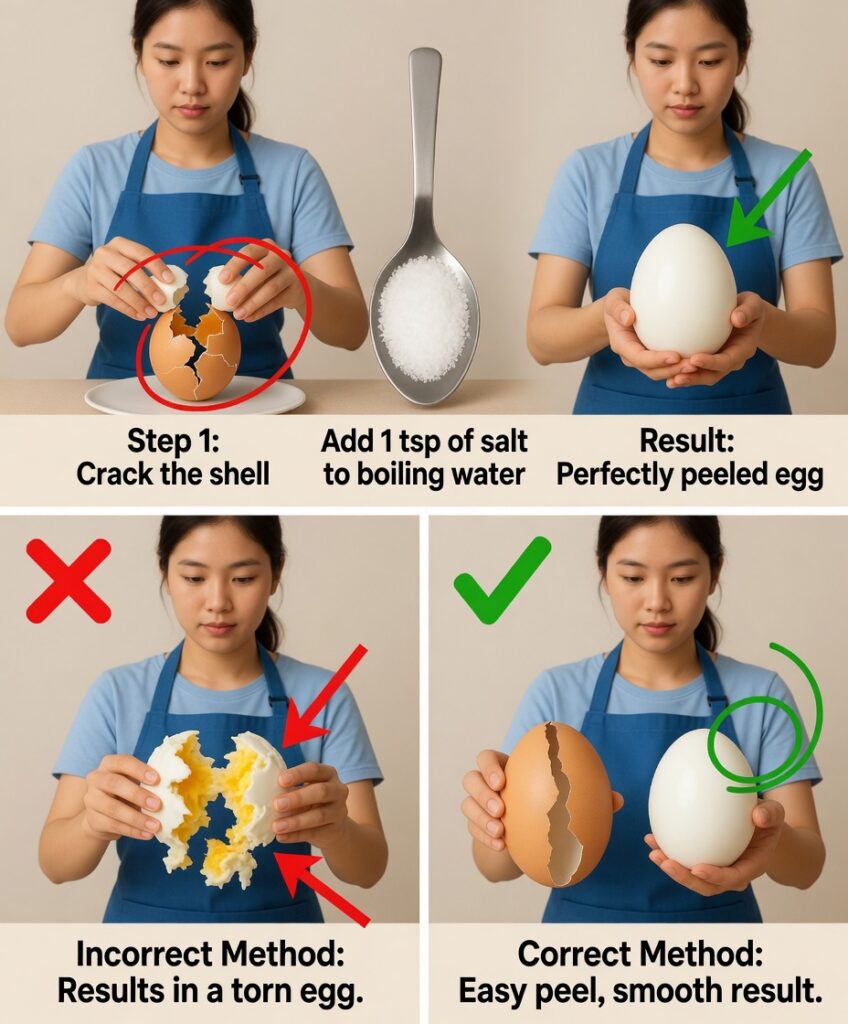
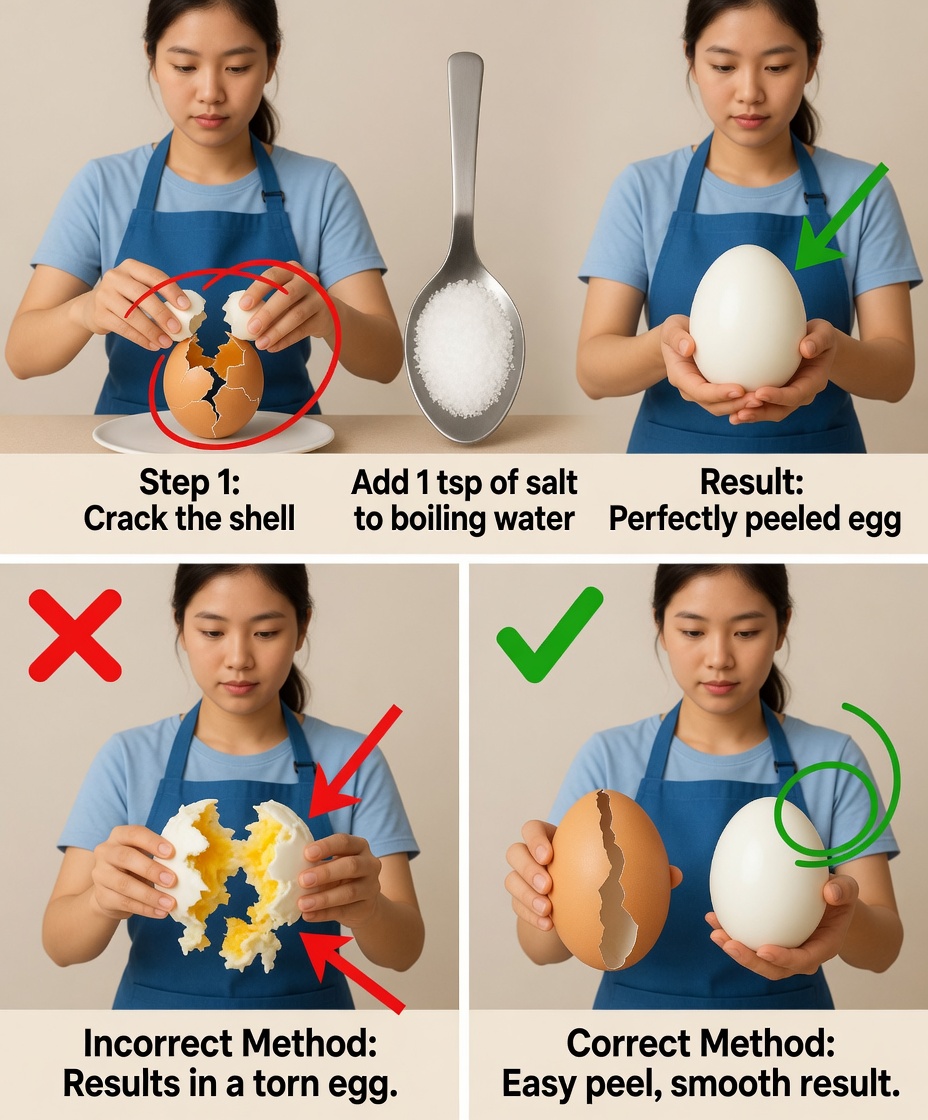
2) Add Salt and Vinegar for Cleaner Peeling and Fewer Leaks
If you’ve ever peeled an egg and lost half the white to the shell, you know how irritating it can be—especially when you’re in a hurry. Many professional kitchens add simple ingredients to improve the process:
- Salt helps reduce cracking issues and strengthens the cooking environment.
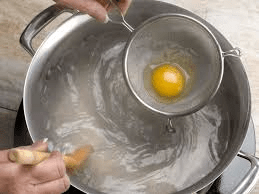
- Vinegar helps egg whites set faster if a crack happens, limiting the “leak into the water” problem.
What to add:
- 1 teaspoon salt
- 1 tablespoon vinegar
Add both to the water before heating.
The flavor impact is minimal, but the prep experience is noticeably smoother.
3) Use an Ice Bath to Stop Overcooking (and Prevent the Gray Ring)
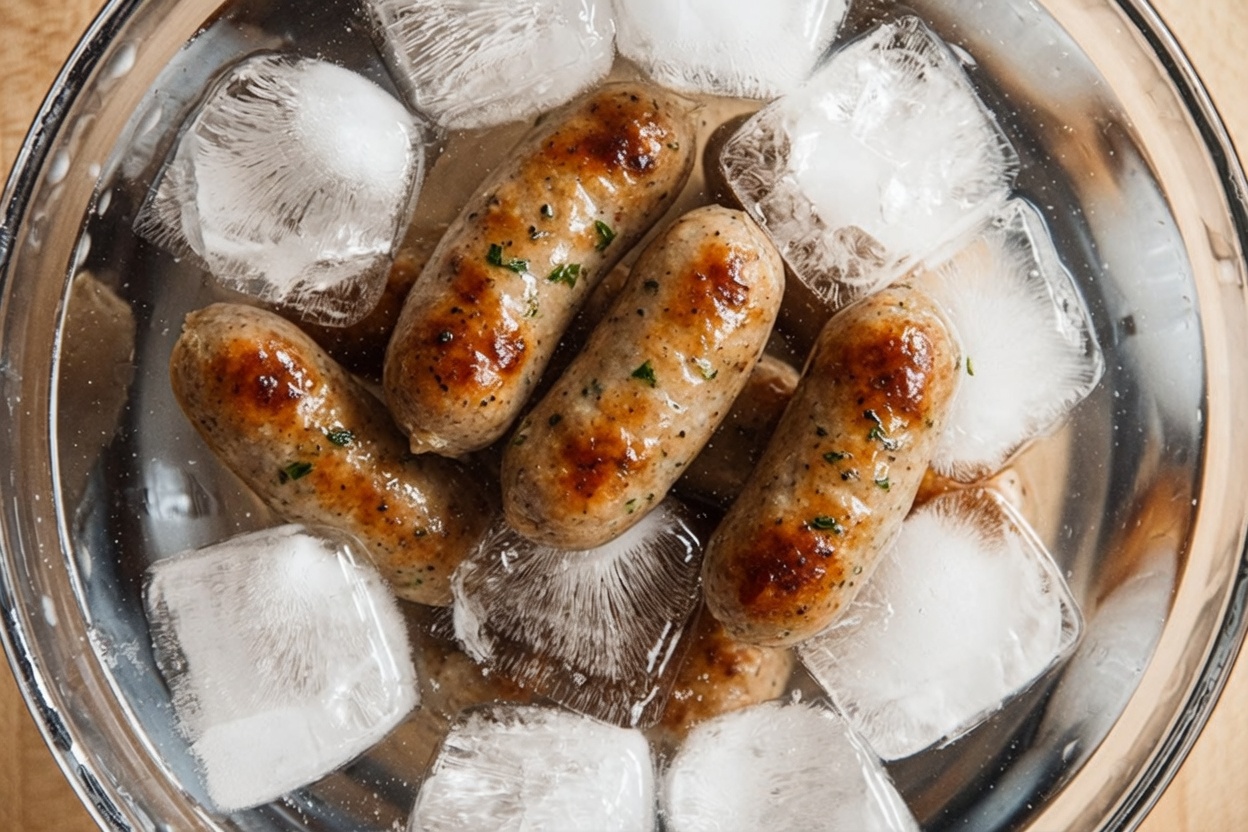
Five-star hotels cook their eggs and then cool them quickly to lock in the ideal doneness. An ice bath immediately stops residual heat from continuing to cook the yolk—one of the main causes of that gray-green ring.
How to do it:
- Prepare a bowl with ice and cold water.
- Transfer eggs straight from the pot into the ice bath.
- Chill 5–10 minutes before peeling.
Bonus: the egg contracts slightly as it cools, which often makes peeling easier.
4) Steam Eggs Instead of Boiling Them
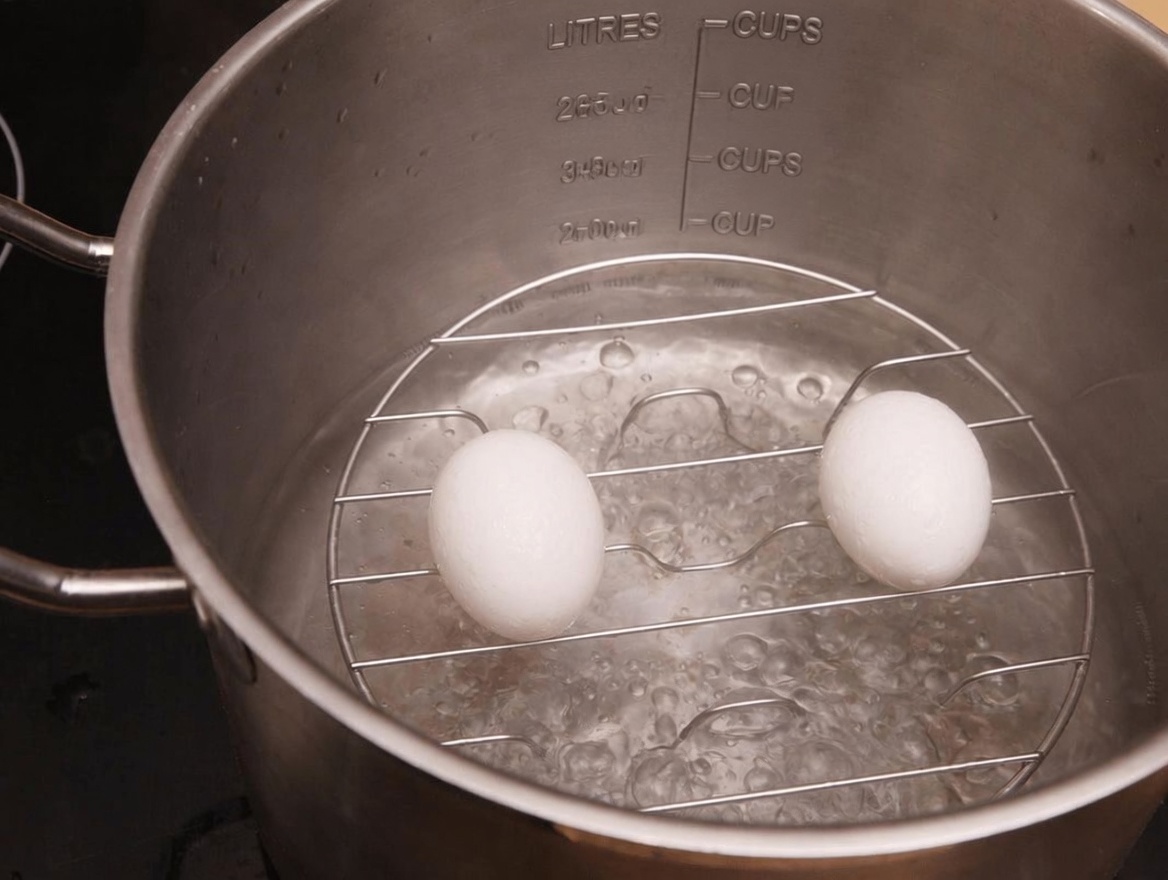
Steaming is a favorite in many professional kitchens because it provides more even heat and reduces shell damage. Since eggs aren’t tumbling around in water, they crack less often and cook more consistently.
How to steam eggs:
- Add water to a pot and bring it to a boil.
- Place eggs in a steamer basket above the water.
- Cover and steam 10–12 minutes (adjust slightly based on size).
- Finish with an ice bath.
Many people find steamed eggs peel more cleanly than boiled ones—another reason this method shows up in hotel-style prep.
5) The “Sous Vide Style” Approach for Ultra-Silky Texture
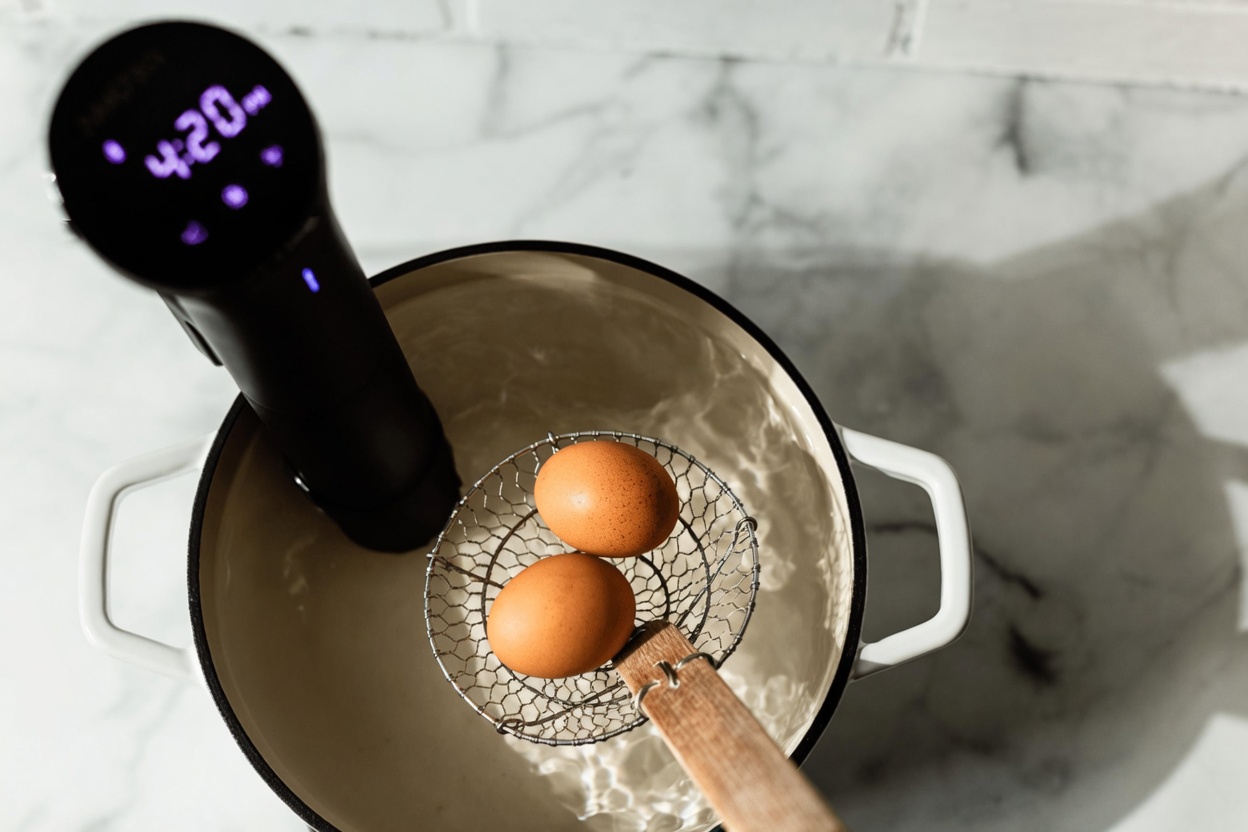
For the most controlled texture, five-star hotels cook their eggs using sous vide, which holds a precise water temperature for a long period. This can produce a noticeably creamy, custard-like yolk and a tender white.
Home-friendly version (no special machine required):
- Heat water to about 145–149°F (63–65°C)
- Submerge eggs for about 45 minutes
It takes longer, but the texture upgrade can be dramatic—especially if you want eggs that feel “special” rather than routine.
Extra Chef Tips for Next-Level Results
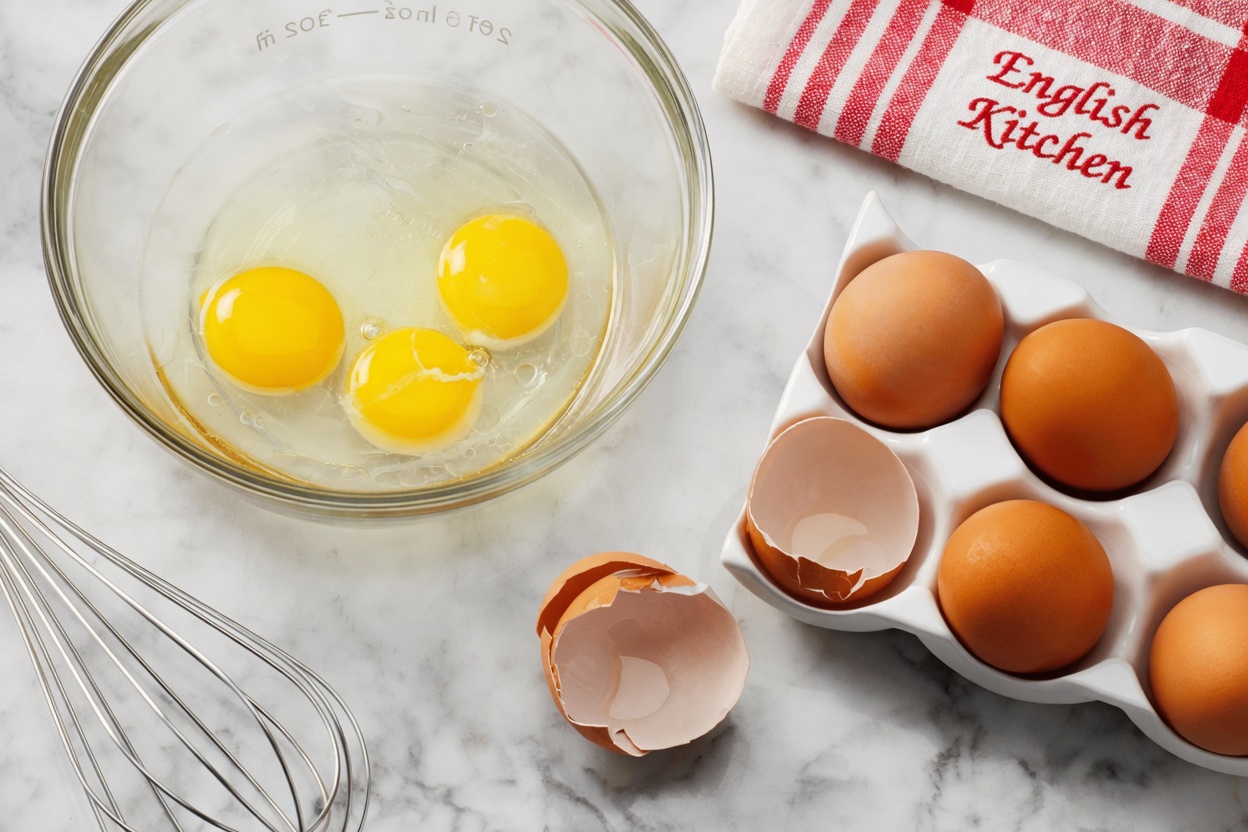
- Start with eggs closer to room temperature: Let them sit out for about 30 minutes to reduce cracking and improve even cooking.
- Use better eggs when possible: Fresher, higher-quality eggs often deliver richer flavor and color.
- For presentation: After peeling, a tiny wipe of neutral oil can give eggs a clean, polished look (useful for serving guests).
Quick Comparison: Traditional Boiling vs. Hotel Methods
-
Cracking risk
- Traditional boil: higher
- Hotel methods: lower (simmering/steaming)
-
Yolk appearance
- Traditional boil: gray ring is common
- Hotel methods: bright yolks with an ice bath
-
Texture
- Traditional boil: whites can turn rubbery
- Hotel methods: tender whites from gentle heat
Key Benefits You’ll Notice Immediately
- More even cooking and fewer ruined eggs
- Better texture that makes breakfast genuinely enjoyable
- Easier peeling with simple additions (salt/vinegar + ice bath)
Final Thoughts
Once you see how five-star hotels cook their eggs, it becomes clear that “perfect eggs” aren’t about complicated recipes—they’re about temperature control, gentler cooking, and smart finishing steps like the ice bath. Whether you simmer, steam, or try a sous vide-style method, these techniques can turn everyday eggs into a breakfast you actually look forward to.
FAQ
What temperature should I target to simmer eggs like five-star hotels?
Aim for about 185–194°F (85–90°C)—hot enough to cook steadily, not so hot that the proteins seize up.
Can I use these techniques for soft-boiled eggs?
Yes. Use the same methods but reduce the cooking time to match your preferred doneness.
Why do hotel eggs peel so easily?
Because many kitchens combine gentle cooking, salt/vinegar in the water, and an ice bath—all of which reduce sticking and improve separation from the shell.
This article is for informational purposes only and does not replace professional culinary or dietary advice.