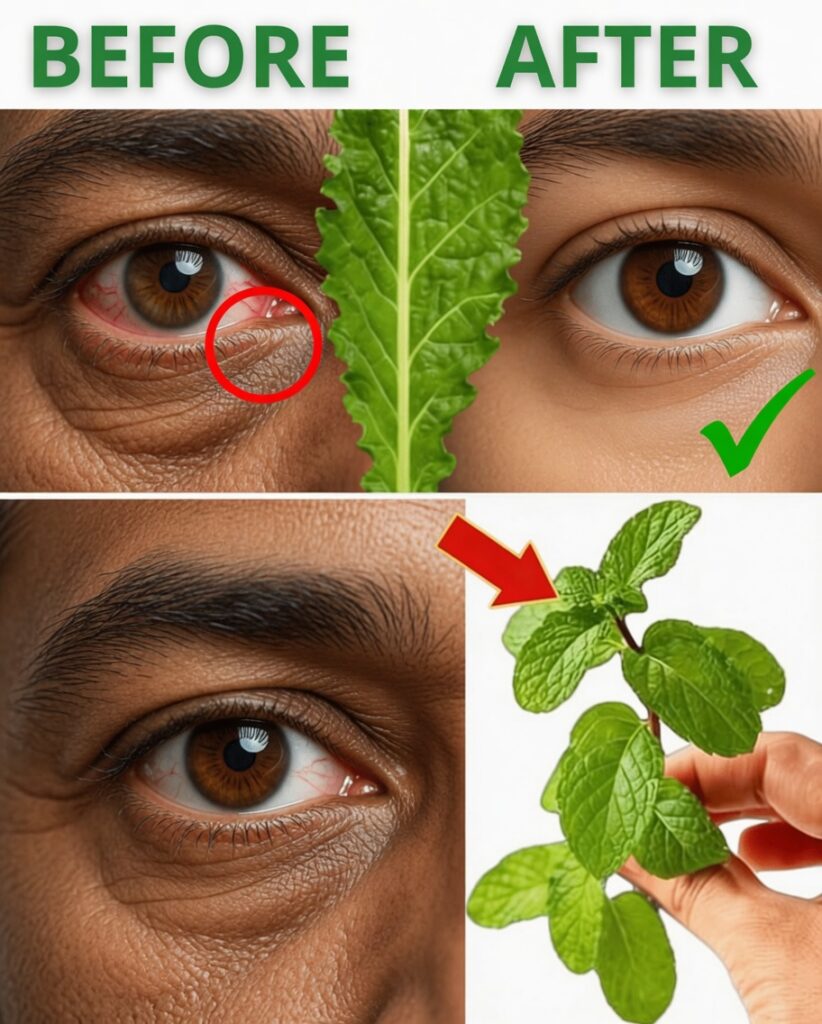
Screen Fatigue, Dry Eyes, and Blurry Vision: Why It Feels So Common Today
Spending hours in front of laptops and phones can leave your eyes dry, irritated, tired, and out of focus—making work harder and even relaxing activities (like reading) less enjoyable. When that discomfort becomes routine, it’s natural to worry about bigger issues over time, such as declining vision, cataracts, and age-related eye conditions that can affect independence.
The encouraging news: certain natural herbs for eye health contain antioxidants and protective plant compounds that research has linked to eye comfort and long-term retinal support. Below are nine options worth knowing—starting with everyday soothing support and moving into deeper protection.
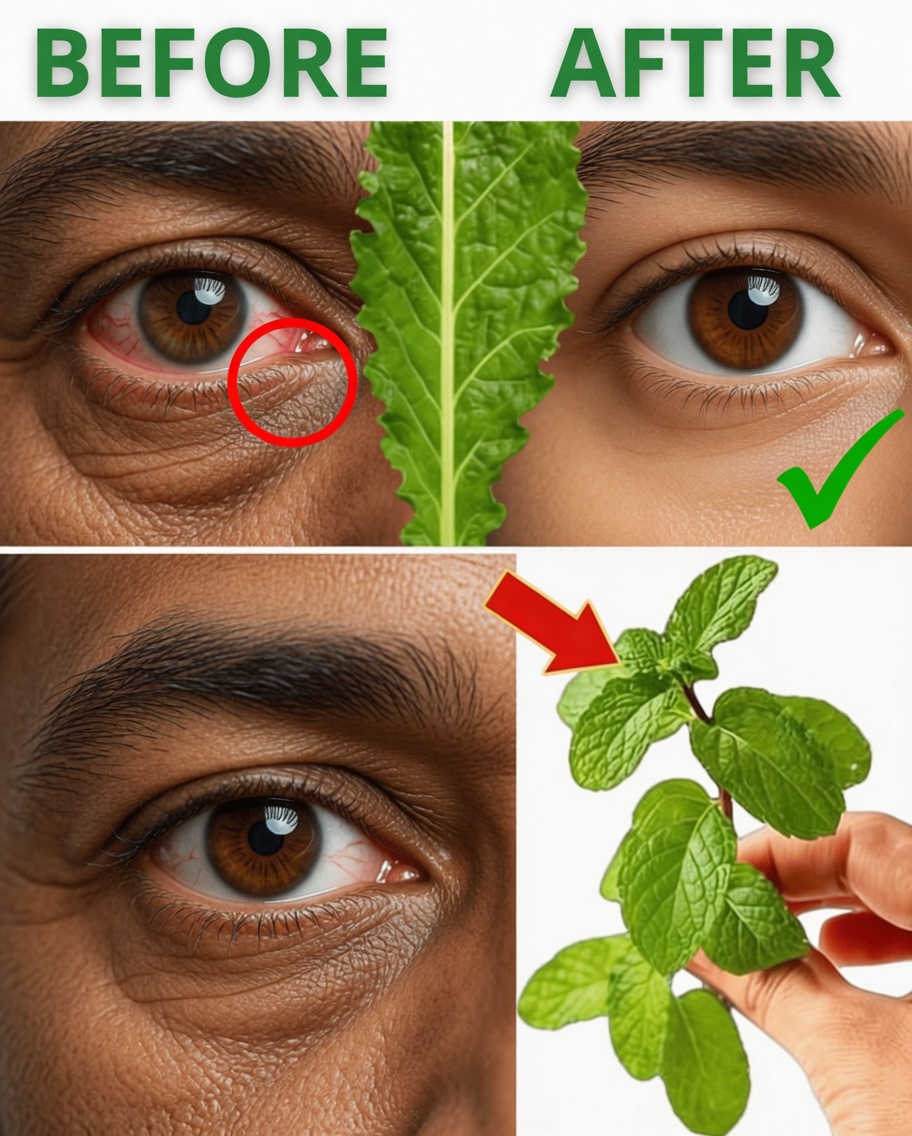
Why Eye Health Challenges Affect So Many People
Modern routines can be rough on vision. Many of today’s most common eye complaints are connected to:
- Blue light exposure and prolonged close-up focus
- Dry indoor air, air conditioning, and reduced blinking during screen use
- Stress, poor sleep, and nutrient gaps that may weaken natural defenses
These issues often build gradually—until you realize your eyes don’t feel as clear, comfortable, or resilient as they once did.

Herb 9: Eyebright (Traditional Support for Daily Eye Strain)
Long screen sessions can lead to redness, dryness, and that “heavy eye” feeling by evening. Eyebright has a long history of traditional use for eye comfort, and early research plus historical practice suggest it may help calm irritation and inflammation.
A popular approach is using eyebright tea compresses as a gentle, soothing routine for tired eyes.

Herb 8: Bilberry (Night Vision Support and Retina Protection)
Difficulty seeing in dim light can make night driving or evening activities feel stressful. Bilberry is rich in anthocyanins, plant pigments studied for their antioxidant effects and often associated with night vision support—with famous stories of WWII pilots using it.
Research also suggests bilberry may help defend the retina against oxidative stress, supporting overall visual performance after dark.
Herb 7: Ginkgo Biloba (Promoting Healthy Blood Flow to the Eyes)
Eye health depends heavily on circulation. Reduced blood flow may contribute to concerns linked with the optic nerve and age-related changes. Studies indicate ginkgo biloba may support microcirculation, including blood flow to the eyes, which could offer protective benefits for long-term visual wellness.
Herb 6: Fennel Seeds (Antioxidant Support for Lens Health)
Oxidative damage is a major factor behind many age-related eye challenges. Fennel seeds contain vitamin C and antioxidants, and research has connected antioxidant intake with healthier lens function and potentially lower cataract-related risk.
Simple options include fennel tea or chewing a small amount of seeds after meals.
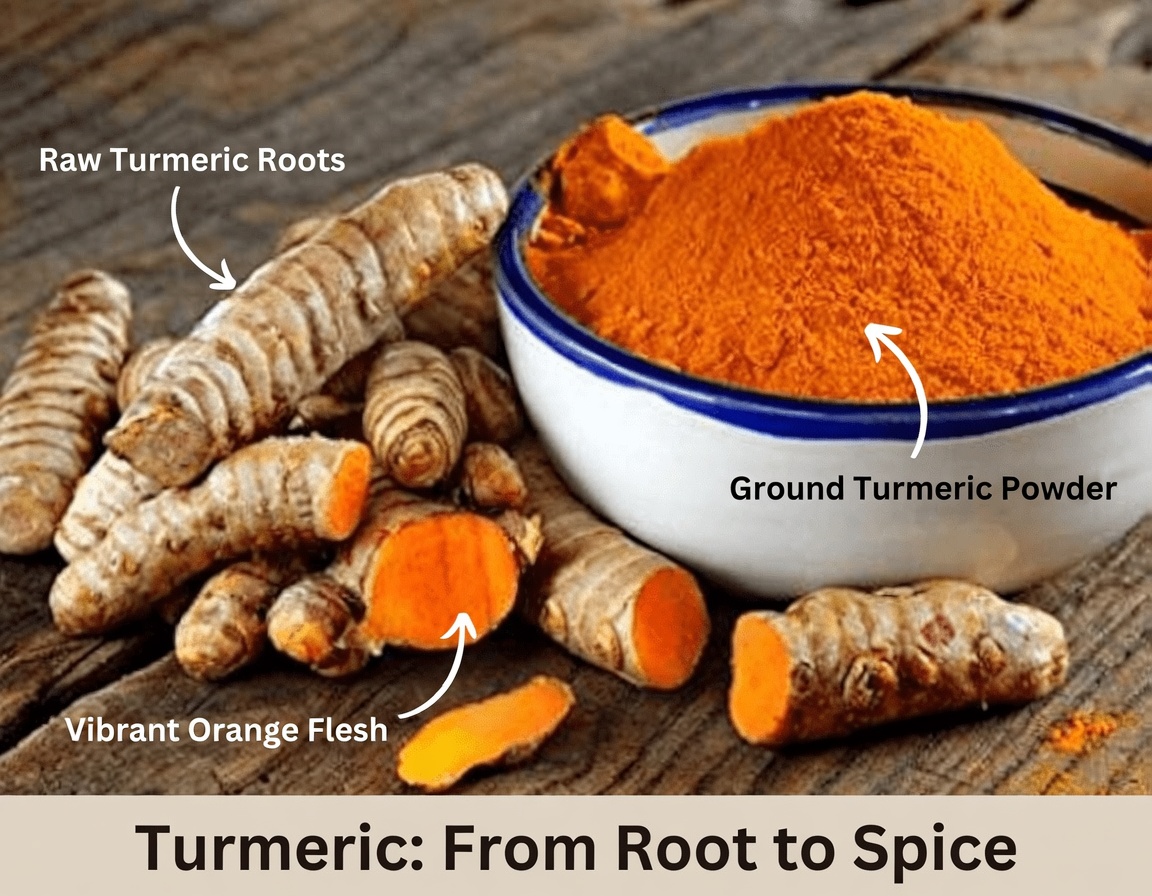
Herb 5: Turmeric (Inflammation and Oxidative Stress Defense)
When inflammation becomes chronic, even minor eye discomfort can feel constant. Turmeric, thanks to its active compound curcumin, has been widely studied for its potential to reduce inflammatory and oxidative processes—which may support healthier eye tissues over time.
Adding turmeric to meals is a practical way to build a steady, gentle routine.
Herb 4: Green Tea (Daily Support for Retinal Vitality)
Daily environmental stress can gradually strain retinal health. Green tea contains catechins, antioxidants that research has associated with protective effects that may support eye function and may be relevant to conditions such as glaucoma.
A consistent habit—like one warm cup per day—can be both refreshing and supportive.
Herb 3: Peppermint (Refreshing Relief for Tired Eye Tension)
Extended concentration often creates tension that makes eyes feel fatigued even after rest. Peppermint, known for its cooling properties (including menthol), may help create a relaxing, refreshing sensation, especially when used as a tea.
On demanding days, peppermint can feel like a quick reset for overworked eyes.
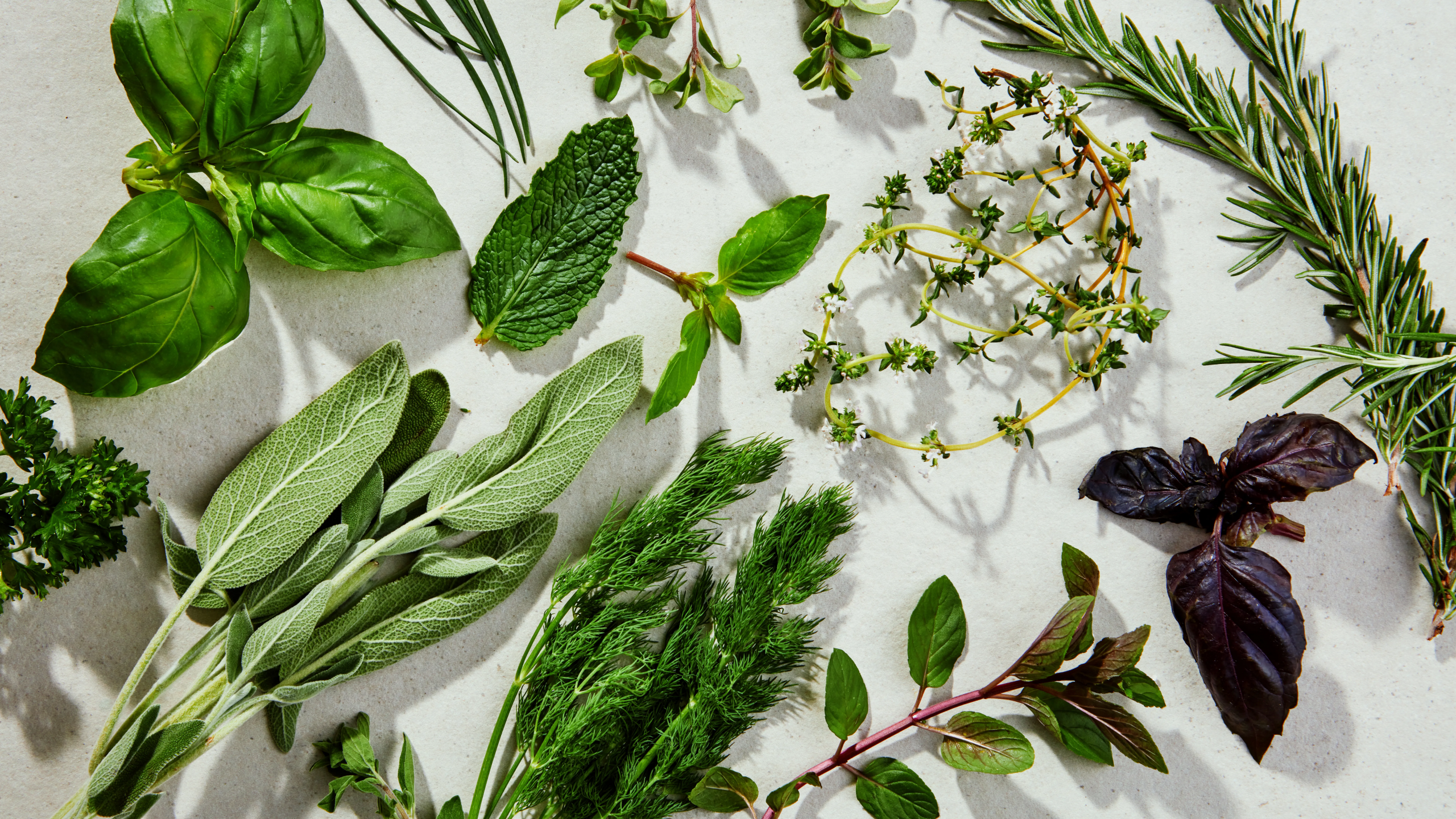
Herb 2: Saffron (Retinal Sensitivity and Photoreceptor Support)
Progressive retinal issues can affect central vision—impacting reading and facial recognition. Studies suggest saffron may support retinal sensitivity and help protect photoreceptor cells, making it one of the most researched premium herbs in this space.
Even small culinary amounts may offer meaningful nutritional support when used consistently.
Herb 1: Aloe Vera (Hydration and Comfort for Dryness)
When your eyes feel dry and irritated, every blink can become uncomfortable—especially in low-humidity environments. Aloe vera contains hydrating polysaccharides and nutrients that may support soothing, moisturizing comfort when used appropriately.
Because the eye area is sensitive, product quality and correct use matter.
Key Nutrients in These Eye-Supporting Herbs
These herbs stand out because they contain compounds commonly studied for visual wellness:
- Eyebright: anti-inflammatory plant compounds — may help reduce redness and strain
- Bilberry: anthocyanins — supports night vision and retinal protection
- Ginkgo biloba: circulation support — linked to optic and blood-flow benefits
- Fennel: vitamin C and antioxidants — supports lens clarity
- Turmeric: curcumin — helps reduce oxidative damage and inflammation
- Green tea: catechins — supports retinal defense and eye vitality
- Peppermint: menthol — refreshing support for tension and fatigue
- Saffron: crocin and safranal — supports retinal function
- Aloe vera: hydrating polysaccharides — supports comfort and surface hydration
Simple, Practical Ways to Use These Herbs Safely
If you’re exploring herbs to support eye comfort and clarity, start conservatively:
- Teas: Eyebright, fennel, peppermint, or green tea can be easy daily options
- Supplements: Choose reputable brands for bilberry, ginkgo, turmeric, or saffron
- Cooking: Use turmeric regularly in food; add saffron sparingly to dishes
- Topical caution: Only use pure, approved aloe products near the eyes and consult a professional first
- Start one at a time: Introduce a single herb, then observe how your eyes respond
Always talk with an eye-care professional first—especially if you have an existing eye condition, take medications, or are preparing for surgery.
Final Thoughts: Small Habits That Support Clearer, More Comfortable Vision
These nine natural herbs for eye health offer research-backed potential to support eye comfort, reduce strain, and protect long-term vision. Many people report subtle improvements when used consistently as part of an overall healthy routine.
For best results and safety, discuss any new herbs or supplements with your healthcare provider. Your eyes work hard every day—supporting them with smart, gentle habits can make a real difference.
Frequently Asked Questions
How quickly can I notice benefits from natural herbs for eye health?
Results vary. Some people feel changes in comfort within a few weeks, but consistent use tends to matter most.
Can these herbs be used with eye medications?
Some herbs may interact with medications. Check with your doctor before combining supplements with prescribed treatments.
Are these herbs safe for children or all age groups?
Needs and dosages differ by age and health status. Professional guidance is the safest approach.
Medical disclaimer: This article is for informational purposes only and does not replace professional medical advice. Always consult a qualified healthcare provider for personalized guidance on eye health or vision concerns.