

Turmeric and Hidden Interactions: What to Avoid for Safe Daily Use
Turmeric has earned its place as both a cooking essential and a popular wellness ingredient. Its deep golden color and warm, earthy taste can brighten everything from savory dishes to soothing drinks. Still, many people add turmeric to their routine without realizing that some common foods, medications, and supplements may influence how it works in the body.
In some cases, these pairings can lower nutrient absorption, interfere with medications, or place extra strain on the body. Fortunately, you do not need to stop using turmeric. With a few simple habits, you can continue enjoying it safely — including one surprisingly helpful tip near the end that many people overlook.
How Turmeric Affects the Body
The main active compound in turmeric is curcumin, which gives the spice its signature yellow-orange color. When consumed in normal food amounts, turmeric is usually well tolerated by most adults. However, research shows that curcumin may affect how the body handles certain nutrients and substances.
This is why turmeric interactions are worth understanding, especially for people who use it often in meals or take it as a supplement. In general, concerns are more likely to appear when turmeric is combined with specific products in large quantities or used consistently over time.
Iron-Rich Foods to Keep Separate from Turmeric
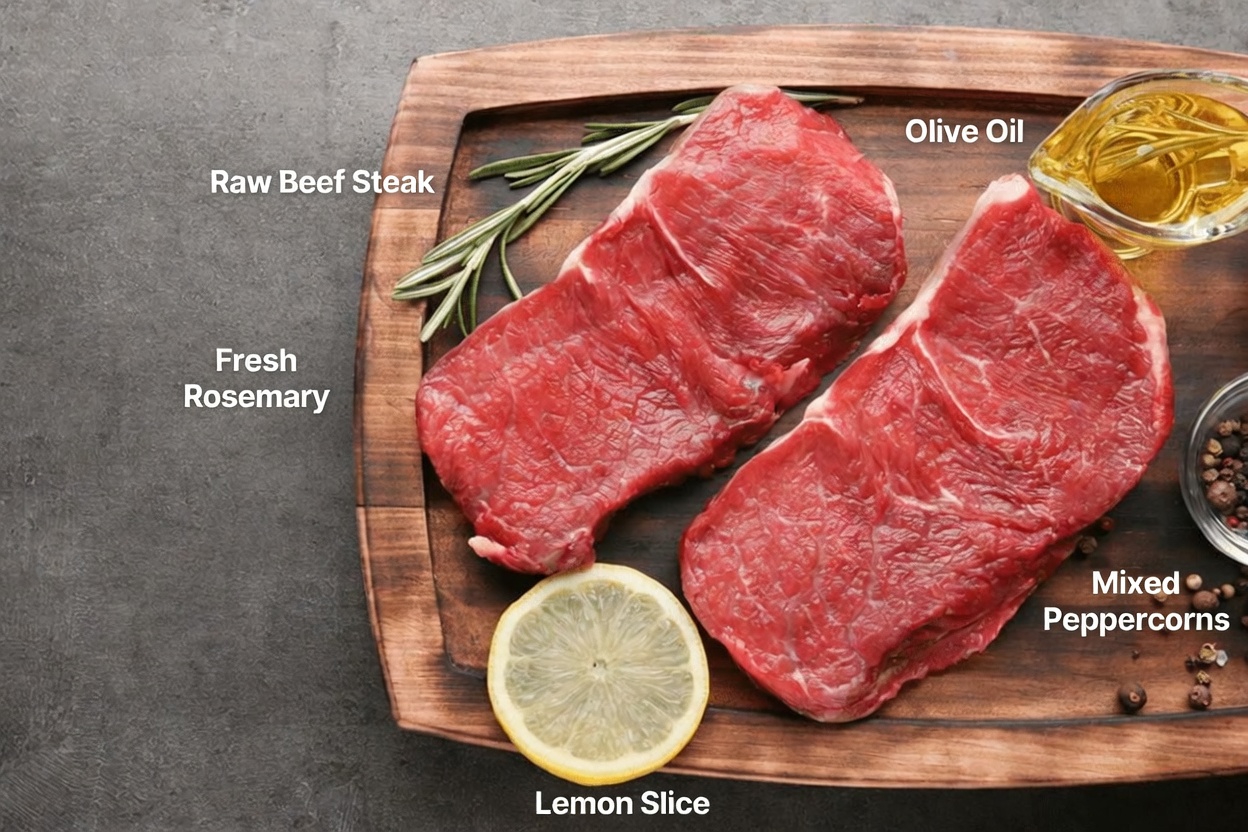
A lesser-known issue with turmeric involves iron absorption. Some studies suggest that curcumin may bind with iron in the digestive system, making it harder for the body to absorb enough of this important mineral. This can be especially relevant for people who already need to protect or improve their iron levels.
Foods that may deserve extra attention include:
- Red meat such as beef and lamb
- Organ meats, including liver
- Eggs
- Beans, lentils, and other legumes
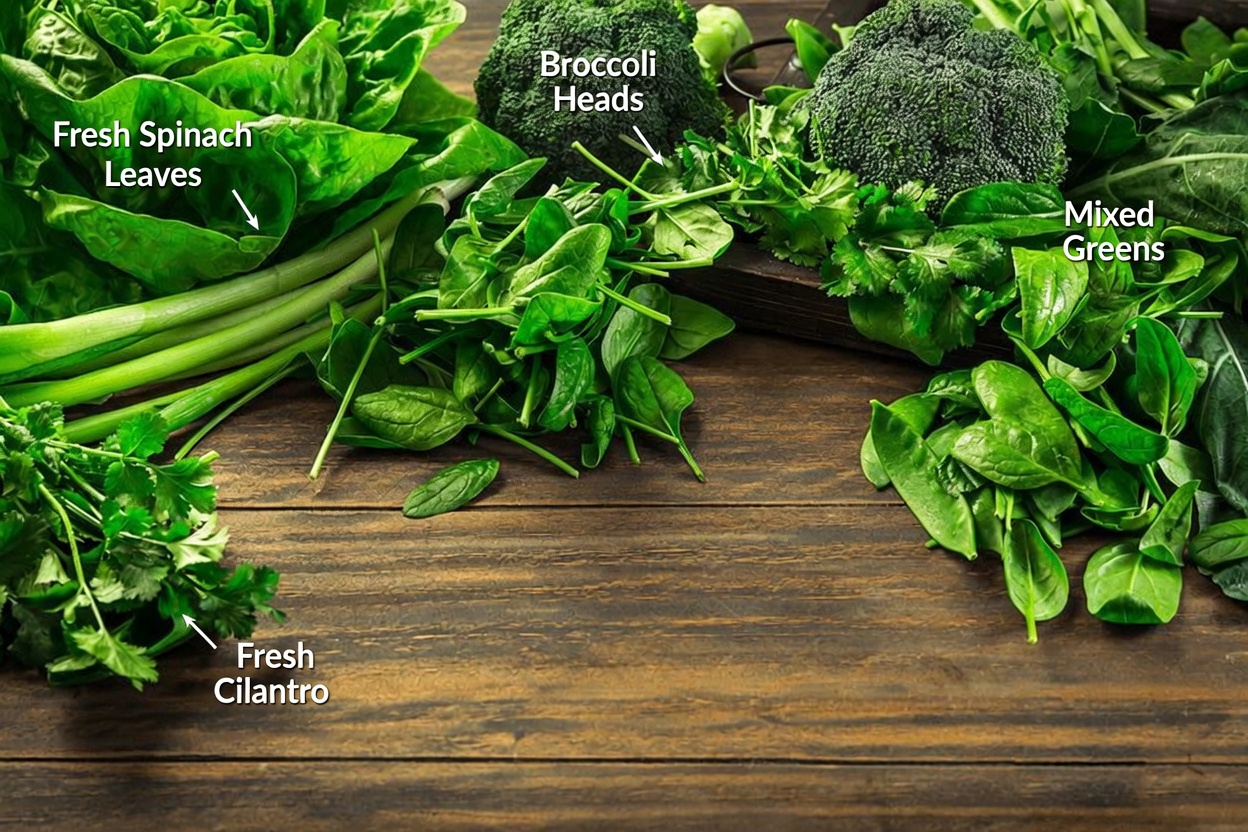
- Dark leafy greens like spinach and kale
If you have low iron, are recovering after childbirth, or are otherwise trying to support healthy iron status, it may help to eat turmeric-containing foods a few hours apart from iron-rich meals. This small change can help you benefit from both without unnecessary compromise.
Medications That May Interact with Turmeric
Turmeric has naturally mild blood-thinning and blood-sugar-lowering effects. While these properties may sound beneficial, they can become more significant when turmeric is used alongside certain prescription medications.
Be cautious with the following medication groups:
- Blood thinners such as warfarin, aspirin, or other anticoagulants, which may raise the risk of bruising or bleeding more easily
- Blood pressure medications, since curcumin may slightly affect how the body manages blood pressure
- Diabetes medications, because turmeric may strengthen blood-sugar-lowering effects and potentially contribute to levels dropping too far
If you take any of these medicines, the safest step is to speak with your healthcare provider before increasing your turmeric intake, especially through supplements. Professional guidance can help you make changes safely and monitor for any unwanted effects.
Herbal Teas and Supplements That Need Extra Caution
Turmeric may also interact with certain herbal products, particularly those that can put added stress on the liver when taken in concentrated amounts.
Examples include:
- Green tea extracts, especially high-potency versions
- Kava
- Other herbs commonly used in wellness blends that may challenge liver function
For most people, turmeric used in cooking is not a major concern. The issue becomes more relevant with daily high-dose supplements or multiple concentrated herbal products taken together. If you use both turmeric supplements and herbal formulas, spacing them out or simplifying your routine may be a smart choice.
Who Should Be Especially Careful with Turmeric
Some individuals should be more mindful when using turmeric regularly.
These groups include:
- People with a history of kidney stones
- Those with gallbladder problems
- Pregnant women, especially when considering turmeric supplements
- Anyone preparing for surgery
Curcumin may affect bile flow, which is why moderate intake is often recommended for people with gallbladder concerns. During pregnancy, turmeric in normal food amounts is generally considered acceptable, but concentrated supplements should only be used with medical approval. For surgery patients, turmeric is usually best stopped at least two weeks before the procedure because of its mild blood-thinning action.
Simple Ways to Use Turmeric Safely Every Day
You can still enjoy turmeric regularly without making things complicated. A few practical habits can help lower the chance of unwanted interactions.
Try these everyday strategies:
-
Use turmeric mainly in meals
- Culinary amounts are usually easier for the body to handle than high-dose capsules or extracts.
-
Combine it with black pepper
- A small pinch of black pepper may improve curcumin absorption naturally.
-
Pay attention to timing
- Leave a few hours between turmeric and iron-rich meals or medications when possible.
-
Start with a small amount
- Around 1/2 teaspoon per day in food is a reasonable place to begin.
-
Drink enough water
- Good hydration supports digestion and may help your body process spices more comfortably.
-
Read supplement labels carefully
- Multi-vitamins and herbal blends may already contain ingredients similar to what you are taking separately.
Another helpful habit is to rotate your spices. Instead of using turmeric every day without a break, alternate it with options like ginger, cumin, or cinnamon. This gives your body some variety while still adding flavor and potential wellness benefits.

The Overlooked Tip That Makes Turmeric Easier to Use
One of the simplest ways to avoid turmeric-related problems is to stop thinking of it as something that needs to be taken in large amounts. Treat it as a normal pantry spice rather than a “more is better” super-ingredient.
A modest amount in real food often does the job perfectly. Try it in:
- Golden rice
- Roasted vegetables
- Soups and stews
- Warm spiced milk
When portions stay moderate and you pay attention to how your body responds, most possible interactions become much less concerning. Often, the safest approach is also the easiest: use enough to enjoy the flavor and benefits, but not so much that it complicates your routine.
Final Thoughts
Turmeric can absolutely be part of a healthy, balanced lifestyle. The key is knowing when to give it a little space from iron-rich foods, certain medications, and specific herbal products. By focusing on moderation, timing, and informed choices, you can continue using turmeric with more confidence.
Small habits matter. Eating it in normal food amounts, checking with your healthcare provider, and avoiding unnecessary excess can help you enjoy turmeric as a helpful addition rather than a hidden problem.
FAQ
Can I use turmeric in cooking if I take medication every day?
Yes, most people can still cook with turmeric in normal amounts. The important thing is to keep your intake moderate and let your doctor know, especially if you take blood thinners, diabetes medication, or blood pressure medication.
Is drinking golden milk daily safe?
For many healthy adults, one daily cup made with about 1 teaspoon of turmeric or less is generally acceptable. If you have a medical condition or take prescription medication, it is wise to confirm with your healthcare provider first.
What is the safest way to add turmeric to my diet?
The safest method is usually to use turmeric in food rather than in concentrated supplements. Pair it with black pepper and a source of fat such as olive oil or coconut milk to support absorption, and consider rotating it with other spices during the week.
Disclaimer
This content is for informational purposes only and should not be considered medical advice. Always speak with a qualified healthcare professional before changing your diet, supplements, or medications, especially if you have existing medical conditions or use prescription drugs. Individual responses to turmeric can differ.