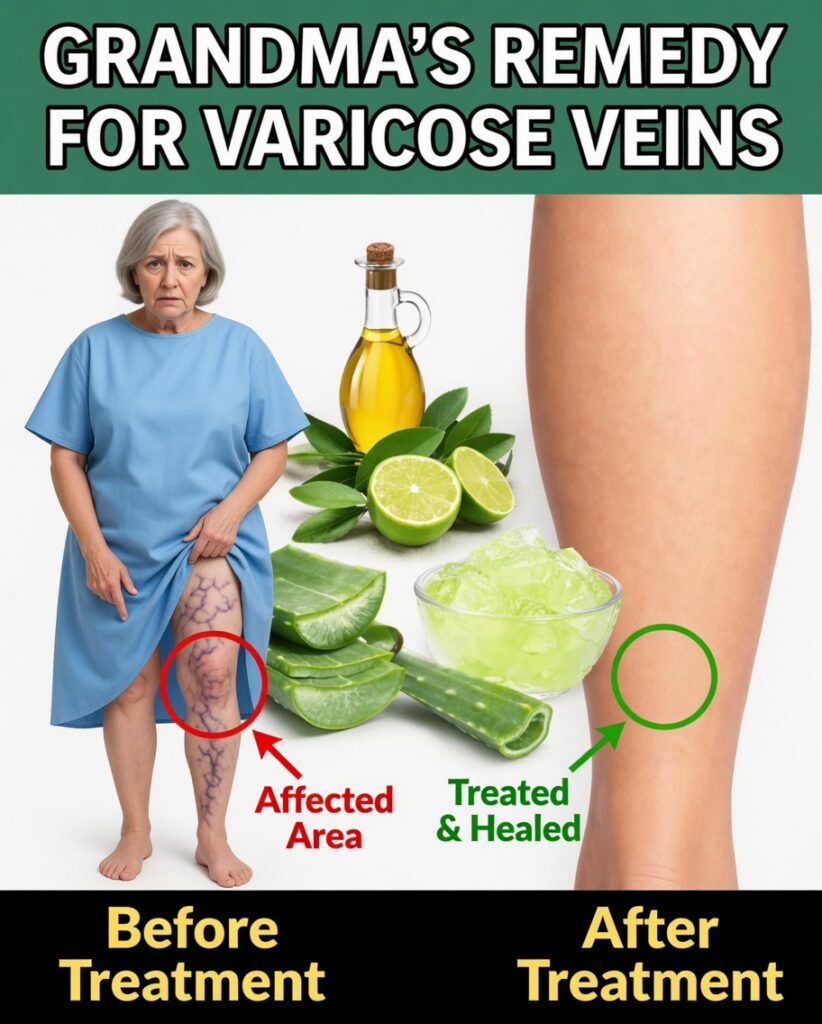
Varicose Veins: Why They Feel So Uncomfortable
Varicose veins can make everyday life harder than it should be. Many people describe a heavy, sore sensation in their legs—so even a short walk can feel draining. Swelling and visibly enlarged, twisted veins may also affect confidence, especially when wearing shorts, dresses, or workout gear.
Alongside professional medical guidance, some people look for gentle at-home options to help soothe daily discomfort. One long-standing folk blend—aloe vera, apple cider vinegar, and lemon—has been passed down for generations and still draws attention today.
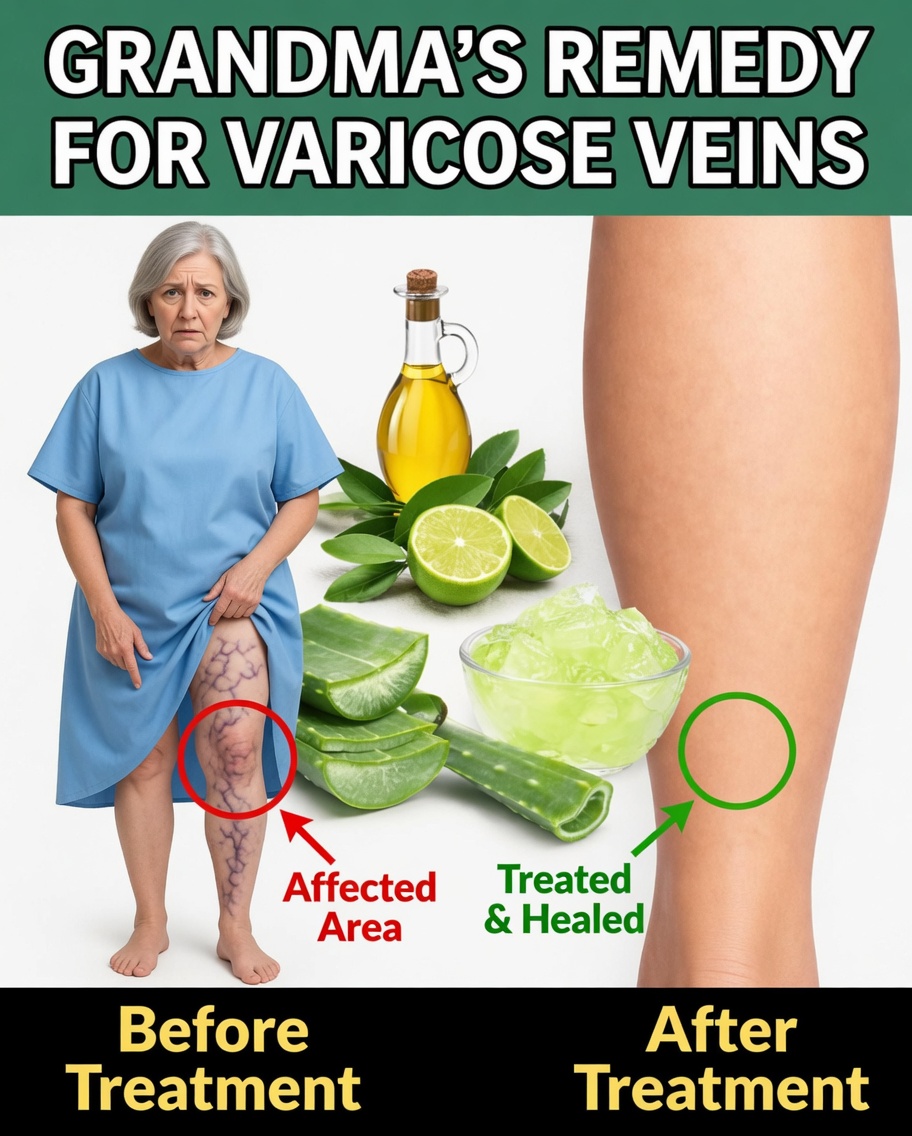
Understanding Varicose Veins and the Daily Impact
Varicose veins develop when valves inside the leg veins weaken, allowing blood to collect instead of flowing efficiently back toward the heart. As pressure builds, veins may enlarge and become more visible.
Common challenges include:
- A persistent heavy or aching feeling in the legs
- Swelling, especially after long hours standing or sitting
- Itching, irritation, or restlessness that can interfere with sleep
Beyond physical symptoms, varicose veins can affect how people feel socially and emotionally—leading some to hide their legs or skip activities they enjoy. While compression therapy and medical procedures help many, others explore natural approaches for comfort.
Important note: home remedies should support—not replace—professional care, particularly if symptoms worsen.
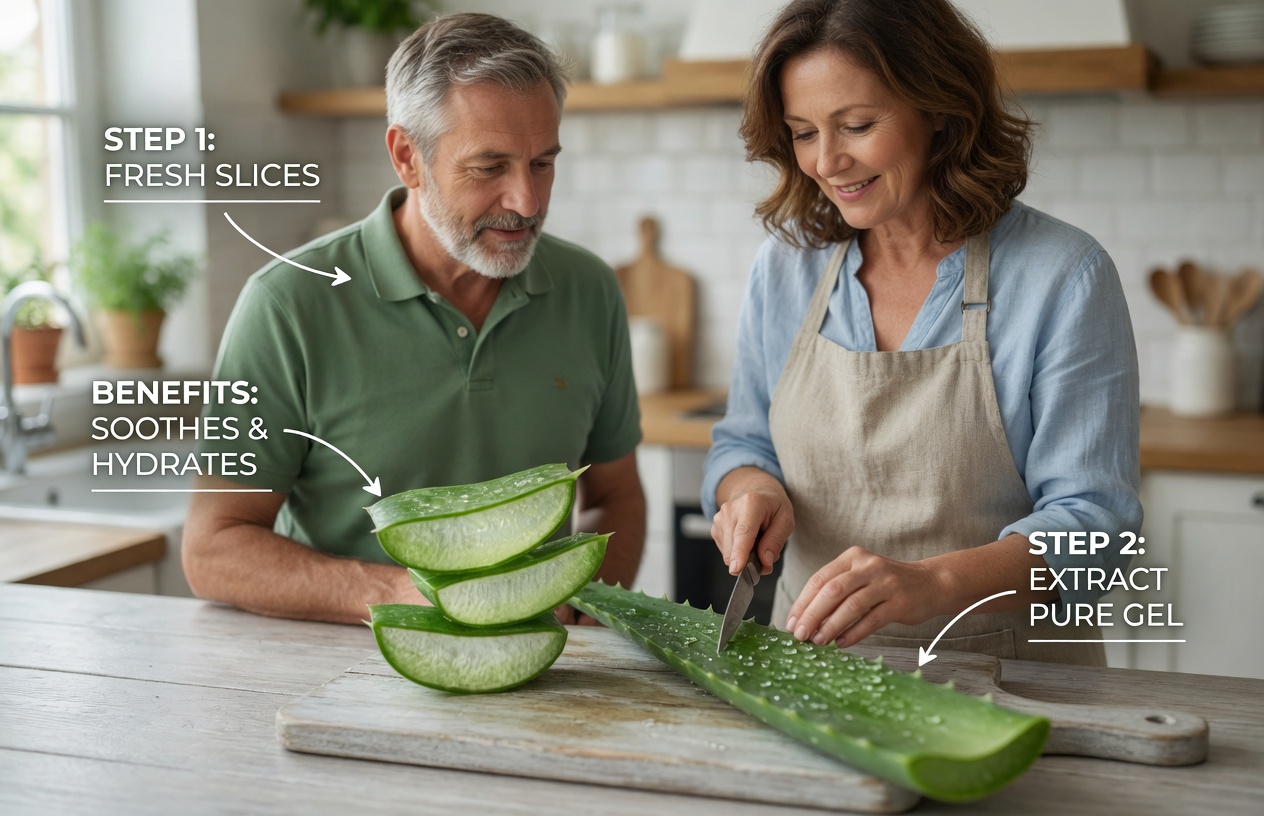
Aloe Vera: A Gentle Base for Skin Comfort
Aloe vera gel, taken from the thick leaves of the plant, is widely used for its cooling, moisturizing, and calming effects on the skin. It’s often applied to dryness or irritation, helping the surface feel more comfortable and hydrated.
For people dealing with varicose veins, the skin around affected areas can feel tight, sensitive, or dry—especially when discomfort is constant. Although strong clinical evidence for aloe vera specifically improving varicose veins is limited, its general soothing properties make it a common starting point in traditional topical blends.
Using pure aloe vera (without added fragrance or harsh preservatives) creates a mild foundation for this mixture.
Apple Cider Vinegar: Traditional Use for Toning and Mild Swelling
Apple cider vinegar (ACV) is known in folk wellness for its astringent feel and its reputation for helping tone the skin. Many traditional routines use it topically in diluted or blended forms to support minor inflammation and temporary puffiness.
People with varicose veins often notice worsening swelling and aching after long days on their feet. Some small studies and anecdotal reports suggest topical ACV may help reduce sensations like:
- Leg heaviness
- Discomfort
- Visible swelling (in some cases)
Results vary widely, and this is not a guaranteed solution—but it remains a popular ingredient when combined with aloe vera and lemon.
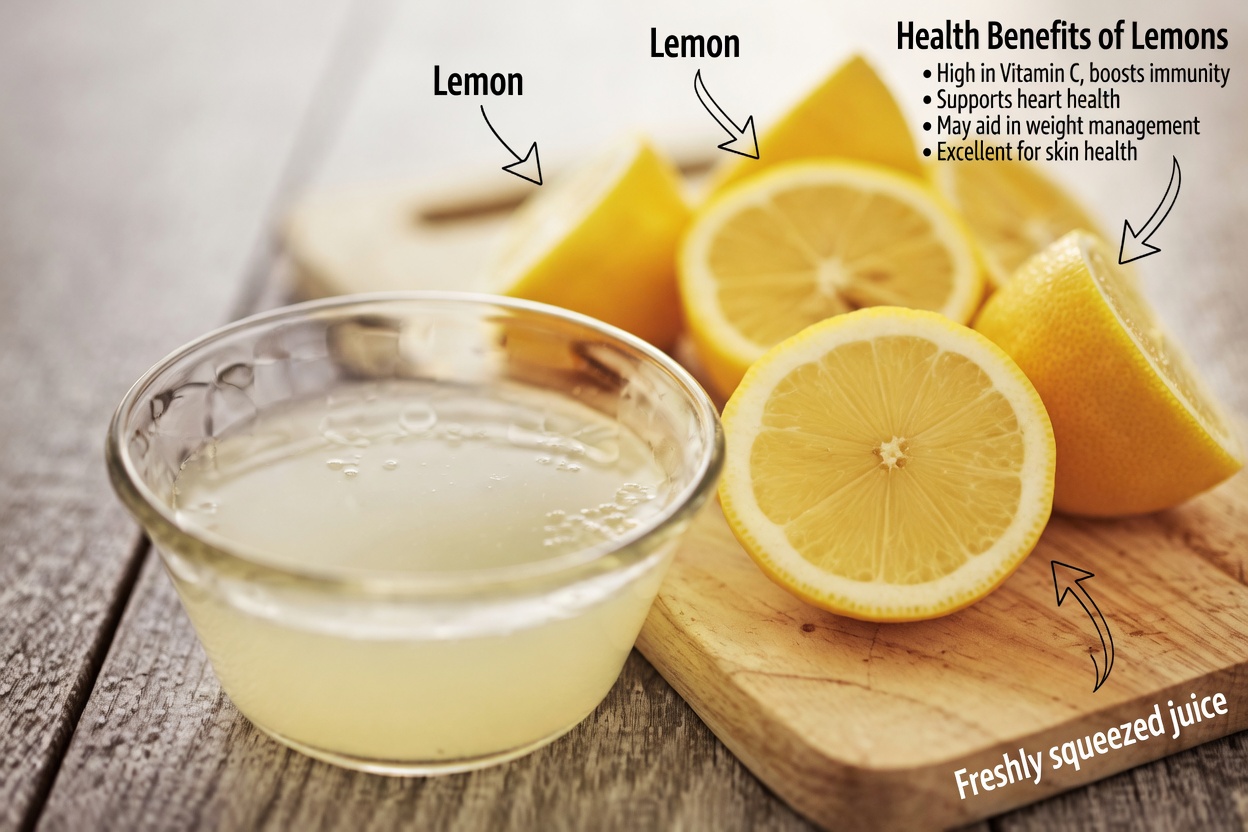
Lemon and Vitamin C: Supporting Collagen and Vascular Health
Lemon juice provides vitamin C, an antioxidant essential for collagen production—a key component that helps maintain the structure and strength of blood vessel walls.
While topical lemon is not a medical treatment for varicose veins, vitamin C is strongly linked to broader vascular support and may help maintain overall vein and tissue integrity. In this blend, lemon adds a bright, fresh element that pairs well with aloe vera and apple cider vinegar.
Also worth remembering: vitamin C supports vein health internally, too—so getting it through diet (including citrus fruits) can be beneficial as part of a healthier routine.
How to Make the Aloe Vera, Apple Cider Vinegar, and Lemon Blend
Preparing this mixture is simple, and for many people, the act of self-care itself feels empowering—especially when leg discomfort becomes part of daily life.
Ingredients
- 2 tablespoons pure aloe vera gel (fresh or store-bought without additives)
- 1 tablespoon raw, unfiltered apple cider vinegar
- Juice from ½ a fresh lemon
Steps
- Add aloe vera gel to a clean bowl.
- Stir in apple cider vinegar.
- Squeeze in the lemon juice.
- Mix until smooth.
- Optional: chill briefly for a more cooling sensation.
This blend is intended for comfort-focused topical support in areas affected by varicose veins.
How to Apply It Safely (Technique Matters)
Varicose vein discomfort often feels strongest later in the day, when legs are tired and swollen. If you try this blend, gentle application is key.
Suggested routine
- Clean and dry the affected area.
- Apply a thin layer of the mixture.
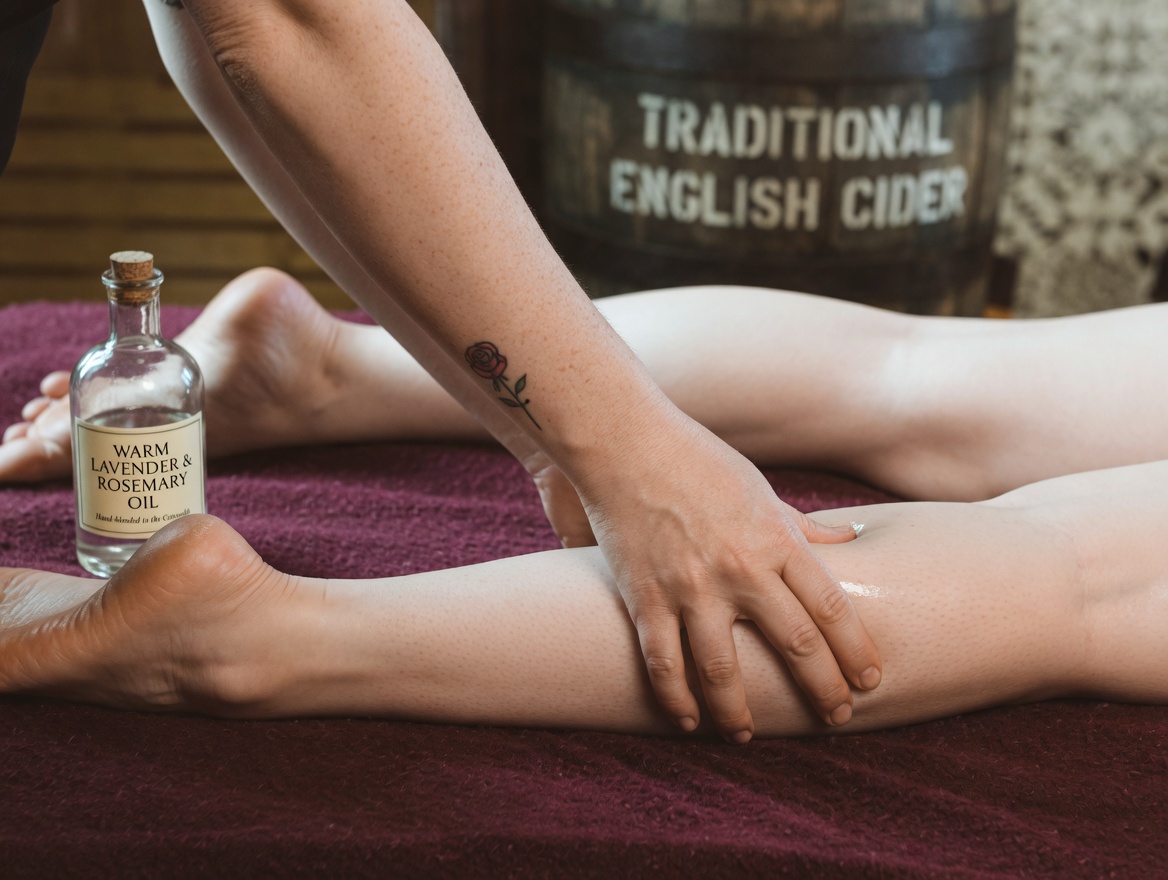
- Massage upward using light, circular motions for 5–10 minutes (avoid aggressive pressure).
- Leave on for 20–30 minutes.
- Rinse with lukewarm water and pat dry.
- Use 3–4 times per week, watching how your skin responds.
With consistent use, some people report mild, gradual soothing—though results differ.
Quick Ingredient Comparison: What Each One Adds
-
Aloe vera
- Main role: skin cooling + hydration
- Potential downside: rare sensitivity or allergy
-
Apple cider vinegar
- Main role: astringent, traditionally used for toning
- Potential downside: acidic—may irritate sensitive skin
-
Lemon (vitamin C)
- Main role: supports collagen; antioxidant benefits
- Potential downside: citrus sensitivity; may sting irritated areas
-
Combined mixture
- Main role: multi-ingredient soothing approach
- Best practice: patch test first to reduce irritation risk
Important Considerations Before You Try It
Natural options can be appealing, but safety matters most—especially with varicose veins.
Keep these precautions in mind:
- Talk to a clinician if you have severe varicose veins, significant swelling, skin changes, or existing skin conditions.
- Always do a patch test before applying more broadly.
- Stop immediately if you notice burning, rash, or irritation.
- Do not apply to broken, scratched, or inflamed skin.
This topical blend is best viewed as a complement to supportive habits such as:
- Leg elevation
- Regular movement and walking
- Avoiding long periods of standing or sitting
- Wearing compression stockings if recommended
Conclusion: A Traditional Blend for Gentle Comfort
The combination of aloe vera, apple cider vinegar, and lemon remains a well-known traditional mixture for leg comfort. While evidence is mostly anecdotal (and research is limited for topical results), the ingredients are widely used for their soothing and skin-supportive properties.
Varicose veins can affect both comfort and confidence, but small, consistent self-care routines may help you feel more in control. Check in with your healthcare provider, choose high-quality ingredients, and pay attention to your body’s response.
Frequently Asked Questions
Is the aloe vera, apple cider vinegar, and lemon mixture safe for everyone with varicose veins?
Many people tolerate it, but not everyone. Skin sensitivity varies, especially with acidic ingredients like vinegar and lemon. Patch test first, and consult a healthcare professional if you’re pregnant, taking medications, or have skin conditions.
How long does it take to notice results?
It depends. Some people report a soothing effect after a few weeks of consistent use, while others notice little difference. This is not a quick fix, and expectations should stay realistic.
Can this mixture replace medical treatment for varicose veins?
No. This blend may offer comfort-focused support, but it does not address root vein valve issues. Proven options—such as compression therapy, medical evaluation, or procedures like sclerotherapy—are best guided by specialists.