

5 Best Nuts and Seeds to Help Support Leg and Arm Strength as You Age
As time goes by, many people notice that everyday movements do not feel quite as easy as they once did. Climbing stairs, carrying groceries, or getting up from a chair can start to require more effort. This gradual dip in strength may affect not only comfort, but also confidence and independence.
The encouraging news is that some common nuts and seeds can provide valuable nutritional support for muscle function when included in a healthy routine.
In this guide, you will discover five standout options highlighted by research for their muscle-supporting nutrient profiles, along with easy ways to add them to your daily meals.
Why Leg and Arm Strength Becomes More Important With Age
After around age 30, muscle mass naturally begins to decrease. For many adults, this decline becomes more noticeable after 60. Often referred to as age-related muscle loss, this process can influence balance, stability, mobility, and overall ease of movement.
Strong legs help you walk confidently, stay steady, and move more freely. Strong arms make lifting, reaching, carrying, and handling everyday tasks much less exhausting.
The good part is that food choices can help, especially when combined with regular movement. Research suggests that eating patterns rich in plant protein, healthy fats, and essential minerals may help support muscle health over time. Nuts and seeds are especially useful because they are easy to store, simple to eat, and naturally rich in nutrients linked to healthy aging.
How Nuts and Seeds Help Support Muscle Health
Recent studies point to a clear association between frequent nut and seed consumption and better muscle outcomes in older adults. One large study reported that people who ate nuts almost every day were less likely to experience muscle loss than those who rarely consumed them.
Scientists believe several nutrients are responsible for these benefits, including:
- Protein, which helps maintain muscle tissue
- Leucine, an amino acid involved in muscle protein synthesis
- Magnesium, which supports muscle contraction and energy production
- Zinc, which helps with recovery and immune function
- Omega-3 fatty acids, which may help manage inflammation
- Antioxidants, which help protect cells from daily stress
Another major advantage is simplicity. You do not need complicated meal plans or expensive supplements. A small daily serving of the right nuts and seeds can be a practical addition to a balanced lifestyle.
The Top 5 Nuts and Seeds for Everyday Muscle Support
Below are five excellent choices that stand out for their nutritional value and potential to help support strength in the legs and arms.
1. Pumpkin Seeds: A Rich Source of Leucine
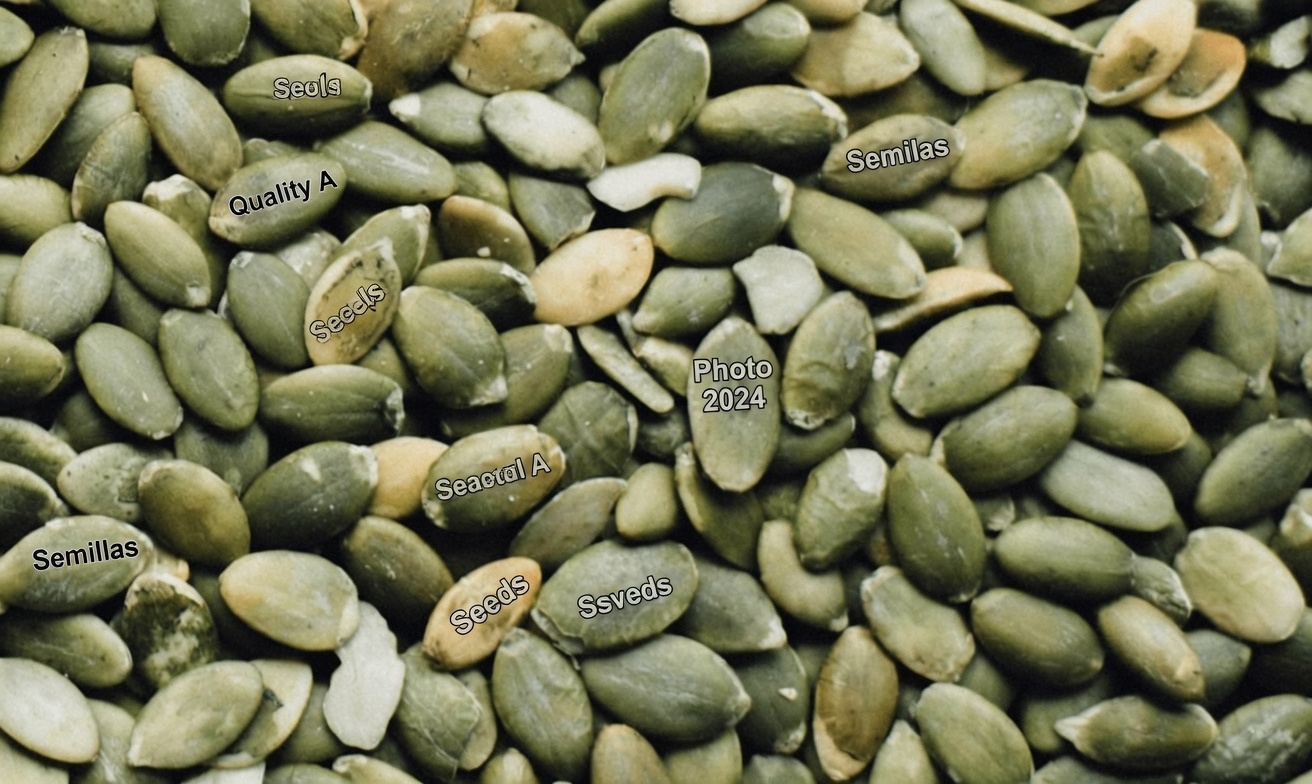
Pumpkin seeds, also known as pepitas, are one of the best plant foods for leucine, providing about 2.8 grams per cup. Leucine is especially important because it helps trigger muscle protein building.
They also contain:
- Magnesium for muscle function and energy
- Zinc for recovery and immune support
- Plant protein to help maintain strength
A small handful of roasted pumpkin seeds with a little sea salt makes an easy and satisfying snack.
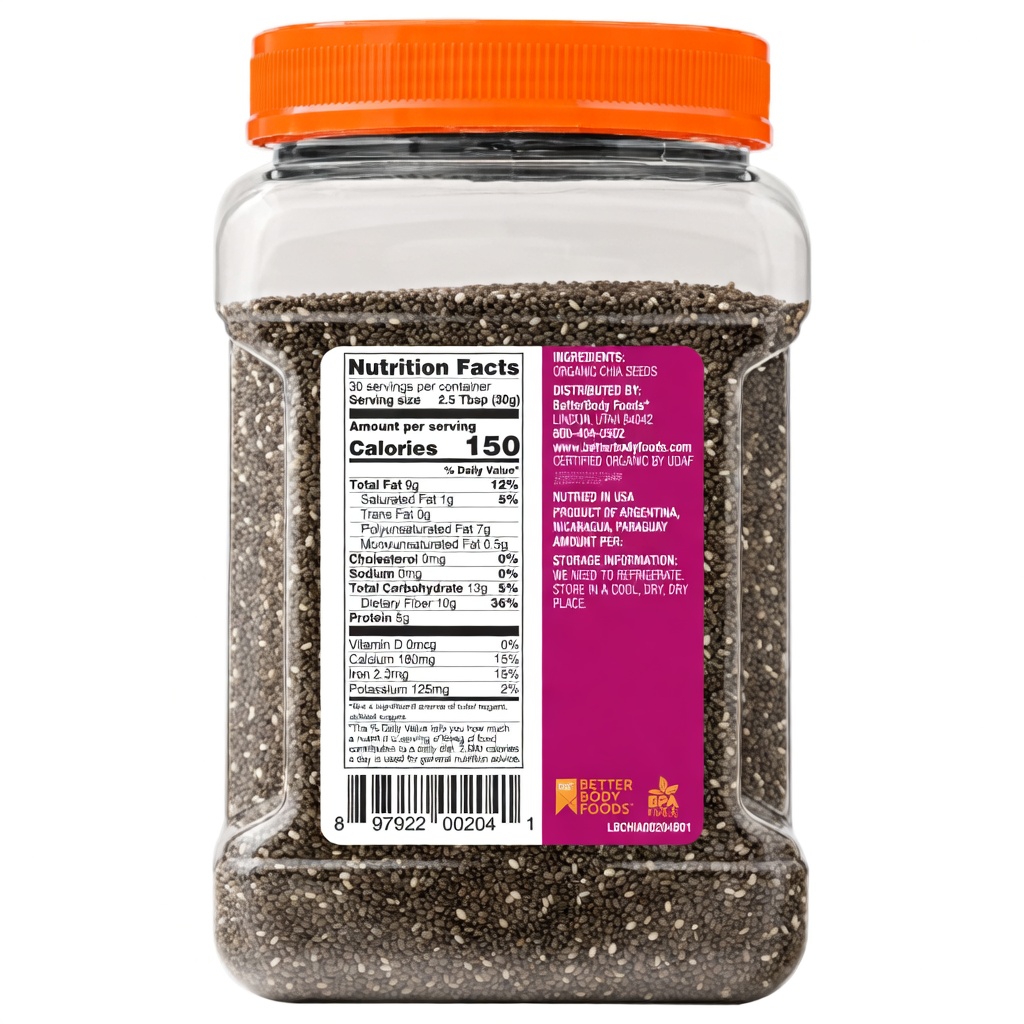
2. Chia Seeds: Tiny Seeds With Protein and Omega-3s
Chia seeds may be small, but they are loaded with nutrition. When mixed with liquid, they form a gel-like texture that works well in many recipes.
Two tablespoons provide about:
- 5 grams of protein
- Plant-based omega-3 fatty acids
- Fiber for fullness and digestion
Research suggests that omega-3 fats from foods like chia may support muscle health, especially when paired with regular physical activity.
They are easy to use in:
- Yogurt
- Overnight oats
- Smoothies
- Puddings
3. Flaxseeds: Healthy Fats and Fiber in One
Ground flaxseeds offer a strong combination of lignans, fiber, and alpha-linolenic acid (ALA), a plant form of omega-3. Research has linked ALA with lower muscle fatigue in older adults.
Flaxseeds also supply:
- Magnesium
- Fiber for digestion
- Healthy fats for steady energy
One important tip: use ground flaxseeds instead of whole flaxseeds whenever possible. Grinding them helps your body absorb more of the nutrients.
4. Almonds: Protein, Magnesium, and Vitamin E
A one-ounce serving of almonds gives you around 6 grams of protein along with a generous amount of vitamin E, an antioxidant that helps protect muscle cells.
Almonds also provide:
- Magnesium to support nerve and muscle communication
- Healthy fats for lasting energy
- A convenient snack option for busy days
Whether raw or lightly roasted, almonds are easy to carry and easy to include in your routine.
5. Walnuts: Omega-3 Support for Mobility and Muscle Function
Among tree nuts, walnuts are especially known for their omega-3 content. These healthy fats may help older adults maintain muscle function and support mobility.
Walnuts also contain:
- Polyphenols, which act as antioxidants
- Healthy fats that support overall wellness
- A satisfying crunch that works in sweet or savory meals
Try adding chopped walnuts to oatmeal, salads, or soups for extra texture and nutrition.
Why These Five Foods Work Well Together
Each of these nuts and seeds offers something different, but together they create a powerful nutritional combination.
- Pumpkin seeds and almonds contribute protein and leucine
- Chia, flax, and walnuts provide anti-inflammatory omega-3 fats
- Magnesium, found across several of these foods, supports smooth muscle contraction and relaxation
- Zinc and vitamin E help the body recover from daily activity
This kind of nutrient synergy may be more effective than relying on only one food.
Quick Nutrition Comparison
Here is an approximate look at what 1 ounce of each provides:
| Nut/Seed | Protein (g) | Magnesium (mg) | Omega-3 (g) | Leucine (mg) |
|---|---|---|---|---|
| Pumpkin Seeds | 7 | 150 | 0.1 | ~700 |
| Chia Seeds | 5 | 95 | 2.5 | ~300 |
| Ground Flaxseeds | 5 | 110 | 2.4 | ~250 |
| Almonds | 6 | 75 | 0 | ~400 |
| Walnuts | 4 | 45 | 2.5 | ~200 |
These amounts can add up quickly when you rotate them throughout the week.
Simple Ways to Add Them to Your Day
You do not need to change your entire diet. Small, consistent steps can make a real difference. Here is an easy plan to start using right away:
-
Morning
- Add 1 tablespoon of chia seeds and 1 tablespoon of ground flax to oatmeal or yogurt.
-
Mid-morning snack
- Keep a small mix of almonds and pumpkin seeds in your bag, car, or desk drawer.
-
Lunch
- Sprinkle chopped walnuts over salads or soups.
-
Afternoon
- Blend a handful of nuts or seeds into a smoothie with spinach and banana.
-
Evening
- Stir a teaspoon of chia or flax into warm milk or a caffeine-free drink before bed.
A practical daily goal is about 1 to 2 ounces of mixed nuts and seeds. Many people notice more stable energy and easier movement after a couple of weeks of regular use.
Why Light Exercise Makes These Foods Even More Effective
Good nutrition helps, but pairing it with movement is where the biggest benefits often happen. Research consistently shows that simple resistance exercises work better when the body also receives enough protein and key nutrients.
Helpful activities include:
- Chair squats
- Wall push-ups
- Resistance band exercises
- Light arm and leg strengthening movements
The leucine and protein in foods like pumpkin seeds and almonds may help muscles respond more effectively to this kind of training.
You do not need long workouts. Even 10 to 15 minutes a few times per week can be a great place to begin.
Small Daily Choices Can Support Future Strength
Adding these five nuts and seeds to your meals is one of the easiest and most enjoyable ways to support muscle health as you age. You are not making a drastic lifestyle change. Instead, you are building better habits through simple, research-backed food choices that fit naturally into everyday life.
Consistency matters most. When these foods are combined with regular movement, good sleep, and an overall balanced diet, they can help support stronger legs, stronger arms, and greater confidence in daily activities.
Frequently Asked Questions
How much should I eat each day for muscle support?
Most research suggests that 1 to 2 ounces of mixed nuts and seeds per day is a practical amount. Spreading them across meals and snacks may help provide a steady supply of protein, healthy fats, and important minerals.
Are these nuts and seeds suitable if I have high blood pressure?
In many cases, yes, especially when they are eaten unsalted or lightly salted. Nuts and seeds contain nutrients like magnesium and healthy fats that may fit well into a heart-conscious eating pattern. However, if you have a medical condition or specific dietary restrictions, it is best to check with your healthcare provider.
Is it better to eat one type or mix several together?
A mix is often the better choice. Combining different nuts and seeds gives you a wider range of nutrients, including leucine, protein, omega-3s, magnesium, zinc, and antioxidants.
Do I need supplements if I eat these foods regularly?
Not necessarily. Many people can get useful nutritional support from whole foods alone. Nuts and seeds are convenient, natural sources of several nutrients connected with muscle health. Still, supplements may be recommended in some situations by a healthcare professional.
What is the easiest one to start with?
If you want a simple starting point, try almonds or pumpkin seeds for snacking, and chia or ground flax for breakfast. They are easy to find, easy to store, and simple to use every day.