
Living With Diabetes: Why Cold Extremities, Low Energy, and Intimacy Changes Happen
For many people with diabetes, daily life is affected by more than glucose numbers. Cold hands and feet, lingering fatigue, and changes in intimacy can quietly reduce comfort and confidence. These symptoms are often linked to common diabetes-related challenges such as reduced circulation and nerve health issues—leaving many wondering whether they simply have to “live with it.”

There is encouraging news: growing research suggests that nutrient deficiencies are widespread in people with diabetes. Correcting those gaps may offer real support for circulation, cellular energy, nerve comfort, and overall well-being.
Stay with this guide—three key nutrients may help you feel more energized, more connected, and more in control.
Why Circulation, Energy, and Intimacy Are Often Affected in Diabetes
Over time, diabetes can impact small blood vessels and nerves. When blood flow is reduced, hands and feet may feel cold, numb, or tingly. At the same time, cells may struggle to produce energy efficiently, contributing to “all-day” tiredness.
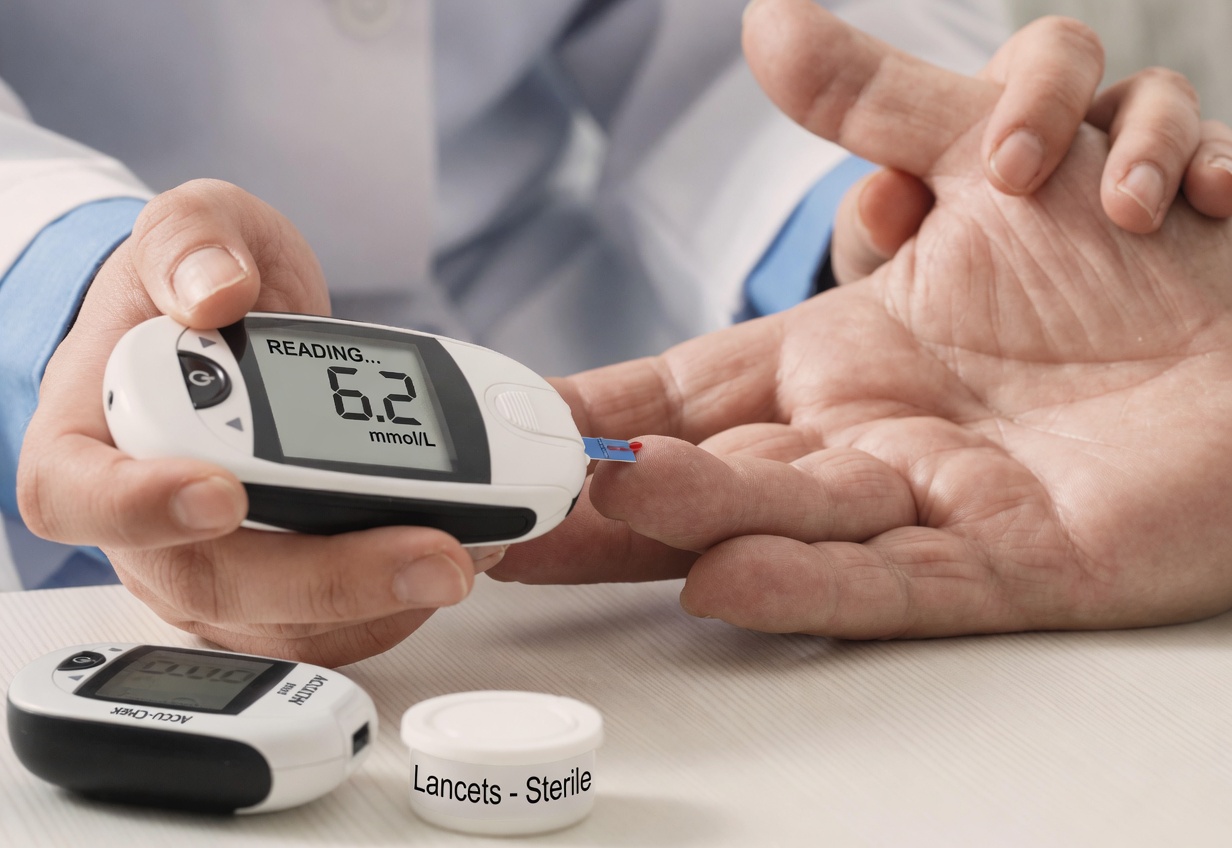
Intimacy can also become a sensitive topic, often influenced by vascular health, nerve signaling, mood, and overall vitality. Research reviews have found that vitamin and mineral deficiencies are common in type 2 diabetes—vitamin D deficiency alone has been reported in more than 60% of people in some analyses.
These nutrient gaps may not show obvious signs at first, but they can amplify everyday discomfort. The upside: optimizing specific nutrient levels may help support blood flow, energy production, and quality of life.
Nutrient #1: Vitamin B3 (Niacin) for Circulation and Vascular Support
Vitamin B3—also known as niacin—helps support blood vessel function and plays a role in lipid (cholesterol) balance. Research suggests niacin may:
- Increase “good” HDL cholesterol
- Support endothelial function (the inner lining of blood vessels), which is closely tied to healthy circulation

Important note for people with diabetes: high-dose niacin can affect blood sugar, so it should be used carefully and ideally under medical supervision. In food-based amounts—or when guided by a clinician—niacin may contribute to better vascular support and potentially warmer extremities.
Food sources of niacin include:
- Salmon and tuna
- Chicken
- Peanuts
Niacin is also connected to cellular energy pathways, which is especially relevant for people who feel drained or sluggish during the day.
Nutrient #2: NAD+ Precursors (Such as NR) to Support Cellular Energy
NAD+ is a critical molecule your cells use to convert food into usable energy. NAD+ levels tend to decline with age, and some evidence suggests they may be further reduced in metabolic conditions such as diabetes.

That’s where NAD+ precursors come in—particularly nicotinamide riboside (NR). Early research, including studies in humans with prediabetes, indicates NR may help by:
- Supporting mitochondrial function (your cells’ energy “factories”)
- Potentially improving insulin sensitivity
- Reducing feelings of fatigue in some individuals
While NR isn’t a “standard vitamin,” it is closely related to the vitamin B3 pathway. For people dealing with afternoon energy crashes or low stamina, supporting NAD+ status may be worth discussing with a healthcare professional.
Nutrient #3: Vitamin D for Nerve, Mood, and Microcirculation Support
Vitamin D deficiency is among the most common nutrient issues seen in diabetes and has been associated with insulin resistance and complications.
Research suggests that improving vitamin D status may help support:
- Microcirculation (small-vessel blood flow)
- Nerve comfort, including neuropathic symptoms
- Mood and energy

Some clinical trials have reported benefits for painful diabetic neuropathy and improvements in measures such as fasting glucose when deficiencies are addressed.
How to support vitamin D:
- Moderate sun exposure (when appropriate)
- Fatty fish and other vitamin D–rich foods
- Supplements, if needed—ideally based on blood testing and clinician guidance
The “Synergy” Nutrient: Magnesium Often Matters Too
Magnesium is frequently overlooked, yet studies suggest deficiency may affect nearly half of people with diabetes in some populations. Magnesium supports hundreds of biochemical reactions, including processes involved in energy metabolism and pathways related to the nutrients above.
Low magnesium may contribute to:
- Increased insulin resistance
- Muscle cramps and general weakness
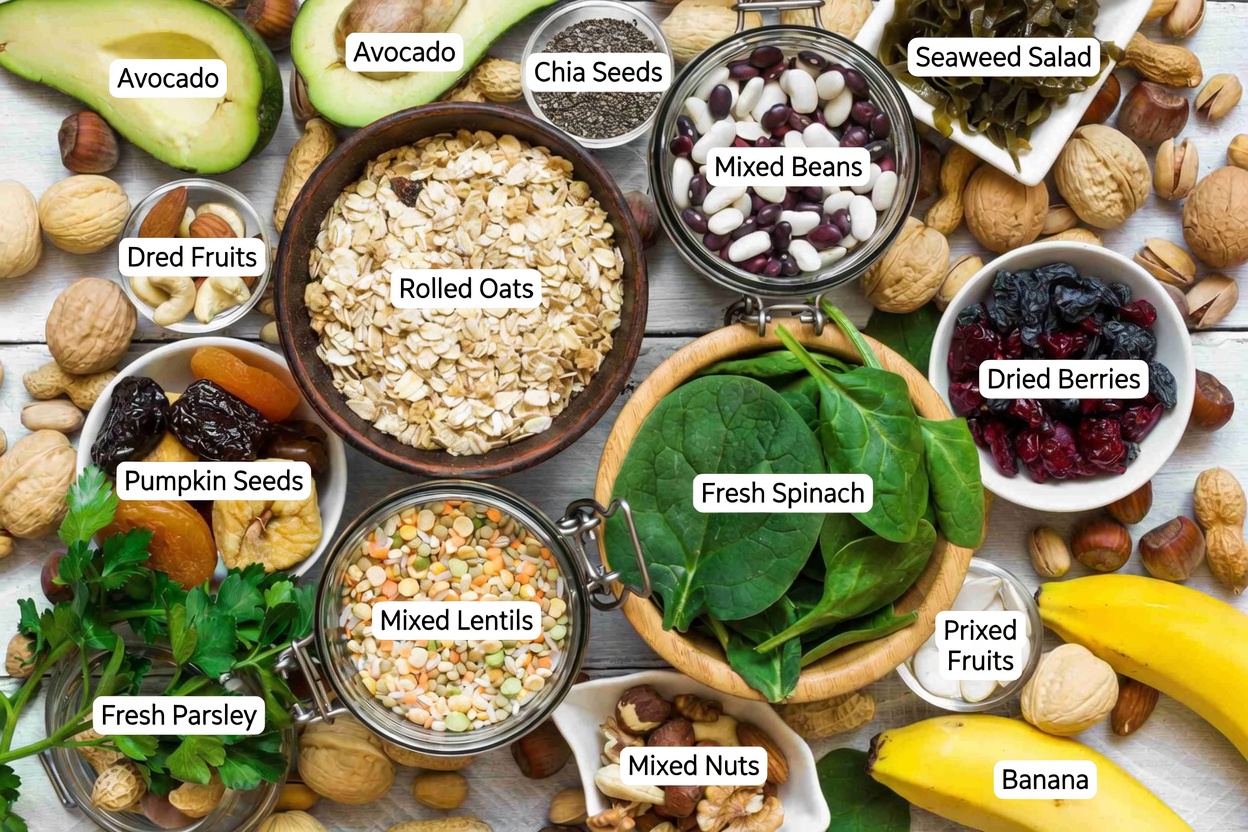
Magnesium-rich foods include:
- Spinach and other leafy greens
- Almonds
- Avocados
How Nutrient Optimization May Improve Day-to-Day Life
When deficiencies are identified and corrected, research and patient experiences commonly point to potential improvements such as:
- Warmer hands and feet through better circulation support
- More stable energy and fewer afternoon slumps
- Reduced tingling or improved nerve comfort
- Better support for blood sugar stability
- Improved mood and a greater sense of vitality
- Possible intimacy benefits through stronger vascular support
Comparing Strategies to Support Diabetes Wellness
-
Targeted nutrient optimization (Vitamin D, B3, NAD+ support + magnesium)
- Focus: Circulation, energy, nerve health
- Timeline: Often weeks to months with consistency
- Key point: Testing and medical guidance are important
-
Standard diabetes management alone
- Focus: Blood sugar control
- Timeline: Variable
- Key point: May not address nutrient deficiencies
-
General multivitamin
- Focus: Broad coverage
- Timeline: Often limited, subtle effects
- Key point: Doses may be too low for correcting deficiencies
Practical, Safe Ways to Start
- Ask your clinician about blood tests for vitamin D, vitamin B12, magnesium, and overall nutrient status.
- Build a food-first routine: fatty fish (vitamin D and B3), leafy greens (magnesium), and other nutrient-dense staples.
- Consider reasonable sun exposure (often 10–30 minutes around midday, depending on skin type and location).
- If a deficiency is confirmed, discuss appropriate supplementation—avoid high doses without monitoring.
- Track real-life changes: warmth in hands/feet, energy consistency, nerve sensations, and mood.
Small steps, repeated daily, are often the most sustainable—and many people notice gradual improvements in circulation and energy when common deficiencies are addressed.
Final Thoughts
Managing diabetes well means looking beyond glucose readings to the full health picture—especially nutrients that influence circulation, energy production, nerve comfort, and intimacy. No single nutrient is a “magic fix,” but research increasingly supports the idea that correcting common deficiencies can play a meaningful supportive role.
Work with your healthcare team to test, personalize, and monitor your approach. Feeling warmer, more energized, and more connected is a realistic goal.
Frequently Asked Questions
-
Is it safe to use these nutrients with diabetes medications?
Always check with your doctor first. Some nutrients—especially niacin at higher doses—may influence blood sugar and require monitoring. -
When might I notice results?
It varies by person and by deficiency status. Studies involving vitamin D and NAD+ precursors often report changes over weeks to months when low levels are corrected consistently. -
Can food alone provide enough?
Food-first is ideal, but many people—particularly those with low vitamin D—may need supplements to reach optimal ranges. Testing helps determine what’s truly needed.