Many adults notice gradual shifts in energy, skin, and day-to-day comfort and chalk them up to stress or “just getting older.” In some cases, these changes can reflect what’s happening internally—such as fat accumulation in the liver, a widespread issue that often develops quietly. If you’ve been feeling constantly drained or seeing unusual skin changes with no clear explanation, it’s reasonable to wonder what your body may be signaling.
The upside: early awareness creates options. When you spot potential clues sooner, you can have better conversations with a clinician and make lifestyle choices that support long-term health. Stay to the end for a simple tracking habit that can make progress feel more visible.
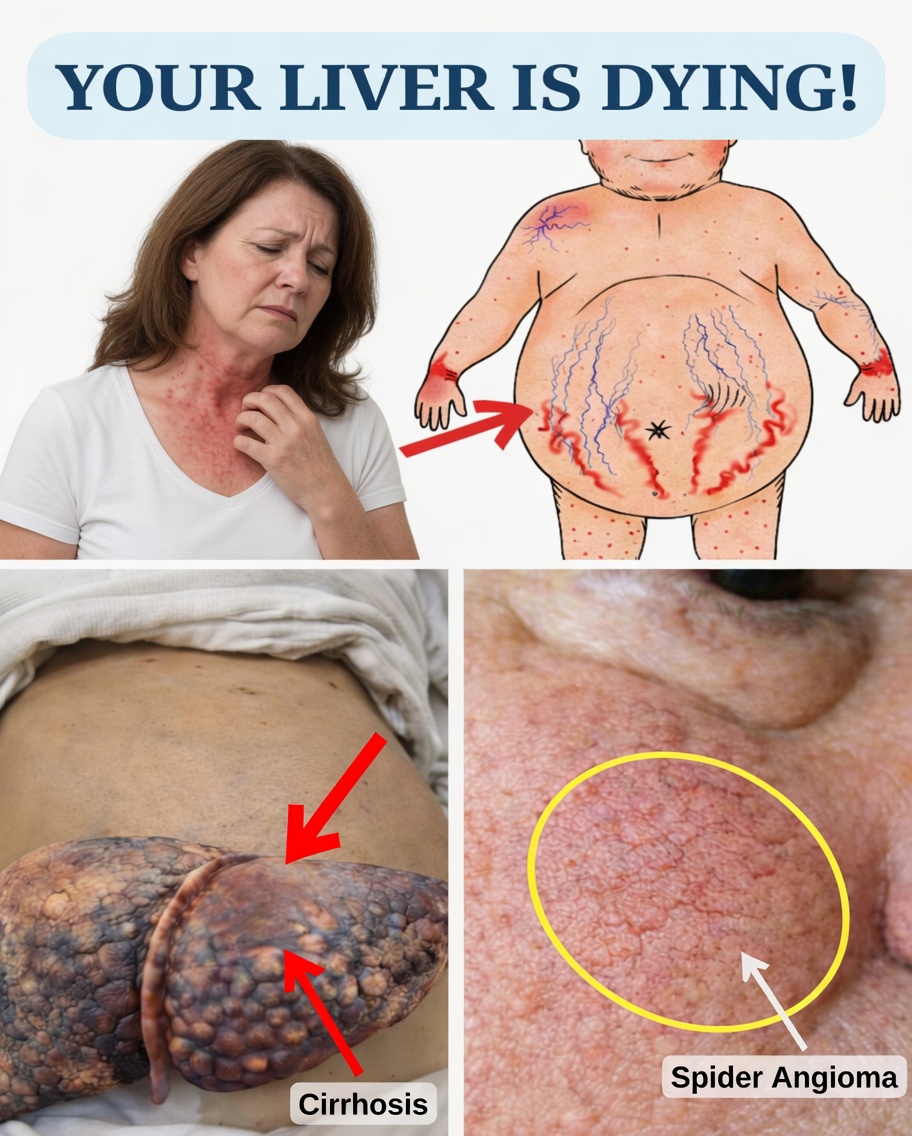
Why Fatty Liver Disease Matters in Modern Life
Fatty liver disease—now commonly referred to as metabolic dysfunction–associated steatotic liver disease (MASLD)—has become more prevalent as eating patterns and activity levels have shifted worldwide. Data cited by groups such as the American Liver Foundation suggests that up to 40% of U.S. adults may have fatty liver, and many don’t realize it because symptoms can be subtle (or absent) early on.
MASLD happens when excess fat builds up inside liver cells, gradually interfering with how the liver performs essential tasks like regulating metabolism and processing nutrients. Research in journals including Hepatology also highlights strong associations with:
- Insulin resistance
- Abdominal (visceral) fat
- Diets high in refined carbohydrates, added sugars, and ultra-processed foods
- Sedentary routines
The important point: MASLD can worsen over time if ignored, but recognizing potential signals early helps you take proactive, practical steps—ideally with guidance from a healthcare professional.
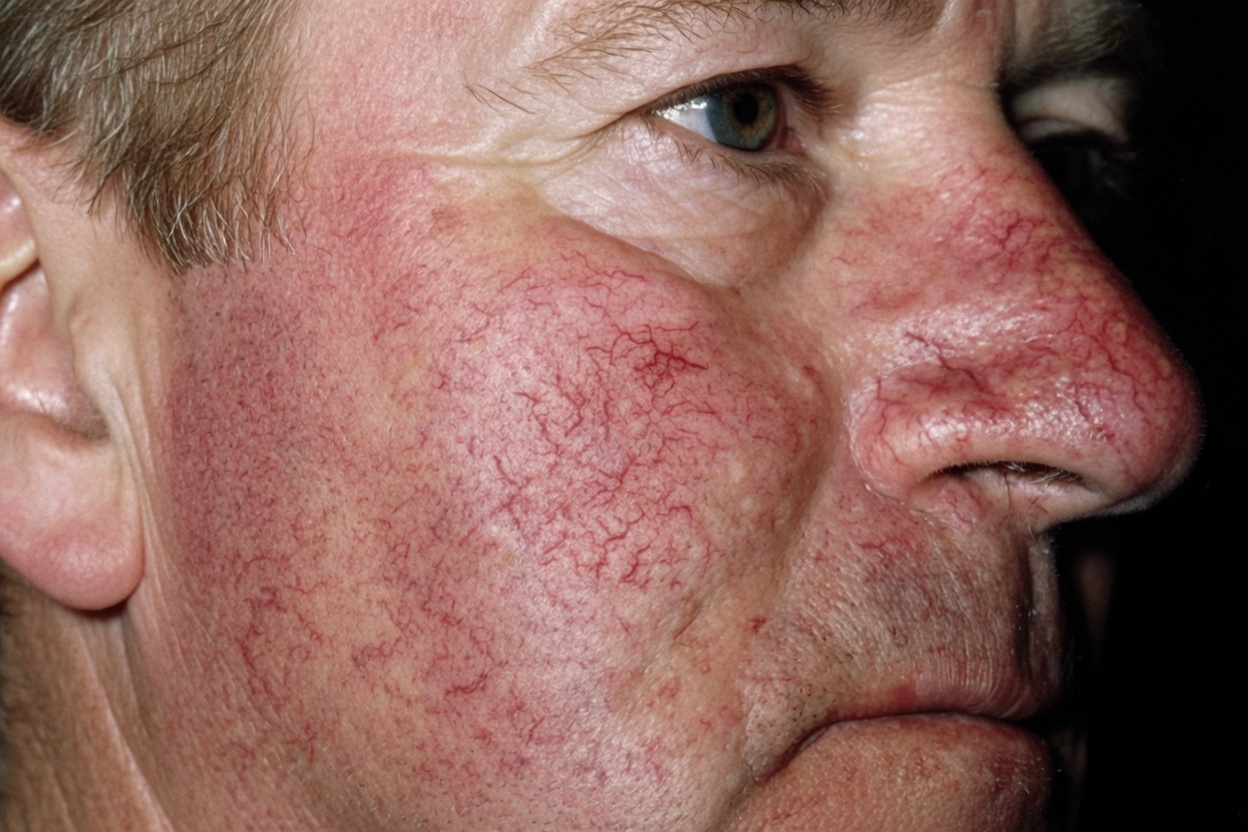
8 Potential Warning Signs of Fatty Liver
Early indicators are easy to miss because they resemble everyday complaints. Below are eight signs commonly associated with fatty liver in clinical observations and published research (they are not a diagnosis on their own).
1. Lingering Fatigue That Doesn’t Match Your Sleep
Ongoing tiredness—especially when it persists despite adequate rest—is frequently reported. The liver plays a role in energy regulation, and a study discussed in the Journal of Hepatology links fatigue to liver-related metabolic strain. If afternoon energy crashes are becoming your “normal,” it’s worth noting.
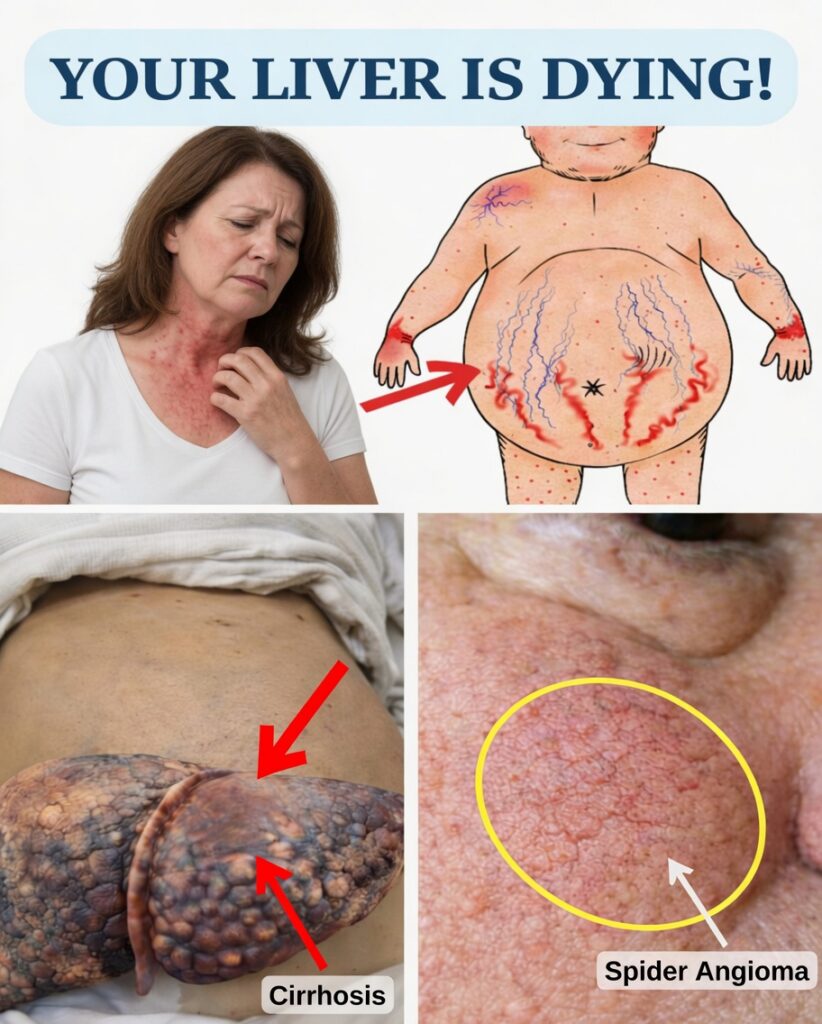
2. Spider-Like Red or Purple Veins on the Skin
Small, web-shaped blood vessels (often called spider angiomas) may appear on the face, chest, or arms. Dermatology literature notes that these can be connected to changes in blood vessel behavior sometimes seen with liver issues. Many people treat them as purely cosmetic, but they can be a clue.
3. Redness or Unusual Warmth in the Palms
Palmar erythema describes palms that look flushed and may feel warmer. This is thought to relate to hormonal and vascular shifts that can occur alongside liver dysfunction and is commonly described in clinical resources such as the Mayo Clinic.
4. Persistent Bloating or Abdominal Discomfort
If your abdomen feels swollen or uncomfortable—particularly when it worsens later in the day—it may reflect fluid changes or digestive disruption. Gastroenterology research associates more pronounced bloating with more advanced liver involvement, though bloating also has many other causes.
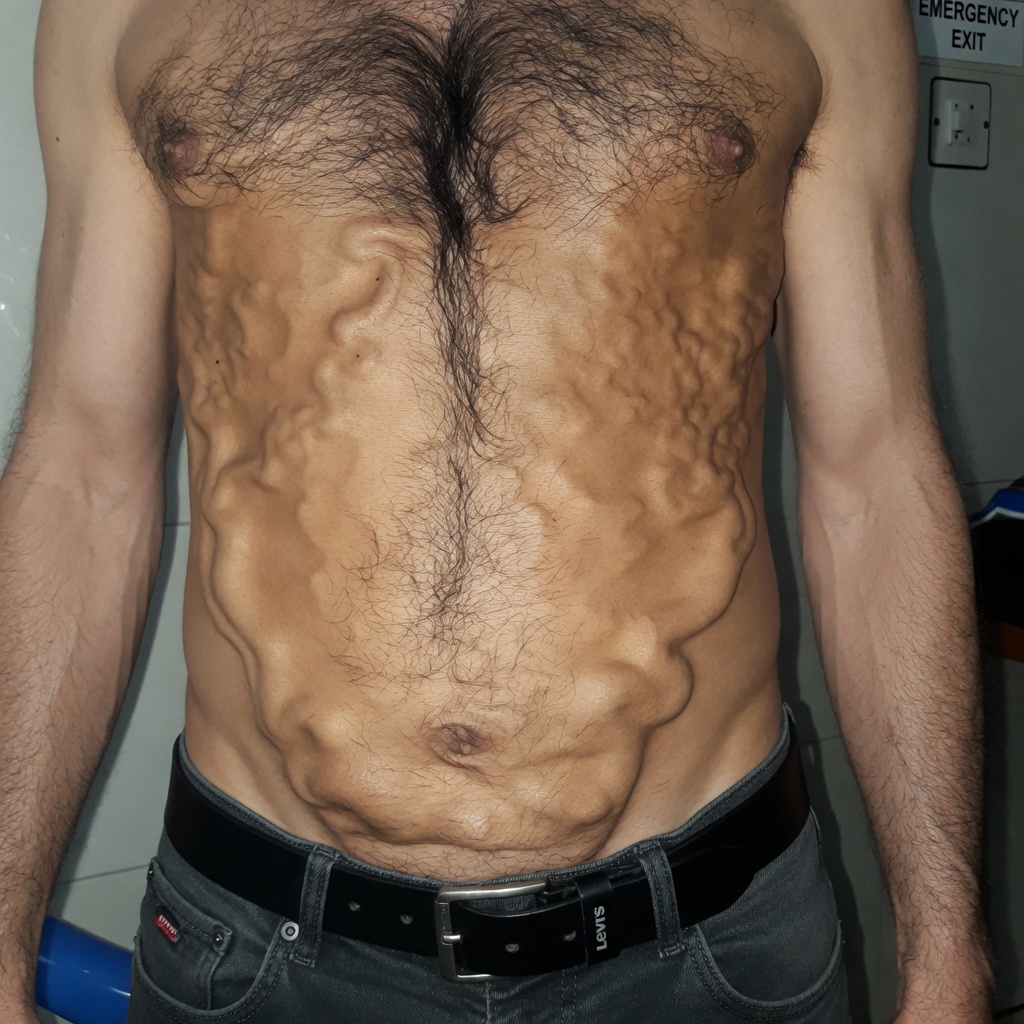
5. More Visible Veins Across the Abdomen
In progressing liver conditions, changes in circulation can make abdominal veins look enlarged or more prominent. Medical literature describes this as a sign that blood flow may be under strain.
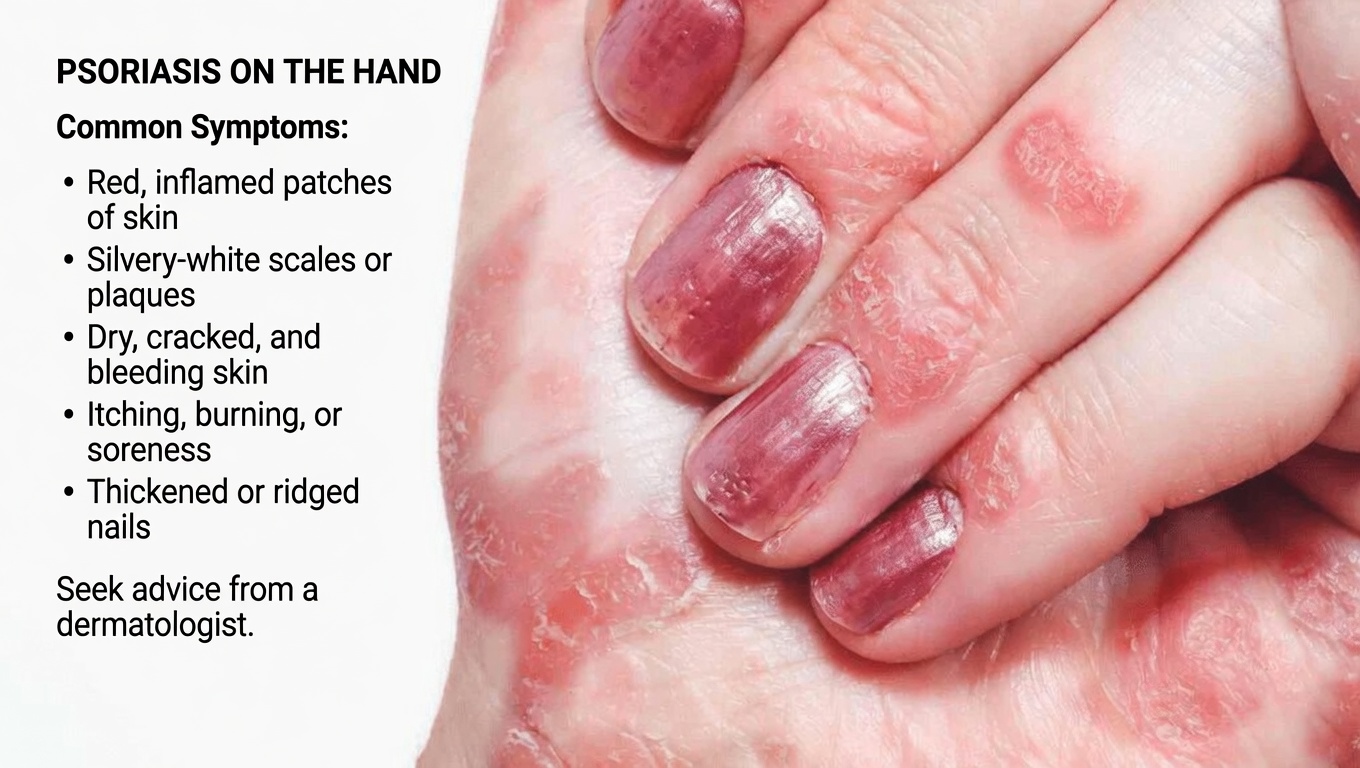
6. Itchy Skin With No Clear Explanation
Itching that persists—especially on the palms, soles, or widely across the body—can occur when substances the liver typically processes begin to accumulate. Findings discussed in the British Journal of Dermatology recognize itching as a meaningful symptom to take seriously, particularly if it interrupts sleep or daily life.
7. A Dull Ache Under the Right Ribs or Into the Back
The liver sits in the upper right abdomen, so discomfort in that area—or referred tightness toward the right shoulder blade—can occur when the liver is inflamed or enlarged. Clinical reviews, including in The Lancet, describe this as a possible symptom in certain liver conditions.
8. Dark, Velvety Skin Patches in Body Folds
Darkened, thickened patches on the neck, armpits, or groin (acanthosis nigricans) are strongly linked to insulin resistance, a major driver of fatty liver noted in endocrine research. While it can have other causes, it’s often a sign to evaluate metabolic health.
Quick Reference: When These Signs Often Show Up
| Sign | What it Looks/Feels Like | Commonly Linked Factor | When People Often Notice It |
|---|---|---|---|
| 1 | Persistent fatigue | Disrupted energy metabolism | Daily, often afternoons |
| 2 | Spider-like veins | Vascular changes | New skin changes |
| 3 | Red/warm palms | Hormonal/vascular shifts | During daily tasks |
| 4 | Bloating/discomfort | Fluid/digestive changes | Evenings or after meals |
| 5 | Visible abdominal veins | Circulation changes | Gradually over time |
| 6 | Unexplained itching | Buildup of substances | Often at night |
| 7 | Right upper abdominal/back ache | Inflammation/enlargement | After eating or intermittently |
| 8 | Dark velvety patches | Insulin resistance | Neck/armpits/groin folds |
Use this table for self-awareness—not self-diagnosis. If multiple signs persist, consider discussing them with a clinician.
Real-World Examples: What People Often Notice First
Personal experiences can make these symptoms easier to recognize. One 48-year-old teacher described blaming fatigue and red palms on a demanding schedule—until routine labs revealed elevated liver enzymes. After adopting more balanced meals and adding daily walks, she reported gradual improvements in how she felt over several months.
Another individual, a 52-year-old professional, dealt with itching and back discomfort for nearly a year. After learning these issues can sometimes relate to liver health, he reduced processed foods and increased movement, later noting better energy and fewer disruptions.
Stories like these—commonly reflected in patient discussions and health reports—underscore a consistent theme: small, sustainable changes can support overall health, especially when guided by medical advice.
5 Practical Steps to Support Liver Health
You don’t need a dramatic overhaul to start. The following evidence-informed strategies align with guidance from organizations such as the National Institute of Diabetes and Digestive and Kidney Diseases (NIDDK).
1. Build Meals Around Whole Foods
Aim for a pattern similar to the Mediterranean-style diet, frequently supported in research:
- Vegetables and fruits
- Legumes, nuts, and seeds
- Olive oil and fatty fish
- Lean proteins
A simple tactic: start meals with vegetables to help smooth blood-sugar spikes.
2. Hydrate Consistently
Many people do better with a daily target (often 8–10 glasses, adjusted for climate and body size). Large cohort studies also associate coffee and green tea with liver benefits for some adults—when consumed responsibly.
3. Move Your Body Weekly (Not Just Occasionally)
A strong baseline goal is:
- 150–300 minutes of moderate activity per week (brisk walking, cycling)
- Strength training twice weekly
Exercise improves insulin sensitivity and supports metabolic health—key factors in MASLD risk.
4. Reduce Alcohol to Lighten Liver Load
Cutting back—or avoiding alcohol—can reduce stress on the liver. Studies show measurable improvements can occur even within relatively short timeframes for some individuals.
5. Add Liver-Supportive Foods More Often
Commonly recommended options include:
- Garlic, turmeric
- Beets, broccoli, leafy greens
- Walnuts, berries
If you’re considering supplements (such as milk thistle), check with a healthcare professional first—especially if you take medications.
Simple Habit Checklist (Easy to Start Today)
- Track daily water intake in an app
- Replace one processed snack with vegetables or fruit
- Take a 10–15 minute walk after one meal
- Try one new recipe that includes leafy greens each week
- Review alcohol intake weekly and set a realistic limit
Key Takeaway: Turn Awareness Into Momentum
Noticing potential warning signs of fatty liver—and responding with manageable lifestyle adjustments—can improve health awareness and support overall well-being. Consistent small steps (more movement, better hydration, less ultra-processed food) often add up over time.
A surprisingly effective habit for tracking progress: keep a daily journal of your energy level, sleep quality, and one small win. It turns vague “I think I’m improving” into clear patterns you can act on—and share with your healthcare provider if needed.
Frequently Asked Questions (FAQ)
What causes fatty liver disease?
Fatty liver is commonly associated with insulin resistance, excess abdominal weight, high-sugar or highly processed diets, and low physical activity. Genetics, certain medications, and other health conditions can also contribute.