Bring Back a Healthy Glow as You Age: A Simple Fingertip Facial Massage for Seniors
As the years go by, it’s common for skin to look less lively than it once did. Fine lines can become more noticeable, morning puffiness may take longer to fade, and that natural radiance can seem harder to maintain—especially in photos or during close, face-to-face moments with family and friends. Dryness, slower circulation, and daily stress often add to a “tired” look that makeup can’t fully disguise.
The encouraging part is that a calming, low-effort ritual—using only your fingertips—may help your face look fresher in minutes. Research suggests that gentle facial massage can support blood flow and temporary plumpness, and many older adults say they feel more awake and refreshed after doing it. Below, you’ll find an easy 2-minute routine, why it helps, and practical tips to get the most out of it.
Why Mature Skin Needs Extra Support—and Where Facial Massage Fits In
Aging skin has its own set of challenges:
- Collagen and elastin production slows, so skin may feel less firm and elastic.
- Circulation tends to decrease, meaning fewer nutrients and less oxygen reach skin cells as efficiently.
- Recovery from everyday stressors (sleep changes, weather, dehydration) can take longer, contributing to dullness.
Gentle facial massage works by adding light, consistent stimulation through touch. Small studies (including research discussed in dermatology and circulation-focused publications) suggest that regular massage may:
- encourage better circulation,
- support lymphatic drainage (helping with fluid buildup),
- and contribute to a look that many describe as brighter or subtly lifted over time.
Just as importantly, it’s simple: you don’t need devices, complicated tools, or expensive products—only clean hands and a few minutes.
Key Benefits of Gentle Facial Massage for Seniors
Facial massage isn’t meant to create an overnight makeover. Instead, it supports your skin’s natural functions in a non-invasive, kind way. Many people notice benefits like these:
- Improved circulation for quick radiance: Light strokes warm the skin and increase blood flow, often creating a healthy, rosy tone soon after.
- Temporary softening of fine lines: Better moisture distribution and mild swelling (“plumping”) can make lines look less defined for a short time.
- Less puffiness—especially in the morning: Gentle movements may help guide excess fluid away from areas like under the eyes and around the cheeks.
- Relaxed facial tension: Releasing tight muscles can soften expression lines and help you look more rested.
- Enhanced skincare absorption: Massaging after applying moisturizer or serum can help products spread evenly and sink in more comfortably.
Some small imaging-based studies have observed visible shifts in facial tissues after massage, suggesting a possible “lifting” effect for certain people. While more research is still needed, many users value the immediate refreshed feeling.
Is Facial Massage Safe for Mature Skin?
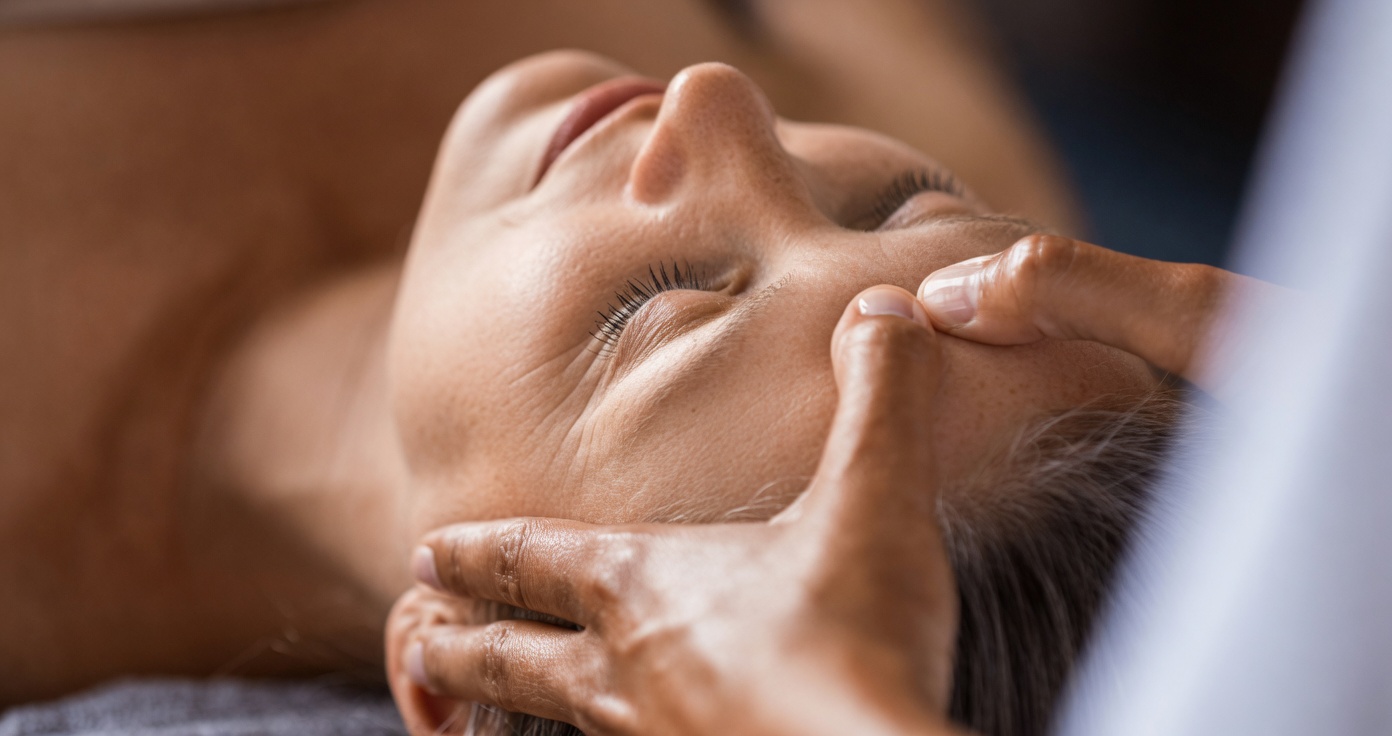
In most cases, yes—as long as it’s gentle. Many dermatology professionals emphasize a light touch for older adults because skin can be thinner and more easily irritated. Unlike aggressive techniques, a senior-friendly routine focuses on:
- upward strokes (working against the pull of gravity),
- low pressure, and
- slow, controlled movements.
Some research into mechanical stimulation has also explored changes in proteins related to skin structure. Even so, results depend on consistency, skin type, and overall skincare habits. The safest approach is to keep it soothing, not forceful.
A 2-Minute Facial Massage Routine (Step by Step)
This routine takes about two minutes and requires only clean hands. Try it in the morning for de-puffing or at night to unwind—ideally after cleansing.
1) Prep Your Skin
- Wash your hands thoroughly.
- Sit comfortably and relax your shoulders.
- If your skin is dry, apply a small amount of moisturizer or facial oil to reduce friction.
2) Forehead Smoothing (30 seconds)
- Place fingertips at the center of your forehead, just above the brows.
- Glide upward toward the hairline in slow, even strokes.
- Keep pressure light to help ease tension and support a lifted look.
3) Cheek Circulation (30–45 seconds)
- Starting beside the nose, make small outward circles across the cheeks toward the ears.
- Use gentle pressure—this is about stimulation, not rubbing.
4) Under-Eye De-Puff (20–30 seconds)
- Use ring fingers (they naturally apply less pressure).
- Tap or lightly press from the inner corner outward.
- Avoid pulling or stretching—this area benefits from feather-light touch.
5) Jawline and Neck Support (30 seconds)
- With soft pinching or light pressing, move along the jawline from chin to ear.
- Then sweep from the neck up toward the chin using open palms or fingertips.
6) Finish with Full-Face Upward Strokes
- Use both hands for broad, upward strokes across the face.
- End by relaxing your jaw and taking a deep breath (a simple way to release facial tension).
Many people notice warmth, a mild tingle, and a more “awake” look shortly afterward.
Tips to Maximize Results (Without Irritating Skin)
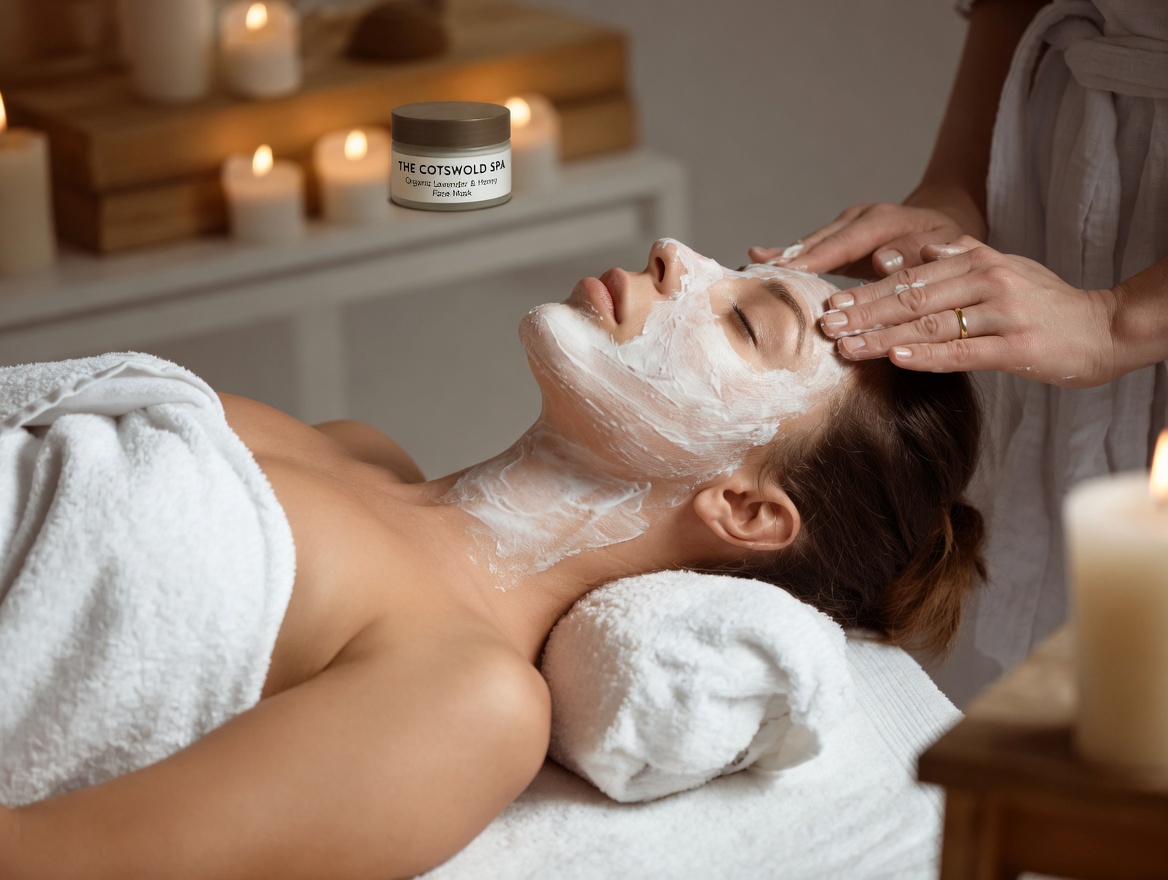
- Always stroke upward whenever possible.
- Use light pressure—think “gentle gliding,” not scrubbing.
- Breathe slowly to deepen the relaxation effect.
- Support your skin from the inside: drink water and prioritize sleep.
- Stop immediately if you feel pain, burning, or increased redness.
Common Facial Massage Mistakes to Avoid for Mature Skin
Even a simple routine can backfire if it’s too rough. Try not to:
- pull or drag skin downward (can emphasize sagging visually),
- press too hard (may cause irritation on thinner skin),
- massage dry skin without slip (increases friction),
- do it over active irritation, sunburn, or flare-ups.
If you have rosacea, eczema, dermatitis, or other sensitive conditions, speak with a dermatologist before starting.
How Often to Do Facial Massage—and What to Expect
A practical starting point is once a day. If your skin tolerates it well and you enjoy it, you can try twice daily.
- A temporary glow often appears within minutes due to increased blood flow.
- More noticeable changes in tone and “freshness” may develop gradually over weeks of consistency.
For best support, pair massage with daily sunscreen, regular moisturizing, balanced nutrition, and hydration.
Conclusion: A Gentle Self-Care Habit That’s Easy to Maintain
A fingertip facial massage is a simple, free way to care for mature skin. It can encourage circulation, help reduce puffiness, and offer a calming pause in your day—without harsh treatments or complicated tools. It’s not a miracle fix, but the immediate warmth and subtle long-term improvements make it a worthwhile ritual for many seniors aiming for a healthier, brighter appearance.
FAQ
Does facial massage actually make skin look brighter?
Often, yes—at least temporarily. Increased circulation can create a subtle rosy glow, and studies suggest improved blood flow supports a healthier-looking complexion.
Can facial massage reduce wrinkles for seniors?
It may soften the appearance of fine lines temporarily by improving hydration distribution and relaxing facial tension. Some early research suggests possible firmness benefits over time, but results differ from person to person.
Is it safe to massage your face every day?
Generally, yes—if you use gentle pressure and avoid tugging. If you have a skin condition or concerns, consult a dermatologist or healthcare professional first.
Disclaimer
This article is for informational purposes only and does not provide medical advice. Facial massage may offer supportive skincare benefits but is not intended to diagnose, treat, cure, or prevent any disease. Consult a dermatologist or healthcare provider before beginning new skincare practices, especially if you have sensitive skin, medical conditions, or concerns about suitability. Individual results may vary.