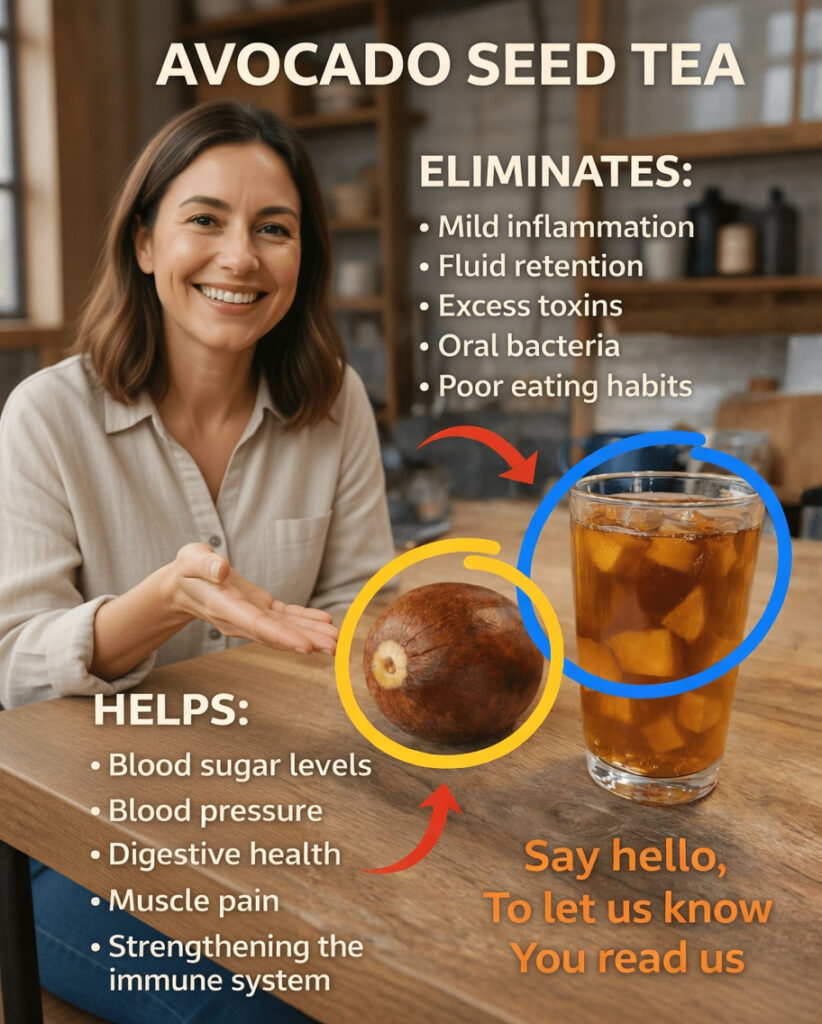
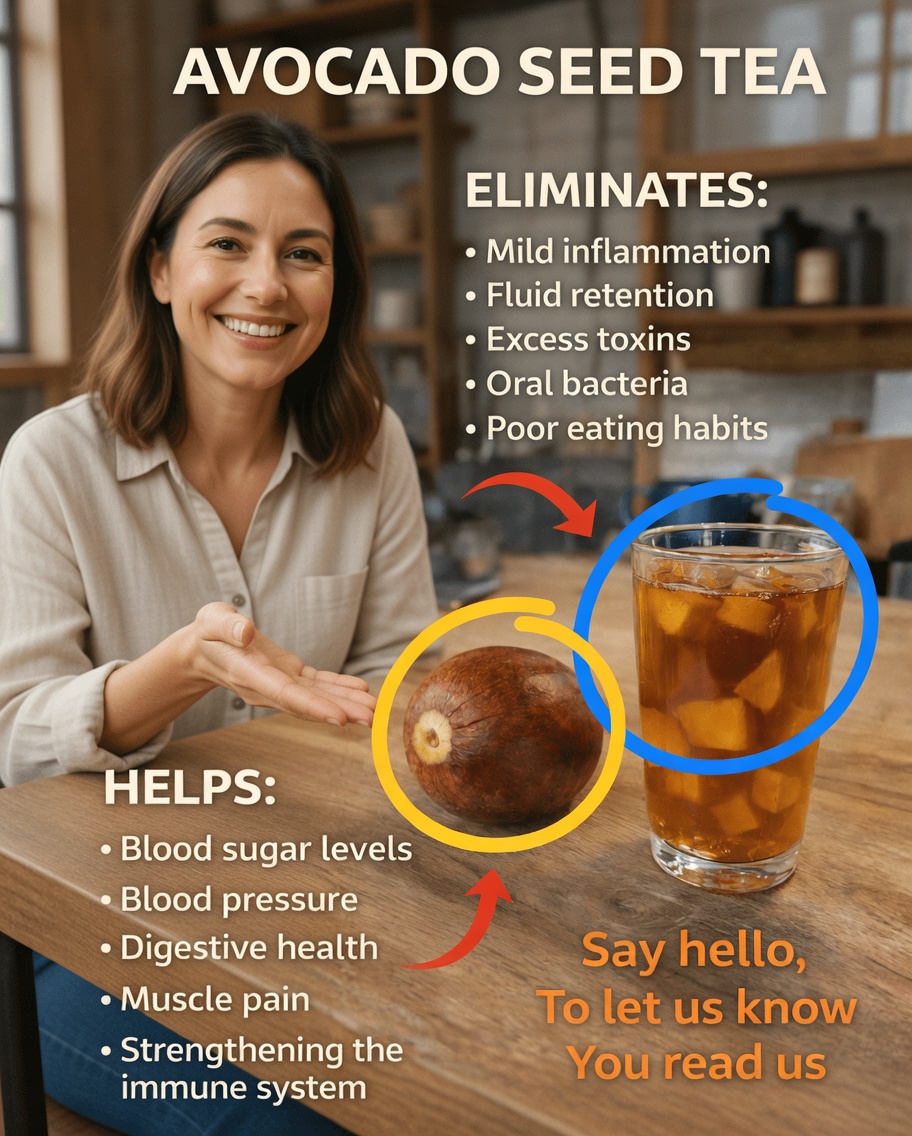
Avocado Seed Tea: A Simple Wellness Drink With Growing Interest
Modern life often leaves people searching for easy, natural ways to support everyday wellness. Common issues such as occasional bloating, shifting energy levels, and the physical effects of daily stress can make simple health habits feel especially valuable. One surprising option gaining attention is avocado seed tea—a warm infusion made from the part of the fruit most people usually throw away.
What makes it interesting is not just its sustainability, but also the early scientific interest surrounding the compounds found inside avocado seeds. Although research is still in its early stages, preliminary studies suggest these often-discarded pits may contain plant compounds worth exploring.
What Is Avocado Seed Tea?
Avocado seed tea is made by boiling the large pit of an avocado in water. Rather than tossing the seed after eating the fruit, some people use it to prepare an herbal-style drink with a mild, earthy taste and a subtle nutty note. During brewing, the water may develop a reddish-brown tint.
Its popularity has grown among wellness-minded consumers who like the idea of using more of the whole fruit while also experimenting with natural beverages. The growing curiosity around this tea comes largely from the seed’s nutritional and plant-based compounds.
What Is Found in Avocado Seeds?
Avocado seeds are more than kitchen scraps. Studies suggest they contain several bioactive compounds, including:
- Phenolic compounds, often recognized for antioxidant activity
- Flavonoids, a group of polyphenols studied for supportive health effects
- Soluble fiber, which may help support digestion and satiety
These compounds are often discussed in connection with avocado seed tea because they may play a role in overall wellness. Antioxidants, in particular, are frequently highlighted in lab and animal research because they help the body deal with oxidative stress, a natural process associated with daily life.
Still, it is important to keep expectations realistic. Most of the available findings come from laboratory or animal studies, and strong human evidence is still limited.

Potential Antioxidant and Anti-Inflammatory Effects
One of the main reasons avocado seeds have attracted attention is their possible antioxidant and anti-inflammatory properties. Some research, including work referenced by Penn State investigators, has examined avocado seed extracts in laboratory settings and reported promising anti-inflammatory activity.
This has led to interest in whether avocado seed tea might help support the body’s normal response to inflammation when used as part of a healthy lifestyle. In addition, antioxidant compounds are often valued for their possible role in supporting cellular health.
While these findings are encouraging, they should be viewed as preliminary, not definitive proof of benefit in humans.
Could Avocado Seed Tea Help Digestion?
Because avocado seeds contain soluble fiber, avocado seed tea is sometimes discussed as a drink that may help support digestive comfort. Soluble fiber is known for its role in promoting regularity and helping maintain a healthy digestive environment.
Some people also wonder whether it may help with occasional bloating or feelings of heaviness. No direct medical claim can be made, but the fiber and other plant compounds in the seed may offer digestive support for certain individuals, especially when combined with a balanced, fiber-rich diet.
Research on Blood Sugar, Blood Pressure, and Heart Health
Animal-based studies have suggested that compounds extracted from avocado seeds may influence blood sugar regulation and may also help relax blood vessels, which is relevant to blood pressure support. Certain flavonoids in the seed have been studied in diabetic rat models for these possible effects.
Other early findings have pointed to potential benefits related to cholesterol levels and cardiovascular markers. These are interesting areas of study, but they do not yet provide enough evidence to make firm health claims for people.
Current research has raised interest in whether avocado seed compounds may:
- Help support healthy blood sugar levels as part of a healthy routine
- Contribute to heart wellness markers
- Promote more balanced daily energy
More human clinical trials are needed before any clear conclusions can be made.
Supporting General Wellness and Immune Health
The mix of antioxidants and plant nutrients in avocado seeds may also provide broad wellness support by helping the body manage oxidative stress. Some people who drink avocado seed tea say they feel more refreshed or energized, although experiences vary from person to person.
There is also a practical wellness benefit in using the seed: it encourages less food waste and can support a more mindful, whole-food approach to eating. That habit alone can be a positive step toward a healthier lifestyle.
How to Make Avocado Seed Tea at Home
Making avocado seed tea is simple and does not require any specialized tools. Here is an easy method to try at home.
Step-by-Step Instructions
-
Clean the seed
- After eating the avocado, wash the pit well under running water to remove any remaining fruit.
- Dry it with a clean towel.
-
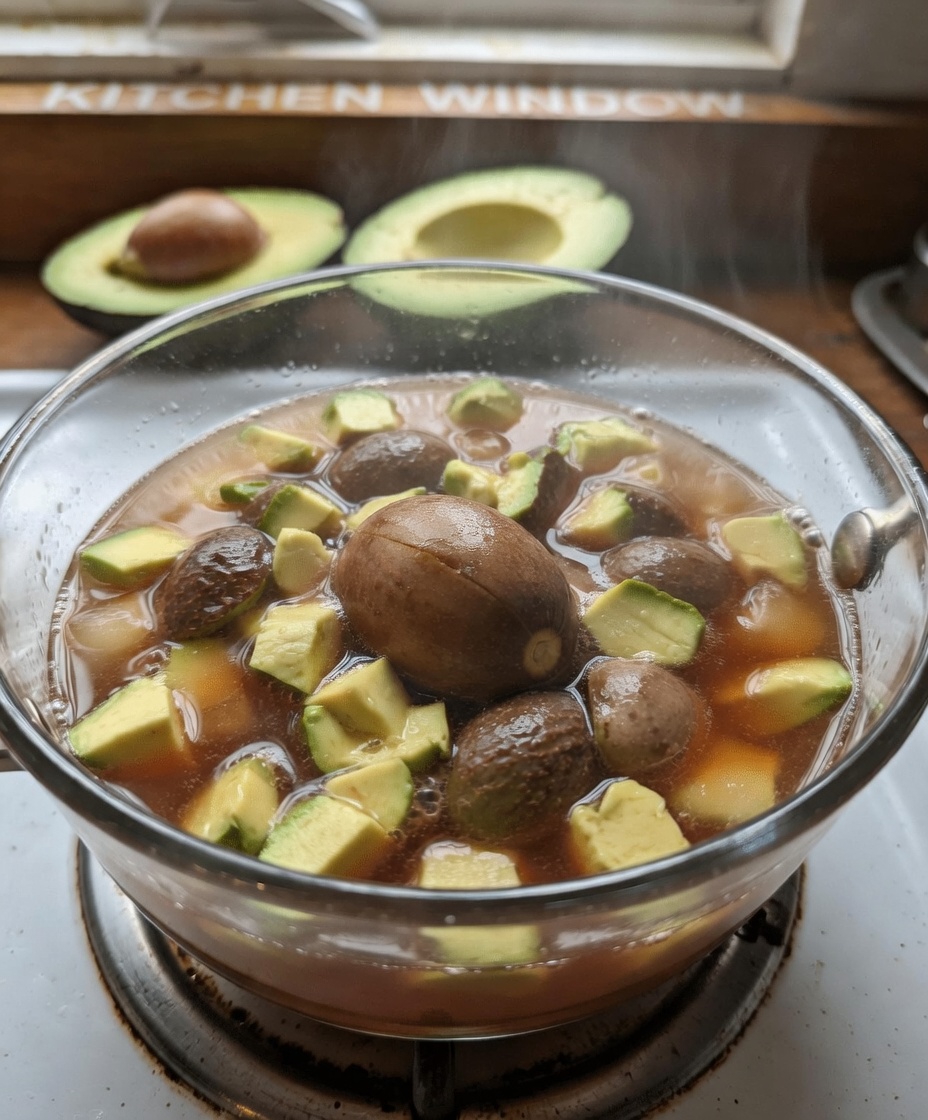
Boil the whole seed
- Put the seed in a pot with about 4 cups of water.
- Bring the water to a boil, then reduce the heat and simmer for 5 to 10 minutes to soften the seed slightly.
-
Cut and continue simmering
- Carefully remove the hot seed from the pot.
- Using a sharp knife, cut it into smaller pieces.
- Return the pieces to the water and simmer for another 10 to 20 minutes.
- The liquid may turn light brown or reddish.
-
Strain and enjoy
- Pour the tea through a strainer into a cup.
- Discard the seed pieces.
- Serve warm.
Optional Flavor Additions
You can improve the taste by adding:
- A squeeze of lemon
- A small amount of honey
- A dash of cinnamon
Tips for Best Results
- Start with one cup a day and observe how your body responds
- Choose fresh, organic avocados when available
- Refrigerate leftover tea and use it within 24 hours
Safety Considerations and Precautions
Although many people drink avocado seed tea without immediate problems, caution is still important. The California Avocado Commission and various health professionals have noted that there is not enough evidence to confirm the long-term safety of regularly eating or drinking avocado seed products.
Possible concerns include:
- Antinutrients, such as tannins, which may interfere with nutrient absorption if consumed in large amounts
- Digestive discomfort, especially in people with sensitive stomachs
- Unknown risks for pregnant or breastfeeding individuals, children, and people taking medications
Before adding avocado seed tea to your routine, speak with a healthcare provider—especially if you have a medical condition or take prescription medication. This tea should never be treated as a replacement for medical care, a nutritious diet, or prescribed treatment.
Final Thoughts on Avocado Seed Tea
Avocado seed tea offers a creative way to use more of this popular fruit while experimenting with a unique wellness beverage. Thanks to its fiber and plant compounds, it has become an appealing option for people interested in natural drinks and low-waste habits.
At the same time, the science is still developing. The best way to view avocado seed tea is as a complementary addition to a healthy lifestyle—not a cure-all. A balanced diet, regular movement, proper hydration, and plenty of fruits and vegetables remain the foundation of good health.
The next time you cut open an avocado, you may want to save the pit instead of tossing it—it could become a calming new part of your daily routine.
Frequently Asked Questions
1. What does avocado seed tea taste like?
It usually has a light earthy flavor with a faint nuttiness, similar to a mild herbal tea. Many people prefer to add lemon, honey, or cinnamon to make it more enjoyable.
2. How often can I drink avocado seed tea?
A common starting point is one cup per day. Because there is still limited research on long-term use, moderation is the safest approach.
3. Can avocado seed tea replace medical treatment?
No. Avocado seed tea should be seen as a supportive beverage only, not a treatment or cure for any health condition. Always follow professional medical advice.
Disclaimer
This article is intended for educational and informational purposes only. It is not medical advice, diagnosis, or treatment. Always consult a qualified healthcare professional before making changes to your health routine or trying new wellness practices.