Fatty liver disease is far more common than most people think. Recent research suggests over 40% of U.S. adults may have it—often with no clear warning signs. What begins as mild fatigue or occasional bloating can slowly start affecting your energy, digestion, and overall quality of life. The good news: spotting potential symptoms early and making realistic lifestyle changes can meaningfully support liver health. Below, you’ll find 17 possible signs of liver stress, what they may indicate, and practical daily habits to help your liver function at its best—plus a simple starter plan that works even with a busy schedule.
Fatty Liver on the Rise: A Quiet Issue for Millions
Fatty liver—now widely referred to as metabolic dysfunction–associated steatotic liver disease (MASLD)—happens when fat builds up inside liver cells. In its early phase, it’s often “silent,” meaning many people feel fine and don’t suspect anything is wrong.
Over time, MASLD is commonly associated with metabolic drivers such as:
- Excess body weight (especially abdominal fat)
- Insulin resistance
- Low activity levels
- High intake of refined carbs and added sugars
When these factors persist, fat accumulation can contribute to inflammation and more noticeable symptoms. Many adults first notice subtle changes in their 30s, 40s, or later—often brushing them off as stress or aging. Health experts consistently emphasize one key point: early awareness plus steady habits can support better liver outcomes.
Why Early Awareness Matters
Your liver is a constant workhorse: it helps process nutrients, filter and neutralize compounds, and manage energy metabolism. When the liver is under chronic strain, the earliest signals often show up in digestion and day-to-day energy.
The most encouraging takeaway: nutrition, movement, sleep, and stress management are among the most evidence-supported ways to promote liver wellness. To make this easy to follow, the 17 signs below are grouped into early and more advanced categories.
Early Signs You May Notice First
-
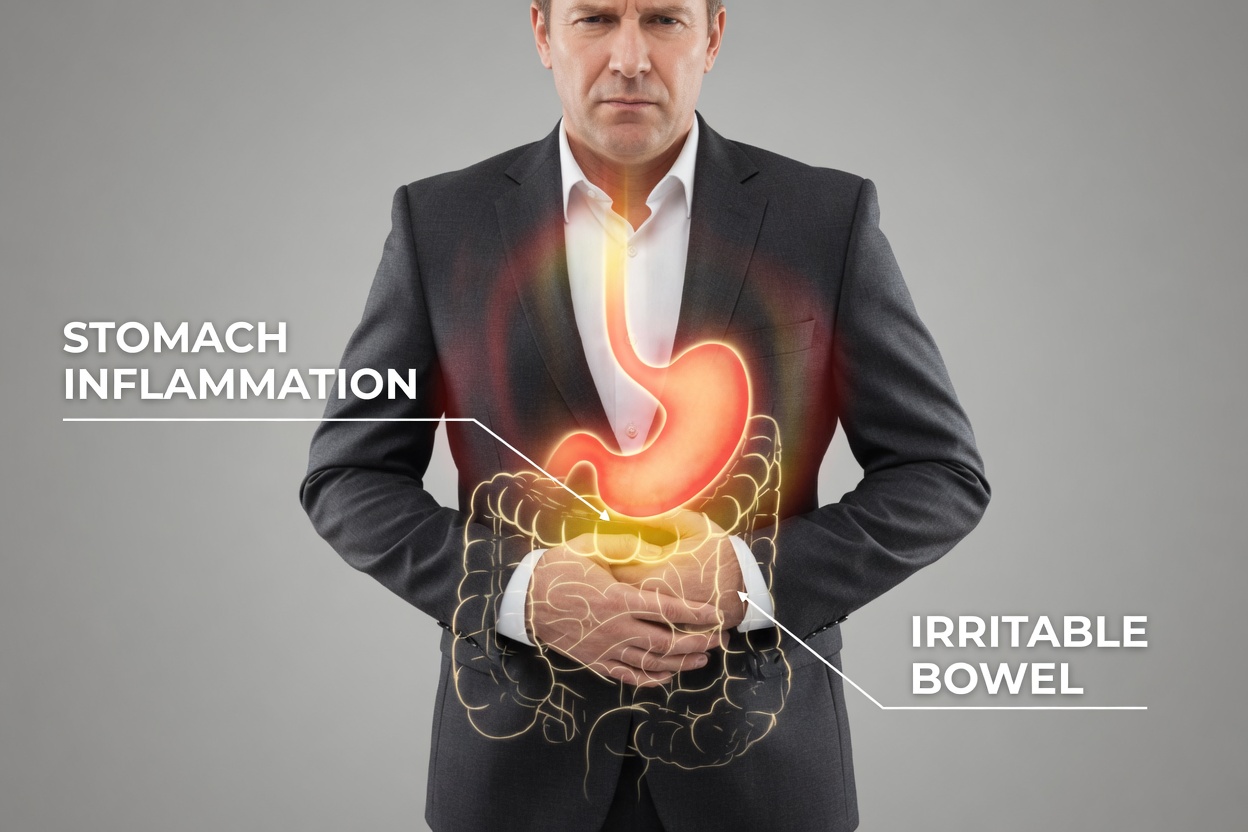
Ongoing upper abdominal discomfort or heartburn
A persistent burning sensation, heaviness, or feeling overly full after meals can occur. Digestive complaints are sometimes reported alongside liver fat accumulation, as inflammation may affect how food is processed. -
More gas and bloating than usual
Frequent bloating may reflect changes in gut balance and digestion—issues commonly described by people dealing with fatty liver concerns. -
Dull ache or pressure under the right ribs
Mild, recurring discomfort in the upper right abdomen can happen if the liver becomes slightly enlarged and presses on surrounding tissues. -
Lower appetite or nausea around meals
Foods that used to be appealing may suddenly seem less attractive, sometimes paired with mild queasiness. -
Fatigue that doesn’t improve with sleep
Feeling drained, foggy, or unusually low-energy is one of the most commonly mentioned complaints. Because the liver plays a major role in energy regulation, liver stress may leave you feeling like you’re running on empty. -
Frequent mild nausea without a clear trigger
Random waves of nausea can sometimes be linked to reduced efficiency in bile handling or the body’s processing pathways.
More Advanced Signs That Deserve Closer Attention
-
Very dark urine (tea- or cola-like)
Dark urine may suggest difficulty processing bilirubin or related compounds. -
Pale or whitish nails
Nails losing their healthy pink tone can sometimes reflect shifts in circulation or nutrient handling. -
Small red spots on the skin
Tiny red dots (including cherry angioma-like spots) and other skin changes may appear in some cases of liver stress. -
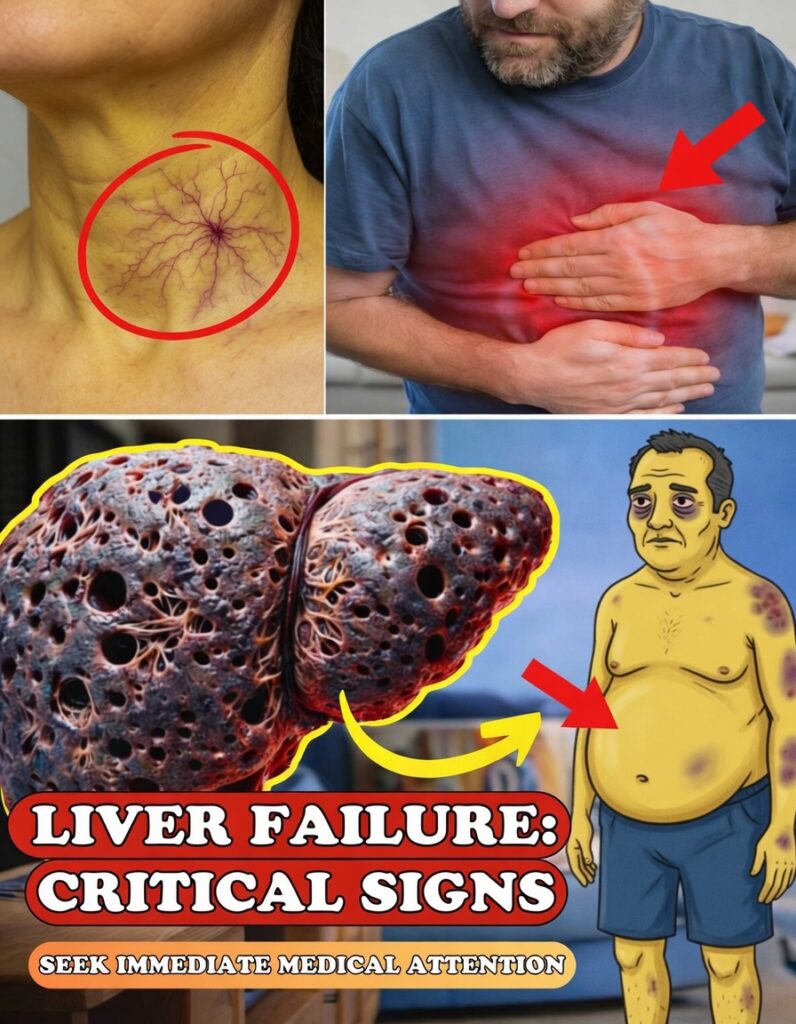
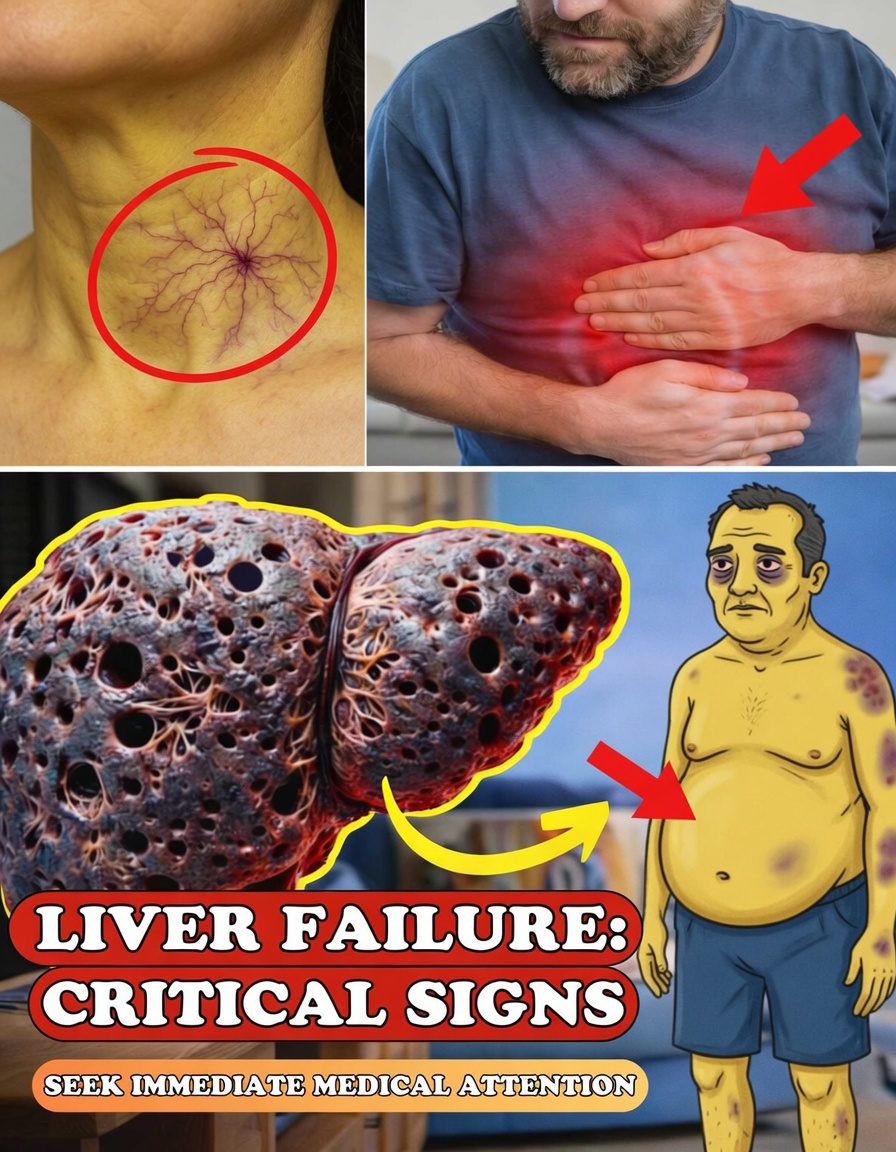
Spider-like veins (spider angiomas)
Web-like surface veins, often on the face or chest, may be connected to hormone changes associated with liver function. -
Strong or persistent itching
Ongoing itching—often worse at night—may relate to bile components accumulating in the bloodstream. -
Yellowing of the eyes or skin (jaundice)
A yellow tint is a major warning sign that bilirubin may be building up. Seek medical evaluation promptly if this occurs. -
Unusually red palms
Palms that look persistently flushed can be another potential skin clue. -
Pale or clay-colored stools
Light-colored bowel movements may signal disrupted bile flow. -
Trouble seeing in low light
Night-vision difficulty can sometimes relate to changes in vitamin processing, including vitamin A. -
Breast tissue changes in men (gynecomastia)
Hormonal imbalance linked to liver strain can contribute to this in some cases. -
Severe or sharp pain in the upper right abdomen
Intense pain is not typical early on and should be assessed urgently.
If multiple signs feel familiar, it’s wise to track symptoms and discuss them with a healthcare professional rather than self-diagnosing.
Risk Factors That Can Quietly Add Up
Several common factors increase the likelihood of fatty liver:
- Extra weight, especially around the midsection
- Insulin resistance or type 2 diabetes
- High blood pressure or elevated triglycerides
- Frequent sugary beverages and refined carbohydrates
- Low activity or long periods of sitting
- Certain medications or a history of heavy alcohol use
Research repeatedly links addressing these drivers with improved liver-related outcomes.
Practical, Natural Daily Habits to Support Liver Health
Sustainable lifestyle habits are the foundation. Evidence suggests that gradual weight reduction (often 5–10% of body weight), consistent movement, and nutrient-dense eating patterns can help reduce liver fat and inflammation.
Foods to Limit vs. Liver-Supportive Swaps
- Sugary sodas & sweetened drinks → Black coffee or green tea
- Refined breads, pastries, and desserts → Oats, quinoa, barley
- Fried foods & excess omega-6–heavy oils → Olive oil, avocado, nuts (moderation)
- Processed snacks & high-fructose items → Cruciferous vegetables (broccoli, Brussels sprouts, cauliflower)
Evidence-Based Tips You Can Use Immediately
- Move more each week: Target 150 minutes of moderate activity (brisk walking, cycling, swimming) and include strength training if possible.
- Use liver-friendly ingredients:
- Turmeric (pair with a pinch of black pepper for absorption)
- Coffee (often cited around 2–3 cups/day, if tolerated and medically appropriate)
- Avocados for healthy fats and antioxidants
- Hydrate and increase fiber: Water plus fruits, vegetables, legumes, and whole grains support digestion and regularity.
- Prioritize sleep and stress regulation: Rest is when the body performs much of its repair work, including liver-related recovery processes.
A Simple 4-Week Starter Plan (Busy-Schedule Friendly)
-
Weeks 1–2
- Reduce added sugars (especially drinks)
- Add a 20–30 minute walk daily
- Replace soda with water, unsweetened coffee, or tea
-
Weeks 3–4
- Add more leafy greens and cruciferous vegetables
- Include healthy fats (olive oil, avocado)
- Track your energy, digestion, and sleep consistency
-
Ongoing
- Keep it steady and realistic—small changes maintained often outperform intense short-term efforts
When to See a Healthcare Provider
Talk to a clinician if symptoms persist or worsen. Seek prompt medical care for red-flag symptoms such as jaundice, severe pain, swelling, or unexplained weight changes. Blood work and imaging can help clarify what’s going on.
This content is for informational purposes only and is not a substitute for professional medical advice.
Frequently Asked Questions
-
What is fatty liver disease, and why is it so common today?
Fatty liver occurs when excess fat accumulates in the liver, often driven by metabolic factors. Its prevalence has increased alongside modern diets, sedentary routines, and rising insulin resistance. -
Can lifestyle changes genuinely improve liver health?
Many studies support that balanced nutrition, regular activity, and weight management can reduce liver fat and support liver function for many people. -
Which liver-related symptoms should I take most seriously?
Signs like jaundice, intense itching, very dark urine, pale stools, or severe upper-right abdominal pain should be evaluated quickly. Earlier symptoms (fatigue, bloating, mild discomfort) are still worth monitoring and discussing with a professional.
Disclaimer
This article is for educational purposes only and is not intended to diagnose, treat, cure, or prevent any disease. Symptoms may have many possible causes. Please consult a qualified healthcare professional for personalized guidance.