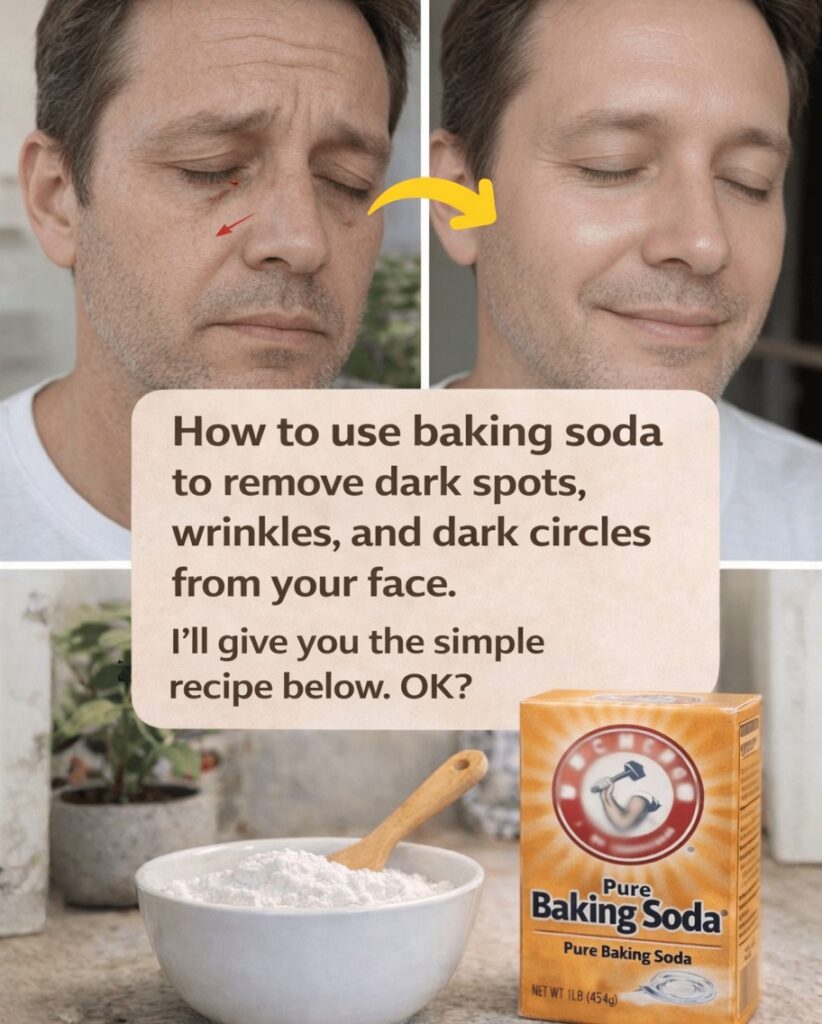
Many people reach for everyday kitchen staples like baking soda to upgrade their skincare routine—especially when dealing with dull-looking skin or excess oil. Thanks to social media, these DIY methods feel accessible and budget-friendly, but they also prompt an important question: Is baking soda actually suitable for your face, or can it do more harm than good?
By the end of this guide, you’ll also pick up one unexpected takeaway that may change how you think about “natural” ingredients in skincare.
Why DIY Skincare (and Baking Soda) Became So Popular
DIY skincare has grown quickly in recent years, with plenty of adults experimenting with household products to improve texture, reduce shine, or “refresh” their complexion. Baking soda—widely known for baking, deodorizing, and cleaning—often lands on these lists because it’s:
- Inexpensive
- Easy to find
- Simple to mix into a paste at home
However, the exact reason it seems helpful to some people is also what makes dermatologists cautious: its alkalinity. While it may create short-term visible effects for certain users, experts warn that improper or frequent use can lead to discomfort and barrier issues.
What Baking Soda Is (and Why pH Matters for Facial Skin)
Baking soda is sodium bicarbonate, a fine white powder with an alkaline pH of about 9. In contrast, healthy facial skin tends to sit in a mildly acidic range—roughly pH 4.5 to 5.5—which supports the skin’s natural protective layer (often called the acid mantle).
When you apply an alkaline ingredient to the face, it can interfere with that natural balance. That pH gap explains why some people treat baking soda as a quick exfoliant, but it’s also why many professionals recommend caution: skin balance matters as much as skin appearance.
Potential Benefits of Baking Soda on the Face
Baking soda is often discussed in skincare because it may provide a few short-lived effects—especially when used as a paste.
1) Physical exfoliation (surface smoothing)
Because it has a fine, gritty texture, baking soda can act as a mechanical exfoliant, helping to lift surface buildup and dead skin cells. Some users notice smoother-feeling skin immediately after rinsing.
2) Temporary oil absorption
Baking soda can soak up some surface oil, which may create a short-term matte look for oily skin types. Its absorbent behavior is similar to how it functions in other household uses.
3) Mild antibacterial activity (in limited settings)
In controlled environments, sodium bicarbonate has shown the ability to reduce certain bacteria, which is one reason people exploring “natural skincare” find it appealing.
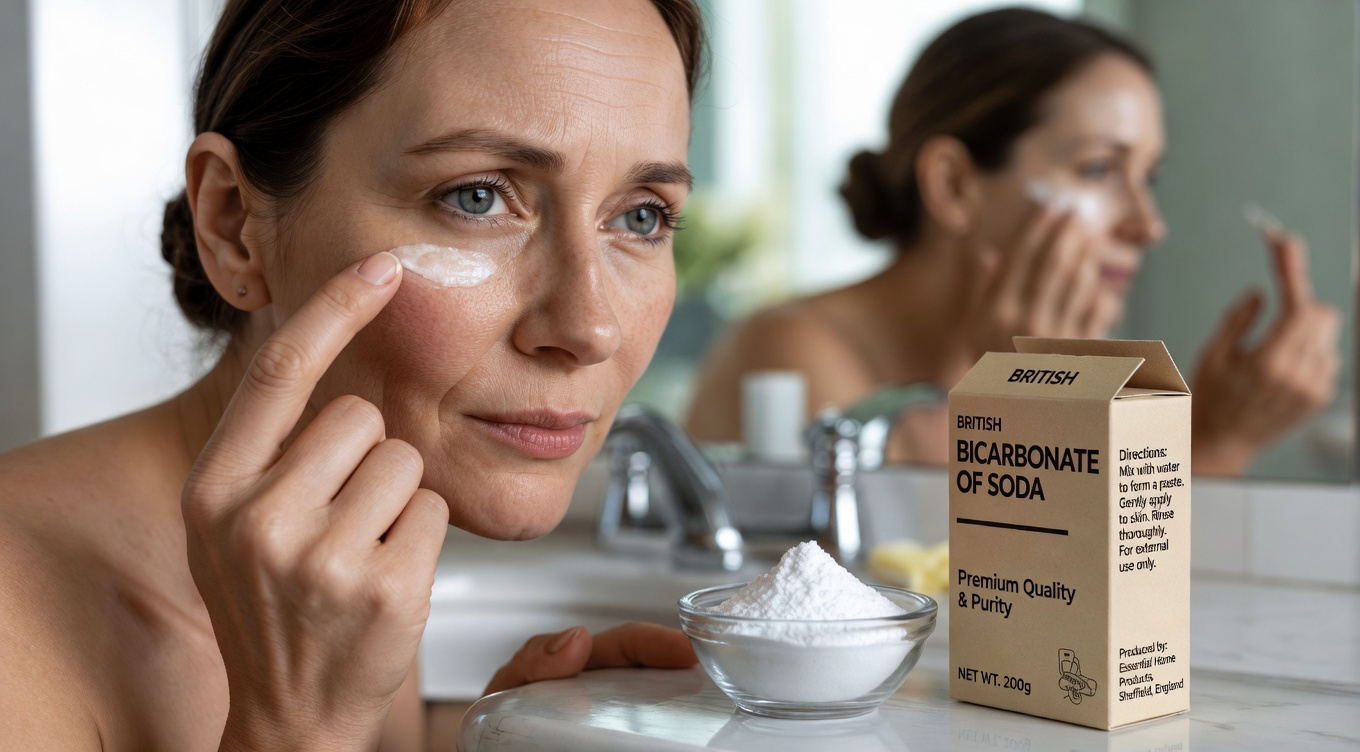
Baking Soda Skincare Benefits: Quick Summary
- Exfoliation: Mechanical buffing that can remove dead skin on the surface
- Oil control: Can reduce shine temporarily by absorbing sebum
- Antibacterial potential: Mild effect in certain controlled conditions
These outcomes vary widely from person to person—and how often you use it makes a major difference.
Real-World Experiences: What People Report
Personal stories online tend to follow a similar pattern: early results, then mixed outcomes.
- Sarah (34) tried a baking soda paste on oily areas and initially liked the “clean” feel. After repeating it regularly, she noticed tightness and dryness.
- Jake (28) used it to manage midday shine. It worked briefly, but he eventually moved to other solutions for more consistent results.
- Mia (41) found it only worked for her when used very sparingly and combined carefully with other gentle ingredients—highlighting the need for personalization.
Risks Dermatologists Commonly Warn About
The main concern is that baking soda can shift your skin away from its natural slightly acidic state.
pH disruption and barrier stress
Because baking soda is alkaline, it may interfere with the skin’s acid mantle. Over time, that can contribute to:
- Dryness
- Increased sensitivity
- A compromised skin barrier
Irritation from abrasion
As a physical exfoliant, baking soda can be too abrasive—especially if used with pressure or too often. Some people experience:
- Redness
- Stinging
- Rough patches
- Micro-tears (tiny damage that can worsen irritation)
Rebound effects (more oil or breakouts)
In some cases, stripping or stressing the barrier can lead to a rebound response such as:
- Increased oil production
- Breakouts
- Ongoing sensitivity
Not everyone will experience these effects, but understanding the risk profile is essential before applying it to facial skin.
Balancing the Pros and Cons
- Exfoliation: May smooth texture, but risk rises with frequent use (irritation possible)
- Oil control: Temporary improvement, with a higher risk of rebound oiliness over time
- Antibacterial effect: Limited and inconsistent; barrier disruption may ultimately worsen skin issues
Quick Self-Check: What’s Your Main Skincare Need?
Before trying any DIY exfoliant, consider:
- What are you actually trying to fix (oil, texture, dullness, breakouts)?
- Does your skin often feel tight or reactive after products?
- Are you currently using active ingredients (retinoids, acids, benzoyl peroxide) that increase sensitivity?
This small pause can prevent a lot of trial-and-error.
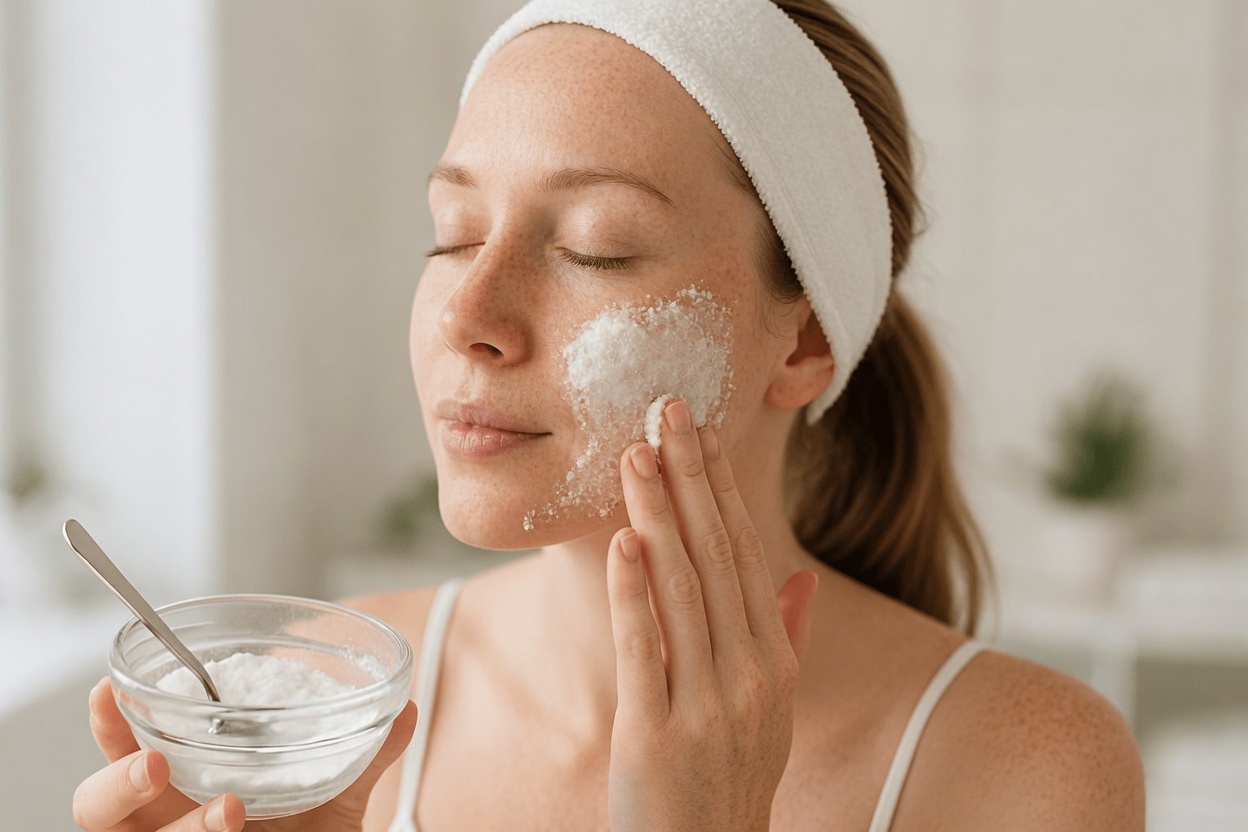
If You Still Want to Try Baking Soda: Safer Use Guidelines
If you choose to experiment, reduce the chance of irritation by being conservative.
1) Patch test first
Mix a tiny amount with water into a thin paste, apply to the inner arm, and wait 48 hours to check for irritation.
2) Dilute heavily
Instead of using a strong paste, aim for a gentler mix such as:
- 1 part baking soda
- 3 parts water (or a gentle carrier like honey)
3) Use minimal pressure and time
Apply lightly in soft circular motions for less than 1 minute, then rinse thoroughly.
4) Limit frequency
Use no more than once per week, and stop immediately if you notice tightness, burning, or flaking.
5) Rehydrate and support the barrier
Follow with a moisturizer. If you use toner, choose a mild, non-stripping option.
Better Alternatives (Often More Skin-Friendly)
If your goal is exfoliation or oil management, many options are designed to support skin balance:
- pH-balanced chemical exfoliants (such as glycolic acid products formulated for the face)
- Enzyme exfoliants (often papaya-based) for gentler smoothing without grit
- Clay masks for oil control without the same alkalinity concerns
These are typically more predictable and less disruptive than using baking soda on facial skin.
When to Avoid Baking Soda on Your Face
Skipping baking soda is often the smarter choice if you have:
- Sensitive skin
- Dry or easily irritated skin
- Acne-prone skin (especially inflamed acne)
- Signs of barrier damage (burning, persistent tightness, peeling)
If your skin feels worse after trying it—even once—that’s a strong sign it isn’t a good match.
Final Thoughts: Making a Smarter Choice About Baking Soda Skincare
Using baking soda on the face can seem like an easy fix for oiliness or dullness, but its high pH means it may disrupt the skin barrier and trigger irritation—especially with repeated use. If you decide to try it, take a cautious approach: patch test, dilute, keep contact time short, and use it rarely. In many cases, pH-balanced skincare alternatives deliver similar benefits with fewer downsides.
The surprising tip to remember: “Natural” and “everyday” doesn’t automatically mean skin-safe—especially when pH is involved.
Frequently Asked Questions (FAQ)
What’s the safest way to mix baking soda for facial use?
Use a heavily diluted blend (about 1:3 baking soda to water or a gentle carrier), apply briefly, and rinse thoroughly.
Does baking soda help oily skin?
It can reduce shine temporarily by absorbing oil, but overuse may cause rebound oiliness. Clay masks are often a more stable option.
Is baking soda safe for every skin type?
No. Sensitive, dry, or acne-prone skin may react poorly. Patch testing is strongly recommended.
This article is for informational purposes only and is not medical advice. Always consult a qualified healthcare professional before introducing new skincare practices.