Why the “Colgate Mint Foot Hack” Is Everywhere—and Whether It’s Actually Worth Trying
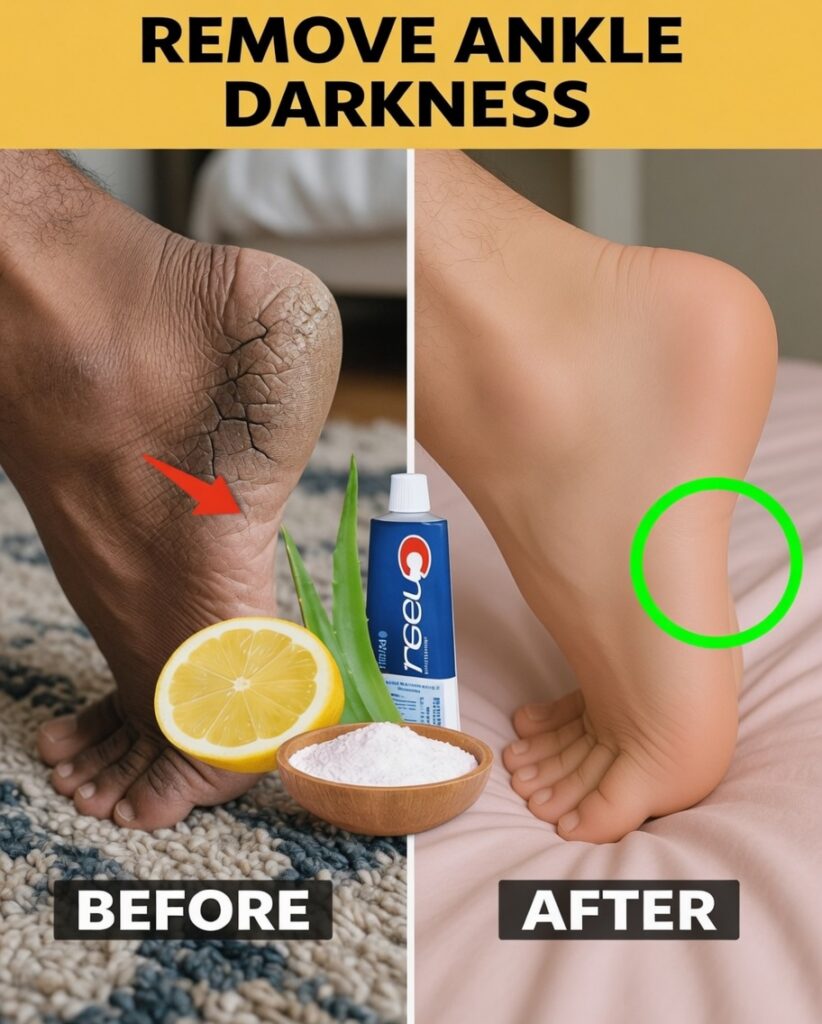
After a long day, tired feet can feel dry, rough, and uncomfortable—especially when cracked heels catch on socks or make walking painful. On social media, a viral trend promises a quick fix: smear minty Colgate toothpaste over your soles before bed, wrap your feet up, and wake up to softer, fresher skin.
It sounds easy and budget-friendly, but does it hold up beyond the hype? Below, you’ll learn what this toothpaste-on-feet trend really does, why it can feel impressive at first, what the risks are, and which dermatologist-approved alternatives deliver more reliable comfort.
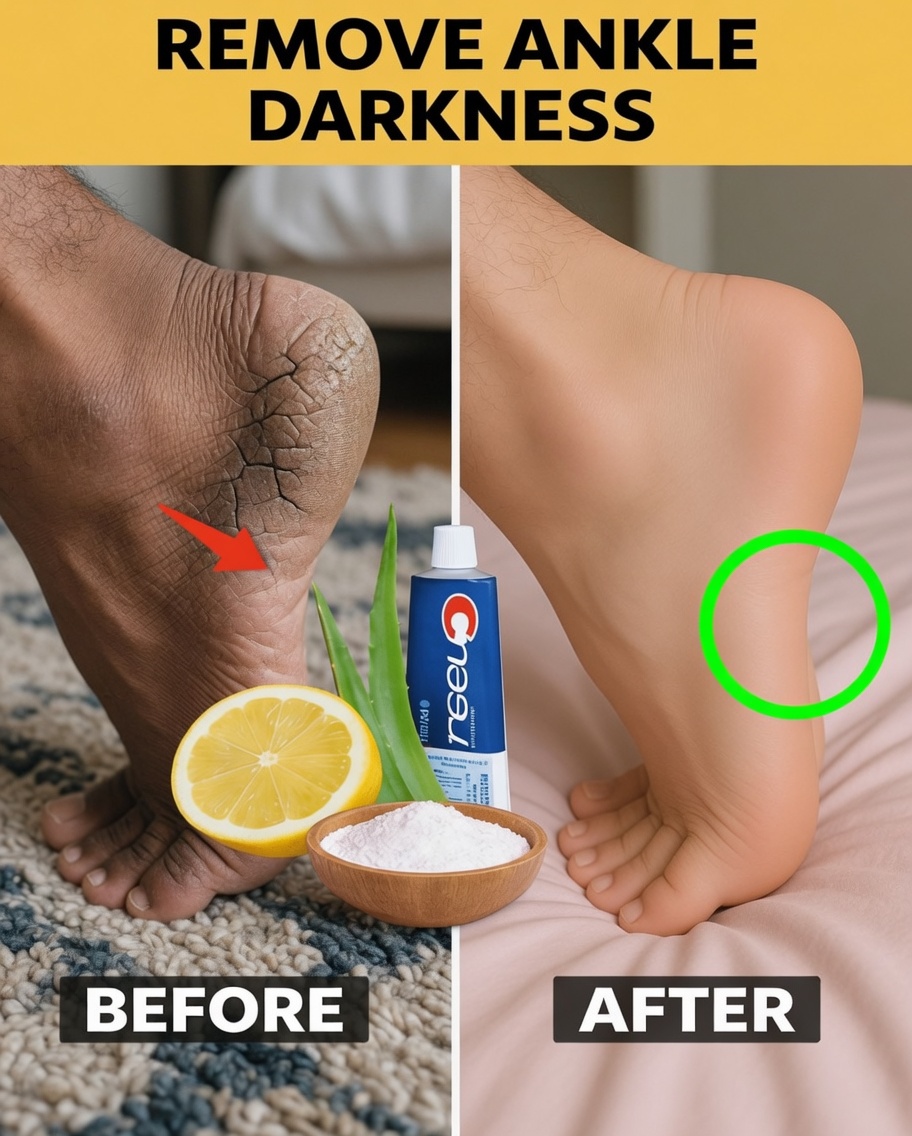
What Is the Minty Toothpaste Foot Hack?
The trend is straightforward: people apply a thick layer of mint-flavored toothpaste (often Colgate) to the bottoms of their feet at night. Typical instructions include:
- Spreading toothpaste across the heels and soles
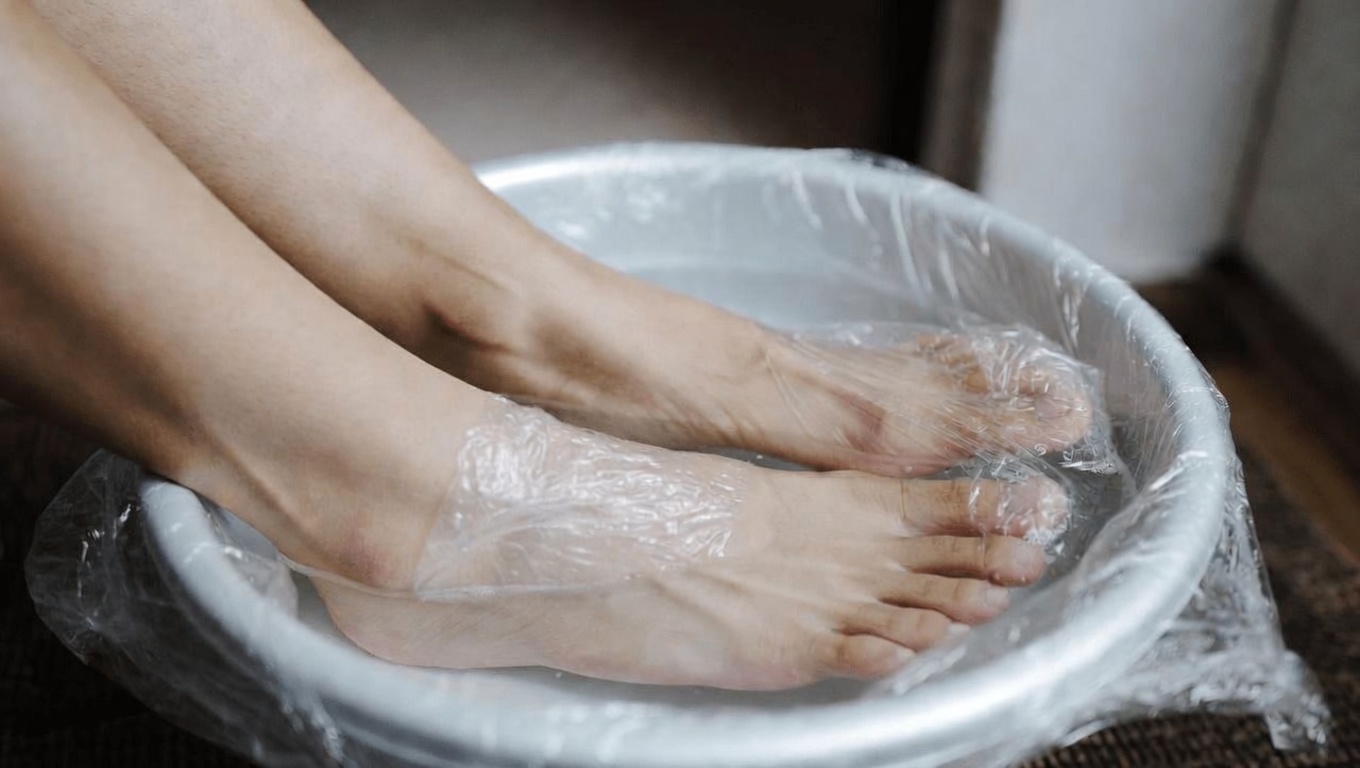
- Covering feet with socks or plastic wrap to keep it in place
- Leaving it on overnight
- Washing it off in the morning
Fans claim smoother heels, reduced odor, and a “fresh” feeling. The key is understanding why it feels effective—even if the results don’t last.
Why Toothpaste Makes Feet Feel Cool (Even Though It Isn’t “Healing” Them)
Most mint toothpastes contain menthol, which activates TRPM8 receptors in the skin—the same sensory pathway that detects cold. Your nerves interpret this as cooling, so you feel an instant tingle and freshness without an actual drop in skin temperature.
Some formulas also include:
- Mild abrasives (used to polish teeth) that can create a slight “buffed” sensation
- Foaming agents that may leave skin feeling tight or squeaky-clean
The important catch: these ingredients are designed for the mouth, not for prolonged contact with skin—especially overnight.
Can Toothpaste Truly Soften Cracked Heels?
Not in a meaningful, long-lasting way.
At best, toothpaste may create a short-term improvement from:
- Light surface exfoliation (from mild abrasives)
- Occlusion from socks/wrap (which traps moisture and can temporarily soften skin)
But toothpaste does not provide the core components that consistently repair and hydrate thick, cracked heel skin. Dermatology-backed heel care typically relies on:
- Urea (softens thickened skin and pulls in moisture)
- Lactic acid or salicylic acid (gentle exfoliation to reduce hard skin buildup)
- Glycerin, shea butter, ceramides (hydration and barrier support)
- Petrolatum/petroleum jelly (seals moisture in overnight)
Toothpaste doesn’t offer this balanced combination, so it won’t address the root cause of dryness.
Does It Reduce Foot Odor?
Possibly—but usually only briefly.
Mint fragrance can mask odor, and some toothpaste ingredients may temporarily reduce bacteria on the surface. However, once rinsed off, the effect tends to disappear quickly.
For more dependable odor control, stick with proven habits:
- Wash feet daily and dry thoroughly, especially between toes
- Wear breathable socks and shoes, and rotate shoes to let them dry
- Use moisture-absorbing powders or antifungal powders when needed
- Exfoliate regularly to remove dead skin where odor-causing microbes thrive
What About Brightening Dark Areas or “Removing Dead Skin”?
These claims are largely unsupported.
Some toothpastes include ingredients like baking soda or hydrogen peroxide, which might cause mild surface changes—but they’re not designed to treat pigmentation or rough foot skin safely. Overuse can irritate the skin, and irritation can sometimes make discoloration appear worse over time.
A better path is consistent, gentle care: moisturize, exfoliate moderately, and use skin-safe products formulated for body use.
Risks and Side Effects You Should Consider
Even though the skin on your feet is thicker than facial skin, toothpaste is not tested or formulated for overnight use on feet. Ingredients such as sodium lauryl sulfate (SLS), flavoring agents, and whitening additives can trigger:
- Dryness, tightness, or peeling
- Redness and irritation
- Burning or stinging sensations
- Allergic reactions (especially in sensitive skin)
If you have diabetes, reduced circulation, eczema, open cracks, or any broken skin, skipping experimental hacks is especially important. Irritation or minor damage can become a larger problem when healing is slower or sensation is reduced.
Why Some People Swear It “Works” Anyway
When people notice smoother feet after this hack, it’s often due to factors that aren’t specific to toothpaste:
- Menthol cooling distracts from soreness and feels instantly energizing
- Certain ingredients leave a temporary “tight” feeling that can mimic smoothness
- Wearing socks or wrapping overnight creates an occlusive effect, locking in natural moisture—similar to a basic overnight foot mask
In many cases, the covering (socks/wrap) does more than the toothpaste itself.
Safer, Dermatologist-Preferred Ways to Get Softer Feet
If your goal is real, repeatable improvement, these methods are more effective and lower-risk.
Overnight Moisture Lock (Simple and High-Impact)
- After a shower or bath, apply a thick layer of foot cream or petroleum jelly to heels and soles
- Put on clean cotton socks
- Repeat 3–4 nights per week for noticeable improvement
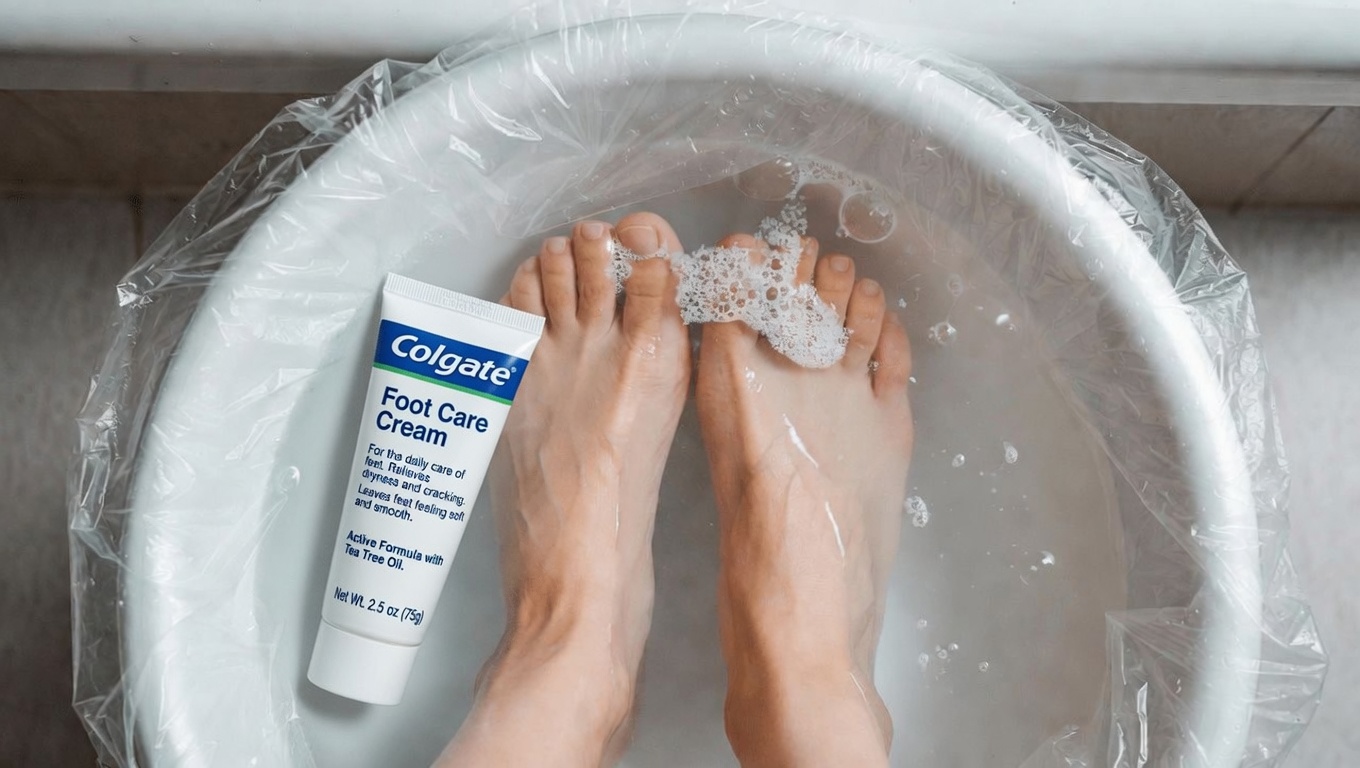
Warm Foot Soak + Gentle Exfoliation
- Fill a basin with warm (not hot) water
- Add Epsom salt or a small amount of baking soda
- Soak for 15–20 minutes
- Gently use a pumice stone on rough areas (avoid over-scrubbing)
- Pat dry and moisturize immediately
Urea-Based Foot Cream Routine
Look for creams with 10–40% urea (available over the counter). Urea helps break down thick skin while pulling in moisture. For best results:
- Apply twice daily
- Focus on heels, calluses, and rough edges
Foot Masks Made for Feet
Use peel-style or gel foot masks formulated specifically for the skin on your feet. These are designed to soften safely—without relying on harsh oral-care ingredients.
Who Should Avoid the Toothpaste Foot Trend?
Skip it entirely if you:
- Have open sores, bleeding cracks, or signs of infection
- Have diabetes or reduced feeling in your feet
- Have eczema, psoriasis, or highly reactive skin
- Experience itching, burning, redness, or swelling after contact
When foot health is the goal, products developed for skin are the safer long-term choice.
No—Toothpaste Does Not “Detox” Feet
There is no credible scientific evidence that toothpaste pulls toxins out through your feet. Skin is a protective barrier, not a detox organ. Detoxification is handled by your liver, kidneys, lungs, and digestive system.
Final Verdict: Try It or Skip It?
The Colgate mint foot hack may provide a quick cooling sensation and a temporary “tight” feel, but it isn’t a dependable solution for dry, cracked heels or ongoing foot odor. Trying it once out of curiosity may not harm most people, but it’s not designed for skin—and irritation is a real possibility.
For lasting softness and everyday comfort, rely on consistent moisturizing, gentle exfoliation, good hygiene, and breathable footwear. Those habits outperform viral shortcuts over time.
Frequently Asked Questions
Can toothpaste treat athlete’s foot?
No. Athlete’s foot is a fungal infection and requires antifungal treatment. Toothpaste doesn’t address the underlying fungus.
How often is it safe to do the mint toothpaste foot hack?
It’s not recommended as a routine practice. If you try it once, monitor for irritation and stop immediately if discomfort occurs.
What’s the fastest safe way to soften cracked heels at home?
Use a urea-based cream daily, and apply petroleum jelly overnight with cotton socks. Consistency is the fastest path to safer results.
Disclaimer: This article is for informational purposes only and does not provide medical advice. For personalized guidance—especially if you have underlying conditions or persistent foot issues—consult a healthcare professional or dermatologist.