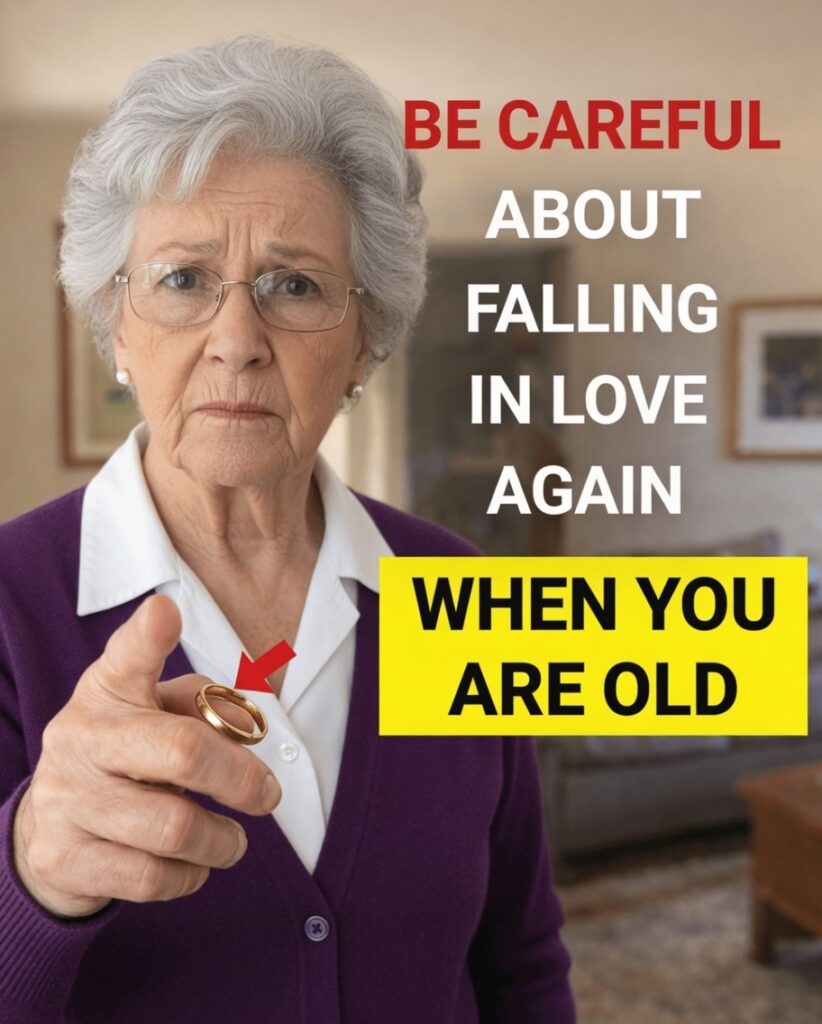
Love After 60: Joyful, Real—and Worth Approaching Wisely
Falling in love after 60 can feel like a fresh start: more presence, more appreciation, and a deeper sense of connection after decades of life experience. Many older adults describe later-life romance as both energizing and comforting.
At the same time, this chapter may bring emotional and practical challenges that can surprise even confident, independent seniors. Because these risks often grow out of past experiences—loss, financial history, family roles, and health changes—it helps to enter new relationships with clear eyes and steady boundaries.
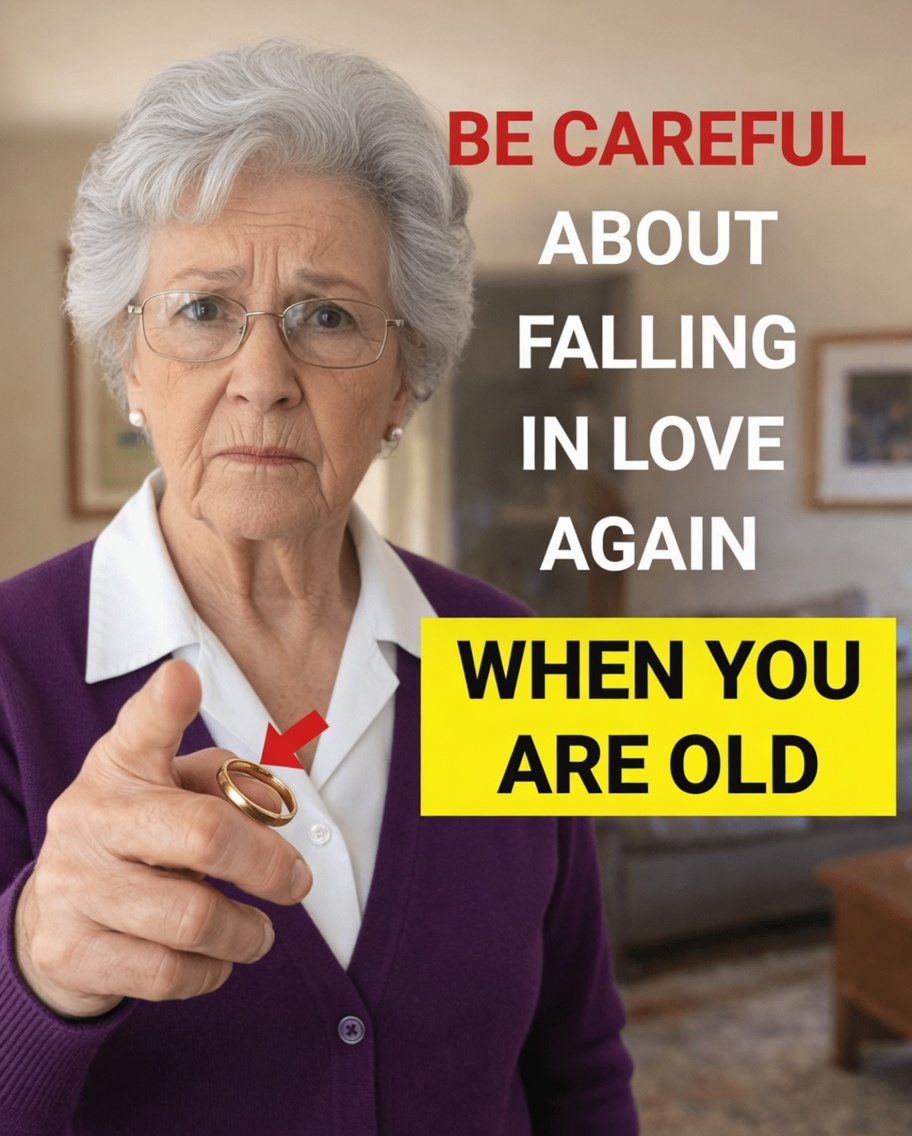
Emotional Vulnerability in Later-Life Romance
With age comes a lifetime of memories—beautiful moments, major transitions, and sometimes profound grief. That history can make love feel especially meaningful, but it can also increase sensitivity to rejection or loss.
The American Psychological Association notes that grief can feel sharper in later years partly because time is perceived as more valuable. If a promising relationship ends abruptly, it may trigger a sense of missed opportunity, intensifying loneliness or regret.
Later-life relationships can also deepen quickly. Many couples share personal stories early—widowhood, health scares, family conflict—which can accelerate emotional closeness. If the relationship breaks down, recovery may feel slower because it intertwines with reflections on life chapters and identity.
A practical tool: keep a simple journal of emotions and relationship moments. Writing regularly can help you process feelings, notice patterns, and respond thoughtfully instead of reactively.
The Financial Risks That Can Appear in Senior Relationships
After 60, money decisions carry more weight. Retirement savings and assets often represent decades of effort—and there may be less time to recover from major losses. New romance can blur financial boundaries, sometimes leading to rushed commitments.
Examples include combining bank accounts, co-signing loans, or funding large purchases without fully understanding the long-term impact. The Consumer Financial Protection Bureau has reported that elder financial exploitation affects millions, and in many cases the situation begins within seemingly “normal” relationships.
Even when both partners have good intentions, financial entanglements can still create strain—supporting adult children, paying unexpected medical costs, or taking on shared obligations that exceed a fixed income.
A safer starting point is simple: keep finances separate in the early stages. Trust can grow without immediate financial exposure.

Common Financial Pitfalls (and How to Avoid Them)
- Rushed asset sharing: Avoid adding a partner to property deeds or financial accounts without advice from a qualified financial planner or attorney. Start with transparent conversations about goals, not immediate merging.
- Unexpected debts and “small” transfers: Be cautious with loans, repeated gifts, or covering bills that chip away at your nest egg. Keep records of any money exchanged.
- Inheritance and family confusion: If your children or relatives may be affected, communicate early to reduce suspicion and misunderstandings. Updating your will and beneficiaries can clarify your intentions.
Research consistently shows that clear, proactive financial conversations reduce conflict and support healthier long-term partnerships.
Family Dynamics: When a New Relationship Affects Everyone
Introducing a partner later in life can bring happiness—and also tension. Adult children may worry about vulnerability, financial exploitation, or changes to long-standing family traditions. Siblings and relatives may question motives, sometimes creating stress when you least want it.
AARP surveys suggest that family resistance is common in later-life relationships, with many older adults experiencing pushback. While this can feel hurtful, these reactions often come from protectiveness rather than hostility.
One helpful approach is to address concerns directly and calmly. Consider holding a family meeting where everyone can share perspectives, ask questions, and hear your boundaries. The goal is not to seek “permission,” but to build understanding while reinforcing your independence.
Cognitive and Judgment Considerations in Mature Love
Aging can involve subtle cognitive shifts, and even mild changes may affect how you evaluate risk, read intentions, or notice inconsistencies. The National Institute on Aging highlights that early cognitive changes can influence decision-making long before major problems become obvious.
That doesn’t mean you should fear dating—it means you should build smart safeguards. A charismatic partner can appear perfect, and it may be easier to overlook red flags when you crave connection. Inviting trusted friends into your life (not as gatekeepers, but as reality checks) can help you stay grounded.
Staying mentally active matters too. Social activities, puzzles, reading, and regular routines support sharper thinking and emotional balance.
Quick Signs to Watch For (and What to Do)
- If decisions feel rushed, pause before agreeing to anything major.
- Ask a neutral advisor (financial, legal, or a trusted friend) to review big commitments.
- Maintain brain-boosting habits to support confidence and clarity.
These small habits can protect autonomy while keeping romance enjoyable.
Health and Caregiving Realities in Senior Partnerships
Health can shift quickly after 60. A relationship that begins as an equal partnership may unexpectedly evolve into a caregiving situation due to mobility issues, chronic illness, or sudden medical events.
The Centers for Disease Control and Prevention notes that many older adults manage multiple health conditions, and those demands can stress even loving relationships—especially if expectations were never discussed.
Compatibility isn’t just about personality; it also includes values around wellness, medical decisions, caregiving roles, and independence. Talking early about “what support looks like” can prevent resentment and protect the relationship.
A practical step: discuss realistic caregiving expectations in advance—what each person can offer, what outside support might be needed, and how decisions would be made if health changes.

The Bright Side: Why Love After 60 Can Be a Genuine Gift
Despite the risks, later-life love can be uniquely rewarding. Companionship reduces isolation, shared routines bring meaning, and everyday experiences can feel richer when you’re not distracted by earlier life pressures.
Harvard’s long-running Grant Study has repeatedly highlighted that strong relationships are closely linked to happiness and longevity. After 60, many couples can focus less on building careers or raising children and more on emotional connection and daily well-being.
Small moments—morning walks, shared meals, quiet conversations—often become the heart of the relationship. With a balanced approach, love can be both safe and deeply fulfilling.
Practical Steps to Protect Yourself While Staying Open to Love
- Build trust gradually: Spend time together in low-pressure settings. Watch for consistency between words and actions over months, not days.
- Protect financial stability: Talk to an estate attorney before combining assets. If you share expenses, start with a clear plan using separate accounts.
- Maintain independence: Keep your friendships, routines, and hobbies. Make space for alone time to stay grounded.
- Discuss the essentials early: Health expectations, family involvement, living arrangements, and long-term plans should be addressed sooner rather than later.
- Listen to your instincts: If something feels off, slow down and seek neutral guidance. Journaling can help you separate emotion from urgency.
Conclusion: Balancing Romance and Security in Your Golden Years
Love after 60 can bring renewed happiness, connection, and a sense of purpose—but it also requires awareness of emotional sensitivity, financial boundaries, family concerns, cognitive clarity, and health realities. When you protect your peace, you make space for healthier intimacy.
The “surprising twist” is backed by research: seniors in stable, healthy relationships often report greater life satisfaction and well-being. In other words, love can genuinely elevate your later years—when approached with care and intention.
Frequently Asked Questions (FAQ)
-
What if my family disapproves of my new relationship?
Start with calm, direct conversations about your feelings and boundaries. If emotions run high, consider a mediator or family counselor. Make it clear that your happiness and safety both matter. -
How do I recognize financial red flags when dating after 60?
Be alert to early requests for money, pressure to share assets, secrecy about finances, or guilt-based persuasion. Verify information when needed and consult legal/financial professionals before major decisions. -
Is it normal to feel more emotionally vulnerable after 60?
Yes. Life experience can deepen attachment and raise the emotional stakes. Move at a comfortable pace, keep supportive friendships, and use tools like journaling to stay steady.
Disclaimer: This article is for informational purposes only and does not provide medical, financial, or legal advice. For guidance tailored to your situation, consult qualified professionals.