
A 62-year-old patient once shared, “I’ve used atorvastatin for years, but recently I’ve noticed more muscle soreness and fatigue than usual.” After an evaluation, the doctor determined that the symptoms could be related to the medication. That does not mean atorvastatin is unsafe. It simply shows why understanding possible side effects matters. When you are trying hard to protect your heart and then start noticing subtle physical changes, it is easy to feel uncertain. The encouraging part is that the more you know, the easier it becomes to recognize unusual patterns early and respond with confidence. One simple daily habit can also help long-term users stay on top of potential concerns, and we will get to that shortly.
What Atorvastatin Is and Why It Is Prescribed
Atorvastatin is part of a class of medications known as statins. It is widely prescribed to help adults manage cholesterol levels, especially when diet and exercise alone are not enough to lower LDL, often called “bad” cholesterol. Doctors may also recommend it for people who have added cardiovascular risk factors. The main purpose is clear: reduce strain on the arteries and support long-term heart health. Still, as with any medication taken regularly, some people may notice effects that feel unfamiliar.
How Atorvastatin Works in the Body
Atorvastatin works by blocking an enzyme in the liver that plays a key role in cholesterol production. As a result, the body makes less LDL cholesterol, while HDL or “good” cholesterol may improve slightly. Many patients see better lab results within a matter of weeks. Because the medicine affects processes involving the liver and muscles, however, some users may experience side effects. Trusted medical sources such as the Mayo Clinic note that most people tolerate atorvastatin well, but age, genetics, dose, and other medications can all influence how someone responds.
Common Side Effects of Atorvastatin
The side effects reported most often are usually mild and may improve as the body adapts. Information from sources like the NHS and WebMD frequently mentions the following:
- Muscle aches or mild soreness
- Headaches that come and go
- Nausea or stomach discomfort
- Diarrhea or changes in bowel movements
- Runny nose or sore throat that resembles a mild cold
- General tiredness
In many cases, these symptoms do not mean the medication must be stopped. They often lessen after a few weeks, and small changes, such as taking the tablet with an evening meal, may help.
15 Lesser-Known Atorvastatin Side Effects to Be Aware Of
Some side effects receive much less attention, yet they can still matter. Medical literature describes these effects as uncommon or rare, but knowing about them can make it easier to discuss symptoms with your doctor.
-
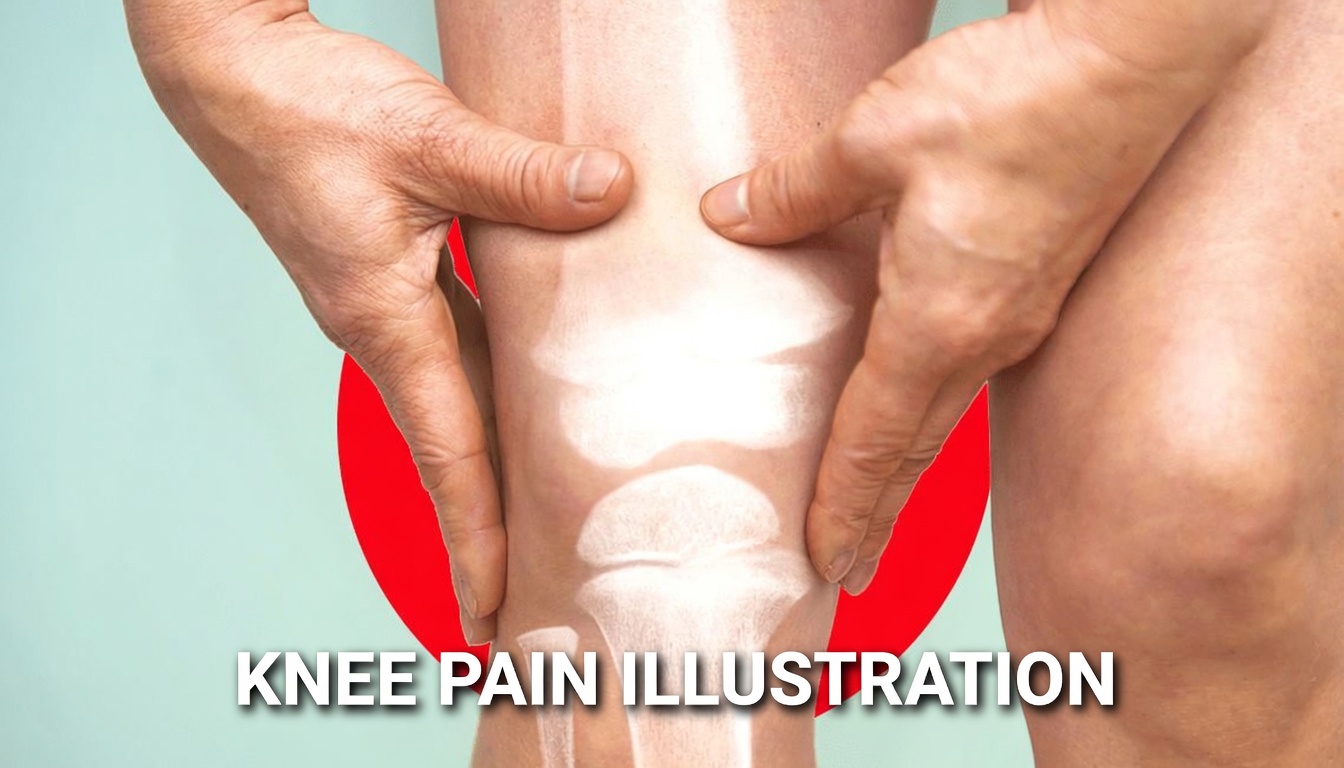
Joint stiffness or pain
Some people report aching in areas like the knees or shoulders that feels different from normal age-related discomfort. -
Mild dizziness or light-headedness
This may be more noticeable when standing up quickly. -
Sleep changes
Difficulty falling asleep or waking more often during the night has been reported by some users. -
Tingling sensations
A pins-and-needles feeling in the hands or feet can occur occasionally. -
Temporary hair thinning
If linked to the medication, this is often reversible. -
Slightly higher blood sugar levels
This is especially relevant for people with diabetes risk factors. -
Memory fog or mild confusion
Some describe this as a sense of mental fuzziness, which is usually reversible. -
Dry skin or a mild rash
Skin-related changes are not common, but they can happen. -
Persistent fatigue
This goes beyond ordinary end-of-day tiredness. -
Back pain or nighttime muscle cramps
In some cases, this may relate to how the body processes the drug. -
Nosebleeds or minor bleeding problems
These are rare but have been reported in long-term use. -
Digestive sensitivity to certain foods
Some people notice more bloating or gas than before. -
Visual discomfort such as dry eyes
This is uncommon, though some users mention it. -
Tendon discomfort
A pulling or tight sensation in the heels or shoulders may occur. -
Mild swelling in the hands or feet
Temporary fluid retention can happen in some individuals.
Severe complications, such as major muscle breakdown known as rhabdomyolysis or changes in liver enzymes, are very rare. Routine blood tests are useful because they can detect these problems early.
Who Is More Likely to Notice Side Effects?
Certain factors can increase the chance of experiencing atorvastatin side effects. These include:
- Older age
- Higher doses
- Taking multiple medications at the same time
- Kidney or liver issues
- Heavy alcohol consumption
- Large amounts of grapefruit or grapefruit juice
These factors can affect how the body processes the medication. That is why doctors adjust the dose based on a person’s overall health profile rather than using the same approach for everyone.
A Simple Daily Habit That Can Make a Difference
One of the most helpful habits is keeping a brief symptom log. It does not need to be complicated. You can use a notebook, a phone app, or even a note in your calendar. Write down the date, the symptom, how long it lasted, and anything else that may be relevant, such as what you ate, your exercise level, or other medications you took. Many long-term users find that this simple routine helps them notice patterns early and makes doctor visits far more productive.
Practical Ways to Monitor Your Health Each Day
You do not need special tools to stay proactive. Small, consistent habits can help you monitor your response to atorvastatin without becoming overly worried about every minor sensation.
- Keep a simple symptom diary and record any new or unusual feelings
- Follow your doctor’s schedule for routine blood work
- Bring a complete list of medications, vitamins, and supplements to every appointment
- Stay active with gentle movement, such as a 20-minute walk most days
- Drink enough water and eat balanced meals to reduce fatigue and cramping
You can also prepare a few useful questions for your next medical visit:
- “I have noticed this symptom for the last two weeks. Could it be connected to atorvastatin?”
- “Should we test my liver enzymes or review when I take the medication?”
- “Are there lifestyle changes that could reduce this discomfort?”
These small actions often lead to better communication and greater peace of mind.

Why Lifestyle Still Matters While Taking Atorvastatin
Atorvastatin can do a lot to improve cholesterol levels, but it works best when paired with healthy daily habits. A diet rich in vegetables, lean protein, whole foods, and healthy fats supports the same heart-health goals the medication is designed to achieve. Reducing processed foods and excess added sugar may also improve how you feel overall. Grapefruit juice should be limited unless your doctor confirms that a small amount is acceptable for you.
Final Thoughts
Atorvastatin remains one of the most trusted medications for managing cholesterol and supporting heart health. Learning about both the common and less familiar side effects helps you stay informed rather than anxious. Most people take it without serious problems, and when symptoms do appear, they can often be addressed through a conversation with a healthcare provider. The more informed you are, the more confident you can feel about your treatment.
FAQ
How long do atorvastatin side effects usually last?
Many mild side effects improve within a few weeks as the body adjusts. If a symptom continues for more than a month, it is a good idea to bring it up at your next appointment.
What should I do if I develop unexplained muscle pain?
Contact your healthcare provider as soon as possible. They may want to order a test to rule out a more serious issue, even though most muscle discomfort is mild and manageable.
Can I drink alcohol while taking atorvastatin?
Moderate alcohol intake is usually acceptable for many people, but heavy drinking can increase the risk of liver-related problems. Your doctor can give the best advice based on your health history and lab results.
Disclaimer
This article is for informational purposes only and should not be considered medical advice, diagnosis, or treatment. Always consult a qualified healthcare professional about symptoms, medication concerns, or changes to your treatment plan.