
Wild Thyme (Thymus serpyllum): Natural Support for Comfort, Digestion, and Everyday Wellness
Many adults over 40 privately manage recurring annoyances—slow-to-clear infections, occasional bloating, or day-to-day joint stiffness—that can make ordinary routines feel harder than they should. These concerns are often linked to ongoing inflammation, imbalanced microbes, or oxidative stress, which can be discouraging when standard strategies don’t bring lasting relief.
Wild thyme (Thymus serpyllum) is a hardy, aromatic herb native to rocky landscapes across parts of Europe and Asia. Long used in traditional wellness practices, it is now gaining renewed interest thanks to modern research exploring its diverse range of naturally occurring compounds.

What Makes Wild Thyme Different?
Wild thyme stands apart because its essential oil and extracts are rich in bioactive components such as thymol, carvacrol, rosmarinic acid, and other protective plant phenolics. Early research suggests these constituents may contribute to antimicrobial, anti-inflammatory, and antioxidant activity.
By the end of this guide, you’ll know practical, realistic ways to use wild thyme safely—plus a simple pairing idea that may make it even more enjoyable in a daily routine.
Why Wild Thyme Deserves a Closer Look
Although it shares a family resemblance with culinary thyme, wild thyme (Thymus serpyllum) isn’t the same as common thyme (Thymus vulgaris). Wild thyme typically grows low to the ground in a creeping pattern and may develop a different—or sometimes higher—concentration of certain protective compounds as it adapts to tougher environments.
Traditionally, wild thyme has been used to support:
- Respiratory comfort (especially during seasonal shifts)
- Digestive balance
- General wellness and vitality
Recent scientific reviews and preclinical findings (lab and animal studies, plus limited human research) report promising signals for anti-inflammatory effects and activity against a range of microbes. While more high-quality human trials are still needed, the emerging data aligns with its long-standing traditional use.
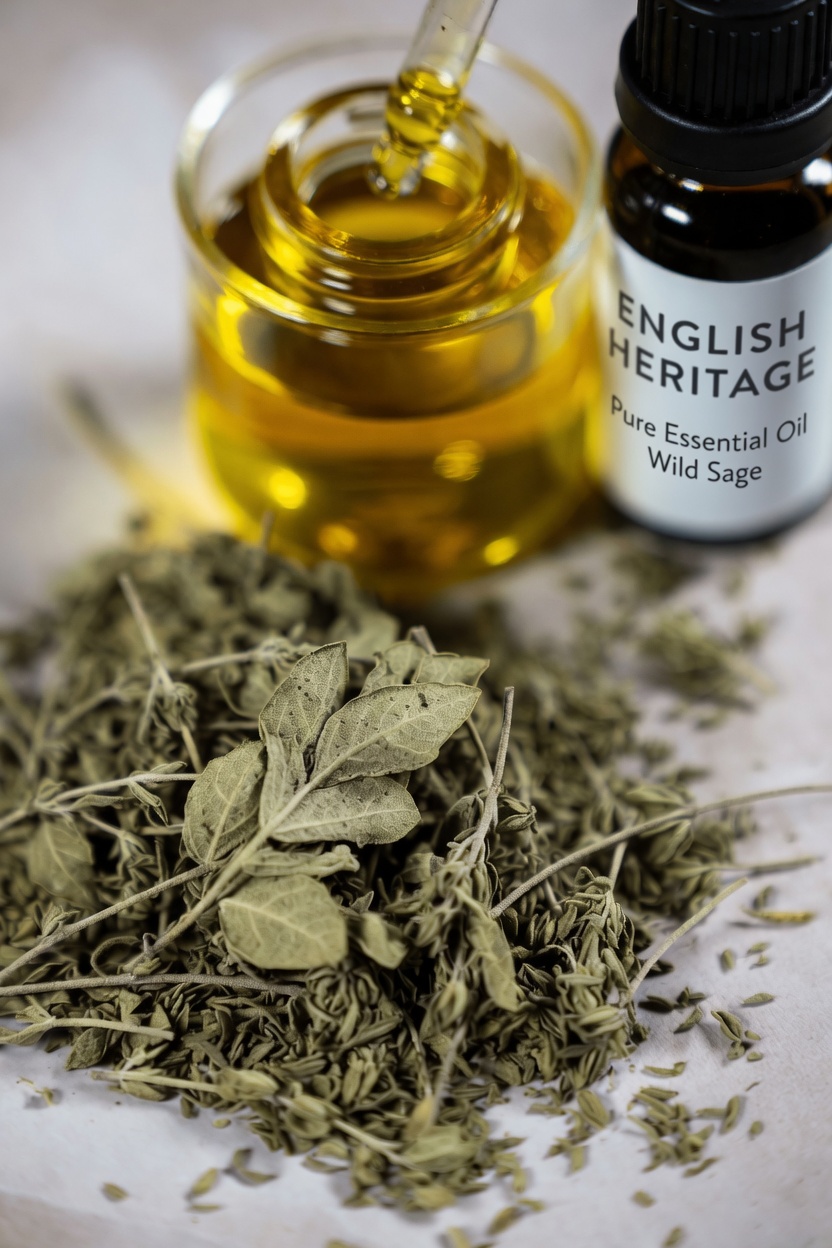
Evidence-Informed Benefits: How Wild Thyme May Support Wellness
Below are the most commonly studied areas of interest for wild thyme, based on laboratory research, animal studies, and a small number of human observations:
-
Antimicrobial activity
- Wild thyme essential oil has shown strong lab activity against certain bacteria (including E. coli), fungi (such as Candida species), and even some viruses in experimental settings.
- This may help explain its traditional use for maintaining microbial balance.
-
Anti-inflammatory potential
- Compounds like rosmarinic acid have been associated with reductions in inflammation markers in preclinical models.
- This may relate to everyday comfort, including joint stiffness and general aches.
-
Antioxidant protection
- Wild thyme contains notable levels of phenolic compounds, which help neutralize free radicals and support cellular resilience.
-
Digestive and gut comfort
- Extracts have been explored for effects on gut motility and potential support for a balanced microbiome.
- Some pilot human research has looked at gastrointestinal symptom relief, though broader studies are still needed.
-
Respiratory support
- Traditionally used to help soothe the throat and support the body during seasonal changes.
A recent comprehensive review (2024) also noted wild thyme’s generally positive safety profile when used in typical ways.
How to Use Wild Thyme: Simple, Practical Options
If you’re new to wild thyme, start gently and pay attention to how you feel. Consistency matters more than intensity.
1) Wild Thyme Tea (Easy Daily Habit)
- Add 1 teaspoon of dried wild thyme (or a small sprig of fresh herb) to a mug.
- Pour in hot water and steep for 5–10 minutes.
- Drink 1–2 cups per day for general support.
Optional additions for taste:
- Lemon slice
- A small amount of honey
2) Topical Use (Essential Oil—Always Diluted)
- Mix 1–2 drops of wild thyme essential oil into 1 teaspoon of a carrier oil (such as jojoba or coconut oil).
- Apply gently to the desired area (commonly used around joints or areas of stiffness).
- Patch test first to check for sensitivity.
3) Culinary Use (A Subtle, Earthy Flavor)
- Sprinkle dried wild thyme into:
- Soups and stews
- Roasted vegetables
- Salads and dressings
It adds aroma and depth without overpowering most dishes.
Combination tip: Try pairing wild thyme tea with fresh ginger. Ginger can complement wild thyme’s soothing profile, making the drink especially comforting.
Wild Thyme vs. Common Thyme: Quick Comparison
| Aspect | Wild Thyme (Thymus serpyllum) | Common Thyme (Thymus vulgaris) |
|---|---|---|
| Growth style | Low-growing, creeping | Upright, shrub-like |
| Traditional focus | Broad, general wellness support | Primarily culinary and respiratory traditions |
| Compound profile | Often noted for certain phenolics | Commonly associated with thymol/carvacrol-rich profiles |
| Typical uses | Tea, topical dilution, general herbal use | Seasoning, essential oil, kitchen staple |
This is one reason many herbal enthusiasts consider wild thyme a “quiet standout” beyond the usual pantry thyme.
A Quick Reflection
Take a moment to check in with yourself: how does your comfort level feel today—your digestion, your joints, your energy—compared with when you began reading? Noticing patterns is often the first step toward better daily habits.
Safety Tips: How to Use Wild Thyme Wisely
Wild thyme is generally well tolerated when consumed in food amounts or as a tea. However, smart use matters—especially with essential oils.
- Essential oil must be diluted before skin use to reduce the risk of irritation.
- Stop use if you experience:
- Skin reactions
- Allergic symptoms
- Mild digestive upset that doesn’t resolve
Additional cautions:
- If you have thyroid concerns, avoid high doses and speak with a clinician, as thyme may affect hormone-related pathways in sensitive individuals.
- Avoid using large medicinal amounts during pregnancy or breastfeeding, since safety data is limited.
This article is for informational purposes only and is not medical advice. Consult a qualified healthcare professional before adding wild thyme (or any herb) to your routine—especially if you have a medical condition or take medications.
Conclusion: A Gentle Herbal Option for Everyday Balance
Wild thyme (Thymus serpyllum) offers a simple, aromatic way to support the body’s natural balance—backed by traditional use and early research into its antimicrobial, anti-inflammatory, and antioxidant properties. Whether you enjoy it as a calming tea, a light culinary seasoning, or a carefully diluted topical blend, wild thyme encourages a mindful approach to daily wellness.
Try starting with one cup of wild thyme tea this week and see how it fits your routine. Small, consistent habits often create the most noticeable changes over time.
FAQ
What’s the difference between wild thyme and regular thyme?
Wild thyme (Thymus serpyllum) is typically a low-growing, creeping herb with a somewhat different natural compound profile compared with common thyme (Thymus vulgaris), which grows upright and is widely used in cooking.
How can I make wild thyme tea safely?
Steep 1 teaspoon of dried wild thyme in hot water for 5–10 minutes, and keep intake to 1–2 cups daily. If you plan to use it long-term, check with a healthcare professional.
Can wild thyme interact with medications?
It may not suit everyone, especially those with thyroid-related concerns or people taking certain medications. Consult a healthcare provider to assess potential interactions.
Disclaimer: This content is informational and not a substitute for professional medical advice. Always consult your doctor before using herbs for medicinal purposes.