Nopal Cactus: A Natural, Versatile Ingredient for Everyday Wellness
In a world filled with ultra-processed foods, busy schedules, and daily stress, many people are looking for simple, natural ways to support their health. One ingredient that has stood the test of time is nopal cactus. Native to the Americas, this hardy plant has long been valued in traditional cuisines for its nutrition, flexibility, and practicality.
What makes nopal especially appealing is that it is more than a passing wellness trend. It is a real, usable food that can fit easily into home cooking. From cactus pads to fresh green juice, nopal offers more possibilities than many people expect.
What Is Nopal Cactus?
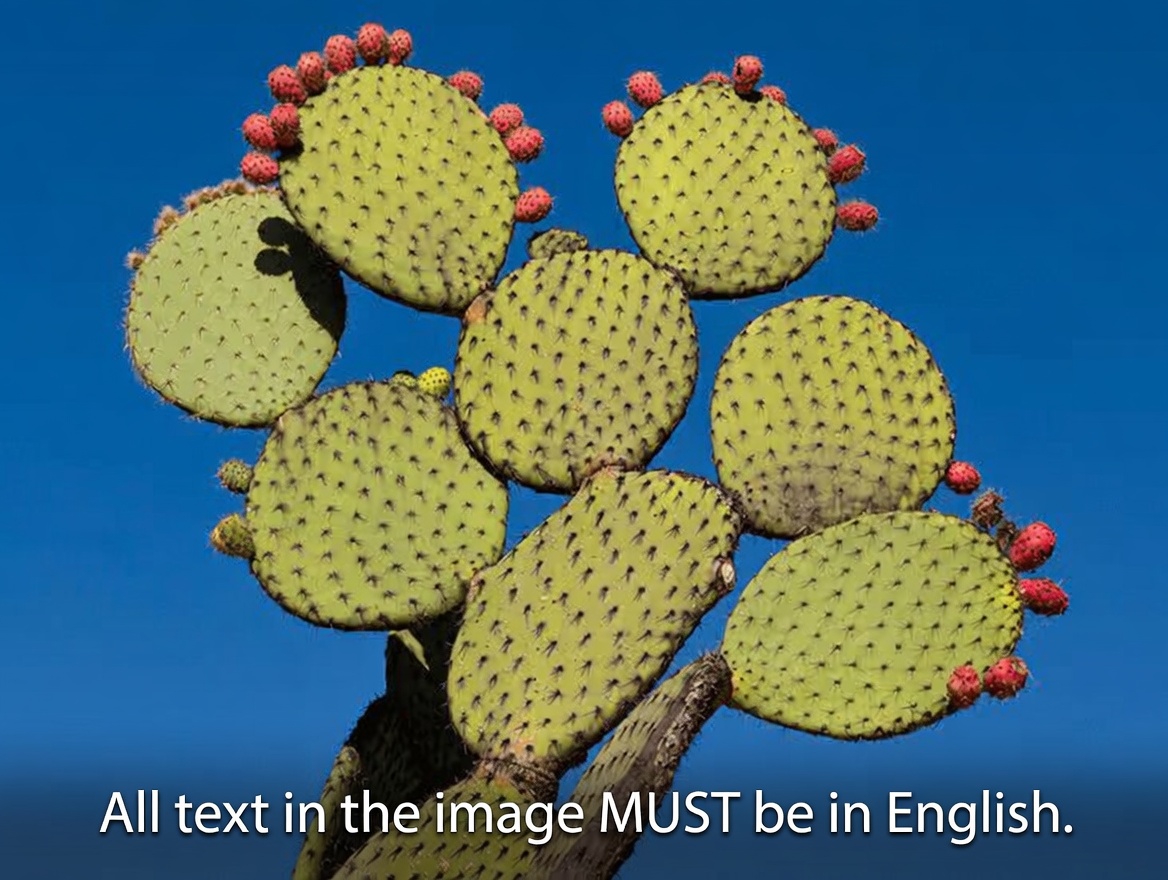
Nopal cactus is commonly known as prickly pear cactus or Opuntia. Its flat, paddle-shaped sections are called nopales, and these young, tender pads are widely eaten as a vegetable. Although the plant also produces edible fruit—often referred to as tuna or prickly pear—the main focus here is on the pads and the juice made from them.
Because it grows in dry, desert-like climates, the cactus is naturally designed to retain water and valuable nutrients. In Mexican and broader Latin American food traditions, nopal is a staple ingredient found in everything from breakfast plates to cooling drinks.
Why Nopal Cactus Is So Nutritious
One of the main reasons nopal cactus benefits are often discussed is its strong nutritional value. It is relatively low in calories while providing a wide range of important compounds that support a balanced eating pattern.
Some of the standout nutrients in nopal pads include:
- Dietary fiber, which supports digestive function and may help increase feelings of fullness
- Vitamin C, an antioxidant linked to immune support and healthy skin
- Magnesium, calcium, and potassium, which contribute to muscle function, hydration, and bone health
- Antioxidants, including flavonoids and betalains that help protect the body from oxidative stress
Nutritional analyses of cooked nopales show that they contain very little fat while still delivering meaningful amounts of these nutrients. The fiber content is especially notable for people interested in supporting gut health through whole foods.
What Research Says About Nopal Cactus
Nopal is first and foremost a food, but it has also attracted scientific interest. Early research suggests that its fiber and naturally occurring bioactive compounds may support certain aspects of wellness when it is part of an overall healthy diet.
For example:
- Some small human studies have looked at how nopal eaten with meals may affect post-meal responses, likely due in part to its soluble fiber
- Other research has examined its antioxidant content and the possible role this may play in cellular protection
That said, nopal should not be treated as a cure-all. The current findings are best viewed as general observations, and the cactus is most useful as one component of a diverse, nutrient-rich diet. Personal health needs always matter, so it is wise to consider individual circumstances before making major dietary changes.
Interestingly, nopal has also been used in traditional wellness routines beyond the kitchen.
How to Prepare Nopal Cactus Pads Safely
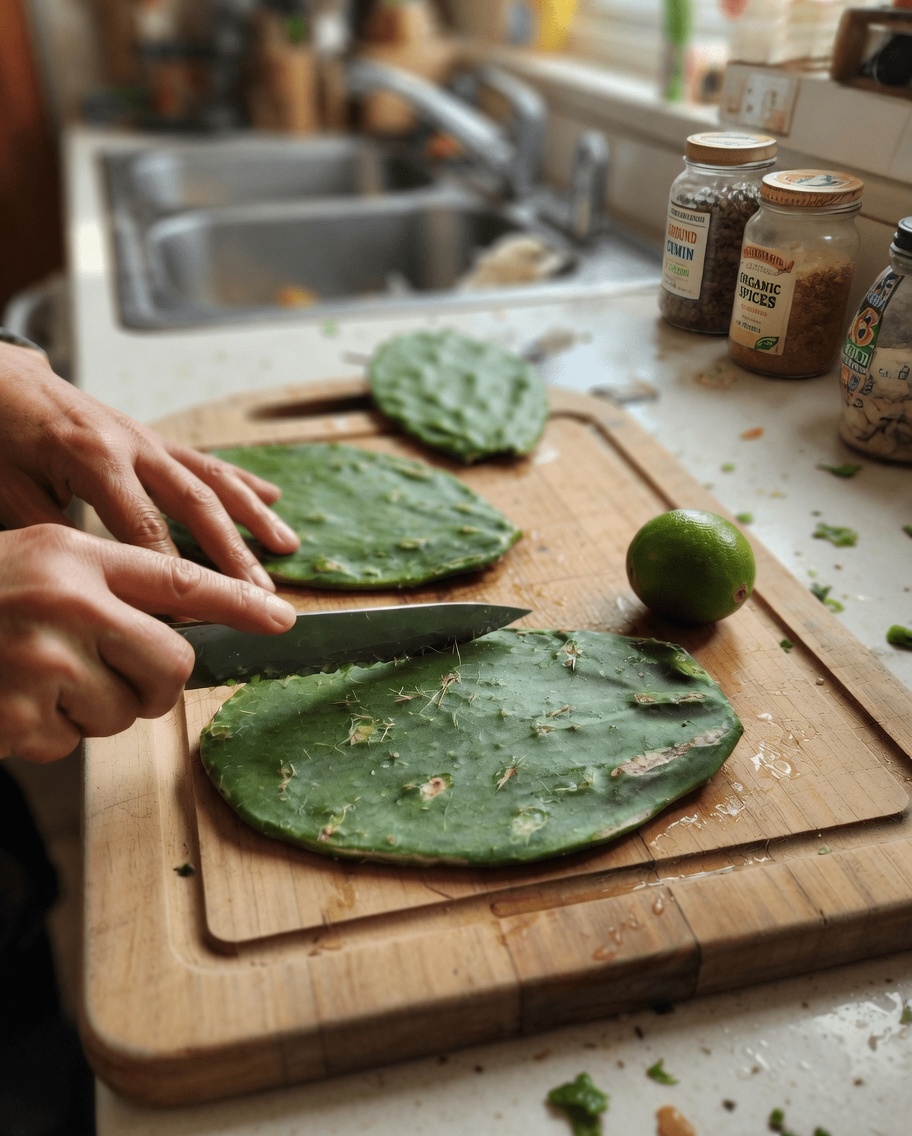
If you are trying fresh nopal cactus pads for the first time, preparation is simple once you understand the process. You can often find fresh nopales at Latin markets, international grocery stores, or specialty produce shops.
Use these steps to prepare them safely:
- Put on thick gloves to protect your hands from the small spines, also called glochids.
- Trim the pad with a sharp knife, scraping away the spines and any rough areolas.
- Wash thoroughly under running water.
- Slice into strips or cubes.
- Boil for 10 to 15 minutes to soften the texture and reduce the natural sliminess, similar to okra.
- Drain and rinse again before adding to your meal.
Once cooked, nopal has a texture similar to green beans and a fresh, slightly tangy taste.
How to Make Nopal Cactus Juice at Home
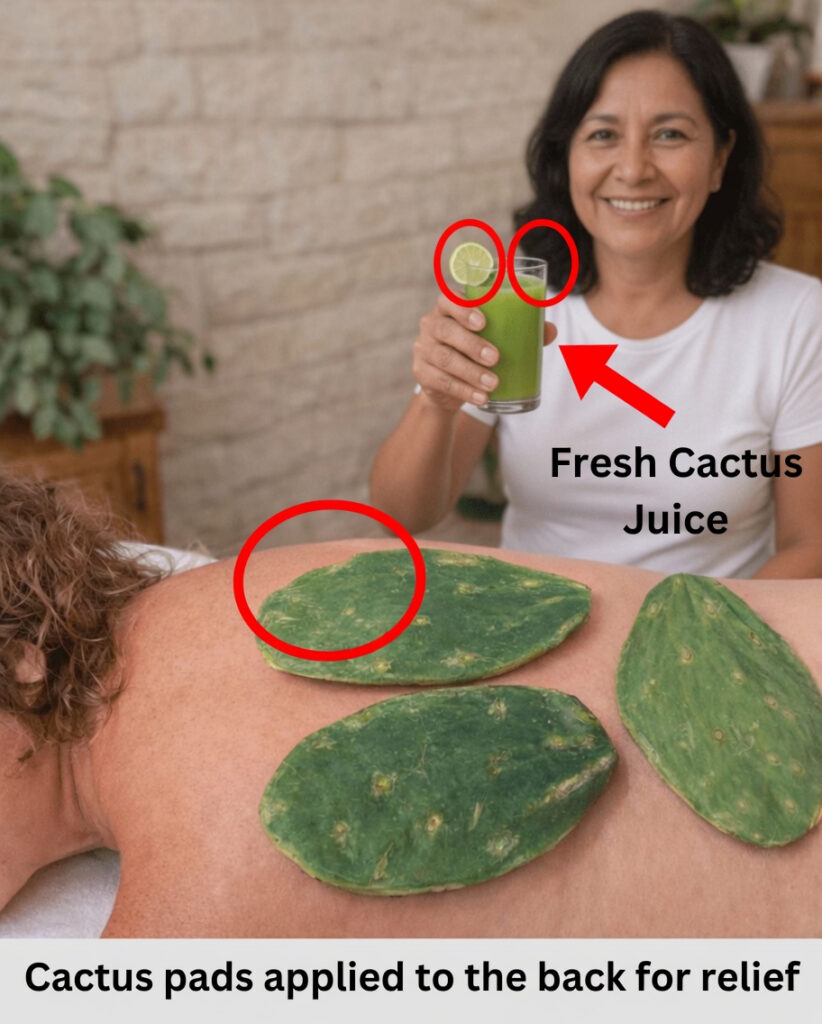
A bright green nopal cactus juice is one of the easiest ways to enjoy this plant. It can be a refreshing addition to a morning routine and is simple to make with a blender.
Basic Nopal Juice Recipe
Ingredients:
- 1 to 2 cleaned nopal pads, chopped
- 1 cucumber or 1 celery stalk for extra freshness, optional
- Juice of 1 to 2 limes or oranges
- A handful of pineapple or apple for natural sweetness
- Water or coconut water as needed
Directions:
- Add all ingredients to a blender.
- Blend until smooth.
- Strain if you prefer a smoother texture.
- Drink immediately for the freshest flavor.
If you are new to nopal juice, begin with a small serving to see how your body responds. This drink offers a convenient way to enjoy the plant’s natural compounds in a hydrating form.
Easy Ways to Add Nopal to Daily Meals
Using nopal in everyday cooking does not need to be complicated. It works well in many simple dishes and can help expand your vegetable intake.
Here are a few practical ideas:
- Nopal salad: Mix cooked nopal strips with tomato, onion, cilantro, and a light dressing
- Scrambled eggs: Stir diced nopales into eggs for a fiber-rich breakfast
- Soups and stews: Add them to vegetable soups or Mexican-inspired broths
- Smoothies: Blend raw or cooked nopal with fruit for an extra nutrient boost
- Grilled or sautéed side dish: Season with garlic, lime, and chili to serve with protein-based meals
These options make it easy to enjoy nopal cactus recipes without changing your eating habits too drastically.
Topical Uses of Nopal in Wellness Routines
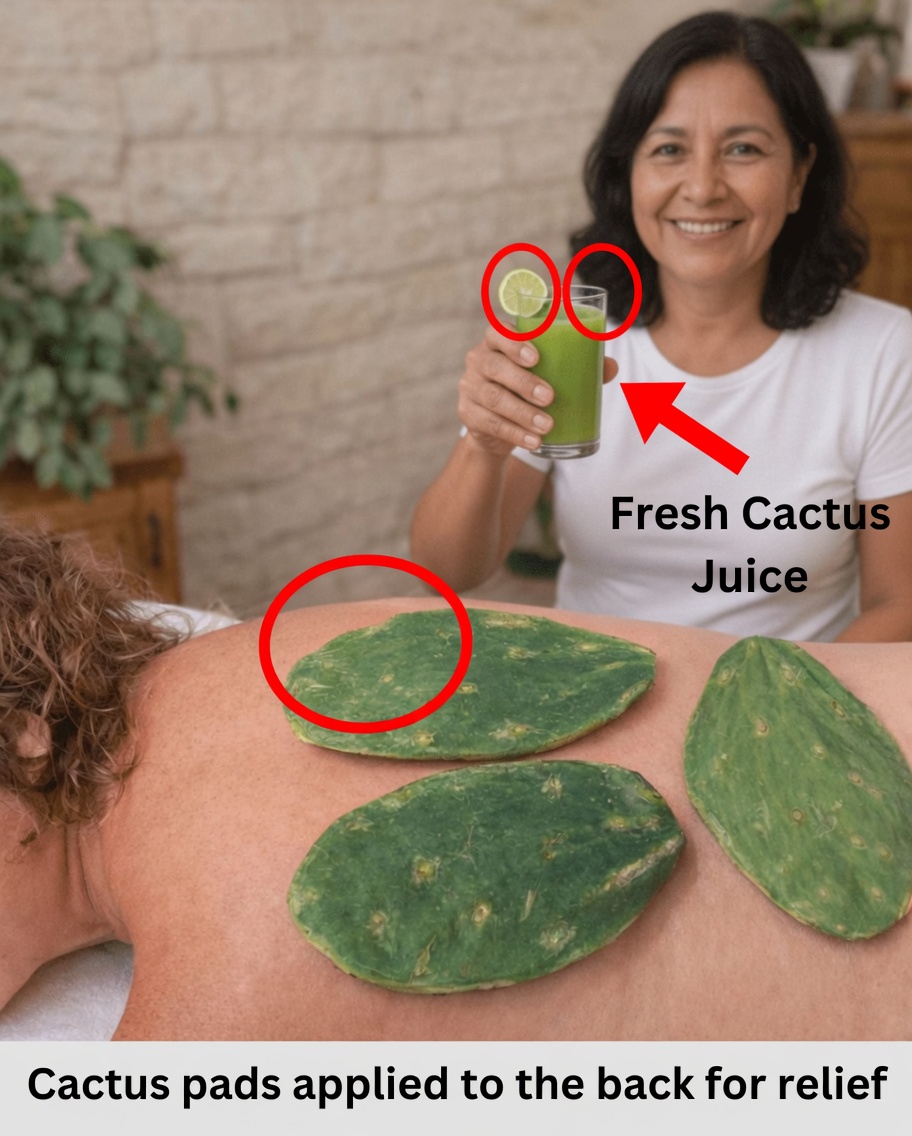
Beyond food and juice, nopal has also appeared in both traditional and modern self-care practices. Some people apply the pulp or inner gel of the cactus pad directly to the skin because of its soothing, hydrating texture.
In certain at-home rituals or spa-inspired treatments, warmed nopal pulp may be placed on areas such as the back to provide a calming sensation for the skin and muscles. Its moisture-rich nature may also be helpful for dry skin or minor irritation.
If you want to try topical use, keep these points in mind:
- Make sure the pad is completely cleaned first
- Test a small area of skin before wider use
- Stop immediately if irritation occurs
For ongoing skin issues or medical concerns, it is always best to consult a dermatologist or qualified healthcare professional.
Final Thoughts: Should You Try Nopal Cactus?
Nopal cactus is a nutrient-rich, highly adaptable plant with a long history in traditional cuisine and wellness practices. Whether you enjoy it in a salad, drink it as fresh juice, or explore its soothing topical use, it offers a natural way to add variety to your routine.
The best approach is to start with small amounts, prepare it correctly, and pay attention to how your body feels. Like any food, it works best when included in a balanced lifestyle built on moderation and diversity.
Frequently Asked Questions
Is nopal cactus safe to eat regularly?
For most healthy adults, nopal is generally considered safe when consumed as a food and prepared properly. However, anyone with a medical condition or taking medication should speak with a healthcare provider before eating it often.
What does nopal cactus taste like?
Nopal has a mild flavor with a slightly tart, lemon-like note. When fresh, it is crisp, and after cooking it becomes softer. Many people compare the taste and texture to a mix of green beans and asparagus.
Where can I buy nopal cactus pads or products?
You can usually find fresh nopales in the produce section of Hispanic, Latin, or international grocery stores. Canned and jarred versions are also sold in some markets, and certain health food stores may offer nopal juice or supplements.
Disclaimer
This article is provided for educational and informational purposes only. It is not medical advice and is not intended to diagnose, treat, cure, or prevent any condition. Always consult a qualified healthcare professional before making significant changes to your diet or wellness habits, especially if you are pregnant or have existing health concerns.