Olive Leaf and Wellness: What the Science Says (and What It Doesn’t)
Cancer continues to be one of the world’s most difficult health challenges, touching millions of lives across countries and cultures. Alongside conventional care, many people also look for natural ways to support overall wellness, which has fueled growing interest in plant-based ingredients used in traditional health practices.
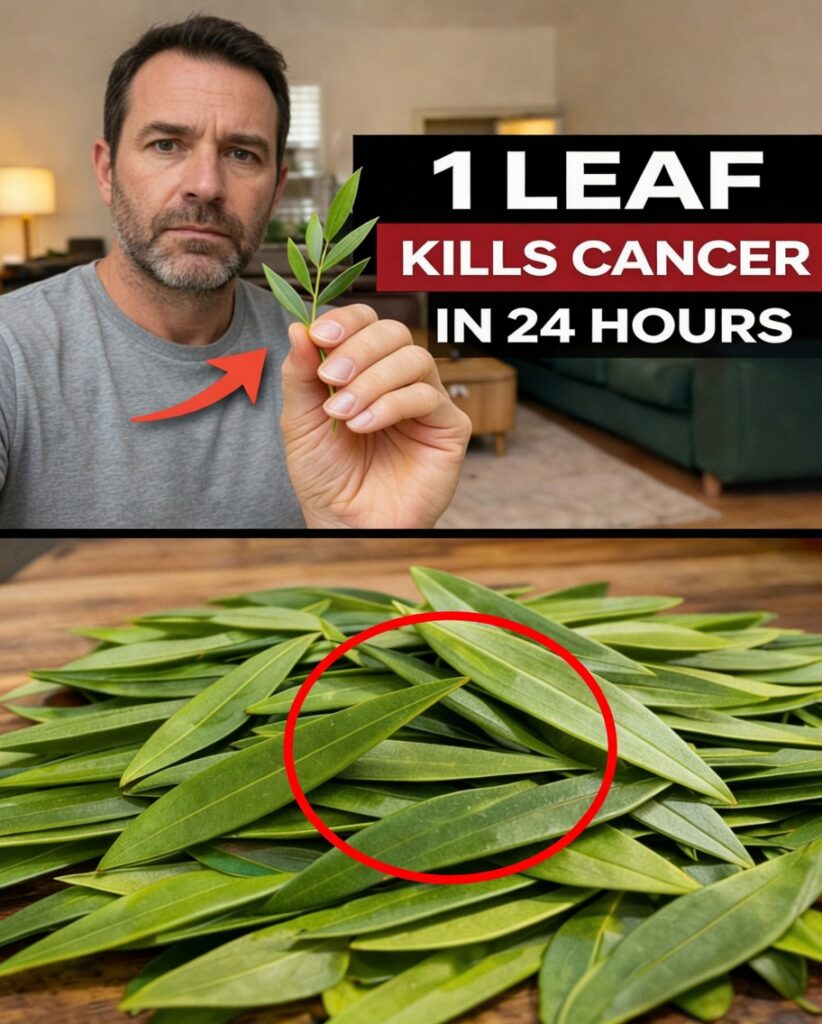
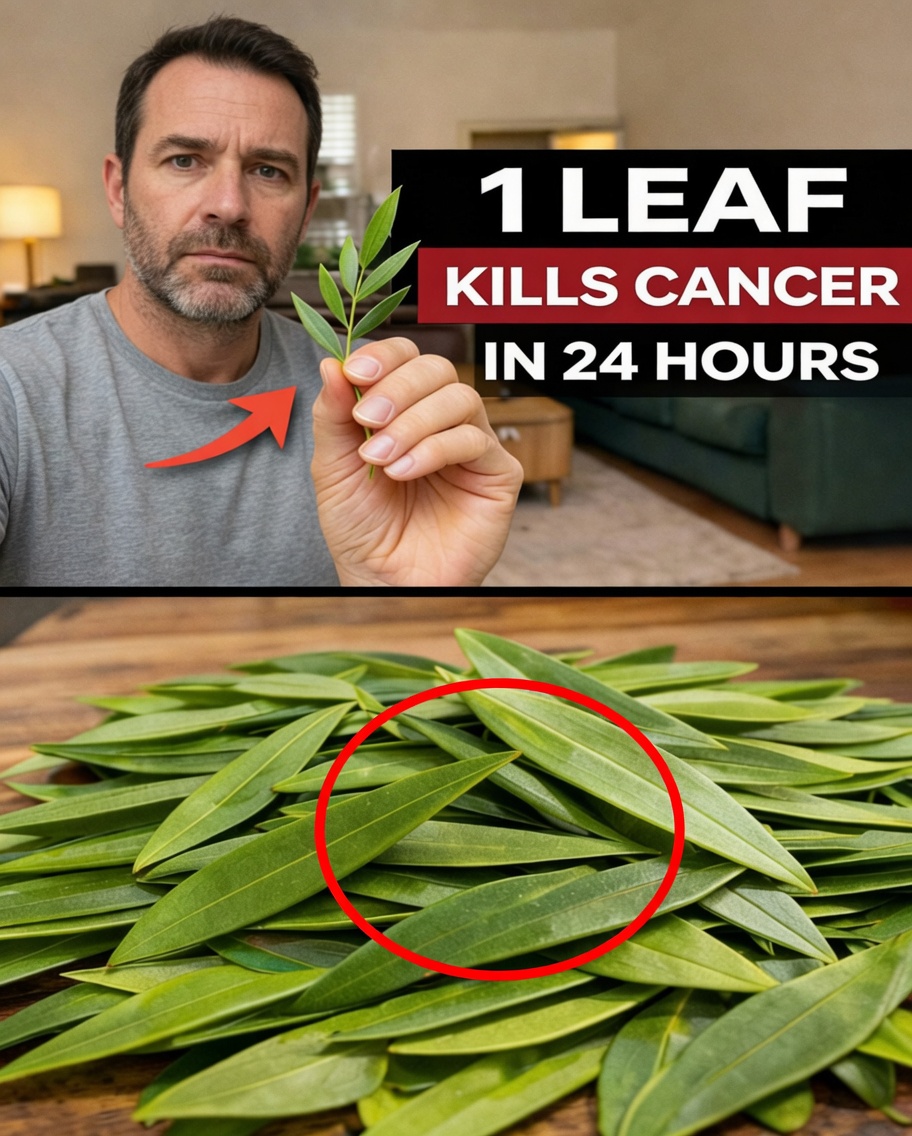
One natural option that often comes up is the olive leaf, long used in Mediterranean traditions and valued for its dense supply of protective plant compounds. While no herb, tea, or supplement can replace medical treatment, learning what olive leaf contains—and what research actually supports—can help you make safer, more informed choices. This guide explores why olive leaf extract and olive leaf tea are widely discussed, and how to approach them responsibly.
What Makes Olive Leaf Unique?
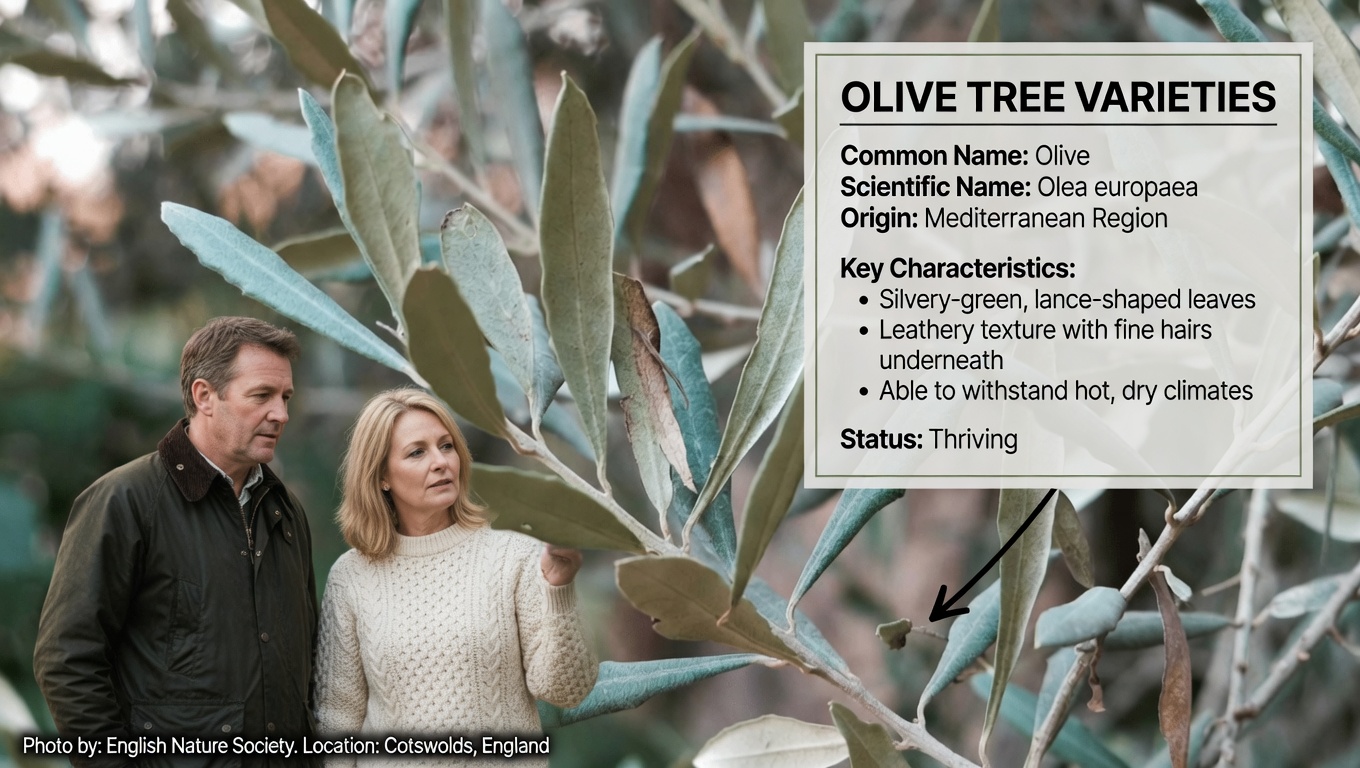
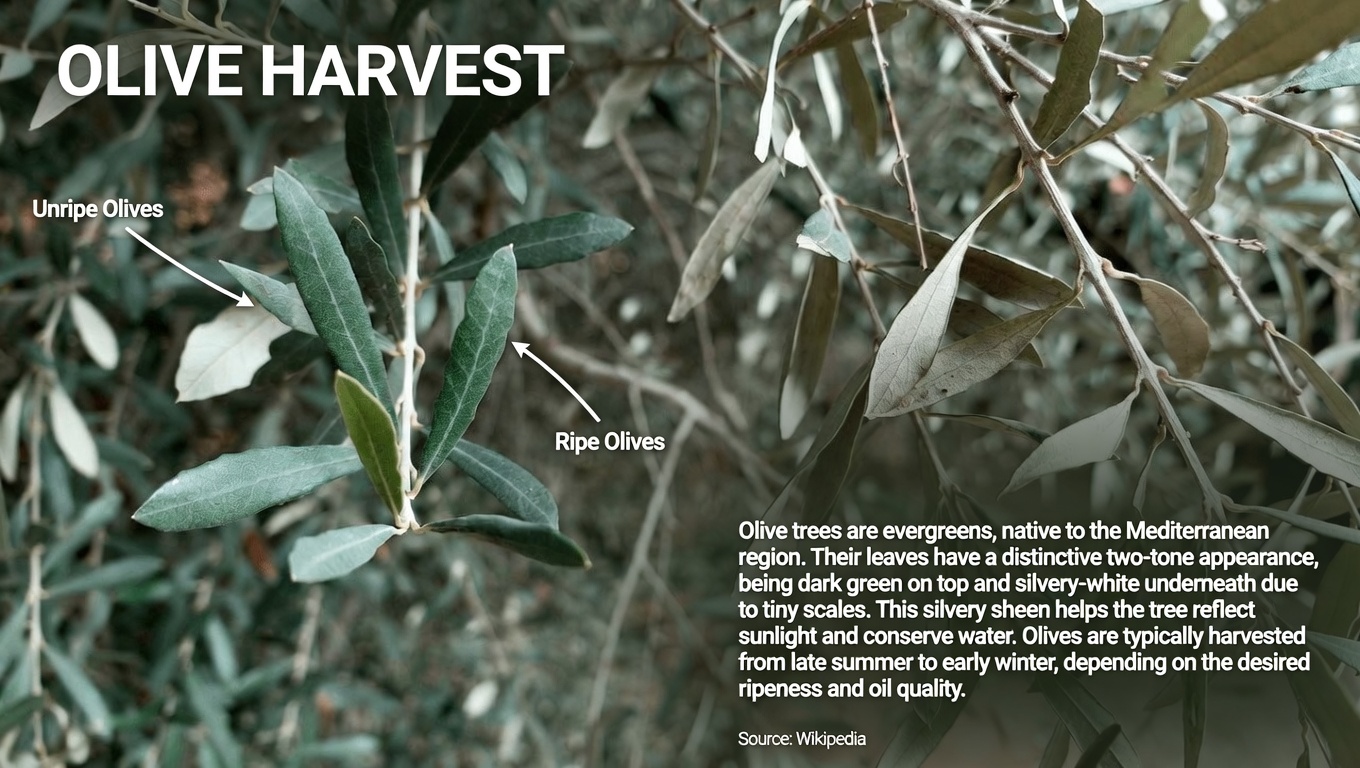
Olive leaves come from the same tree that produces olives and olive oil, both central to the Mediterranean diet—an eating pattern frequently associated with better long-term health outcomes. However, the leaf and the fruit are not identical in their nutritional profile.
Compared with olives, the leaves typically provide higher levels of certain polyphenols, particularly oleuropein. Along with other compounds such as hydroxytyrosol, these substances are strongly linked to the leaf’s antioxidant potential.
Because antioxidants help the body manage oxidative stress (a process associated with aging and many chronic health conditions), olive leaf has traditionally been used to support:
- Immune function
- Heart and circulatory wellness
- General vitality and resilience
The Science Behind Olive Leaf Compounds
Scientific interest in olive leaf extract (OLE) has grown in recent years, largely because of its bioactive polyphenols. Many findings come from laboratory and animal research, where researchers can observe how compounds interact with cells and biological pathways under controlled conditions.
In preclinical settings, oleuropein has been studied for its potential influence on cellular behavior, including mechanisms related to cell growth and regulation. Across multiple cell-model studies—including breast, ovarian, and melanoma lines—olive leaf compounds have been associated with:
- Increased antioxidant activity
- Changes in inflammatory signaling
- Effects on processes involved in cell regulation in lab environments
Reviews of olive polyphenols often emphasize two recurring themes in preclinical research: protection against free-radical damage and anti-inflammatory activity. However, it’s critical to note that these results are mainly from test-tube and animal models, and human clinical trials are still required to clarify real-world relevance, appropriate dosing, and long-term safety.
Key Olive Leaf Compounds (and Why They’re Studied)
The most discussed components of olive leaves include:
- Oleuropein: Often considered the signature polyphenol in olive leaf, widely studied for strong antioxidant activity.
- Hydroxytyrosol: A compound related to oleuropein metabolism, also researched for potential roles in cellular and oxidative support.
- Other phenolic compounds: A broad category of plant chemicals that may contribute to the overall anti-inflammatory and antioxidant profile of the leaf.
These compounds may help explain why olive-based foods are frequently associated with wellness patterns—though it’s equally important to remember that olive oil, vegetables, legumes, fish, and overall dietary structure are major contributors to Mediterranean diet benefits.
Traditional Uses and Modern Interest
For generations, olive leaves have been used in Mediterranean folk practice—often prepared as olive leaf tea or included in home remedies intended to support:
- Digestion
- Blood pressure balance
- Immune resilience
Today, modern interest has expanded as public awareness of plant antioxidants has increased. Some natural-wellness voices have promoted olive leaf as part of broader holistic routines. While these discussions can spark curiosity, strong claims should be approached carefully: many dramatic stories are anecdotal, or based on overinterpretations of early-stage research. Health authorities and medical institutions consistently advise caution around unproven treatments.
Potential Supportive Benefits Beyond Cancer-Related Research
Outside of cancer-related discussions, olive leaf has been studied for broader wellness applications, some of which have more direct human evidence than oncology-related claims. Research suggests olive leaf extract may support:
- Cardiovascular health: Some human studies indicate olive leaf extract can help maintain healthy blood pressure and support lipid balance.
- Immune and inflammation balance: Polyphenols may help support the body’s natural immune responses and inflammatory pathways.
- Antioxidant defense: By helping neutralize free radicals, olive leaf may contribute to overall wellness support.
These potential benefits fit within the wider body of evidence favoring polyphenol-rich diets and plant-forward eating patterns.
How to Use Olive Leaf Safely: Practical Options
If you want to explore olive leaf for general wellness, consider a cautious, structured approach:
-
Choose reliable products
- Look for standardized olive leaf extract that clearly lists oleuropein content.
- Buy from reputable brands with transparent quality practices.
-
Start with olive leaf tea
- A simple approach is dried olive leaf tea.
- Basic method: steep 1–2 teaspoons of dried leaves in hot water for 5–10 minutes, then strain.
-
Be careful with supplements
- Some products suggest ranges like 500–1000 mg per day of extract, but label quality varies widely.
- Check for purity and avoid products making disease-treatment promises.
-
Introduce it gradually
- Start with small amounts and pay attention to how you feel.
-
Keep the big picture in mind
- Olive leaf is best viewed as an optional add-on to foundational habits like a balanced diet, movement, sleep, and stress management.
Important: Speak with a healthcare professional before using olive leaf extract if you:
- Take medications (especially for blood pressure or blood sugar)
- Have chronic health conditions
- Are pregnant or breastfeeding
Olive leaf may interact with certain treatments, particularly those affecting blood pressure or glucose control.
What Research Still Needs to Prove
Despite encouraging preclinical results, olive leaf is not a proven prevention or treatment for serious diseases such as cancer. Major medical organizations (including institutions like Memorial Sloan Kettering Cancer Center) note that olive leaf extract has not demonstrated cancer prevention or treatment effects in human studies.
In other words, laboratory findings—such as influences on cell growth patterns or programmed cell processes—are not the same as proof of benefit in people. The current gap underscores a key principle: natural products may complement professional care, but they should never replace it.
Conclusion
Olive leaf is a compelling example of how traditional plant use and modern research sometimes intersect. Thanks to its concentration of polyphenols like oleuropein, it remains a popular topic for those seeking antioxidant support and general wellness strategies.
If you decide to try olive leaf tea or a standardized extract, take a conservative approach: choose quality, start small, and stay anchored to evidence and safety. Wellness decisions are most helpful when they are informed, realistic, and coordinated with qualified medical guidance.
FAQ
What is the main active compound in olive leaves?
The most prominent polyphenol is oleuropein, which is strongly linked to olive leaf’s antioxidant properties and is frequently studied in research.
Is olive leaf safe to use every day?
For many people, moderate use (such as tea or properly labeled standardized supplements) appears generally well tolerated. However, you should consult a clinician first—especially if you have medical conditions or take prescription medications.
Can olive leaf replace medical treatment?
No. Olive leaf may support general wellness, but it is not a substitute for medical care, prescribed therapies, or professional medical advice.
Disclaimer
This article is for informational purposes only and does not provide medical advice. Olive leaf and olive leaf extract are not proven to prevent, treat, or cure any disease, including cancer. Always consult a qualified healthcare professional before changing your health routine or starting supplements. Results vary by individual, and much of the research discussed remains preliminary.