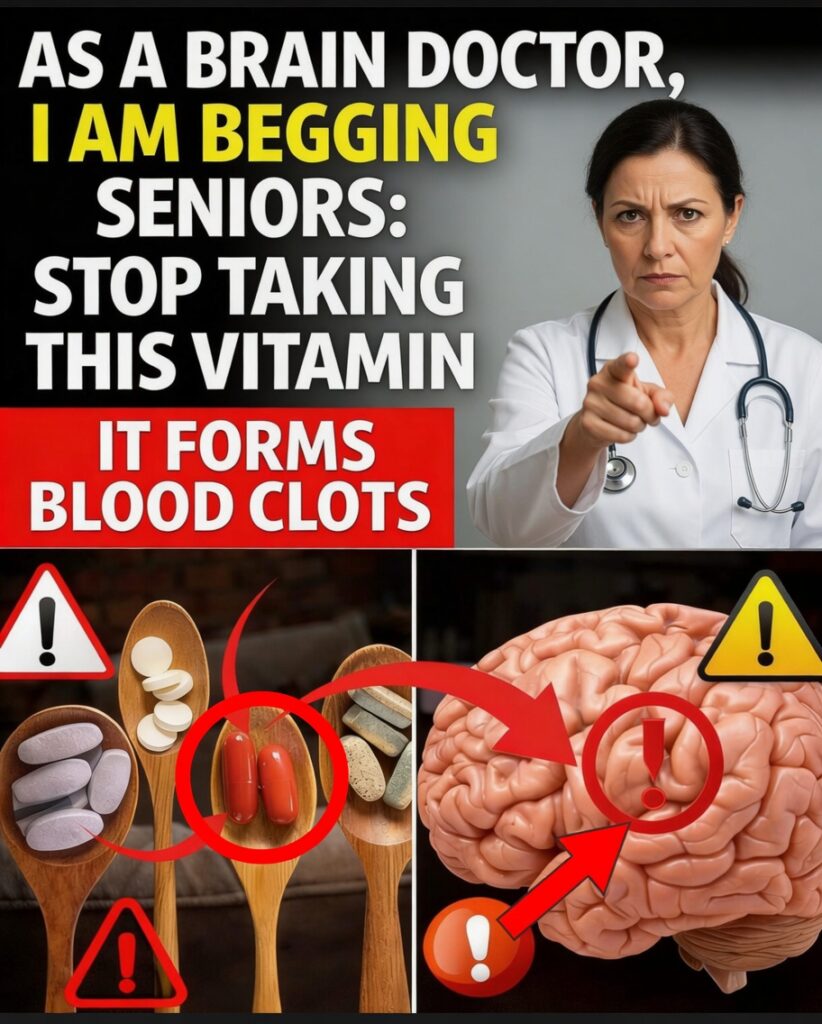
Many older adults choose vitamin E supplements to support general wellness—often for antioxidant support or to help maintain healthy-looking skin. Newer evidence, however, points to a less-discussed issue: high-dose vitamin E may influence blood clotting, which can matter for people managing cardiovascular conditions or taking medications that affect bleeding. The key takeaway is nuanced: vitamin E from food typically provides steady, gentle benefits, while supplements—especially at higher doses—can act differently in the body. A small change in your routine may be all it takes to stay on the safer side.
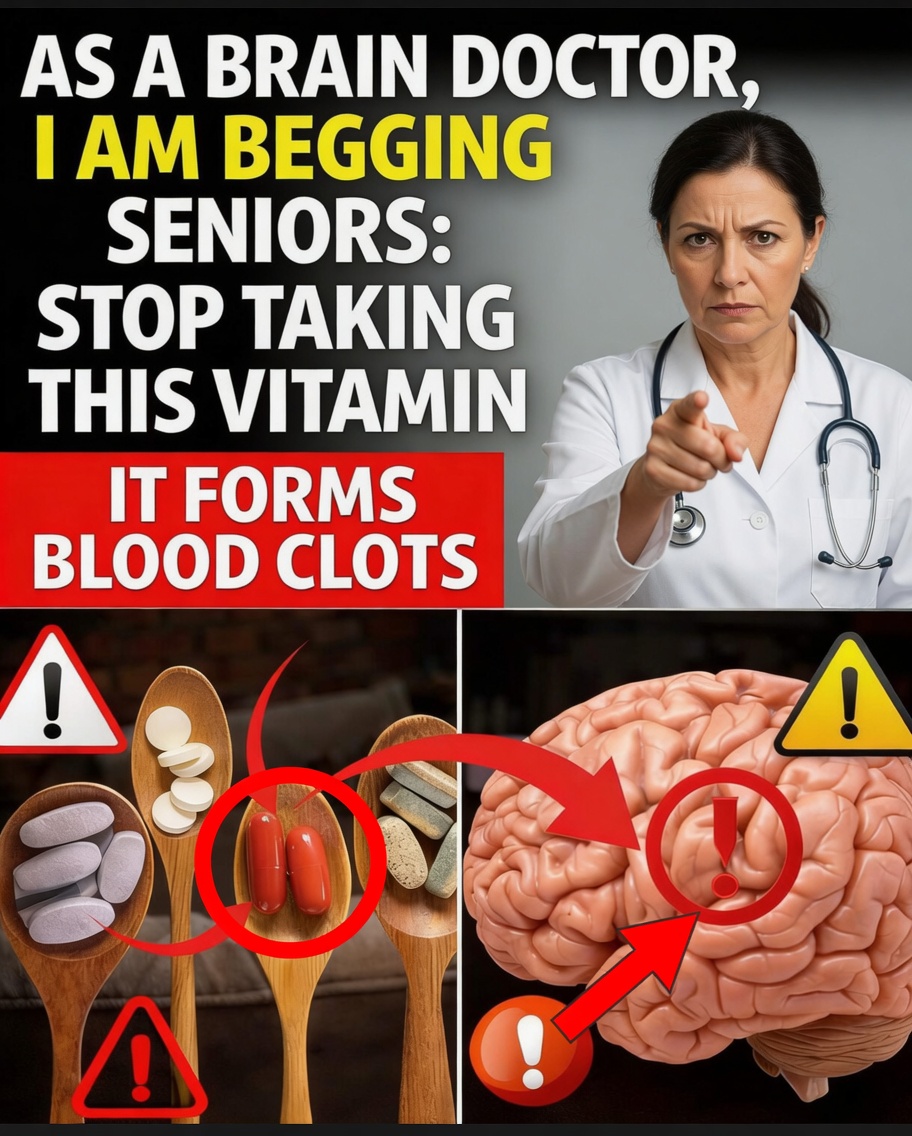
Vitamin E Explained: What It Is and Why People Take It
Vitamin E is a fat-soluble nutrient best known for helping protect cells from oxidative damage. You can get it naturally from foods like nuts, seeds, and leafy greens, and you can also find it in supplement form (often synthetic or mixed forms).
Many seniors reach for larger supplement doses—commonly 400 IU or more—assuming that if some is good, more must be better. But guidance and summaries from reputable sources (including NIH materials) suggest that while modest intake can be supportive, higher amounts may affect the circulatory system in ways worth paying attention to.
In real life, this may show up in small but meaningful ways—like how quickly you bruise after a bump or how long a small cut takes to stop bleeding after a day of gardening or a round of golf.
High-Dose Vitamin E and Stroke: What Research Is Raising Questions About
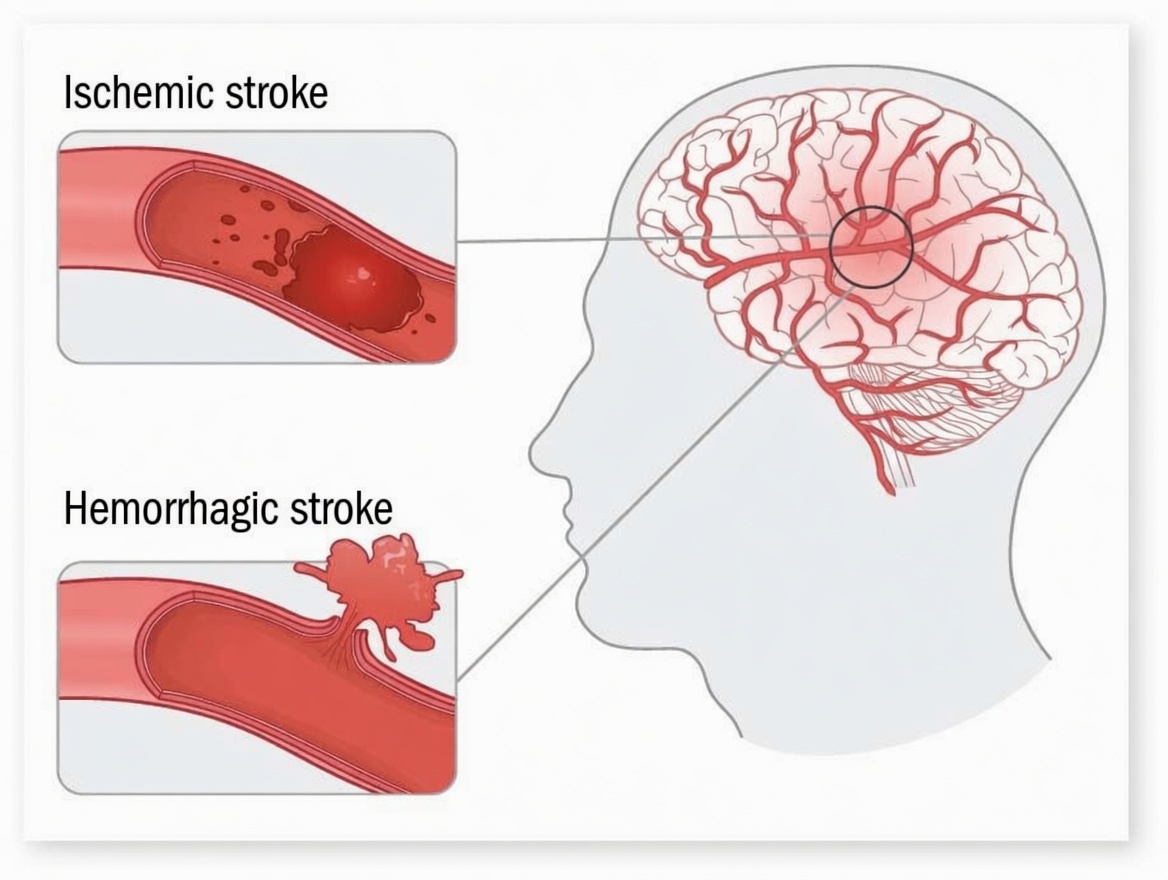
Not all strokes are the same. The two major categories are:
- Ischemic stroke (caused by a clot blocking blood flow)
- Hemorrhagic stroke (caused by bleeding in or around the brain)
Several large reviews and meta-analyses (including those discussed in medical journals such as Stroke) report that high-dose vitamin E supplementation may slightly increase the likelihood of hemorrhagic events in some people.
Why this matters even more for older adults: if you already take blood-thinning medications such as aspirin or warfarin, adding high-dose vitamin E may intensify blood-thinning effects. Some findings suggest these changes can occur relatively quickly after taking a supplement.
By contrast, dietary vitamin E doesn’t usually create the same concerns because it is absorbed more gradually and comes packaged with other nutrients that help keep intake balanced.
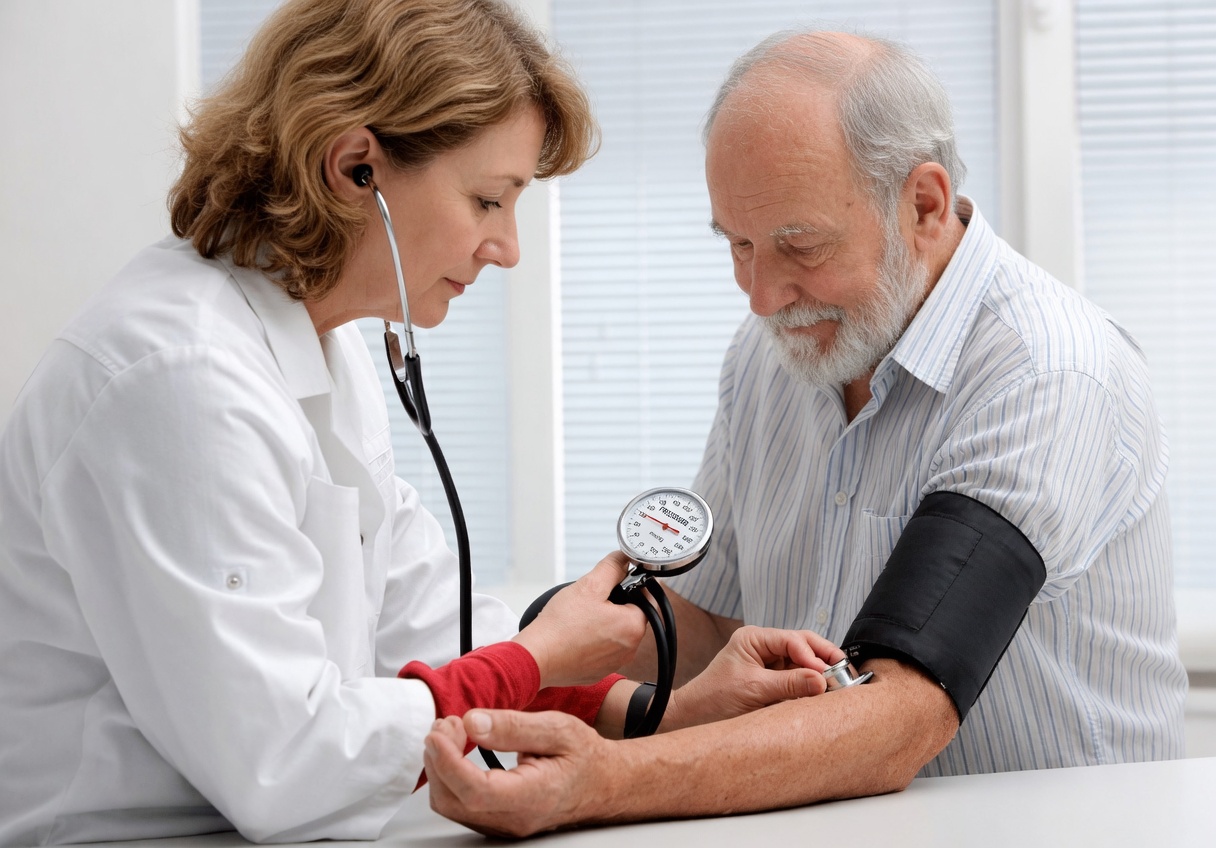
How Vitamin E Can Influence Blood Clotting
Vitamin E plays a role in supporting healthy circulation, but the form and dose can change the outcome.
- From foods, vitamin E tends to support overall vessel health without pushing the system too far.
- From supplements, especially at high doses, blood levels may rise more quickly, which can affect how platelets behave.
Platelets are the blood components responsible for helping form clots. Evidence suggests high-dose vitamin E may reduce platelet “stickiness,” meaning clotting may become less efficient, especially for individuals with other risk factors.
Some cardiovascular research discussions (including perspectives associated with the American Heart Association) highlight that doses above ~400 IU may be more likely to shift the clotting balance—potentially more noticeable during long resting periods, such as overnight.
Vitamin E From Food vs. Supplements: A Practical Comparison
Here’s an easy way to understand the difference between food-based vitamin E and supplemental forms:
| Aspect | Food Sources | Low-Dose Supplements (Up to 200 IU) | High-Dose Supplements (400+ IU) |
|---|---|---|---|
| Impact on clotting | Typically minimal | Usually mild | Can increase blood-thinning potential |
| Stroke type potentially affected | None known | Generally neutral | Hemorrhagic risk may rise in some |
| Absorption | Slower, meal-dependent | Predictable | Faster increase in blood levels |
| Overall research trend | Often supportive | Mixed/neutral | Mixed, with bleeding concerns |
| Typical target intake | ~15 mg/day (≈22 IU) | Sometimes used short-term | Avoid long-term without clinician guidance |
These comparisons align with general consumer-facing guidance often echoed by organizations such as Mayo Clinic: moderation matters, and more is not automatically safer.
9 Possible Effects of High-Dose Vitamin E in Older Adults
Individual responses vary, but research and clinical observations suggest that higher-dose vitamin E may be associated with the following concerns—especially in seniors or those on interacting medications:
- Easier bruising after minor bumps
- Longer bleeding time from small cuts
- Stronger medication interactions (especially with anticoagulants or antiplatelet drugs)
- Headaches or lightheadedness in some individuals
- Fatigue that may build gradually
- Occasional vision changes (rare, but important to check)
- Greater fall risk if dizziness or unsteadiness occurs
- Added strain on fragile blood vessels in vulnerable individuals
- Potentially higher hemorrhagic stroke risk noted in some analyses
Not everyone will experience these outcomes. Still, knowing what to watch for helps you respond early rather than dismiss subtle signs.
Real-World Lessons: Why “More” Isn’t Always Better
Stories shared in health communities often reflect the same theme: high doses can be fine for some people, but problematic for others.
- A 68-year-old took 800 IU daily hoping for skin benefits, then experienced a sudden headache that led to a medical review and a decision to switch to food-based sources (like almonds) for peace of mind.
- A 72-year-old combined vitamin E supplements with prescribed medications and later had symptoms that prompted dose and routine adjustments—now he checks potential interactions more carefully.
While anecdotes aren’t the same as clinical trials, they mirror what case reports and reviews suggest: personal factors (medications, conditions, age, baseline diet) can change the risk profile.
The Safer Strategy: Smarter Ways to Get Vitamin E
For most people, food-first vitamin E is the most reliable and conservative approach.
Great dietary sources include:
- Almonds
- Sunflower seeds
- Spinach and other leafy greens
- Avocados
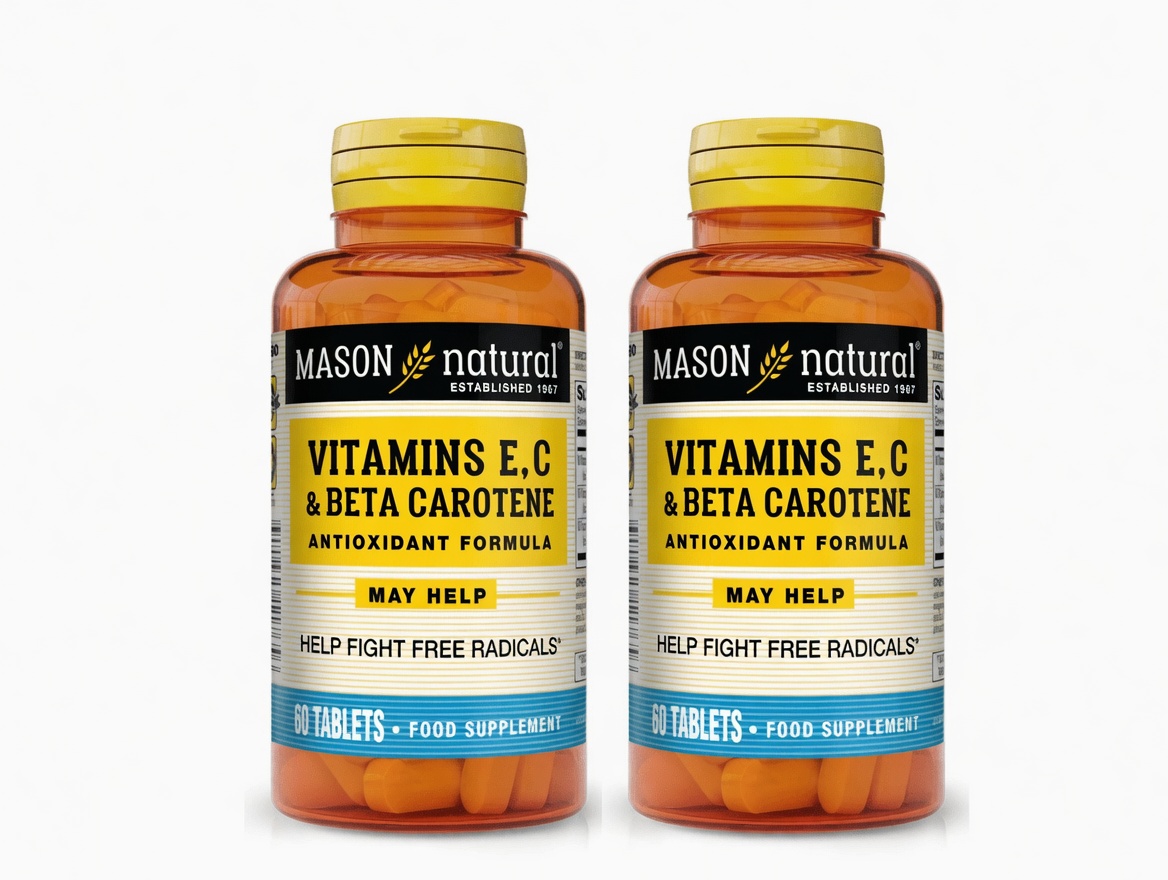
If you do use supplements, many clinicians recommend staying at 200 IU or less unless there’s a clear reason and professional supervision. In some situations, a clinician may also suggest checking nutrient status through testing, especially if you have complex medical conditions or take multiple medications.
A simple routine upgrade: take vitamin E as part of a varied, balanced diet—fat-soluble nutrients are generally absorbed best with meals that contain healthy fats.
Action Steps: How to Use Vitamin E More Safely
Use this checklist to make practical changes without guesswork:
- Review what you take now: Check supplement labels and write down the IU amount.
- Prioritize food sources: Add a small handful of almonds or sunflower seeds to snacks.
- Verify medication interactions: Ask a pharmacist or clinician about interactions with aspirin, warfarin, or other blood thinners.
- Track possible signs: For one week, note unusual bruising, bleeding, headaches, or fatigue.
- Get personalized guidance: Discuss your dose with your doctor; ask whether testing is appropriate.
- Add variety: Try spinach in salads, or avocado on toast, for easy daily intake.
- Reassess regularly: Recheck your routine every few months, especially after medication changes.
- Use trusted sources: Stick to reputable health organizations for supplement updates and research summaries.
Summary: Protect the Benefits, Reduce the Risk
Vitamin E can support health—especially when it comes from a nutrient-rich diet. But high-dose vitamin E supplements may alter clotting and could increase hemorrhagic stroke risk in some older adults, particularly when combined with blood-thinning medications. A food-first approach and conservative supplement use (when needed) helps you keep the advantages while lowering avoidable risks.
Frequently Asked Questions (FAQ)
What foods are highest in vitamin E?
Common top choices include almonds, sunflower seeds, spinach, and avocados. These can help you reach typical daily needs (often cited around 15 mg/day, roughly 22 IU).
Do I need to stop vitamin E supplements completely?
Not necessarily. Lower doses may be appropriate for some people, but it’s especially important to consult your clinician if you take blood thinners or have cardiovascular risks.
How do I know if I’m getting too much vitamin E?
Possible signs include easy bruising or bleeding that lasts longer than usual. The most accurate way to confirm excessive levels is to discuss symptoms and consider testing with your healthcare provider.
Medical Disclaimer
This article is for informational purposes only and does not replace professional medical advice. Please consult a qualified healthcare provider for recommendations tailored to your health status and medications.