
Many men begin to notice gradual but frustrating changes as they get older: more nighttime trips to the bathroom, a constant sense of pressure or discomfort, and disruptions that chip away at sleep, focus, and daily comfort. These issues can feel minor at first, but over time they may affect energy levels and overall well-being. In many cases, everyday food choices may influence how the prostate feels and functions more than most people expect.
What often catches people off guard is this: research has highlighted eight commonly eaten foods that may not be ideal for prostate health when consumed too often. The encouraging part is that once you know what to watch, making simple substitutions becomes much easier.
Why Diet Plays a Role in Prostate Health
For men over 50 in particular, prostate health becomes an increasingly important part of overall wellness. The foods you eat can affect inflammation, hormone activity, and how comfortable your body feels from day to day. Over time, these effects can add up. Research suggests that certain eating habits may influence prostate function and urinary comfort.
The good news is that improvement does not require a drastic lifestyle overhaul. A few steady, realistic changes can make a meaningful difference and help you feel more in control.
This is not about cutting out every favorite food. It is about choosing more wisely, more often. Below is a practical look at eight foods that may be worth reducing, along with easy alternatives you can start using right away.
8 Foods to Limit for Better Prostate Health
These foods appear frequently in conversations about inflammation, urinary symptoms, and long-term prostate wellness. Here is why they matter and what to choose instead.
1. Processed Meats
Bacon, sausage, hot dogs, and deli slices are convenient and flavorful, but they are often loaded with sodium, preservatives, and nitrates. Studies have associated frequent consumption of processed meats with higher levels of inflammation, which may affect prostate comfort over time.
It is not only the meat itself that matters. Preservation methods and high-temperature cooking can also produce compounds that put extra stress on the body.
Better choices:
- Try turkey or chicken sausage instead of pork sausage
- Use fresh grilled chicken or fish in sandwiches
- Choose nitrate-free products when you want an occasional treat
2. Red Meat
Beef, pork, and lamb are popular protein sources, but eating large amounts regularly has been linked in population studies to increased oxidative stress. Saturated fat and heme iron may contribute to inflammation and affect how the body responds over time.
Preparation also matters. Cooking red meat at very high heat, especially on the grill, can create additional compounds that are best kept to a minimum.
Simple strategy:
- Keep portions smaller
- Pair red meat with a generous serving of vegetables
- Rotate in fish, beans, or poultry during the week

3. Full-Fat Dairy Products
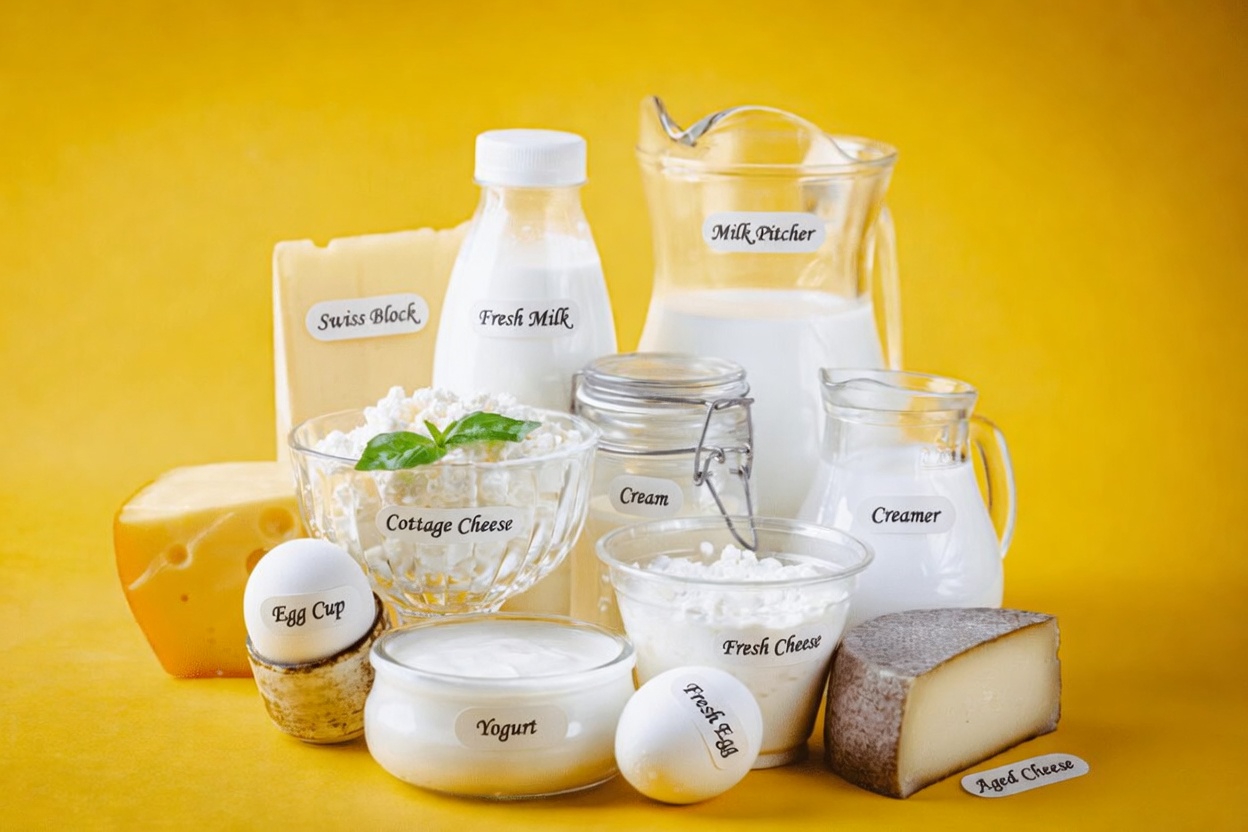
Whole milk, cheese, cream-based dairy, and full-fat yogurt are common in many diets. Some research suggests that high-fat dairy intake may affect hormone-related processes connected to prostate tissue. Large amounts of calcium from dairy have also attracted attention in observational studies.
Although the evidence is not absolute, many men find that reducing high-fat dairy helps them feel more comfortable.
Smarter swaps:
- Switch to lower-fat milk or plant-based options such as almond or oat milk
- Choose low-fat Greek yogurt
- Use cheese as a topping or accent instead of a main ingredient
4. Fried Foods
French fries, fried chicken, and other deep-fried favorites may be hard to resist, but frying often involves oils and high temperatures that produce trans fats and advanced glycation end-products, also known as AGEs. These compounds have been linked to inflammation throughout the body, which may make prostate-related discomfort more noticeable.
For most men, the issue is regular intake rather than an occasional indulgence.
Try this instead:
- Bake or air-fry foods instead of deep-frying them
- Add herbs and spices for flavor without excess oil
- Save restaurant fried foods for rare occasions
5. Sugary Drinks and Desserts
Soft drinks, sweetened coffee beverages, pastries, candy, and packaged desserts can quickly raise blood sugar. Diets high in added sugar are consistently associated with inflammation and increased body fat, both of which may indirectly affect prostate wellness.
Reducing sugar does not mean giving up enjoyable flavors.
Healthier options:
- Drink sparkling water with a splash of fruit juice
- Choose unsweetened tea or plain coffee
- Satisfy dessert cravings with berries or a small piece of dark chocolate
6. Alcohol
Beer, wine, and spirits may feel relaxing, but regular or heavy alcohol use can irritate the urinary tract and may influence hormone balance. Even moderate alcohol intake has been studied for its possible long-term impact on prostate tissue.
Many men notice less urinary irritation when they reduce alcohol, especially in the evening.
A practical limit:
- Aim for one drink only a few times per week
- Choose alcohol-free alternatives in social settings
- Avoid drinking close to bedtime if nighttime urination is a problem
7. Caffeinated Beverages
Coffee, energy drinks, and caffeinated sodas can increase alertness, but they may also stimulate the bladder. For men dealing with benign prostatic hyperplasia, or BPH, caffeine is often considered a potential trigger for urgency and urinary frequency.
That does not mean you need to stop completely.
Gentle ways to reduce caffeine:
- Mix regular coffee with decaf
- Try green tea for a lighter option with antioxidants
- Spread caffeine intake throughout the day instead of having it all at once
8. Spicy Foods
Meals packed with chili peppers, hot sauce, or intense heat can sometimes irritate the urinary tract. In men who are already sensitive, spicy foods may temporarily worsen urgency, burning, or discomfort.
The good news is that bold flavor does not have to depend on intense heat.
Ways to keep the flavor:
- Use garlic, ginger, and mild herbs instead of extra chili
- Ask for mild versions when eating out
- Increase spice gradually if you enjoy it but notice symptoms
5 Practical Steps You Can Start Today
You do not need a strict diet plan to support prostate health. These realistic habits can help right away.
- Review your grocery list: Look for the eight foods above and replace at least one item each shopping trip
- Fill half your plate with vegetables: This naturally leaves less room for processed, fried, or high-fat foods
- Track meals and symptoms: A simple three-day log can reveal connections between what you eat and how you feel
- Cook at home more often: Even adding two home-cooked dinners each week can significantly reduce processed foods
- Choose better hydration: Drink plain water between meals to support urinary health without added sugar or irritants
Small Changes Can Make a Big Difference
One of the best things about focusing on these eight foods is that progress does not require perfection. Even moderate reductions can add up quickly. With more mindful eating, many men report better energy, improved sleep, and fewer interruptions at night within a matter of weeks.
Final Thoughts: Simple Food Swaps, Real Support
Taking care of your prostate does not have to be complicated. In fact, your daily meals are one of the easiest places to begin. By cutting back on these common foods and replacing them with smarter alternatives, you can support your body in a practical and sustainable way. Start with one or two changes this week and build from there.
Frequently Asked Questions
Can I still eat these foods occasionally?
Yes. Having them once in a while is unlikely to undo your progress. What matters most is how often they show up in your diet. Think of them as occasional foods rather than daily staples.
What foods are generally considered helpful for prostate health?
A prostate-friendly diet usually includes colorful vegetables, fatty fish such as salmon, nuts, seeds, legumes, whole grains, and plenty of water. Tomatoes, leafy greens, berries, and foods rich in healthy fats are often included in supportive eating patterns.
Do I need to avoid all eight foods completely?
Not necessarily. For most people, reducing frequency and portion size is a more realistic and sustainable approach than total elimination.
How soon might I notice a difference?
Some men feel changes in comfort, energy, or nighttime bathroom trips within a few weeks. Results vary, but consistency matters more than speed.
Should I talk to a doctor about prostate symptoms?
Absolutely. Dietary improvements can help support prostate health, but persistent urinary symptoms, pain, or major changes should always be discussed with a healthcare professional.