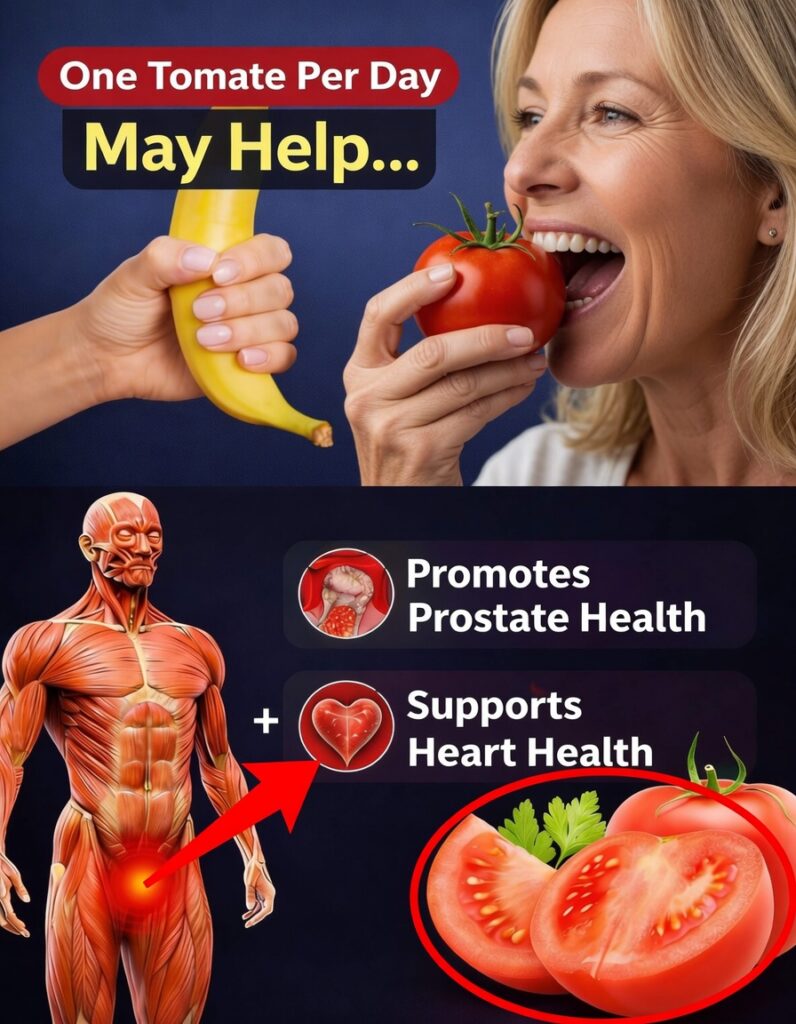
Men today often balance long workdays, training schedules, and constant pressure to perform—factors that can gradually affect cardiovascular fitness, reproductive health, and day-to-day energy. Over time, these concerns may influence confidence, relationships, and overall well-being, especially as stress builds and age progresses. The good news: smart, nutrient-dense food choices can help support key areas of men’s health. Below are four research-supported reasons tomatoes may be worth adding to your routine—and stay to the end for a surprising post-workout angle.
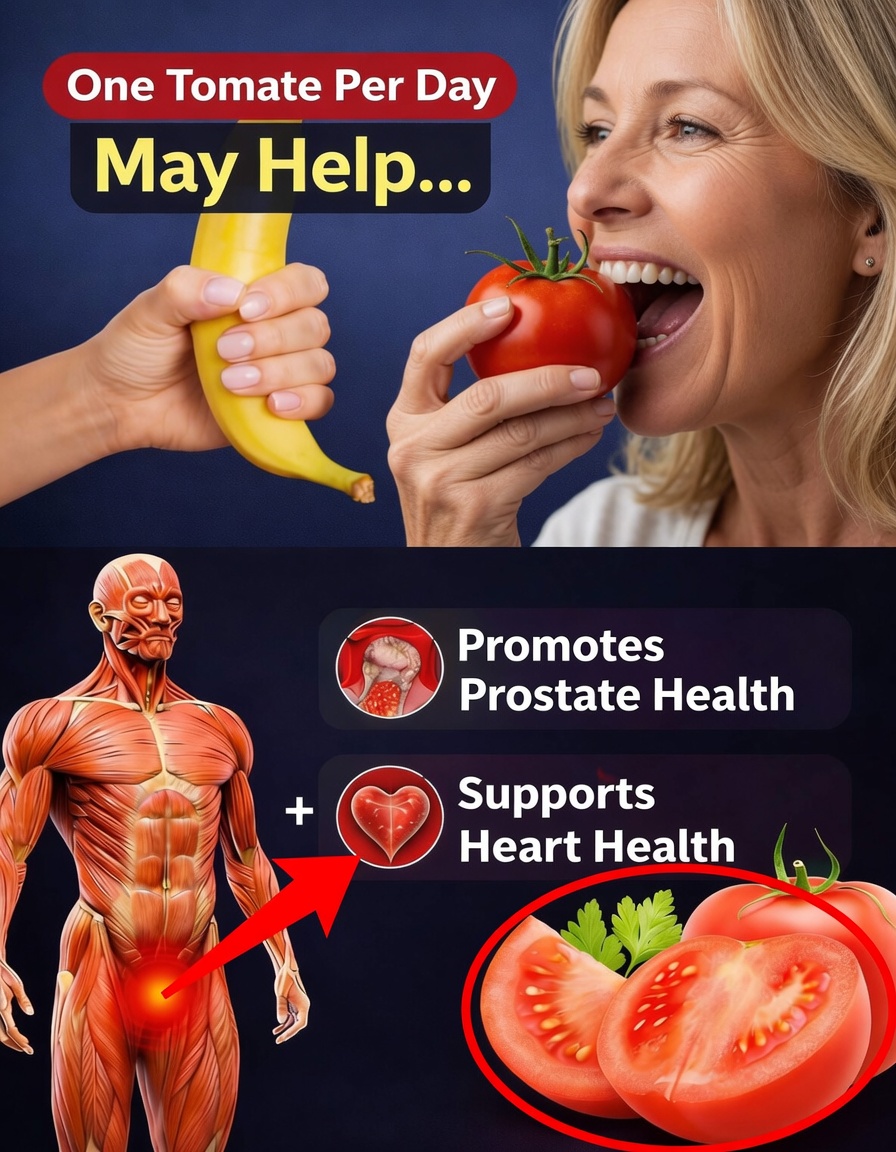
1. Tomatoes May Help Support Prostate Health
Tomatoes are one of the best dietary sources of lycopene, the antioxidant pigment responsible for their red color. Multiple studies suggest that regularly eating lycopene-rich foods may be associated with better prostate wellness.
Research observations have found that men who consume more tomatoes or lycopene tend to show lower rates of prostate-related concerns. In a large review, frequent intake of tomato products was linked with an estimated 30–40% lower risk in certain prostate outcomes.
There’s more: a study in middle-aged men reported that higher lycopene levels were associated with more favorable prostate markers. One likely explanation is that lycopene helps counter oxidative stress, which can influence prostate tissue over time.
Important takeaway: lycopene becomes more bioavailable after cooking, meaning your body can absorb it more efficiently from tomato sauce, soups, and stews than from raw tomatoes alone.
Quick lycopene guide: common tomato options
- Fresh tomatoes: roughly 3 mg lycopene per medium tomato
- Tomato sauce: higher concentration due to processing and cooking
- Tomato paste: one of the most concentrated, easy-to-use options
A simple habit: stir a spoonful of tomato paste into soups, grains, or lean-meat dishes.
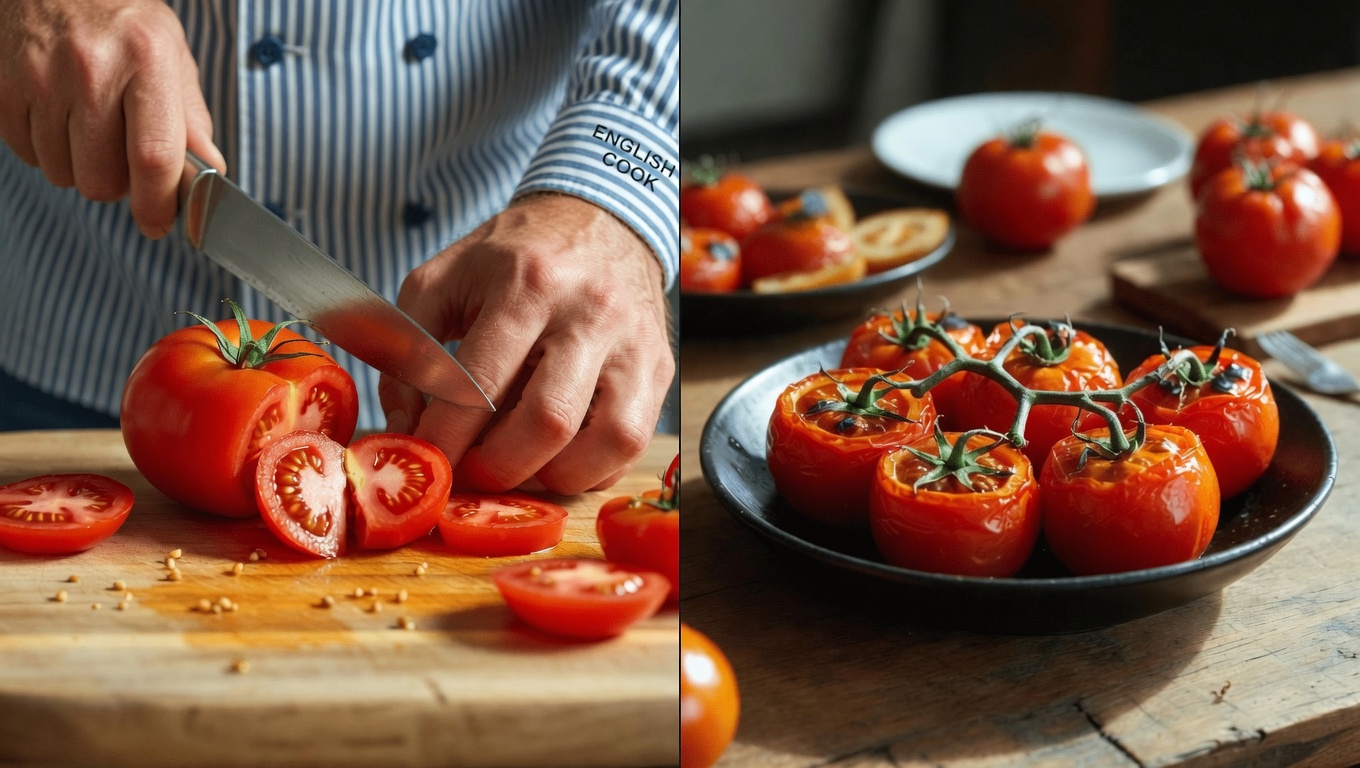
2. Tomatoes Could Contribute to Heart Health Maintenance
For many men, heart health is a major priority—and tomatoes bring several nutrients that may support cardiovascular function, especially potassium and lycopene.
- Potassium helps maintain healthy blood pressure by balancing sodium levels.
- Lycopene may support cardiovascular wellness through antioxidant and anti-inflammatory effects.
Scientific reviews have linked tomato-rich dietary patterns with lower cardiovascular risk markers, including improved LDL cholesterol and healthier blood pressure readings in some populations.
One notable finding: in certain participants, eating tomatoes regularly—approximately the equivalent of one large tomato per day—was associated with a 36% lower likelihood of developing high blood pressure. A proposed reason is that lycopene may help reduce inflammation that contributes to arterial plaque buildup.
Practical tip: pair tomatoes with healthy fats (like olive oil). This can improve absorption of fat-soluble compounds such as lycopene—making a tomato salad with olive oil or a tomato-based stir-fry a smart choice.
Nutrient snapshot (per 100g)
- Tomato: Potassium 237 mg | Lycopene 2.57 mg | Vitamin C 13.7 mg
- Carrot: Potassium 320 mg | Lycopene 0 mg | Vitamin C 5.9 mg
- Broccoli: Potassium 316 mg | Lycopene 0 mg | Vitamin C 89.2 mg
Tomatoes stand out because they’re a uniquely strong food source of lycopene, a key compound tied to heart-related research.
3. Tomatoes Might Support Fertility and Hormonal Balance
For men thinking about family planning—or simply aiming to protect vitality—tomatoes provide a useful nutrient package: lycopene, vitamin C, and small amounts of zinc, all of which may play roles in reproductive wellness.
Human research has linked lycopene intake or supplementation to improvements in sperm parameters such as:
- Sperm count
- Motility (movement)
- Concentration
A meta-analysis reported positive shifts in sperm concentration following regular lycopene intake. In studies involving men with fertility challenges, tomato-based supplementation has been associated with substantial increases in motility, with some reports noting improvements as high as 70% in specific settings.
Tomatoes also contribute:
- Zinc, a mineral involved in testosterone production and hormone regulation
- Vitamin C, an antioxidant that may help protect sperm cells from oxidative damage
Nutrients in tomatoes that may support male reproductive health
- Lycopene: linked with improved sperm motility
- Zinc: supports testosterone synthesis and reproductive function
- Vitamin C: helps reduce oxidative stress affecting reproductive cells
If you prefer something simple, tomatoes can be added to smoothies (paired with other fruits/vegetables) or used as a base for fresh juices.

4. Tomatoes May Promote Muscle Recovery and Steadier Energy
Training, sports, and physically demanding routines can strain muscles and drain electrolytes. Tomatoes contain potassium, along with smaller amounts of magnesium and vitamin B6, which may help support recovery and reduce fatigue.
Research has shown that tomato juice may improve post-exercise recovery by lowering certain inflammation markers. In one study, athletes who drank tomato juice recovered faster than those using some standard sports/energy drinks.
A particularly interesting detail: tomato powder (a whole-food form) appeared more effective than isolated lycopene alone in easing exercise-related muscle damage in trained athletes. This suggests tomatoes may work best as a “package deal,” where multiple compounds contribute to recovery support.
Because tomatoes also supply electrolytes, they can help replenish what’s lost through sweat—supporting endurance and maintaining performance throughout the day.
Easy ways to use tomatoes for recovery
- Blend tomatoes into a post-workout smoothie alongside protein (and a little healthy fat for absorption)
- Drink tomato juice with herbs/spices for a savory hydration option
- Add roasted tomatoes to meals for a concentrated, nutrient-rich side
How to Eat More Tomatoes Every Day (Without Getting Bored)
Building a tomato habit is simple—start with consistency, then add variety.
- Begin with one serving per day (sliced tomatoes in a breakfast sandwich works well).
- Rotate between raw, cooked, and juiced forms to keep flavors interesting.
- Use tomato paste as a “nutrient shortcut” in soups, stews, and sauces.
Simple tomato salad (step-by-step)
- Chop two fresh tomatoes.
- Add olive oil, salt, and herbs.
- Toss and let sit for 10 minutes to deepen flavor.
- Eat as a snack, side dish, or light meal addition.
Conclusion
Tomatoes can be a practical, affordable upgrade to a man’s diet. Research links their key nutrients—especially lycopene and potassium—with potential benefits for prostate support, cardiovascular maintenance, fertility markers, and workout recovery. Start small, stay consistent, and experiment with both raw and cooked tomato options to get the most from them.
FAQ
What’s the best way to eat tomatoes for maximum benefit?
Cooked tomatoes (soups, sauces, stews) tend to improve lycopene absorption, while raw tomatoes better preserve vitamin C. Using both is a strong approach.
How many tomatoes should men eat per day?
Many studies reference benefits associated with roughly one large tomato daily (or an equivalent amount in sauce/paste). Individual needs vary, so tailor intake to your overall diet and health goals.
Can eating too many tomatoes cause side effects?
Most people tolerate tomatoes well. However, high intake may worsen acid reflux for some individuals. Balance tomatoes with a diverse mix of fruits and vegetables.
Disclaimer: This content is for informational purposes only and does not replace medical advice. Speak with a qualified healthcare professional before making significant dietary changes, especially if you have existing health conditions.