10 Smart Vaseline Uses for Dry, Rough Skin That Help Fine Lines Look Less Noticeable
Dry, textured skin can make fine lines appear more prominent, and that can become increasingly frustrating over time. Expensive skincare products do not always deliver the comfort or smoothness they promise, leaving many people disappointed with what they see in the mirror. Yet one simple, low-cost product that has been a household staple for years can help improve skin softness and hydration when it is used correctly.
The biggest secret is not just petroleum jelly itself, but the way you apply it. Below are 10 commonly overlooked Vaseline tricks, plus one important final tip that helps bring your whole routine together for better everyday results.
Why Petroleum Jelly Helps Skin Hold Moisture
Dermatologists, including experts associated with the American Academy of Dermatology, often recommend petroleum jelly as one of the most effective occlusive ingredients. It does not hydrate the skin by adding water. Instead, it forms a protective seal that helps prevent existing moisture from escaping. That moisture may come from your skincare products, freshly washed skin, or humidity in the environment.
Research published in 2017 also suggested that petroleum jelly can support the skin barrier by influencing peptides on the skin surface, all without relying on harsh or irritating ingredients.
This is important because well-moisturized skin tends to look smoother, softer, and more supple. When dryness makes lines stand out, strengthening the skin barrier can gradually improve how skin feels and appears. Another benefit is that petroleum jelly is affordable, gentle, and widely tolerated by many skin types.
Still, many people use it the wrong way. They apply too much, skip essential prep steps, or fail to adjust the method to their skin’s needs.
The 10 Vaseline Tricks Most People Use Incorrectly
Here is a step-by-step guide to using Vaseline more effectively. These techniques are simple, practical, and easy to try right away.
1. Overnight Slugging: The Method Most People Misuse
A common mistake is applying Vaseline directly onto clean but completely dry skin and expecting dramatic results. That approach misses the point.
For better overnight hydration:
- Wash your face with a gentle cleanser.
- Pat skin so it stays slightly damp.
- Apply your usual serum or moisturizer.
- Finish with a very thin layer of Vaseline.
This method, often called slugging, helps trap moisture and seal in the products underneath. If your skin is not prone to acne, using this technique 3 to 4 nights per week may leave your skin feeling softer by morning.
2. Under-Eye Moisture Without a Greasy Finish
The skin around the eyes is extremely delicate and often shows dryness first. Many people avoid using Vaseline there because they worry it will feel too heavy.
Instead, use a tiny amount:
- Apply it after your nighttime skincare routine
- Use about a rice-grain-sized amount
- Pat it gently along the orbital bone
- Avoid the inner eye area and lash line
When applied lightly over slightly damp skin, it can help reduce that dry, tight feeling overnight.
3. A Lip Repair Method That Lasts Longer
Chapped lips can make the whole face look tired and dehydrated. One major mistake is applying balm again and again on lips that were never properly prepped.
To improve results:
- Gently exfoliate lips once a week
- Apply Vaseline while lips are still slightly damp from water or lip balm
- At night, use a thicker layer if desired
This helps lock in hydration so lips look smoother and feel softer by morning.
4. A Better Hand and Cuticle Softening Routine
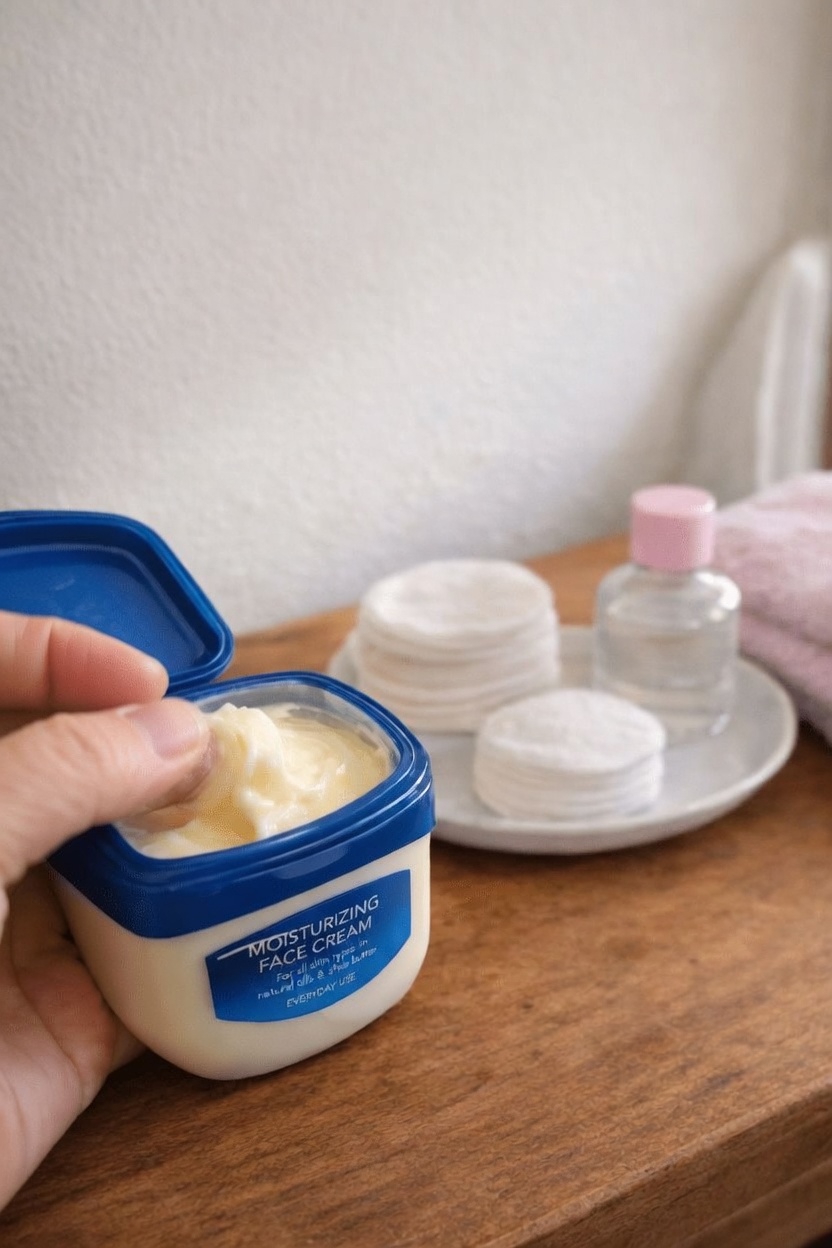
Dry hands and rough cuticles can make skin look older than it is. Many people apply petroleum jelly and then wash their hands too soon, which limits its benefits.
Try this method instead:
- Wash your hands.
- Leave the skin slightly damp.
- Massage in a pea-sized amount of Vaseline.
- Wear cotton gloves for 20 minutes or overnight.
This allows the product to work more effectively and helps maintain softness into the next day.
Common Vaseline Mistakes vs. Better Habits
-
Wrong: Applying only to dry skin
Better: Apply to damp skin to help trap moisture -
Wrong: Using thick layers everywhere
Better: Use a thin coating only where needed -
Wrong: Treating it like a moisturizer
Better: Use it to seal in hydration from other products
5. Overnight Heel Treatment for Rough, Cracked Feet
Cracked heels are uncomfortable and often difficult to improve without consistency. One detail many people skip is softening the skin first.
For smoother heels:
- Soak your feet in warm water for about 5 minutes.
- Gently pat them dry, leaving a little moisture behind.
- Massage Vaseline generously onto the heels.
- Put on clean socks and leave them on overnight.
Doing this about three times a week can noticeably improve roughness.
6. A Gentle Way to Remove Eye Makeup
Makeup wipes can be rough on the eye area and may contribute to unnecessary tugging. Petroleum jelly can help break down stubborn eye makeup, including waterproof mascara.
Here is how to do it safely:
- Put a small amount on a clean cotton pad
- Hold it over closed eyes for around 10 seconds
- Wipe gently outward
- Follow with your regular cleanser
This can be a gentler option for sensitive skin around the eyes.
7. Brow Smoothing and Conditioning
Thin, dry, or unruly eyebrows can affect the overall look of the face. Yet many people never think to condition them.
At night:
- Warm a tiny amount of Vaseline between your fingers
- Smooth it through clean brows
This can help soften eyebrow hairs and keep them looking neater.
8. A Protective Barrier for Wind-Chapped or Sensitive Skin
Cold weather, dry air, and time spent outdoors can leave skin irritated and uncomfortable. Many people wait until redness or stinging appears before doing anything.
A better strategy is prevention.
Before heading outside, apply a light layer of Vaseline to areas that are easily affected, such as:
- Cheeks
- Nose
- Lips
This creates a shield against harsh conditions while still feeling manageable when used sparingly.
9. Locking In Moisture Right After Cleansing
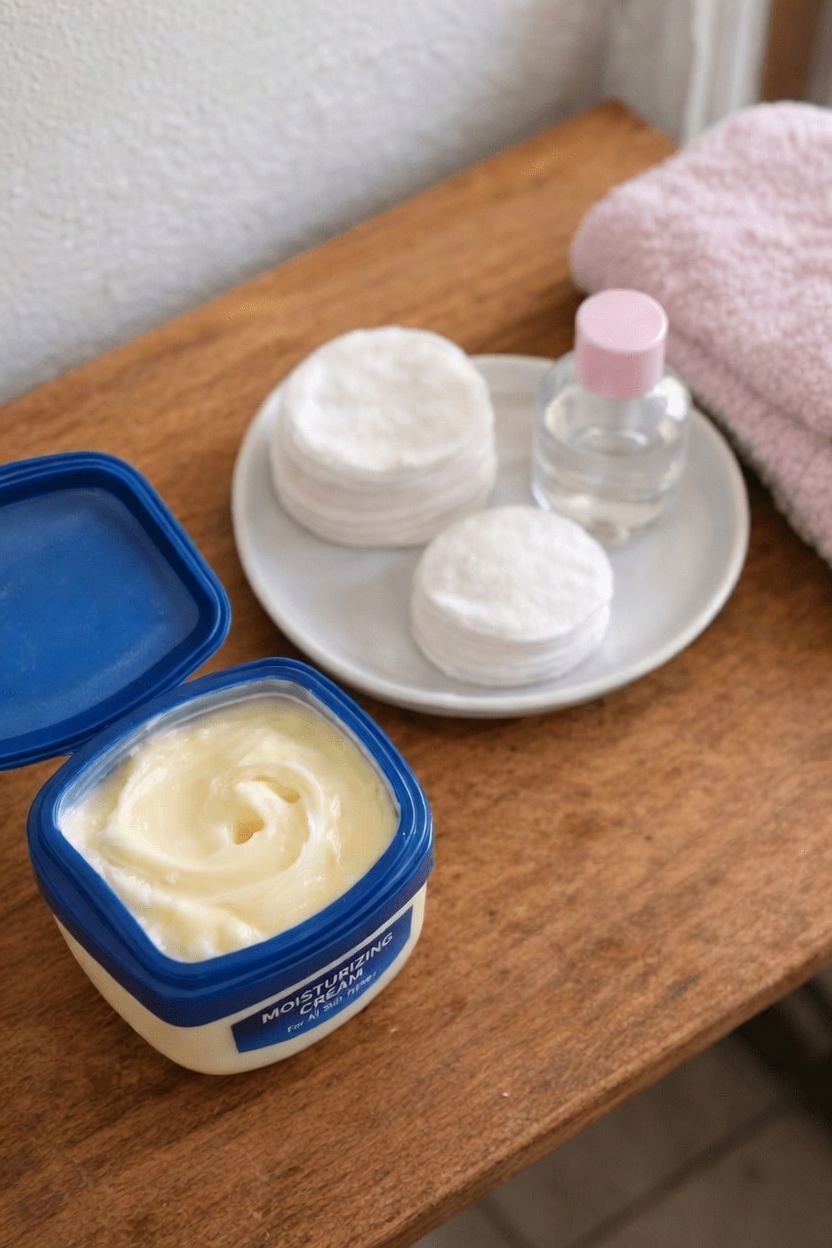
After washing the face, skin often feels tight, and dryness can make lines appear sharper. One of the simplest fixes is to seal in moisture immediately.
Try this post-cleansing approach:
- Rinse your face.
- Leave skin slightly damp.
- Apply a lightweight moisturizer.
- Add Vaseline only to dry patches.
This helps reduce flaky, tight skin and supports a more comfortable, hydrated feel.
10. The Layering Trick That Makes the Biggest Difference
This is the step many longtime users never fully understand: Vaseline works best as a finishing layer, not as a complete skincare routine by itself.
Use this order:
- Cleanse
- Apply active treatments or serums
- Use a light moisturizer if needed
- Finish with Vaseline on dry areas
This layering approach, sometimes called the sandwich method, helps keep moisture in place rather than letting it evaporate overnight. If you do this consistently for a week, your skin may start to feel much more comfortable and balanced.
Pro Tips for Better Results
- Always begin with clean hands to avoid transferring bacteria
- Choose the original unscented Vaseline if your skin is sensitive
- Patch test first if your skin reacts easily
- If you are acne-prone, use caution and speak with a dermatologist before applying it to the face
- Keep the product in a cool, dry place
These methods are not instant miracles. They are small, effective habits that can support the skin barrier over time and improve dryness with regular use.
Final Takeaway: Small Adjustments Can Make a Big Difference
Adding just a few of these Vaseline techniques to your routine may help your skin feel softer and look more hydrated without requiring expensive products or a complicated regimen. The real difference usually comes from applying the right amount, on the right areas, at the right time.
You do not always need luxury skincare or trendy routines. Sometimes a basic classic, used properly, can deliver the daily comfort and smoother-looking skin you have been wanting.
FAQ
Is it safe to use Vaseline on the face every day?
For many people with dry, non-acne-prone skin, yes. The American Academy of Dermatology recognizes petroleum jelly as a helpful option for sealing in moisture, especially when applied in a thin layer after cleansing.
How quickly can I expect smoother-looking skin?
Some people notice softer, more comfortable skin within a few days. More visible improvement in hydration often develops over 1 to 2 weeks as the skin barrier becomes stronger.
Can Vaseline clog pores or cause breakouts?
It is considered non-comedogenic for many people, but those with oily or acne-prone skin should be more careful. If you are concerned about breakouts, limit use to the body or ask a dermatologist before applying it to the face.
Disclaimer
This article is for informational purposes only and should not be considered medical advice. Results may vary depending on skin type and individual sensitivity. Consult a qualified dermatologist before starting any new skincare routine, especially if you have sensitive skin, allergies, or existing skin conditions.