
Ease Heavy, Tired Legs at Night: Simple Evening Habits to Boost Circulation Naturally
After hours of standing, walking, or sitting, it’s common to feel heaviness, swelling, or pins-and-needles in the legs and feet. When blood flow in the lower limbs slows during the day, discomfort can linger into the evening—making it harder to relax, fall asleep, and wake up feeling refreshed.
The encouraging part is that your nighttime routine creates an ideal opportunity to support healthier leg and foot circulation naturally. Small, repeatable habits done before bed can help your body recover while you sleep—especially when gravity is no longer working against blood returning upward.
Toward the end, you’ll also find a simple upgrade to your sleep setup that can improve overnight support even further.

Why Nighttime Circulation Support Matters
Sleep is not “off time” for your body. Overnight, your systems shift into repair mode—including processes that affect vascular comfort and fluid balance. When circulation is supported, you may notice:
- Less fluid buildup in the ankles and lower legs
- Reduced heaviness, aching, or restlessness at bedtime
- Better overall comfort in veins and soft tissues
Research into venous return (the flow of blood back toward the heart) suggests that strategies reducing pooling—common after long periods of sitting or standing—can ease end-of-day discomfort. When blood flow slows, it’s easier for fluid to collect in the lower limbs, contributing to swelling and that unsettled “can’t get comfortable” feeling at night.
By choosing gentle, evening-friendly practices, you help your circulatory system do its job more efficiently during those restorative hours.
Top Evening Habits to Improve Leg and Foot Circulation
These steps are simple, low-effort, and easy to add to a wind-down routine. Start with one or two, then build consistency over time.
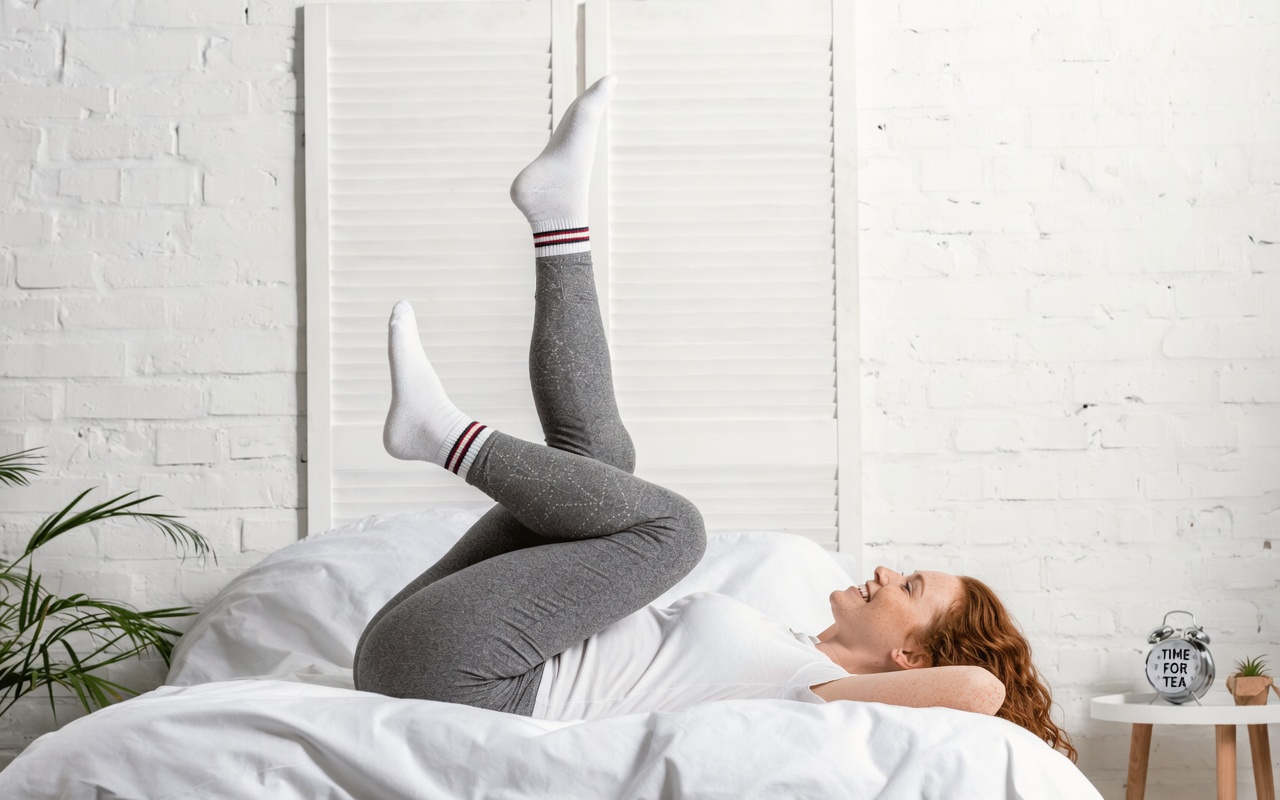
1. Elevate Your Legs for 10–30 Minutes Before Sleep
Raising your legs above heart level allows gravity to assist blood flow back toward your core, which can reduce pressure in the veins of the lower limbs and help relieve swelling.
How to do it:
- Lie on your back on a bed or on the floor.
- Place a pillow or folded blanket under your calves or ankles.
- Adjust until your legs sit slightly higher than your heart.
- Stay there for 10–30 minutes, breathing slowly, reading, or listening to something relaxing.
This position is often recommended because it can support fluid drainage and improve venous return. Many people notice their legs feel lighter and less “full” afterward.
2. Do Gentle Pre-Bed Stretches to Activate the Calf “Muscle Pump”
Light movement helps the calves and feet act like a natural pump, assisting blood flow upward. You don’t need a workout—just a few slow, controlled motions.
Try these easy options (seated or lying down):
- Ankle circles: 10 rotations clockwise, then 10 counterclockwise per ankle
- Toe point and flex: Point toes away, then pull them back toward you; hold each position 10–15 seconds
- Heel-toe raises (seated): Lift heels, then lift toes; repeat 10–15 times
- Small leg lifts: Raise one leg a few inches, pause briefly, lower, then switch sides
Studies on lower-body stretching suggest it can support healthier blood flow and may help reduce stiffness in the legs. If you pair these movements with slow breathing, the relaxation effect can be even stronger.
3. Add a Short Foot-and-Leg Massage (5–10 Minutes)
A quick self-massage can encourage local circulation, release tight muscles, and feel deeply calming—especially after a long day.
Simple massage routine:
- Sit or lie in a comfortable position.
- Feet first: Use your thumbs to knead the soles in small circles.
- Move upward: Stroke from the ankle toward the knee with moderate pressure.
- Finish with gentle sweeping strokes to relax the area.
- Optional: use lotion or oil to reduce friction and enhance comfort.
Even brief massage sessions are associated with improved local blood movement and a noticeable sense of relief in the limbs.
4. Hydrate Consistently During the Day (Not Just at Night)
You don’t need to drink large amounts of water right before bed (which may disrupt sleep). However, steady hydration throughout the day helps maintain healthier blood volume and viscosity.
Dehydration can make blood thicker, potentially slowing circulation—often most noticeable in the hands and feet. Aim for regular fluid intake during waking hours to support vascular function and day-to-night comfort.
5. Use Daytime Support That Reduces Evening Pooling
While this isn’t strictly an evening habit, what you do during the day affects how your legs feel at night.
Graduated compression socks or stockings can help reduce blood pooling during working hours by providing gentle pressure that supports upward flow. This can mean less swelling and heaviness by bedtime.
- Choose a comfortable fit and appropriate compression level.
- Avoid sleeping in compression wear unless a healthcare professional specifically advises it.
6. Create a Calming Pre-Sleep Environment to Support Blood Flow
Stress affects the body physically—stress hormones may tighten blood vessels, which can make circulation feel less efficient. A calmer bedtime routine supports relaxation and may help your body shift into better overnight recovery.
Try these simple changes:
- Lower lights about one hour before bed
- Reduce screen use close to bedtime
- Practice slow breathing: inhale for 4 counts, exhale for 6
- Keep feet comfortably warm (cozy socks can help peripheral comfort for some people)
When your nervous system settles, your whole body—including circulation—often feels more at ease.
Best Sleep Positions for Overnight Leg Circulation
How you sleep can influence blood flow and fluid comfort while you’re unconscious.
Supportive positions to try:
- Sleeping on your back with gentle elevation: Place a pillow under your knees or calves so your legs rest slightly raised. This can support venous return without strain.
- Side sleeping with a pillow between the knees: Helps align hips and may reduce pressure through the legs.
- Some people find left-side sleeping feels especially comfortable, as it may reduce pressure patterns in the torso for certain individuals.
If possible, avoid stomach sleeping, since it can increase compression and awkward angles that may restrict comfort and circulation.
Quick checklist:
- Back sleeping + pillow under knees/calves
- Side sleeping + pillow between knees
- Adjust for comfort rather than forcing a “perfect” posture
Small Nightly Changes Can Create Noticeable Comfort
You don’t need drastic routines to support better circulation in your legs and feet. Consistent, gentle habits—like leg elevation, stretching, massage, hydration awareness, and relaxation—can reduce end-of-day heaviness and help you wake up feeling lighter over time.
Pick one habit to start tonight, keep it simple, and let consistency do the work.
FAQ
How long should I elevate my legs before bed?
Most people do well with 10–30 minutes. That’s typically enough time to encourage fluid movement without taking over your evening.
Can these habits replace medical advice for circulation issues?
No. These are supportive lifestyle strategies. If you have persistent swelling, pain, skin changes, or known vascular conditions, speak with a qualified healthcare professional.
Is it safe to stretch or massage every night?
Gentle stretching and light massage are generally safe for many people, and daily practice is often beneficial. Stop if you feel pain, numbness, or worsening symptoms.
Disclaimer
This content is for informational purposes only and does not provide medical advice. Always consult a qualified healthcare professional before changing your routine, especially if you have existing health conditions or concerning symptoms.