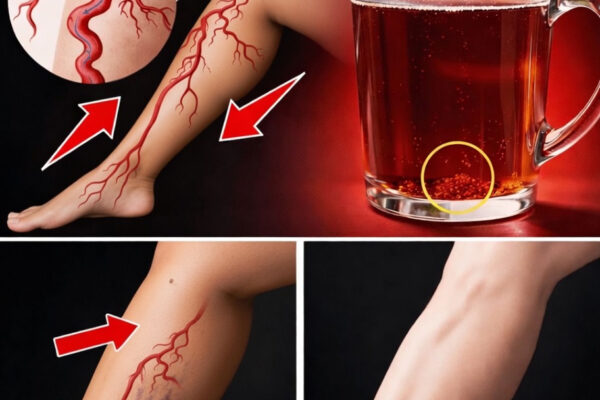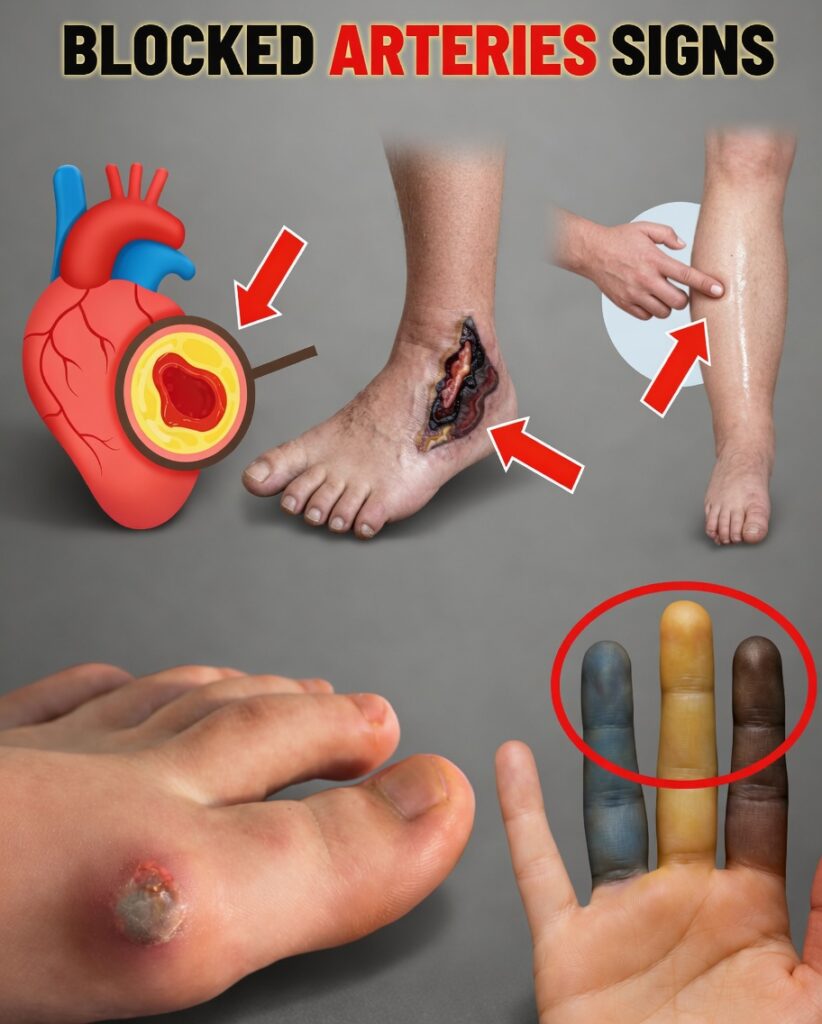
Peripheral artery disease (PAD) impacts millions of adults and often begins without clear red flags. Over time, it can reduce blood flow to the legs and feet—symptoms many people dismiss as “getting older.” When PAD goes unnoticed, it may quietly advance and increase the risk of serious cardiovascular problems. Spotting early leg and foot changes can help you start a timely conversation with a healthcare professional.
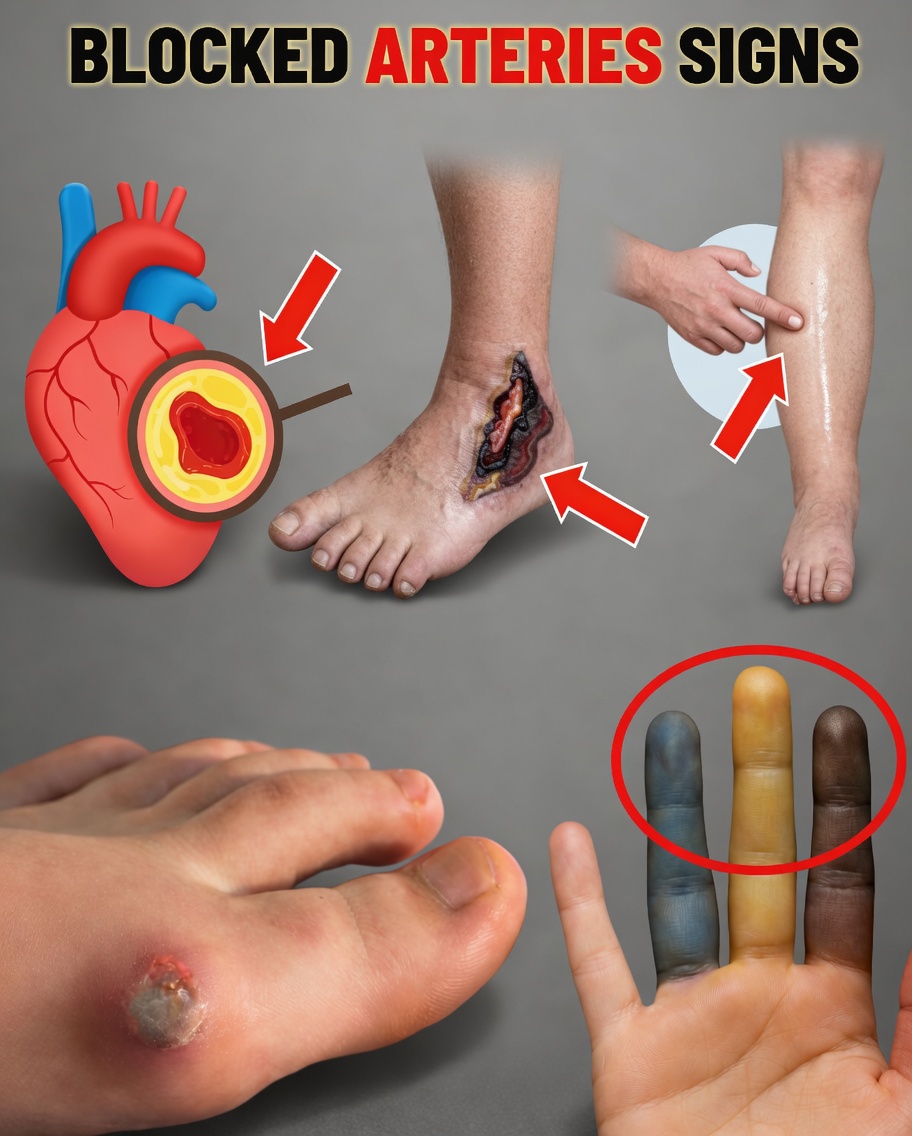
Many people are surprised to learn that these signals in the lower body can reflect overall vascular health—and that a single, simple screening test may reveal more than expected. Below are seven medically recognized warning signs to watch for, plus practical next steps.
Why Blocked Leg Arteries Become More Common After Age 40
As you enter midlife, arteries can slowly narrow due to plaque buildup (atherosclerosis). When this happens in the vessels supplying the lower extremities, less oxygen-rich blood reaches the muscles, skin, and nerves in your legs and feet.
In the United States, PAD affects an estimated 6.5 to 8 million adults age 40+, and rates climb notably after age 60. The challenge is that early symptoms may be subtle—or mistakenly blamed on ordinary strain, joint issues, or age-related changes. However, limited circulation can gradually turn into worsening discomfort with activity and may also signal broader heart and vascular risk.
Because the progression is often slow, it’s easy to ignore until walking becomes difficult—or symptoms start showing up even at rest.
Warning Sign #1: Leg Pain or Cramping with Activity That Improves with Rest (Intermittent Claudication)
A classic PAD symptom is aching, cramping, tightness, or heaviness in the calves, thighs, or buttocks that begins during walking or exercise and eases after a short rest.
This pattern—called intermittent claudication—occurs because working muscles need more oxygen than narrowed arteries can deliver. If the discomfort predictably returns at a similar walking distance or effort level, it’s worth noting the pattern and bringing it to your clinician’s attention.
Warning Sign #2: Weak or Missing Pulses in the Feet
Clinicians often check pulses in the feet, including the dorsalis pedis (top of the foot) and posterior tibial (behind the ankle). In PAD, these pulses may feel faint or absent due to reduced blood flow.
Self-checking pulses can be inconsistent, but noticing a marked difference between legs—or compared with pulses in the arms—can be a useful reason to request evaluation.
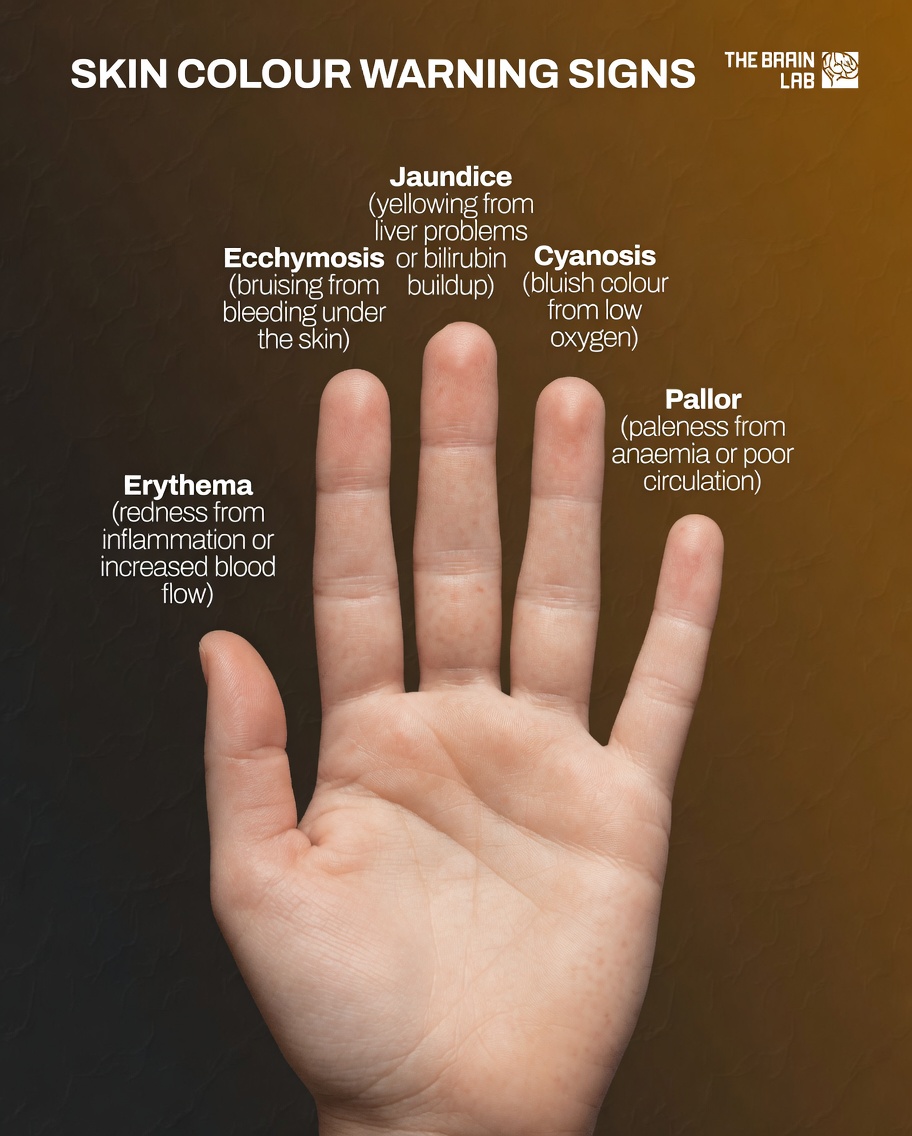
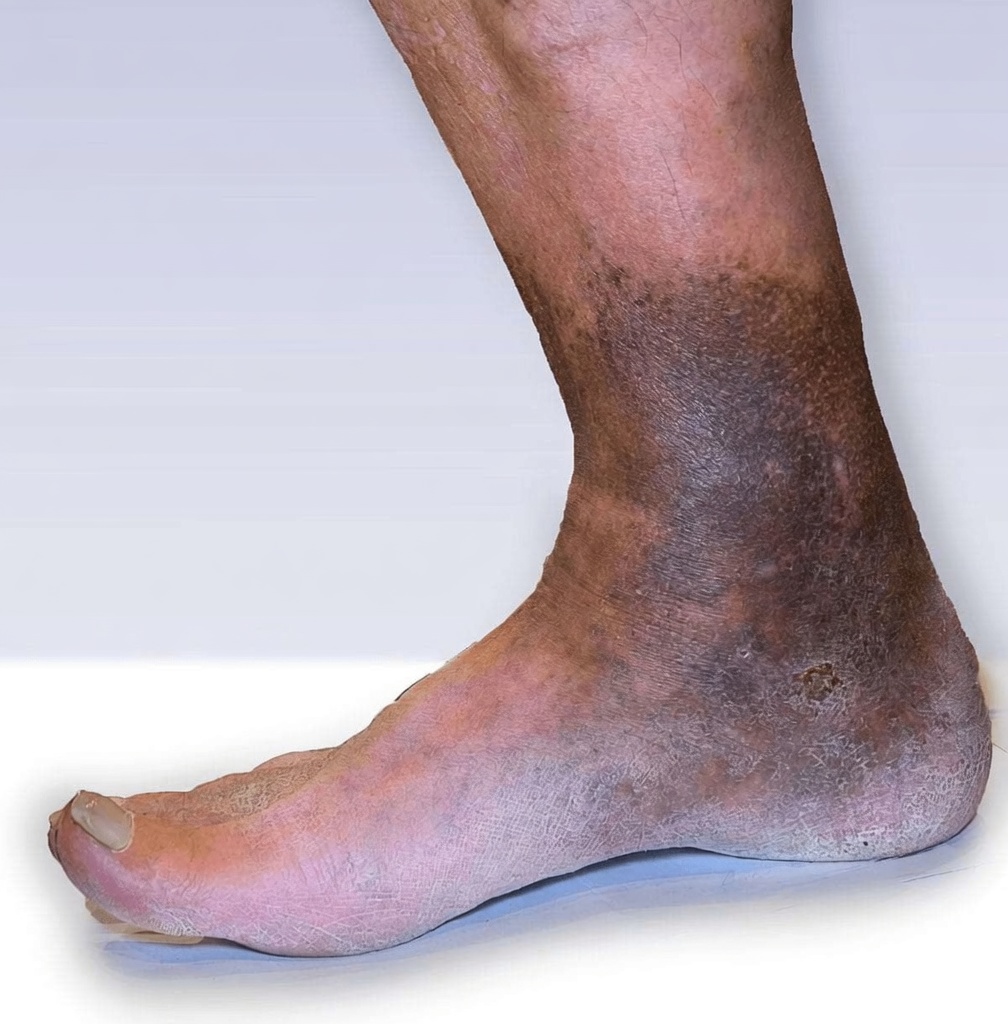
Warning Sign #3: Skin Color or Temperature Changes in One Leg or Foot
PAD can cause one leg or foot to look or feel different than the other. Common clues include:
- A foot that appears paler when elevated
- A bluish tone when the leg hangs down
- One side feeling cooler than the other, even in warm environments
These changes reflect chronically reduced oxygen delivery to tissues. Persistent, one-sided coolness or discoloration is especially important to take seriously.
Warning Sign #4: Cuts or Sores That Heal Slowly (or Not at All)
When circulation is poor, even minor skin injuries—small cuts, blisters, or pressure spots—may linger for weeks. This happens because the area receives less oxygen, fewer nutrients, and less immune support needed for repair.
This is especially urgent for people with diabetes, where PAD can further increase the risk of infection and complications. As a general rule, any lower-leg or foot wound that hasn’t clearly improved within two weeks should be evaluated promptly.
Warning Sign #5: Shiny Skin and Hair Loss on the Lower Legs
Over time, reduced blood flow can alter skin and hair growth. Some people notice:
- Thinning or loss of leg hair below the knee
- Skin that looks smooth, shiny, or “polished”
Comparing both legs side by side may make these changes easier to spot.
Warning Sign #6: Erectile Dysfunction in Men (A Possible Early Vascular Signal)
In men, new or worsening erectile dysfunction (ED) can sometimes appear before noticeable leg symptoms. Because penile arteries are smaller, they may show reduced blood flow earlier—making ED a potential sign of broader vascular disease.
Discussing ED openly with a healthcare provider can help identify whether a cardiovascular evaluation is appropriate.
Warning Sign #7: Numbness, Tingling, or Persistent Weakness in the Legs
PAD can contribute to sensations that resemble neuropathy, such as:
- Pins and needles
- Numbness
- Ongoing heaviness or weakness
- Legs that feel unstable, even when resting
When muscles and nerves consistently receive inadequate circulation, these symptoms may persist or worsen. Ongoing sensory changes deserve medical review—especially if they’re new, progressive, or one-sided.
Quick Summary: 7 PAD Warning Signs
- Intermittent claudication — exercise-related pain that improves with rest (high urgency)
- Weak/absent foot pulses — reduced or missing pulses (very high urgency)
- Color or temperature changes — cooler, paler, or discolored skin (high urgency)
- Slow-healing sores — wounds lasting longer than 2 weeks (critical, especially with diabetes)
- Shiny, hairless lower legs — smooth, glossy skin changes (medium-high urgency)
- Erectile dysfunction (men) — new or worsening ED (high urgency)
- Numbness/tingling/weakness — persistent abnormal sensations (high urgency)
Practical Steps to Consider Now
Only a qualified clinician can diagnose PAD, but these general strategies are commonly recommended to support vascular health:
- Walk regularly within your comfort level; consistent walking may help circulation over time.
- Avoid smoking and tobacco exposure, a major modifiable driver of PAD progression.
- Keep key numbers controlled through routine care: blood pressure, cholesterol, and blood sugar.
- Elevate your legs during rest if swelling is an issue, but avoid positions that worsen discomfort.
- Wear supportive footwear and inspect your feet daily, especially if you have diabetes.
A practical next move is to book a medical visit and clearly describe any symptoms you’ve noticed—even if it’s only one sign.
Many patients also ask about the Ankle-Brachial Index (ABI). This quick, non-invasive test compares blood pressure readings in the ankles and arms to help assess blood flow to the legs.
Frequently Asked Questions
What is the most common early sign of PAD in the legs?
The most well-known early symptom is intermittent claudication—leg cramping or pain while walking that improves soon after resting.
Can PAD happen without leg pain?
Yes. Some people have no pain or experience atypical symptoms such as leg fatigue or reduced walking stamina, which is why screening matters for those with risk factors.
How do clinicians usually check for PAD?
Evaluation often includes a medical history, a physical exam with pulse assessment, and the ABI test, which is fast and painless.
Medical Disclaimer
This article is for informational purposes only and does not replace professional medical advice. If you notice any warning signs—especially non-healing wounds, severe pain at rest, or sudden changes in leg/foot color or sensation—seek prompt evaluation from a healthcare provider.