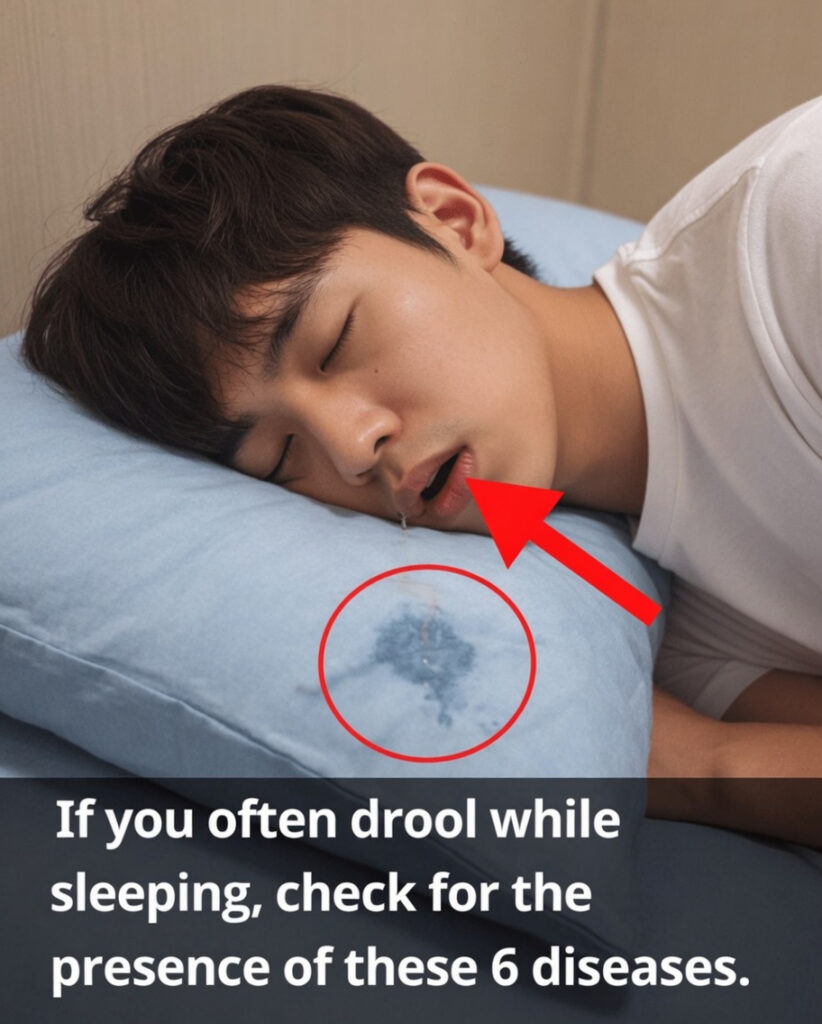
Waking up on a wet pillow with drool on your cheek can feel uncomfortable, awkward, and a little concerning. For most adults, drooling during sleep once in a while is usually harmless. However, if it happens often, it can disrupt your comfort and may point to underlying habits or health-related triggers.
Your body makes saliva continuously to protect the mouth, support digestion, and maintain oral health. During sleep, though, swallowing slows naturally. Add in gravity, mouth breathing, or certain medical issues, and saliva can escape more easily. The encouraging news is that a few simple bedtime changes may help reduce it. And at the end, you’ll find one commonly missed tip that can have a surprisingly noticeable effect.
Why Drooling Happens During Sleep
Saliva is essential for breaking down food, protecting teeth, and keeping the mouth from drying out. But once you fall asleep, your swallowing reflex is less active. If saliva collects in the mouth, it may leak out onto your pillow.
This is more common than many people realize, especially in adults who sleep with their mouth open or deal with certain lifestyle or health factors. Experts generally agree that occasional nighttime drooling is not a major concern. Still, when it becomes frequent, it makes sense to look at possible causes.
In many cases, the triggers are manageable, and even small nightly adjustments can help.
6 Common Reasons for Drooling While Sleeping
1. Nasal Congestion or Sinus Problems
A blocked nose from allergies, a cold, or sinus irritation often forces you to breathe through your mouth. When the mouth stays open during sleep, saliva is much more likely to escape.
The Cleveland Clinic notes that mouth breathing linked to nasal congestion is one of the clearest reasons people drool more at night. If you often wake up with both a wet pillow and a dry mouth, congestion may be part of the issue.
Chronic sinus irritation and seasonal allergies can also narrow the nasal passages, making mouth breathing a regular nighttime habit.
2. Gastroesophageal Reflux Disease (GERD)
GERD does more than cause heartburn. When stomach acid rises into the esophagus, the body may respond by producing extra saliva to help soothe the irritation.
Sources such as Healthline explain that this increase in saliva, combined with reduced swallowing during sleep, can result in more drooling. Some people with reflux also wake up with a sour or acidic taste in the mouth.
If your symptoms worsen after meals or when lying down, reflux could be contributing.

3. Trouble Swallowing
In some people, the muscles involved in swallowing do not work as effectively during sleep. This may happen because of temporary fatigue or longer-term changes in muscle coordination in the throat.
MedlinePlus identifies poor saliva control and swallowing difficulty as common contributors to drooling. During deeper stages of sleep, relaxed throat muscles can make saliva more likely to collect instead of being swallowed.
If you already notice saliva building up more than usual during the day, this factor may be worth paying attention to.
4. Neurological Conditions
Certain neurological conditions can affect the muscles responsible for controlling the mouth and swallowing. Issues such as Parkinson’s disease or facial nerve dysfunction may reduce muscle control and make nighttime drooling more likely.
Neurology-focused research has shown that sialorrhea, or excess saliva accumulation, is common in some chronic neurological disorders because swallowing becomes less efficient.
If drooling appears suddenly on one side only, it is especially important to monitor it carefully.
5. Medication Side Effects
Some medications can increase saliva production. This includes certain drugs used for Alzheimer’s disease, some antibiotics, and medications prescribed for mental health conditions.
The Cleveland Clinic notes that antipsychotic medications and some other prescriptions may stimulate the salivary glands. Since swallowing slows during sleep, this can make nighttime drooling more obvious.
If the symptom began after starting a new medication, it is a good idea to mention it to your healthcare provider.
6. Sleep Apnea and Mouth-Breathing Patterns
Obstructive sleep apnea often causes repeated interruptions in breathing during the night. Many people with this condition sleep with their mouth open, which increases the chance of drooling.
Research linking sleep apnea to drooling suggests that mouth breathing during these episodes allows saliva to escape more easily. Daytime tiredness is also common, making the issue even more frustrating.
Improving nighttime breathing patterns can sometimes benefit not only drooling, but overall sleep quality as well.
Practical Ways to Reduce Nighttime Drooling
The good news is that many people notice improvement by making a few simple lifestyle changes. These habits focus on better sleep comfort and healthier nighttime breathing.
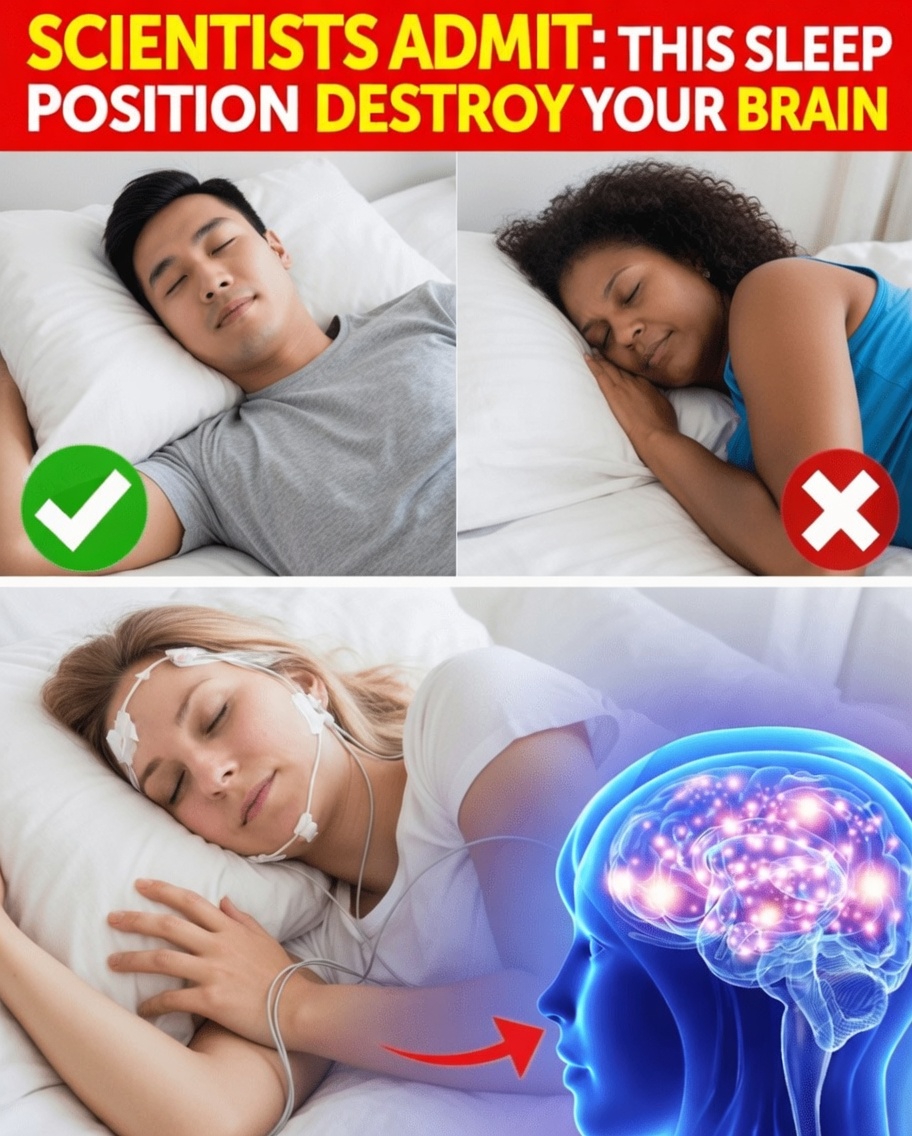
- Change your sleep position. Try sleeping on your back or on your side with your head slightly raised. Sleeping on your back may help gravity keep saliva in the mouth, while side sleeping may support better nasal drainage for some people.
- Clear your nasal passages. A saline nasal spray before bed or a bedroom humidifier may help reduce congestion and support nose breathing. Staying well hydrated during the day can also help keep mucus membranes in better condition.
- Eat lighter in the evening. If reflux is a problem, avoid large, heavy, or spicy meals close to bedtime. This may help reduce GERD-related symptoms and excess saliva production.
- Keep up with oral hygiene. Brushing and flossing before bed, along with drinking enough water, can help maintain a healthier mouth environment and may reduce saliva buildup.
- Review your medications. If you think a prescription may be contributing, speak with your doctor. A change in timing or an alternative option might help.
- Improve your sleep setting. A cool, dark bedroom and a regular bedtime routine can encourage deeper, more stable sleep and may reduce mouth breathing.

There is also one often-overlooked trick that connects several of these issues: raise the head of your bed slightly. Instead of stacking extra pillows, place blocks under the bed legs to lift the head by a couple of inches. This small adjustment may improve both reflux and nighttime breathing. Try it consistently for a week and see whether your mornings feel better.
When You Should Pay More Attention
Most cases of sleep drooling can be managed at home, but some symptoms deserve closer attention. Consider talking to a healthcare professional if you notice:
- Drooling that suddenly becomes one-sided
- Loud snoring or ongoing daytime fatigue
- Difficulty swallowing even when awake
- Frequent heartburn or unexplained weight changes
These patterns do not always mean something serious, but they are worth checking for reassurance and proper guidance.
Final Thoughts
Drooling during sleep is common and often linked to everyday factors such as sleep position, nasal blockage, reflux, swallowing issues, medication side effects, or disrupted breathing at night. Understanding these possible causes can make the problem feel less mysterious and more manageable.
With a few practical adjustments, many people can improve their sleep comfort and wake up feeling fresher. Sometimes, even a small change in breathing support or bed setup can make a real difference.