A Sudden Eyelid Bump on Your Child: What It Usually Means (and What to Do)
Noticing a large, unexpected lump on your child’s eyelid can be unsettling—especially if it appears fast, looks red, or seems tender. Eyes feel especially “high stakes” for parents because they’re delicate and essential to daily comfort and development.
The reassuring news: many eyelid bumps in children are common, manageable, and improve with simple at-home care. Knowing what you’re looking at—and what to watch for—can reduce stress and help you respond confidently. By the end, you’ll also learn a practical prevention trick that many families miss.
Common Causes of Eyelid Lumps in Children
Eyelid lumps are frequent in kids. Guidance from groups such as the American Academy of Ophthalmology points out that most cases involve minor blockage or irritation of eyelid glands or hair follicles, often related to everyday bacteria or inflammation.
Here are the most typical reasons.
Styes (Hordeola): The Classic Painful Bump
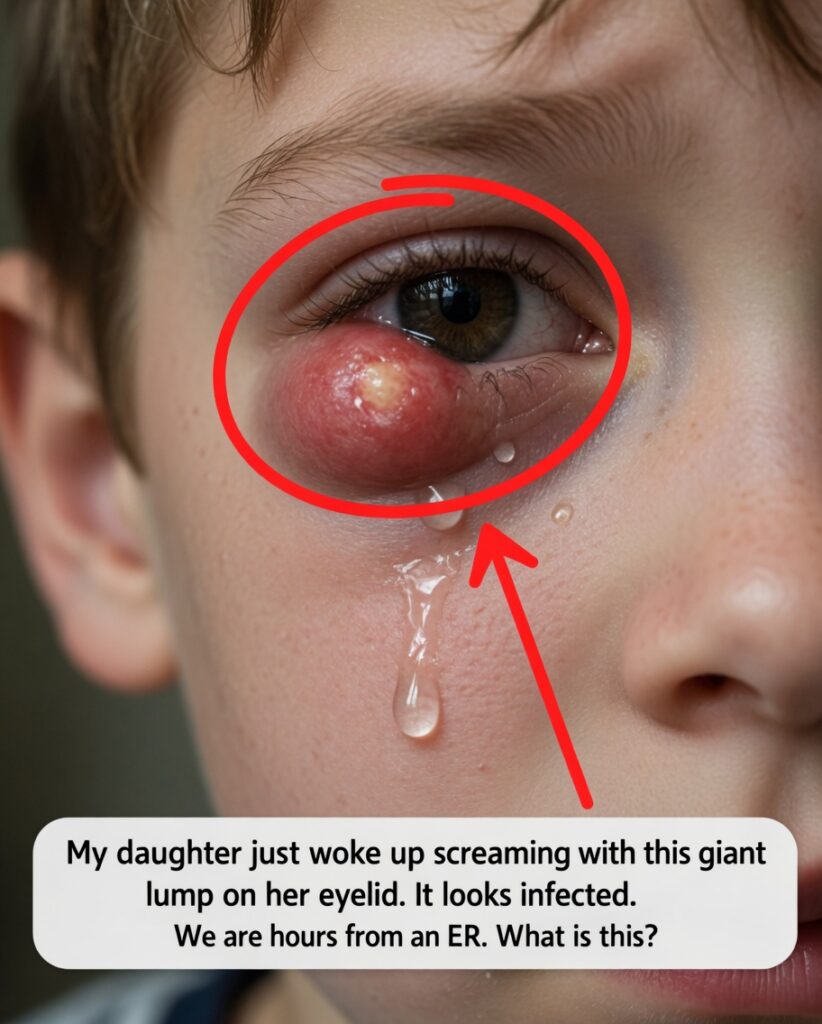
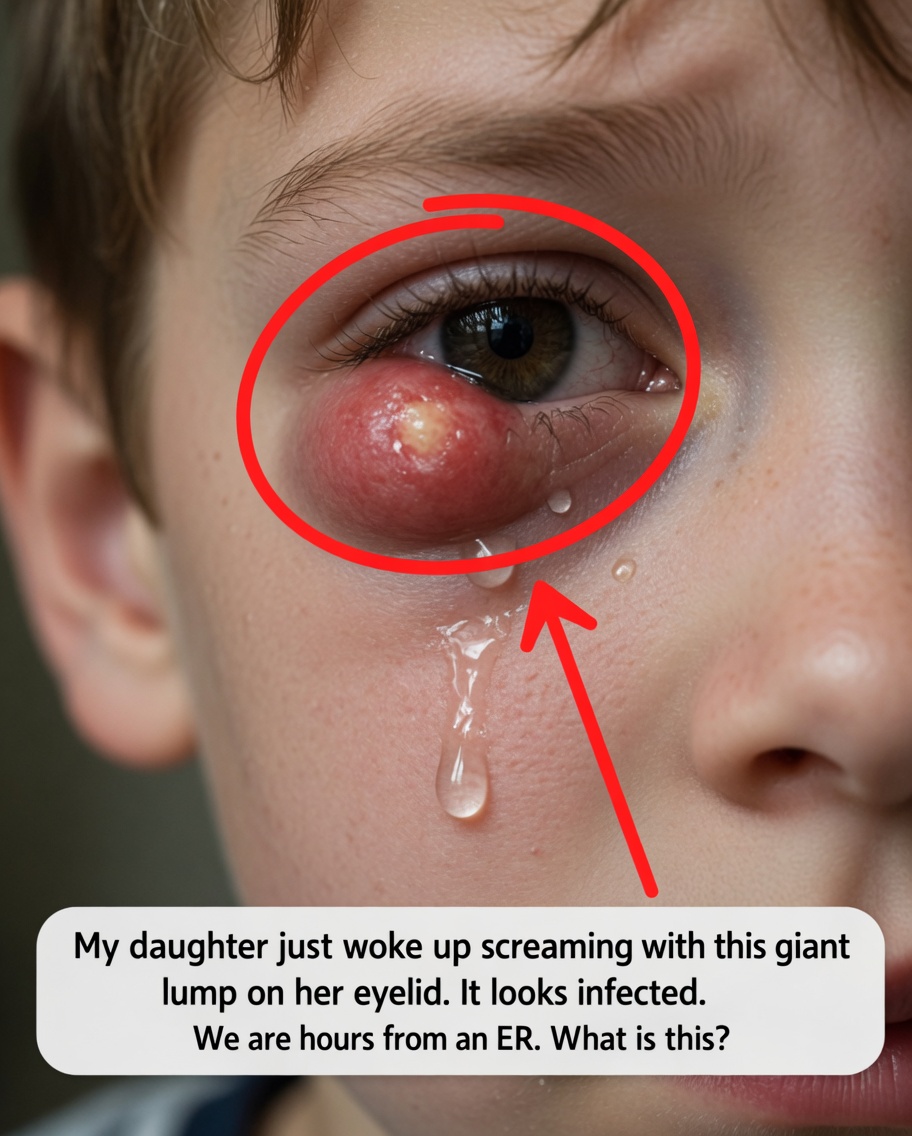
A stye (medical term: hordeolum) often shows up as a red, sore swelling close to the lash line. It usually starts when bacteria—commonly staphylococcus—get into an eyelash follicle or an oil gland.
Children are especially prone because they may touch or rub their eyes after playing, spreading germs from hands to eyelids.
Common stye symptoms include:
- Localized swelling near the eyelid edge
- Redness and tenderness
- A small “pimple-like” spot that may contain pus
- Discomfort that often peaks within 1–2 days before easing (as described in pediatric ophthalmology literature)
Chalazia: A Deeper, Slower-Growing Lump
A chalazion forms when an oil gland inside the eyelid becomes blocked. Compared with a stye, it tends to develop more gradually and usually feels like a firm, round bump rather than a hot, painful one.
Typical chalazion features:
- Slow enlargement over days to weeks
- Minimal pain (though it may feel irritating)
- A deeper position in the lid
- Possible pressure on the eye if it grows large
The National Eye Institute notes chalazia may be more common in children with oilier skin, allergies, or eyelid inflammation. Many resolve without treatment, but some linger longer than expected.
Less Common Causes You Should Still Consider
While styes and chalazia explain most eyelid bumps, other issues can occasionally be responsible. It’s important to recognize when the overall picture doesn’t “fit.”
Other possibilities include:
- Cysts (benign lumps that may persist)
- Periorbital cellulitis, an infection that can cause broader eyelid redness, warmth, and swelling and may worsen without treatment
- Allergic reactions or insect bites, which can mimic an eyelid lump and may come with itching or sudden puffiness
Pediatric reports emphasize these are less frequent, but they matter—especially when symptoms are spreading, severe, or unusual.
How to Tell a Stye from a Chalazion
Being able to spot the difference can help you decide what to do next—and avoid delays in relief.
-
Pain
- Stye: often painful or tender
- Chalazion: usually painless
-
Location
- Stye: near the eyelid edge/lashes
- Chalazion: deeper in the lid
-
Speed
- Stye: appears quickly
- Chalazion: builds slowly
-
Appearance
- Stye: redness, may form a pus point
- Chalazion: firm lump, typically no pus
Many parents initially assume any eyelid bump is a stye. Paying attention to these subtle clues can help you choose appropriate care and know when to ask for medical input.
Safe Home Care That Often Helps
Many eyelid bumps improve with gentle home management. Reputable medical sources, including the Mayo Clinic, commonly recommend supportive care aimed at reducing blockage and calming inflammation.
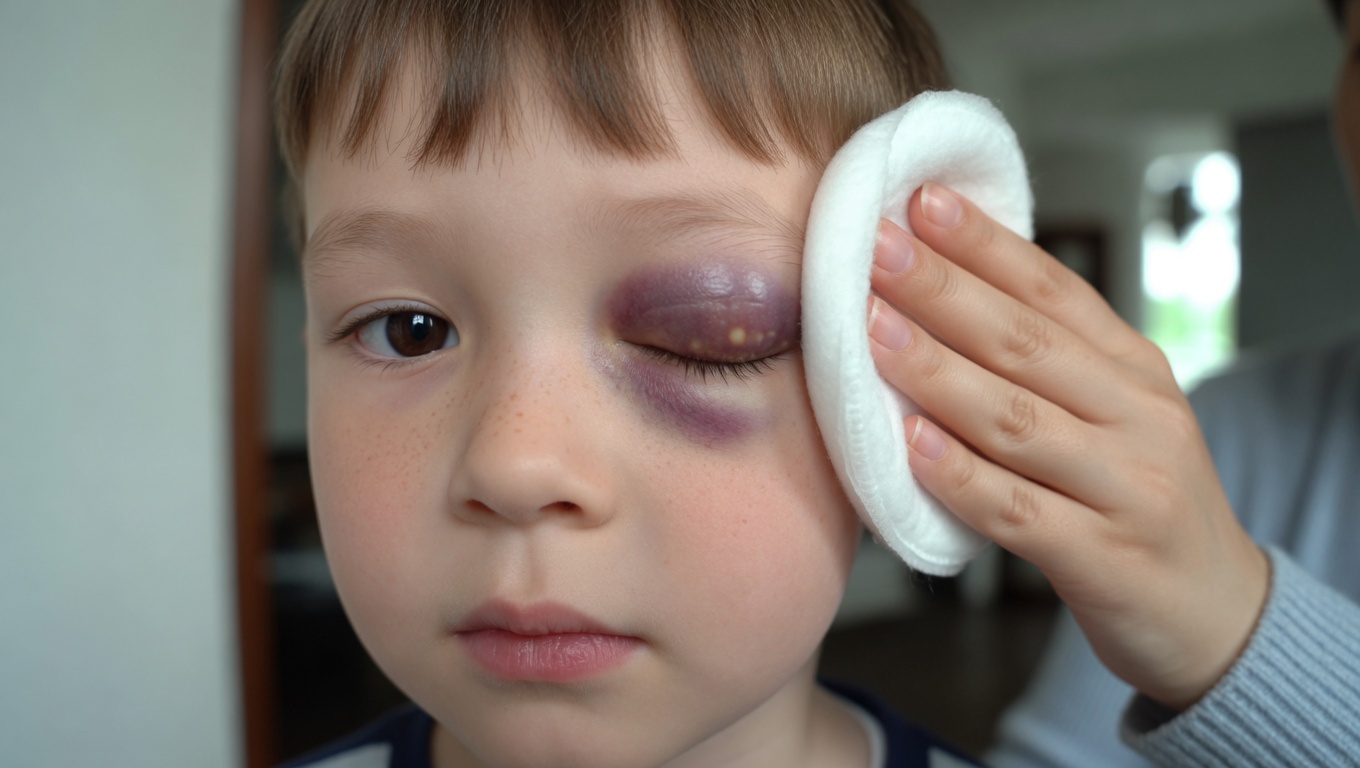
Warm Compresses: The Most Effective First Step
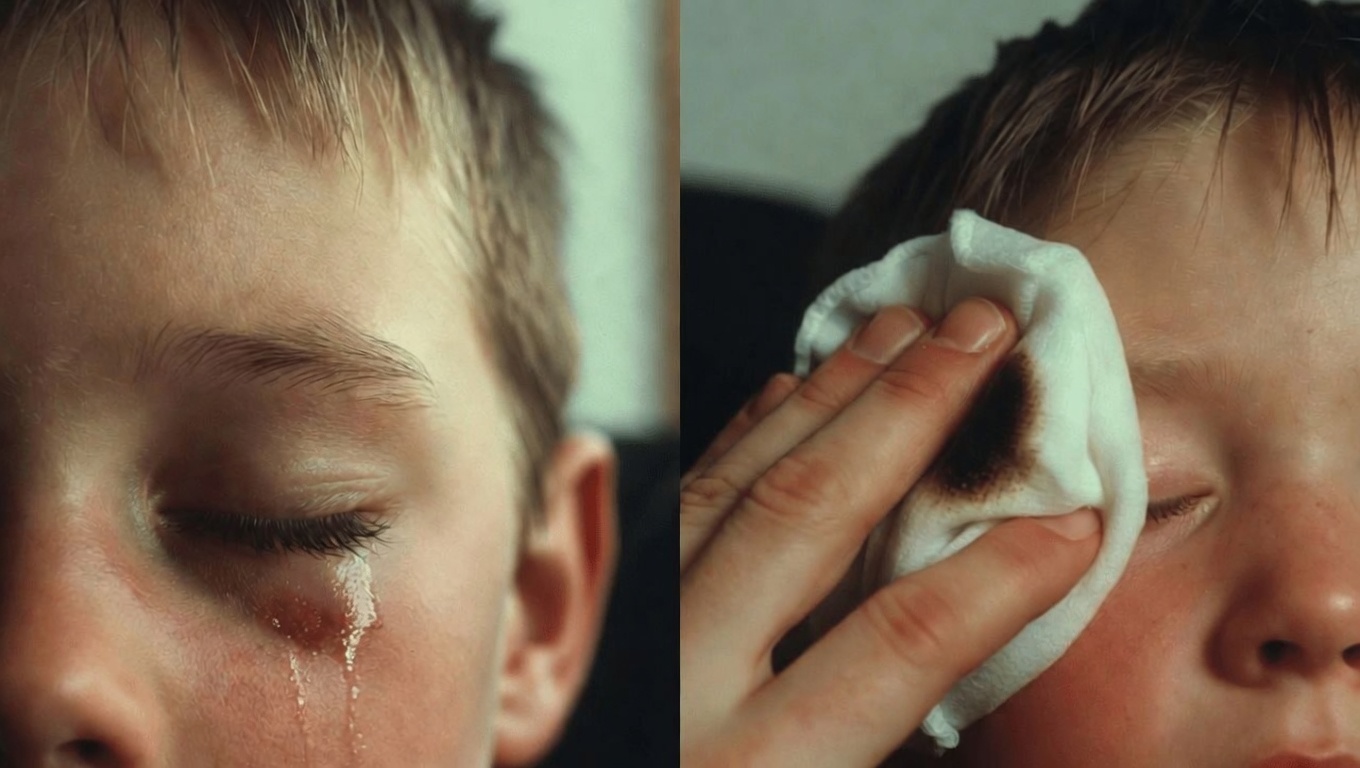
A warm compress helps soften clogged oil and encourages natural drainage.
Follow this routine:
- Soak a clean cloth in warm (not hot) water and wring it out.
- Hold it gently against the closed eyelid for 10–15 minutes.
- Repeat 3–5 times per day, spacing sessions through the day.
- Keep it comfortable—children may tolerate it better with a story, music, or quiet screen time.
Consistent warmth is often the key factor that speeds improvement.
Gentle Cleaning and Hygiene
Clean habits reduce irritation and lower the chance of worsening infection.
Helpful practices:
- Clean the eyelid area with diluted baby shampoo (very mild) twice daily
- Pat dry with a clean towel
- Encourage your child not to rub their eyes
Important: Do not squeeze or pop the lump. Public health guidance warns that pressure can spread bacteria and increase inflammation.
When to Contact a Healthcare Professional
Some eyelid bumps need medical evaluation—either because they might be infected, are affecting vision, or are not following a typical healing pattern.
Seek medical advice promptly if you notice:
- Rapid growth or increasing swelling
- Blurred vision or the bump pressing on the eye
- Fever or your child seeming unwell
- Redness spreading beyond the bump
- Warmth and tenderness across a larger eyelid area
- Light sensitivity or significant pain
If bumps recur frequently, an eye professional may discuss targeted treatment options. Always ask a clinician before using any new topical product near a child’s eyes.
How to Help Prevent Eyelid Lumps in the Future
Prevention is usually about small daily habits that reduce bacteria transfer and irritation—both major triggers for styes and similar eyelid problems.
Practical prevention steps include:
- Reinforce handwashing before meals and after play
- Reduce eye rubbing by addressing triggers like dust, pollen, or dryness
- For older kids: keep makeup tools clean and follow safe contact lens hygiene (if applicable)
- Choose hypoallergenic products if your child has sensitive skin
- Maintain regular check-ups if eyelid issues keep coming back
And the often-overlooked tip: encourage outdoor play with sunglasses. Sunglasses can help block wind, dust, and bright light—common irritants that lead kids to rub their eyes, increasing the risk of blocked glands and infection.
The World Health Organization and broader public health research consistently support the idea that steady hygiene routines reduce many common childhood eye issues.
Key Takeaways: Calm, Observe, and Act Early
In many cases, a sudden eyelid lump in a child is either a stye or a chalazion—both commonly manageable with warm compresses, gentle cleaning, and patience. The most important skills for parents are noticing key symptoms, avoiding squeezing, and knowing when warning signs mean it’s time for professional care.
Frequently Asked Questions
What if the eyelid lump doesn’t improve after a week?
If it isn’t shrinking or is getting worse after about a week, contact a healthcare provider. A persistent lump may need evaluation to confirm the cause and rule out other conditions.
Can an eyelid lump cause long-term vision problems?
Most do not. However, a larger chalazion can temporarily blur vision by pressing on the eye. Monitoring changes and getting help when needed keeps the risk low.
Are there “natural” alternatives to warm compresses?
Some people use cooled, clean tea bags for comfort, but warm compresses remain the most evidence-supported home method. Check with a clinician before trying alternative remedies near a child’s eye.
Always consult a qualified healthcare professional for personalized medical advice. This article is for informational purposes and is not a substitute for professional diagnosis or treatment.