
Feeling persistently exhausted, noticing unexplained weight shifts, or dealing with “low battery” energy day after day can sometimes point to an underlying thyroid issue. The thyroid is a small gland in the neck, but it has an outsized role in metabolism, energy production, mood, and hormone regulation. When thyroid function is out of balance, everyday life can start to feel unusually difficult.
Medical evaluation and appropriate treatment remain the cornerstone of thyroid care. Still, many people also look for gentle, natural ways to support thyroid wellness alongside a healthy lifestyle. Across traditional herbal systems, certain herbs and leaves have been used for generations—and some now have early research exploring how they may complement overall thyroid support.

Why Thyroid Health Deserves Attention
Your thyroid produces key hormones—primarily T3 (triiodothyronine) and T4 (thyroxine)—that affect how nearly every cell in your body uses energy. When these hormone levels rise or fall too far, you may experience:
- Ongoing fatigue or sluggishness
- Mood changes, irritability, or brain fog
- Weight changes that feel out of proportion to diet/activity
- Sensitivity to cold or heat
Many factors can influence thyroid balance, including chronic stress, nutrient insufficiencies, and environmental exposures. If you have a diagnosed thyroid condition, medication and routine monitoring are essential. However, supportive habits—such as targeted plant-based additions—may help reinforce broader wellness goals.
Scientists continue studying how natural compounds interact with thyroid-related pathways, often focusing on antioxidant, anti-inflammatory, and adaptogenic effects. Below are several herbs and leaves that stand out through traditional use and emerging evidence.
Five Herbs and Leaves Commonly Used for Thyroid Support
These options are discussed as complementary support, not replacements for professional care or prescribed medication.
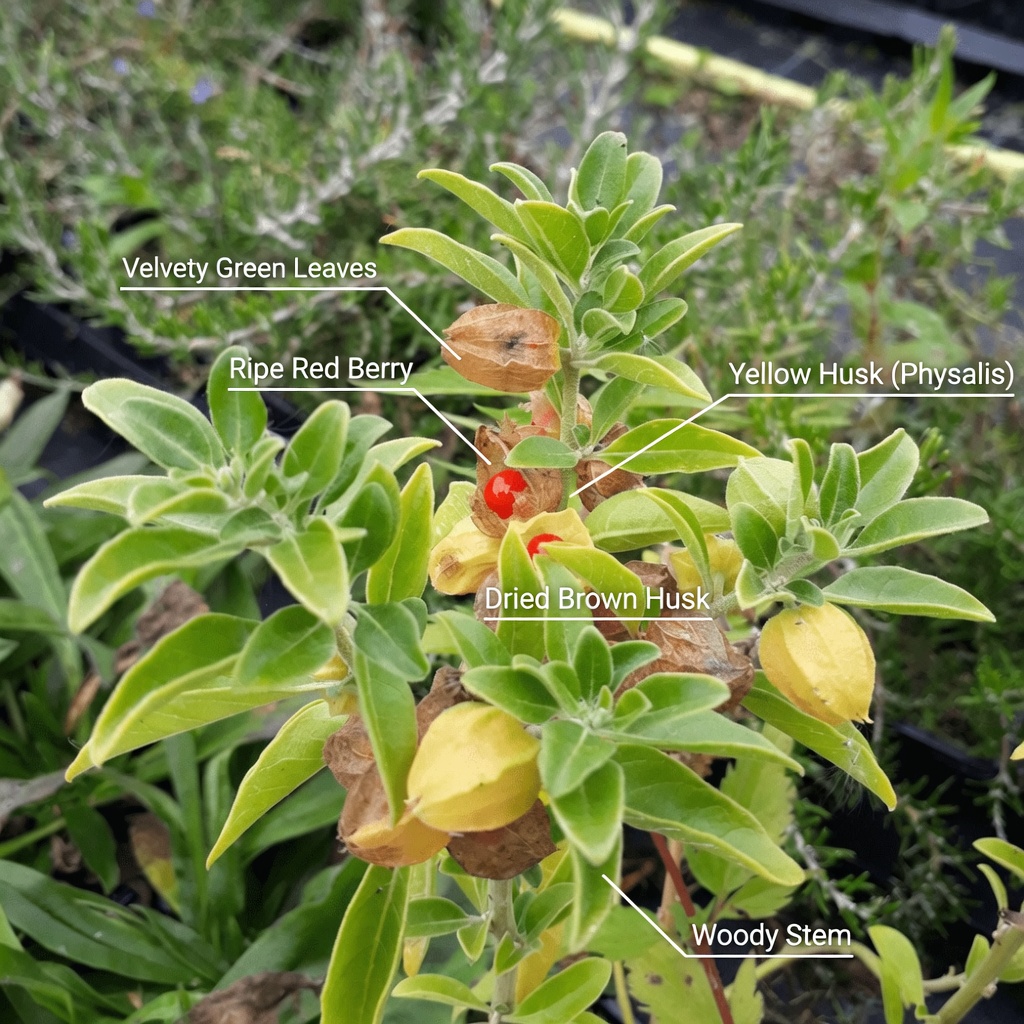
1. Ashwagandha (Withania somnifera)
Ashwagandha is a well-known adaptogenic root in Ayurveda, valued for helping the body cope with stress. Stress is closely tied to hormonal signaling, and prolonged stress may contribute to thyroid imbalance in some people. Small clinical studies have reported that consistent ashwagandha use in individuals with mild or subclinical hypothyroidism was associated with improvements in thyroid markers, including increased T3/T4 and reduced TSH.
Its biggest appeal may be its stress-modulating role—especially for people who feel that burnout and daily pressure worsen their symptoms.
How to use it
- Commonly taken as a standardized supplement (follow product directions)
- Sometimes used in tea preparations
- Consider starting with a low dose and tracking how you feel
2. Bladderwrack (Fucus vesiculosus)
Bladderwrack is a brown seaweed naturally high in iodine, a critical nutrient used to make thyroid hormones. Coastal cultures have long relied on iodine-rich sea plants to support metabolic and energy health.
Important note on iodine
- Iodine needs are individual, and too much iodine can disrupt thyroid balance
- Extra caution is warranted for those with autoimmune thyroid conditions
- Discuss with a clinician before using iodine-rich seaweed regularly
3. Black Cumin (Nigella sativa)
Often called black seed, black cumin contains bioactive compounds such as thymoquinone, studied for antioxidant and immune-related activity. Several randomized trials in individuals with Hashimoto’s thyroiditis have reported improvements in thyroid-associated markers, including reductions in TSH and thyroid antibodies, alongside increases in T3/T4 in some participants.
A key reason black cumin has drawn attention is its potential influence on inflammation and oxidative stress, which are commonly discussed in autoimmune thyroid contexts.
Ways to incorporate
- Add seeds to meals (sprinkle on salads, yogurt, roasted vegetables)
- Consider supplements only with medical guidance—especially if you take thyroid medication
4. Ginger (Zingiber officinale)
Ginger is rich in gingerols and related compounds known for anti-inflammatory and antioxidant properties. Since inflammation and oxidative stress can affect thyroid-adjacent tissues and overall wellbeing, ginger is often used as a supportive dietary herb. Research has suggested ginger supplementation may help improve persistent symptoms in some people whose hypothyroidism is already being managed, including support for energy and weight-related concerns.
Easy daily uses
- Fresh ginger tea
- Grated ginger in stir-fries, soups, and marinades
- Small amounts blended into smoothies
5. Lemon Balm (Melissa officinalis)
Lemon balm, a mint-family herb, is traditionally used to encourage calm and relaxation. Laboratory research suggests lemon balm may influence thyroid-related immune activity in hyperthyroid contexts (such as Graves’ disease), including possible effects on antibody binding mechanisms. While this is not the same as clinical proof, it helps explain why lemon balm is frequently mentioned in traditional hyperthyroid support discussions.
How to use it
- Brew dried or fresh leaves as a gentle evening tea
- Often chosen for its soothing, sleep-friendly ritual value

Quick Overview: What Each Option Is Known For
- Ashwagandha: Adaptogen for stress resilience; may support T3/T4 in mild cases
- Bladderwrack: Natural iodine source used for thyroid hormone building blocks
- Black cumin: Antioxidant and immune-modulating potential; studied in Hashimoto’s
- Ginger: Anti-inflammatory support; may help lingering symptoms in hypothyroidism management
- Lemon balm: Calming herb; explored for thyroid-related immune interactions in hyperthyroid conditions
Practical Ways to Add These Herbs to Your Routine
If you want to experiment safely, aim for consistency and simplicity:
-
Herbal tea habit
- Steep ginger or lemon balm (and, where appropriate, ashwagandha preparations) for 5–10 minutes
- Make it a daily ritual rather than a high-dose approach
-
Food-first additions
- Use fresh ginger in cooking
- Sprinkle black cumin seeds over savory dishes for flavor and potential benefits
-
Supplements—only step-by-step
- Choose reputable brands with clear labeling
- Start with the lowest suggested dose
- Track symptoms for 4–8 weeks
- Pair changes with routine thyroid lab monitoring when recommended
Safety Considerations You Should Not Skip
“Natural” does not automatically mean “risk-free.” Keep these cautions in mind:
- Some herbs may interact with medications, including levothyroxine and other prescriptions (such as blood thinners).
- Excess iodine, including from seaweed products like bladderwrack, can worsen thyroid imbalance in certain people.
- If you are pregnant, breastfeeding, immunocompromised, or managing chronic illness, get clinical guidance before adding new herbs.
- If symptoms change noticeably, pause use and seek medical advice. Routine bloodwork remains essential for anyone with thyroid concerns.
Conclusion
No herb can replace clinically appropriate thyroid treatment, but several plants have a long history of traditional use and growing scientific interest for supporting thyroid wellness. From ashwagandha’s stress-supporting adaptogenic effects to black cumin’s promising findings in autoimmune thyroid research, these options may serve as gentle allies when used thoughtfully.
For best results, combine any herbal approach with medical guidance, nutrient-dense eating, regular movement, quality sleep, and ongoing thyroid monitoring.
Disclaimer: This article is for educational purposes only and does not provide medical advice. Always consult a qualified healthcare professional before starting herbs or supplements, especially if you have a thyroid condition or take thyroid medication.
FAQ
Can these herbs replace thyroid medication?
No. If your clinician prescribed thyroid medication, it remains essential. Herbs may be used only as complementary support with professional oversight.
How soon could someone notice changes?
In early studies, measurable changes often appear around 4–8 weeks, but individual responses vary. Track both symptoms and labs with your healthcare provider.
Are side effects common?
Many people tolerate these herbs well in moderate amounts, but side effects can occur. Examples include:
- Mild digestive upset (sometimes with ginger or ashwagandha)
- Iodine-related thyroid disruption (especially with iodine-rich seaweed)
Stop use and seek medical guidance if anything feels unusual or worsens.