Your blood type is probably something you learned long ago, maybe during a routine lab test or in an urgent medical situation. Most of the time, it is just a fact on paper that rarely affects daily life. However, growing scientific interest has highlighted a possible relationship between blood type and the risk of certain cancers. That idea can sound concerning at first, but the bigger picture is important: while you cannot change your blood group, you can use this knowledge to pay closer attention to the habits that support long-term health. And the most useful part is this — the actions that matter most are within your control, no matter what blood type you have.
What Studies Suggest About Blood Type and Cancer Risk
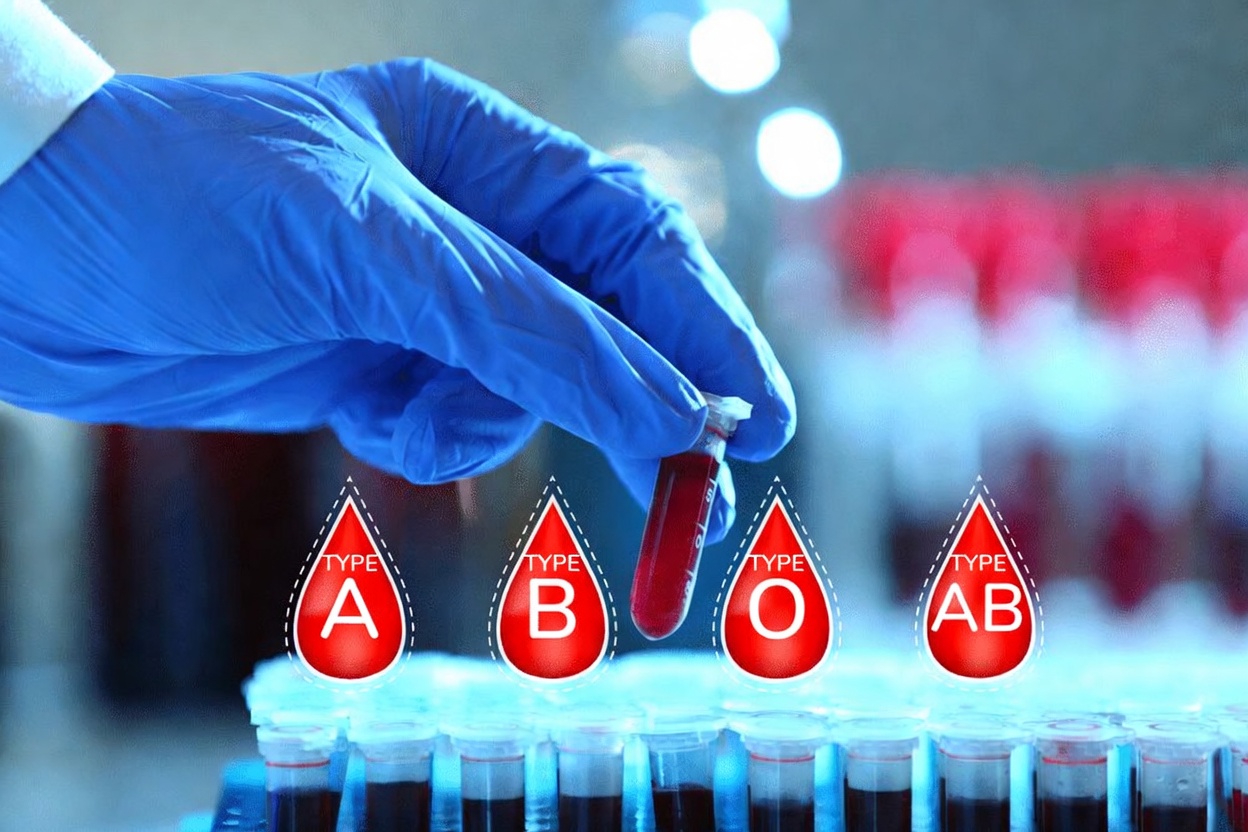
Researchers have explored the connection between blood groups and disease for many years. Blood type is inherited and reflects specific markers found on red blood cells. These markers may influence immune activity, inflammation, and how the body reacts to infections.
Large studies involving thousands of people have found patterns suggesting that individuals with blood types A, B, and AB may have a higher association with certain cancers than those with type O. Still, specialists stress that blood type is only a minor factor in a much broader health picture.
In reality, cancer risk is shaped far more by:
- Lifestyle habits
- Family history
- Environmental exposures
- Access to medical care
- Ongoing health conditions
So, while blood type may be relevant in research, it should be seen as one small clue rather than a cause for panic.
Blood Type A and a Higher Link to Stomach Cancer
Among the blood groups studied, type A has shown one of the clearest associations with stomach cancer. Some research suggests that people with blood type A may have about a 15% to 20% higher relative risk compared with those who have type O.
One possible explanation involves H. pylori, a common bacterium known to affect the stomach lining and increase the risk of long-term damage over time. Some scientists believe that type A may make it easier for this bacterium to attach to the stomach, which could partly explain the observed pattern.
That said, having blood type A does not mean stomach cancer is likely or inevitable. Many people with this blood group never experience any related problem. The takeaway is awareness, not fear.
Blood Types B and AB and Pancreatic Cancer Associations
The pattern is somewhat different when pancreatic cancer is considered. Research has reported stronger associations for blood types B and especially AB. In some large reviews, type B has been linked to a relative increase of up to 51%, while type AB has shown increases of up to 72% compared with type O.
Although those numbers may sound striking, it is important to remember that the absolute risk for most people remains low. These are population-level trends, not predictions about what will happen to one specific person.
Studies have also noted that:
- Blood type B may be linked not only to pancreatic cancer but also to a somewhat increased association with stomach cancer
- Blood type AB appears to have the strongest relationship with pancreatic cancer in several analyses
- Blood type O is often associated with the lowest relative risk for both stomach and pancreatic cancers in the available research
Quick Overview of Reported Patterns
Here is a simple summary of what researchers have observed:
- Blood Type O: Often shows the lowest relative risk for stomach and pancreatic cancers
- Blood Type A: Most strongly associated with stomach cancer
- Blood Type B: Linked to pancreatic cancer and may also show some elevation in stomach cancer risk
- Blood Type AB: Shows the strongest association with pancreatic cancer in several studies
This overview helps clarify the findings without making them seem more certain than they are.
Why Could Blood Type Matter?
Scientists are still trying to understand the biology behind these patterns. One theory is that blood type affects how the immune system responds to infection and inflammation. Another is that blood group antigens may influence how bacteria interact with tissues in the body.
For stomach cancer, the role of H. pylori appears especially important, particularly among people with non-O blood types. For pancreatic cancer, researchers have considered whether differences in inflammatory processes or clotting-related factors tied to blood group might play a subtle role over time.
Even so, genetics is rarely the whole story. In most cases, cancer risk is much more strongly influenced by choices and exposures that can be changed.
Everyday Actions That Can Lower Overall Cancer Risk
The encouraging news is that you do not need to wait for more research to start protecting your health. A number of practical habits are consistently linked with lower overall cancer risk, regardless of blood type.
- Eat more fruits and vegetables: Try to reach at least five servings each day, with an emphasis on colorful choices such as berries, leafy greens, broccoli, and other cruciferous vegetables
- Move regularly: Aim for at least 150 minutes of moderate physical activity per week, such as brisk walking, swimming, or cycling
- Cut back on processed meats and sugary drinks: These are common in many diets but are often associated with poorer long-term health outcomes
- Maintain a healthy body weight: Even gradual progress can support better health over time
- Avoid smoking and limit alcohol: Tobacco remains one of the most important risk factors to avoid, and alcohol should be kept moderate or lower
- Keep up with routine check-ups: Speak with your doctor about screenings that fit your age, symptoms, and family history
These steps may seem simple, but taken together, they can make a meaningful difference.
The Often-Missed Importance of Gut Health and Stress Control
Another area receiving growing attention is the connection between inflammation, gut health, and chronic stress. Researchers are increasingly looking at the gut microbiome as a major factor in overall wellness.
Helpful habits include:
- Eating fermented foods such as yogurt, kefir, or kimchi
- Drinking enough water throughout the day
- Prioritizing quality sleep
- Making time for relaxation, mindfulness, or stress-reducing routines
When these practices are combined with healthy eating, regular activity, and preventive care, they create a strong foundation for long-term well-being across all blood types.
Frequently Asked Questions
Can knowing my blood type change my cancer risk?
No. Blood type itself does not determine your future health. Research suggests it may be linked to certain patterns, but your daily habits and overall lifestyle have a much greater impact. The best approach is to focus on what you can control and speak with a healthcare professional if you have concerns.
Does blood type O mean I am protected from these cancers?
No. Type O has been associated with a lower relative risk in some studies, but that does not mean people with type O cannot develop cancer. Healthy habits and appropriate screenings are still important for everyone.
Should people with blood type A be tested for H. pylori?
That decision should be made with a doctor. Testing is usually based on symptoms, personal and family history, and other medical factors rather than blood type alone.
Final Thoughts: Use the Information, Don’t Fear It
Learning that blood type may be associated with cancer risk can be eye-opening, but the most important message remains reassuring: your everyday choices matter more than your blood group. Whether you are type A, B, AB, or O, healthy eating, consistent movement, good stress management, and regular medical care remain the most powerful tools for supporting long-term wellness. The science behind blood type is interesting, but the real impact comes from the decisions you make every day.
Disclaimer
This article is for educational purposes only and should not be considered medical advice. Blood type is only one of many factors that may be associated with health outcomes. For personalized recommendations about your health, symptoms, or screening needs, consult a qualified healthcare professional.