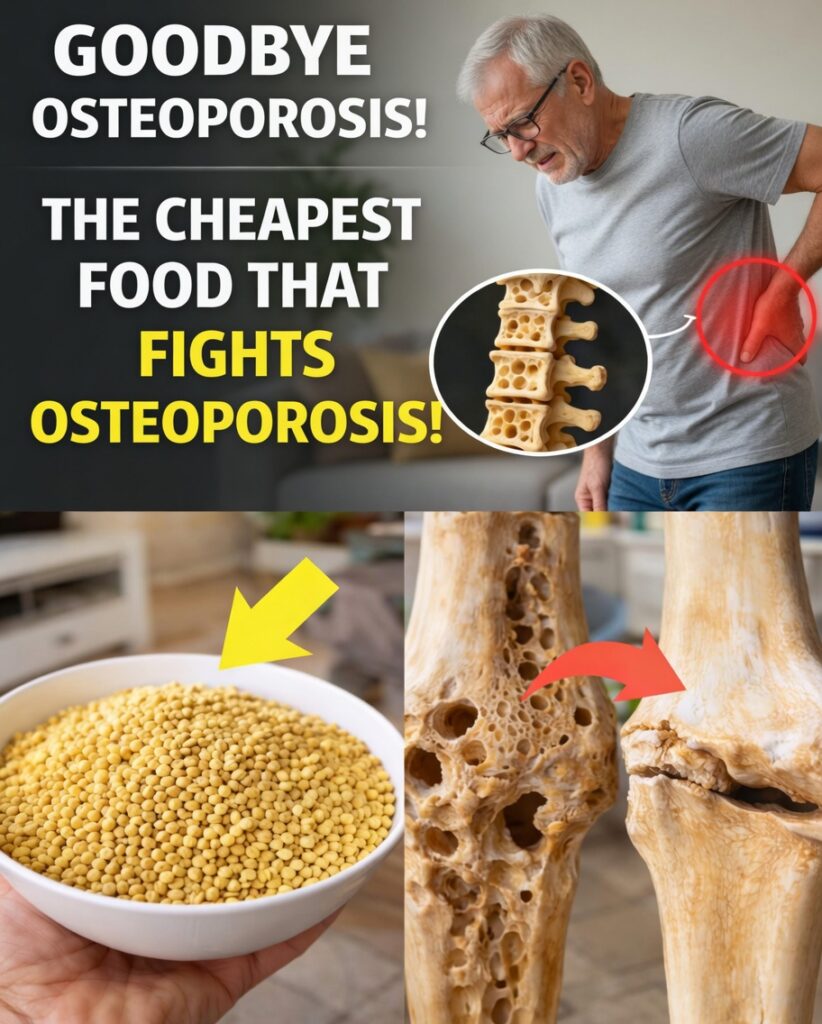
As we get older—especially after 60—bone strength often becomes a silent, daily worry. Fragile bones can increase the chance of fractures, limit mobility, and gradually reduce independence in ways many people don’t expect. When ordinary tasks like walking, climbing stairs, or carrying groceries start to feel uncertain, fear of falls can quietly shape everyday choices.
The reassuring news is that bone-supporting habits don’t have to be complicated or expensive. In fact, one of the most budget-friendly foods for bone health is easy to find, simple to use, and frequently overlooked.
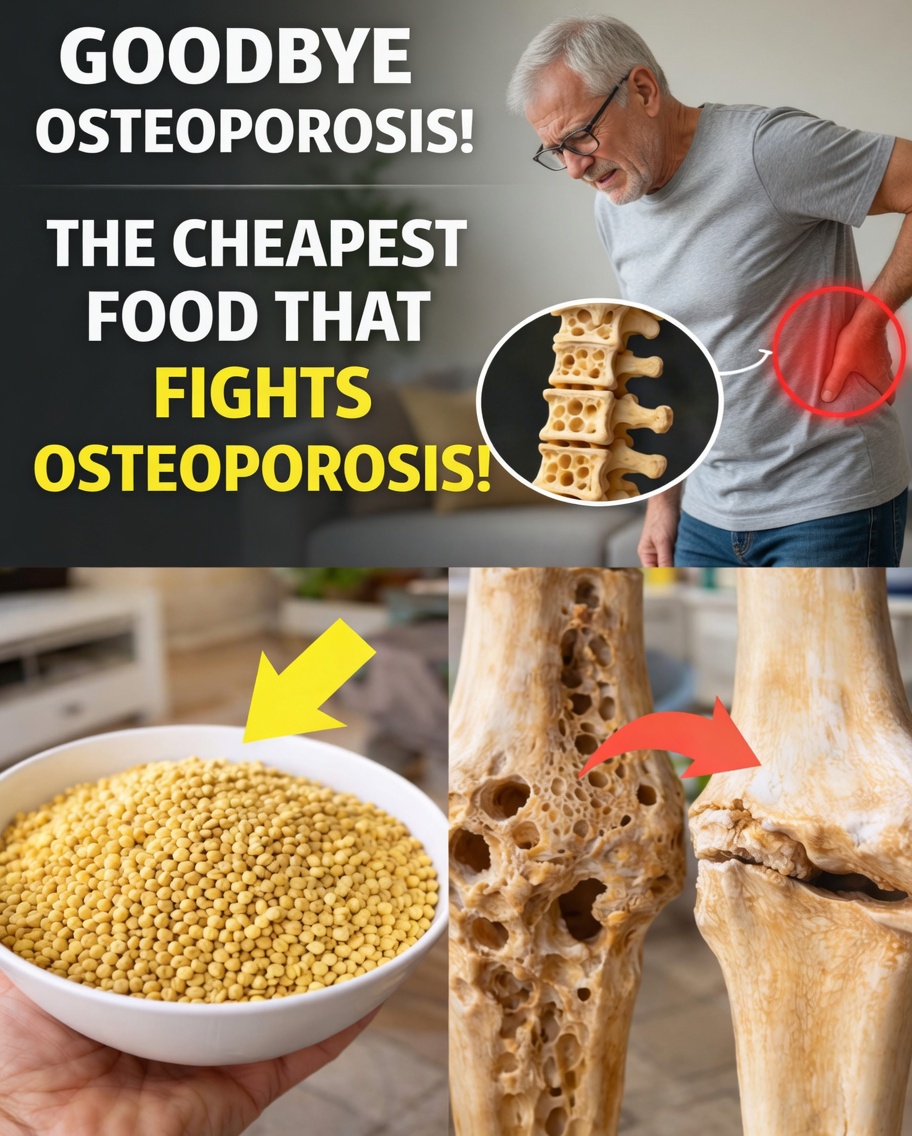
Why Bone Health Becomes a Bigger Priority After 60
Bone density naturally declines with age. After 60, that decline can speed up due to hormonal shifts, lower activity levels, and gaps in key nutrients. Organizations such as the Bone Health & Osteoporosis Foundation emphasize the importance of consistent nutrient intake—especially calcium—to help maintain bone structure and strength.
When calcium and other supportive nutrients aren’t regularly replenished, the risk of weakened bones rises. The good part: meeting those needs doesn’t require costly products. Many everyday foods can help—often at a much lower price than supplements.
Another common issue is that many older adults focus mainly on dairy, missing affordable plant-based calcium sources that are widely available.
The Most Overlooked Budget Food for Bone Support: Soybeans
A standout low-cost option is the soybean, along with simple soy foods such as edamame, tofu, and fortified soy milk. Whether purchased dried or canned, soybeans offer a valuable mix of bone-friendly nutrients—often for just pennies per serving.
Research examining dietary patterns in populations with higher soy intake (including parts of Asia) has found links between soy consumption and healthier bone-related markers. Soy foods contain isoflavones, natural plant compounds that some studies associate with better bone density in postmenopausal women. One prospective cohort study reported that higher soy protein intake was associated with lower fracture risk in postmenopausal women, particularly earlier in menopause.
What makes soybeans especially appealing is the value:
- Low cost: Dried soybeans are typically far cheaper per serving than specialty supplements and, in some regions, even less expensive than dairy.
- Long shelf life: Dried and canned soy products store well, helping reduce food waste.
- Highly versatile: They work in soups, salads, stir-fries, and snacks.
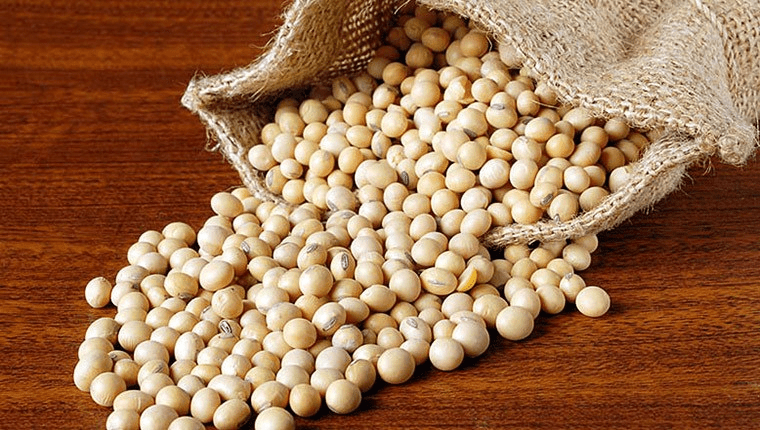
Why Soybeans Deserve a Place in a Bone-Healthy Diet
- Calcium contribution: One cup of cooked soybeans provides roughly 100–200 mg of calcium, depending on preparation.
- More than calcium: Soybeans also supply:
- Protein, which supports muscle strength—important for balance and fall prevention
- Magnesium, a key mineral involved in bone structure
- Isoflavones, which may support bone metabolism according to some evidence
- Budget-friendly nutrition: Compared with many animal proteins, soy can deliver strong nutrition at a lower cost—helpful for fixed or limited incomes.
Affordable Bone-Supporting Foods to Combine with Soy
No single food covers everything your bones need. Pairing soybeans with other economical choices can improve overall nutrient balance:
- Leafy greens (kale, collard greens, turnip greens): typically low-cost and provide calcium plus vitamin K, which helps regulate bone mineral use.
- Canned fish with bones (sardines, salmon): rich in calcium and often vitamin D, usually at a reasonable price.
- Fortified plant milks (especially fortified soy milk): commonly enriched with calcium and sometimes vitamin D.
- Sesame seeds: a small sprinkle adds calcium with minimal expense.
Approximate Calcium Per Serving (Quick Comparison)
- Cooked soybeans (1 cup): ~175 mg calcium
- Canned sardines with bones (3 oz): ~325 mg calcium
- Cooked kale (1 cup): ~180 mg calcium
- Low-fat yogurt (6 oz): ~300 mg calcium
- Fortified soy milk (1 cup): ~300 mg calcium
Most adults over 50 are often advised to aim for 1,000–1,200 mg of calcium per day from food when possible—making soy an easy, affordable way to help close the gap.
Practical Ways to Eat More Soybeans (Starting Today)
Building a new habit works best when it feels easy. These strategies keep soy intake simple and realistic:
- Shop strategically:
- Choose dried soybeans in bulk for the best price
- Use canned soybeans or edamame when you want convenience
- Batch cook once, use all week:
Soak dried soybeans, cook until tender (similar to other beans), and refrigerate portions for quick meals. - Simple ways to use them:
- Add cooked soybeans to salads, soups, stews, or grain bowls
- Toss them into stir-fries with vegetables
- Blend into smoothies for a protein-and-calcium boost (or use fortified soy milk)
- Use firm tofu in soups or pan-fried dishes; look for tofu set with calcium sulfate on the label
- Drink fortified soy milk as a daily calcium source
- A realistic target:
Aim for ½ to 1 cup of cooked soybeans (or an equivalent soy food) a few times per week. - Improve absorption:
Combine calcium-rich foods with vitamin D sources (sunlight, fortified foods, or fatty fish).
The goal is consistency, not perfection—small changes can accumulate into meaningful long-term support.
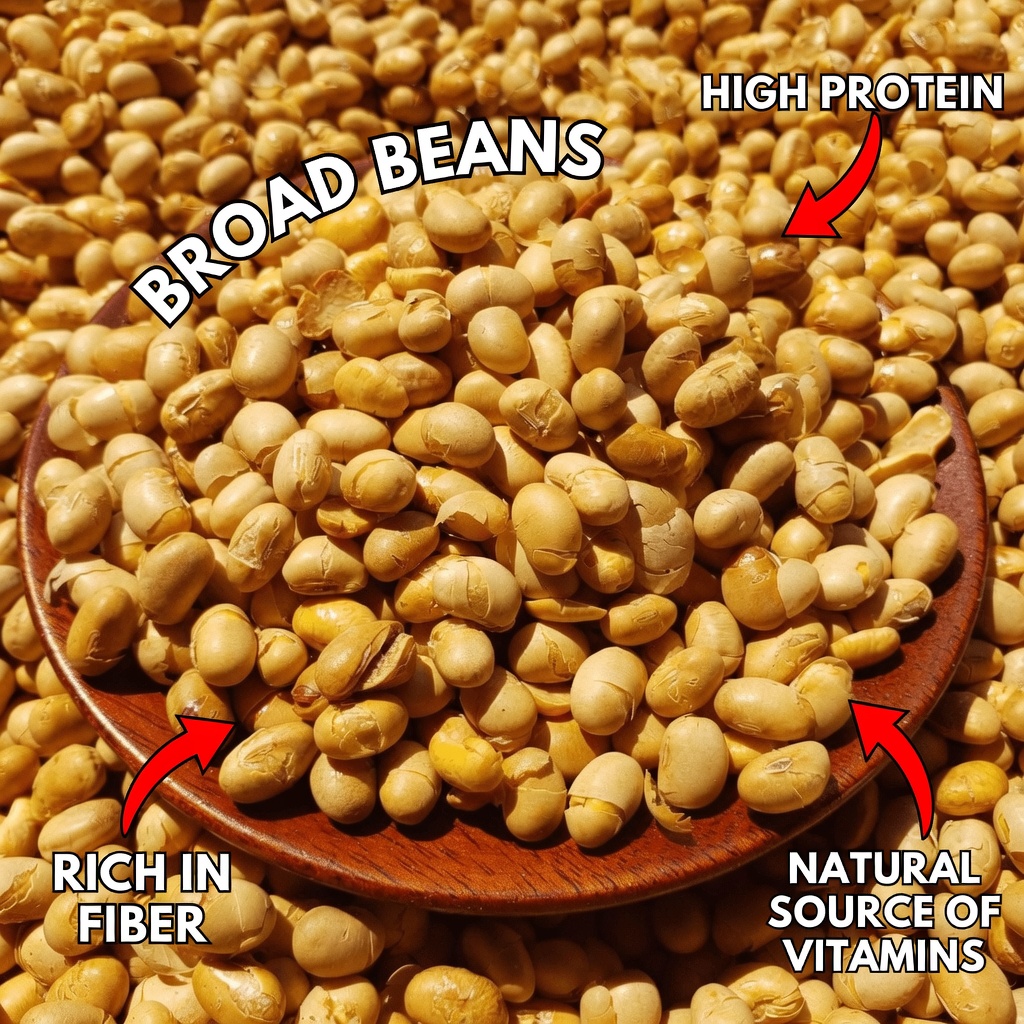
What Research Suggests About Soy and Bone Health
Scientific results are mixed, but multiple reviews of randomized trials and population studies suggest soy isoflavones may influence bone-related measures, including bone mineral density (BMD)—particularly in areas like the lumbar spine. A meta-analysis noted moderate positive effects on lumbar spine BMD with regular soy/isoflavone intake, with benefits appearing more noticeable in certain groups (such as those closer to menopause).
It’s also worth noting that whole soy foods (tofu, soybeans, edamame, fortified soy milk) tend to align with healthier overall dietary patterns more than isolated supplement forms. Soy works best as one part of a broader lifestyle approach—not as a single “fix.”
Conclusion: A Simple, Low-Cost Step Toward Stronger Bones
Adding affordable soybeans and basic soy products to your routine is a practical way to support bone health after 60—without relying on expensive solutions. Combine soy with other calcium-rich foods, stay physically active, and focus on overall wellness habits for the strongest impact over time.
Frequently Asked Questions
Q: How much calcium do adults over 60 need each day?
Most guidelines recommend about 1,200 mg daily for women over 50 and men over 70, with an emphasis on meeting needs through food first whenever possible.
Q: Is eating more soybeans safe?
For most people, soy is considered safe when eaten in moderate amounts as part of a varied diet. If you have a soy allergy or thyroid concerns, it’s wise to speak with a healthcare professional.
Q: Can diet alone support bone health, or are supplements necessary?
Many people can meet needs through food, but some may still fall short. A clinician may recommend supplements based on diet, labs, medications, and medical history.
Disclaimer
This article is for informational purposes only and does not provide medical advice. If you have health conditions or take medications, discuss dietary changes for bone health with a qualified healthcare professional.